


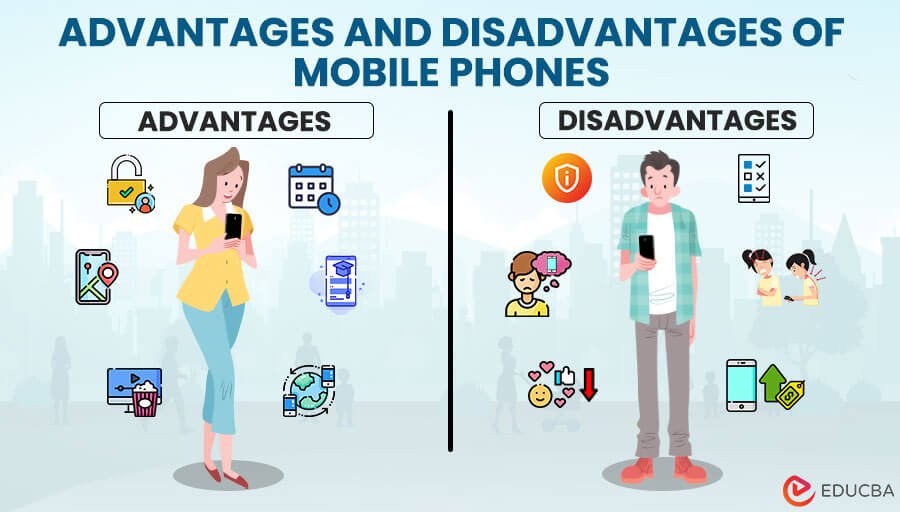
Mobile phones have become one of the most important inventions of the 21st century. From simple communication devices to powerful smartphones capable of running businesses, managing health, and providing entertainment, mobile phones have transformed human life. Today, nearly every individual—students, professionals, homemakers, and elderly people—relies on mobile technology for daily activities.
✅ Advantages of Mobile Phones
1. Instant Communication




The most significant advantage of mobile phones is instant communication. In earlier times, communication depended on letters or landline phones. Today, mobile phones allow us to:
- Make voice calls
- Send text messages (SMS)
- Use instant messaging apps
- Make video calls
- Share voice notes
Through apps like WhatsApp, Telegram, and Zoom, people can communicate globally in seconds.
This helps:
- Families stay connected
- Businesses operate smoothly
- Emergency services respond quickly
- Students attend online classes
Mobile phones have removed geographical barriers and made the world feel smaller.
2. Easy Access to Information


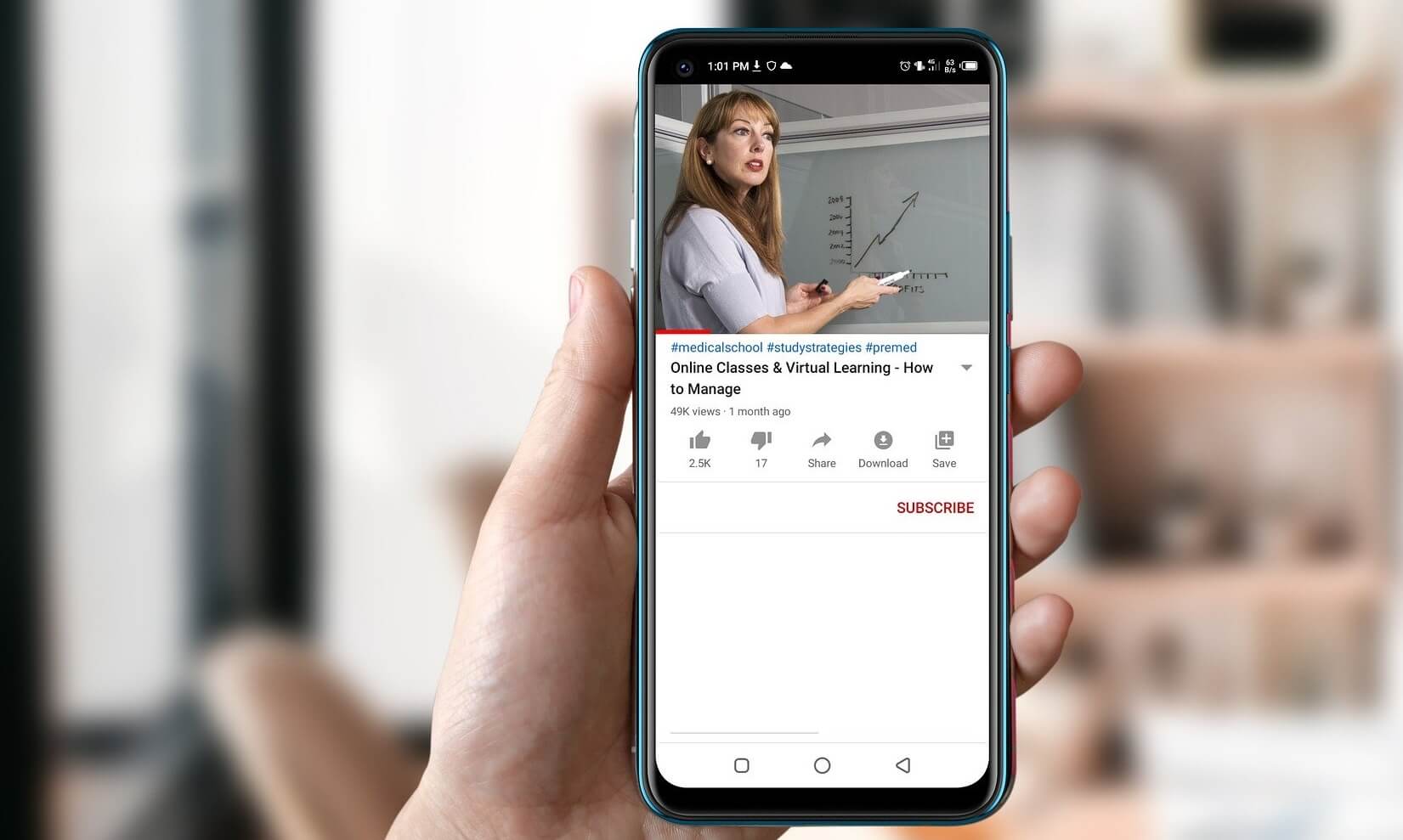

Mobile phones provide access to unlimited information through the internet. With search engines like Google, users can:
- Research topics instantly
- Read online news
- Watch educational videos
- Access e-books
- Learn new skills
Students especially benefit from educational platforms such as:
- Khan Academy
- BYJU’S
- Coursera
This makes education more accessible and affordable.
3. Emergency Assistance
Mobile phones play a vital role during emergencies. Features include:
- Emergency calling
- GPS location tracking
- SOS alerts
- Disaster warnings
For example, apps like Google Maps help users find nearby hospitals, police stations, or safe routes during natural disasters.
In accidents or health crises, a quick phone call can save lives.
4. Business and Financial Growth


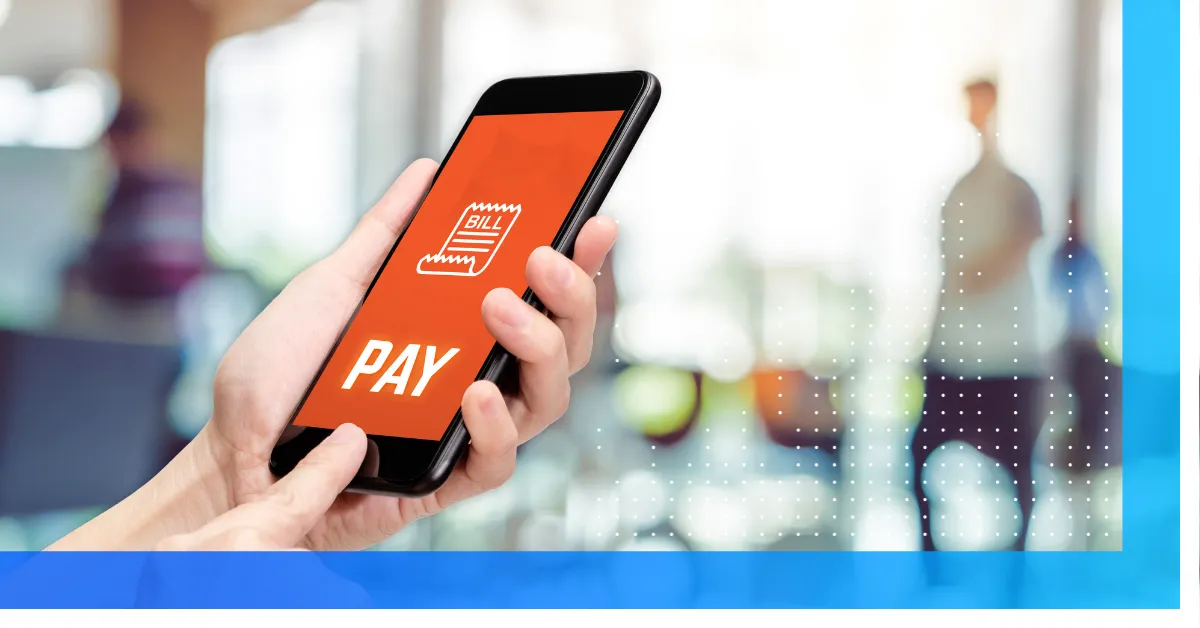

Mobile phones support economic growth by enabling:
- Online banking
- Digital payments
- E-commerce
- Remote work
- Stock trading
Apps like:
- Paytm
- Google Pay
- Amazon
have revolutionized how people shop and manage money.
Small businesses use smartphones to:
- Promote products on social media
- Communicate with customers
- Receive payments digitally
This has boosted entrepreneurship worldwide.
5. Entertainment and Recreation
Mobile phones provide unlimited entertainment options:
- Watching movies
- Listening to music
- Playing games
- Using social media
Platforms like:
- Netflix
- Spotify
- YouTube
allow users to enjoy content anytime and anywhere.
While entertainment reduces stress, excessive use can become harmful (discussed later).
6. Educational Revolution
Online education became especially important during the COVID-19 pandemic. Schools and colleges used:
- Video conferencing apps
- Online assignments
- Digital classrooms
Mobile phones made distance learning possible even in rural areas.
Advantages for students:
- Learn at their own pace
- Access recorded lectures
- Prepare for competitive exams
- Improve digital literacy
7. Social Connectivity


Social media platforms such as:
- X
allow people to share experiences, photos, and ideas.
Benefits:
- Maintain friendships
- Join communities
- Raise awareness
- Promote social causes
However, misuse can lead to addiction and comparison anxiety.
8. GPS and Navigation
Mobile phones provide accurate navigation through GPS technology. Users can:
- Find shortest routes
- Avoid traffic
- Track deliveries
- Locate nearby services
Navigation apps have reduced travel stress and improved transportation efficiency.
9. Health Monitoring
Modern smartphones include health-related features:
- Step counters
- Heart rate monitoring
- Sleep tracking
- Calorie counting
Fitness apps encourage healthy lifestyles and track daily activity.
10. Photography and Creativity
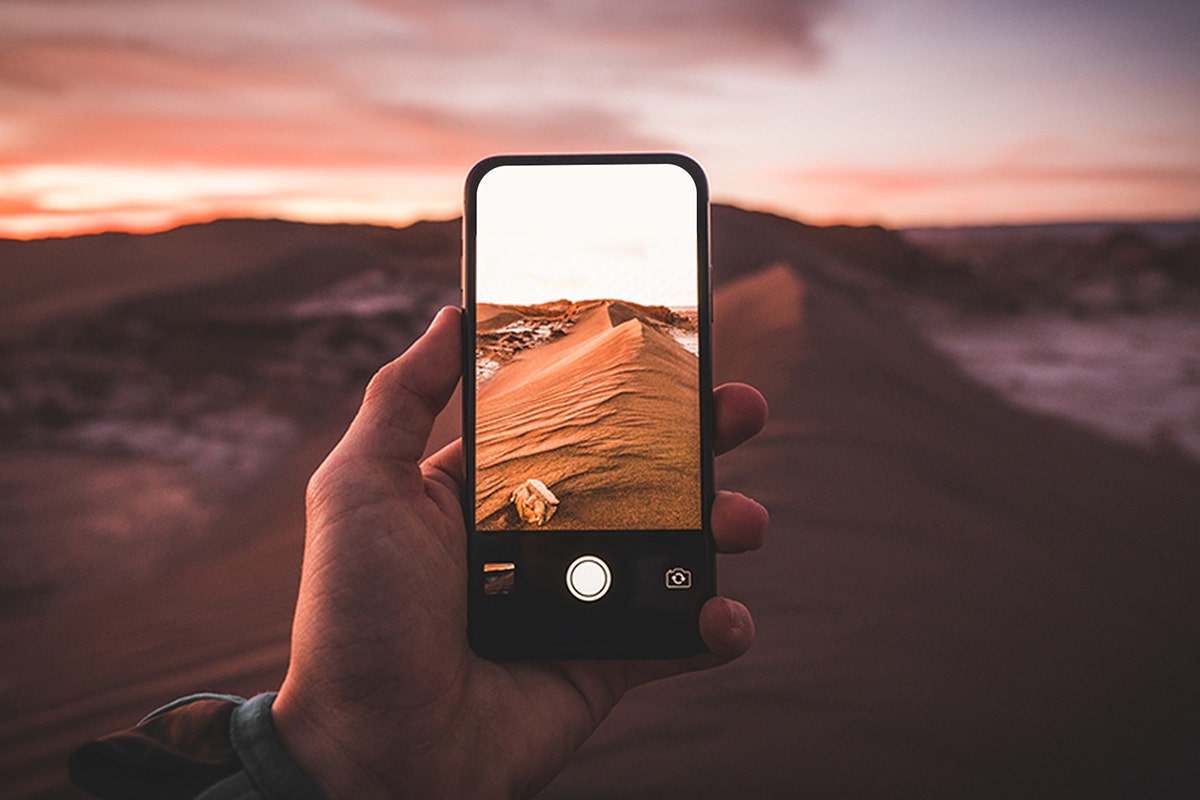


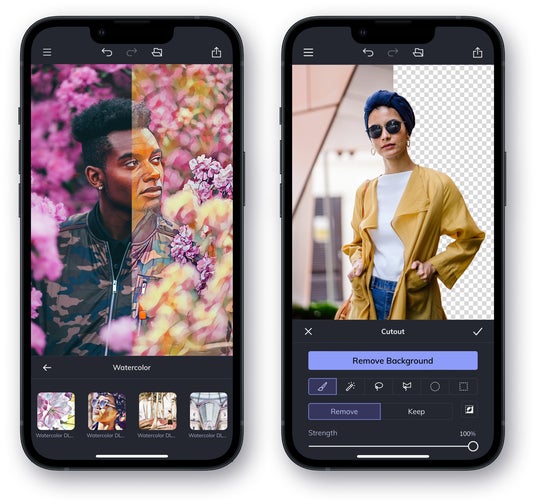
High-quality cameras in smartphones allow:
- Professional photography
- Video recording
- Vlogging
- Content creation
Many influencers and digital creators build careers using only smartphones.
❌ Disadvantages of Mobile Phones
1. Addiction and Overuse
One of the biggest problems is mobile addiction. Excessive use can lead to:
- Reduced productivity
- Sleep disturbance
- Eye strain
- Anxiety
Many people spend several hours daily scrolling through social media or playing games.
Symptoms of addiction:
- Constant checking
- Fear of missing out (FOMO)
- Irritation without phone
2. Health Problems

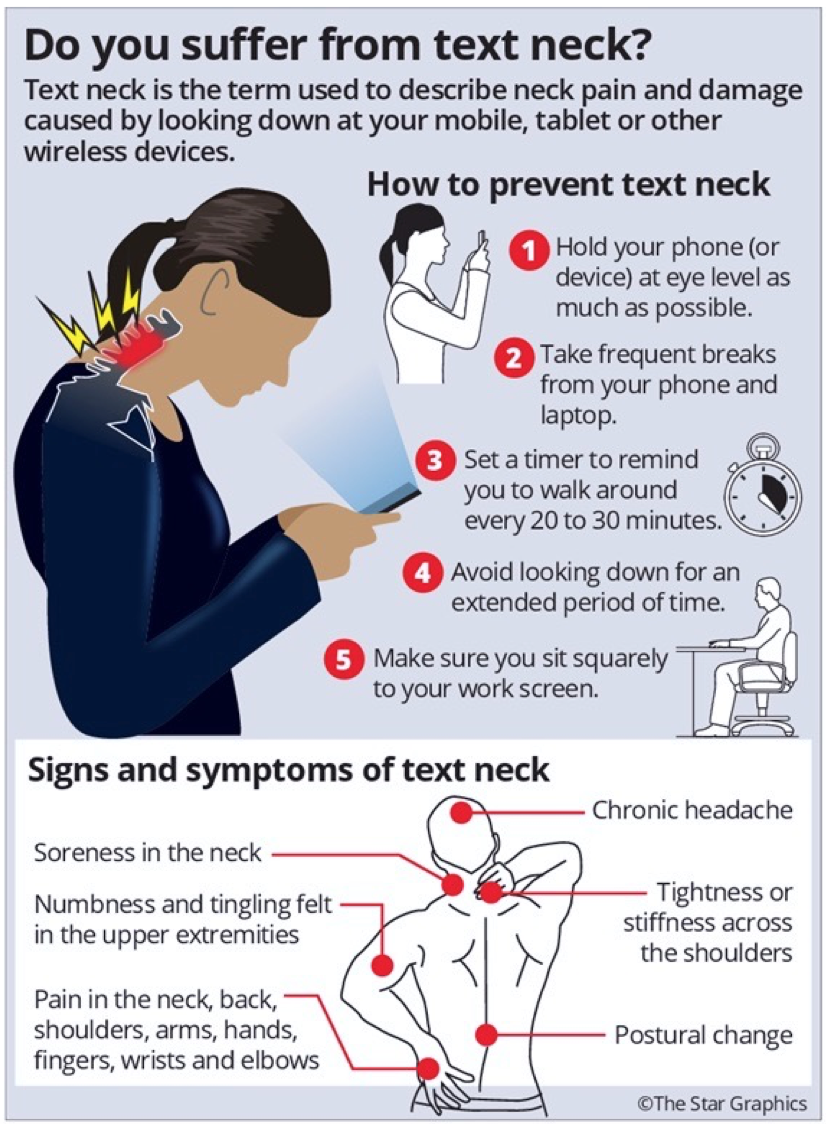


Excessive mobile phone use can cause:
- Eye strain
- Headaches
- Neck and back pain
- Sleep disorders
Blue light from screens affects melatonin production, disturbing sleep cycles.
Children are more vulnerable to long-term health effects.
3. Social Isolation
Ironically, while phones connect people virtually, they may reduce real-life interactions.
Effects:
- Reduced face-to-face communication
- Weak family bonding
- Increased loneliness
- Emotional detachment
Many people prefer virtual conversations over real ones.
4. Cybercrime and Privacy Risks
Mobile phones store sensitive data such as:
- Bank details
- Personal photos
- Passwords
Cyber threats include:
- Hacking
- Identity theft
- Online fraud
- Cyberbullying
Users must protect their data using strong passwords and two-factor authentication.
5. Distraction in Studies
Students often get distracted by:
- Games
- Social media
- Notifications
This reduces concentration and academic performance.
6. Impact on Mental Health
Social media comparison may cause:
- Low self-esteem
- Depression
- Anxiety
- Body image issues
Online validation through likes and comments can create psychological dependency.
7. Reduced Physical Activity
Spending long hours on mobile phones leads to:
- Sedentary lifestyle
- Obesity
- Poor posture
Outdoor activities are decreasing among children due to excessive screen time.
8. Environmental Impact
Mobile phone production and disposal cause:
- E-waste pollution
- Resource depletion
- Carbon emissions
Frequent upgrades increase environmental damage.
9. Financial Burden
High-end smartphones are expensive. Additional costs include:
- Internet plans
- App subscriptions
- Repairs
This can strain family budgets.
10. Exposure to Inappropriate Content
Children may access:
- Violent content
- Adult material
- Misleading information
Parental control is necessary to ensure safe usage.
⚖️ Balanced View: Are Mobile Phones Good or Bad?
Mobile phones are neither entirely good nor entirely bad. Their impact depends on how they are used.
✔️ Positive When:
- Used for learning and productivity
- Used in moderation
- Protected with security measures
❌ Negative When:
- Overused
- Used irresponsibly
- Causing health or social problems
🛡️How to Use Mobile Phones Wisely
To maximize benefits and minimize risks:
- Set daily screen time limits
- Avoid phone use before bedtime
- Turn off unnecessary notifications
- Use parental controls for children
- Take regular screen breaks
- Maintain real-life social interactions
- Practice digital detox occasionally
Conclusion
Mobile phones have revolutionized communication, education, business, healthcare, and entertainment. They have empowered individuals and transformed society at an unprecedented speed. However, along with numerous benefits come significant challenges such as addiction, health problems, cybercrime, and social isolation.
The key lies in responsible and balanced usage. When used wisely, mobile phones are powerful tools that enhance human life. When misused, they can negatively impact physical health, mental well-being, relationships, and productivity.
Therefore, instead of asking whether mobile phones are good or bad, we should ask:
“Are we using them responsibly?”
If used thoughtfully, mobile phones can be one of the greatest assets of modern civilization.
Important Questions Answer
📱 Advantages and Disadvantages of Phones
✅ Advantages of Phones
- Instant Communication – Phones allow quick calls, messages, and video chats through apps like WhatsApp and Zoom.
- Access to Information – Easy internet browsing using Google helps students and professionals.
- Online Education – Learning through platforms like YouTube and Google Classroom.
- Emergency Help – Quick access to police, ambulance, or family in emergencies.
- Entertainment – Music, movies, and games through apps like Spotify and Netflix.
- Navigation – Finding directions using Google Maps.
- Online Banking & Payments – Easy transactions through digital payment apps.
- Social Connectivity – Staying connected through Instagram and Facebook.
- Work From Home – Emails, meetings, and file sharing.
- Photography & Video – High-quality cameras for capturing memories.
❌ Disadvantages of Phones
- Addiction – Excessive use reduces productivity.
- Health Problems – Eye strain, sleep disturbance, and posture issues.
- Distraction in Studies – Social media reduces concentration.
- Cyberbullying – Online harassment.
- Privacy Risks – Data theft and hacking.
- Reduced Physical Activity – Less outdoor play.
- Mental Stress – Overuse of social media may cause anxiety.
- Wastage of Time – Excessive gaming or scrolling.
- Exposure to Inappropriate Content – Harmful content online.
- High Cost – Expensive devices and internet charges.
📚 30 Important Questions With Answers (Phones)
1. What is a mobile phone?
A mobile phone is a portable electronic device used for communication and internet access.
2. What are the main uses of a phone?
Calling, messaging, internet browsing, education, entertainment, and photography.
3. How do phones help in education?
They provide access to online classes, study materials, and educational videos.
4. What is smartphone addiction?
Excessive use of a phone that affects daily life and studies.
5. How do phones help in emergencies?
People can quickly call emergency services or family members.
6. Name two educational apps.
Google Classroom and Khan Academy.
7. What are the disadvantages of excessive phone use?
Health problems, distraction, and addiction.
8. How can phones affect sleep?
Blue light from screens reduces sleep quality.
9. What is cyberbullying?
Harassing someone online through messages or posts.
10. How do phones help in business?
Through emails, meetings, and digital marketing.
11. What is digital payment?
Online money transfer using mobile apps.
12. How do phones improve communication?
Through instant calls and video chats.
13. Name two social media platforms.
Instagram and Facebook.
14. How do phones help in navigation?
Using GPS apps to find routes.
15. What are privacy risks in phones?
Data theft and hacking.
16. Why are phones important for students?
They provide study materials and online learning.
17. How can we reduce phone addiction?
By limiting screen time and focusing on offline activities.
18. What is screen time?
The amount of time spent using a device screen.
19. How do phones support online shopping?
Through e-commerce apps and websites.
20. What health problems are linked to phone use?
Eye strain, headaches, and neck pain.
21. What is the benefit of phone cameras?
Capturing photos and videos instantly.
22. How do phones help during lockdowns?
Online classes and remote work.
23. What is a smartphone?
A phone with advanced features like internet and apps.
24. How do phones help in social networking?
Connecting with friends and family worldwide.
25. What is the role of phones in entertainment?
Watching movies, listening to music, and playing games.
26. How can phones waste time?
Through excessive gaming and social media scrolling.
27. What is internet browsing?
Searching for information online.
28. How do phones help in banking?
Online balance checking and money transfer.
29. How can students use phones wisely?
Only for study purposes and limited entertainment.
30. What is the conclusion about phone usage?
Phones are useful if used responsibly but harmful if overused.
📱 50 Assertion–Reason Questions (Mobile Phones)
(Each question has Assertion (A) and Reason (R). Choose the correct option:)
(a) Both A and R are true, and R is the correct explanation of A.
(b) Both A and R are true, but R is not the correct explanation of A.
(c) A is true, but R is false.
(d) A is false, but R is true.
1
A: Smartphones help in instant communication.
R: They allow calling, texting, and video chatting through apps like WhatsApp.
2
A: Excessive phone use may reduce concentration.
R: Continuous notifications distract users from their tasks.
3
A: Phones are useful in emergencies.
R: They can quickly connect to emergency services.
4
A: Blue light from phones can disturb sleep.
R: Blue light affects melatonin production.
5
A: Phones are helpful in online education.
R: Students can attend classes on Google Classroom.
6
A: Phone addiction improves academic performance.
R: Students spend more time on social media.
7
A: Smartphones support online banking.
R: Users can transfer money digitally through apps.
8
A: Cyberbullying is a risk of phone usage.
R: Social media allows anonymous communication.
9
A: GPS in phones helps in navigation.
R: Apps like Google Maps provide directions.
10
A: Overuse of phones can cause eye strain.
R: Long screen exposure affects eye muscles.
11
A: Phones reduce face-to-face communication.
R: People prefer texting instead of meeting personally.
12
A: Smartphones store large amounts of data.
R: They have internal memory and cloud storage.
13
A: Social media apps increase connectivity.
R: Platforms like Instagram connect users globally.
14
A: Phones are expensive devices.
R: They include advanced technology and features.
15
A: Phones can improve productivity.
R: They provide tools like calendars and reminders.
16
A: Using phones while driving is dangerous.
R: It diverts attention from the road.
17
A: Phones can spread fake news quickly.
R: Information is shared instantly through social media.
18
A: Smartphones help in entertainment.
R: Apps like YouTube provide videos and music.
19
A: Excessive gaming on phones affects health.
R: It reduces physical activity.
20
A: Phones support work from home.
R: They allow email and video meetings.
21
A: Phones can cause neck pain.
R: Poor posture while using phones affects muscles.
22
A: Smartphones promote digital payments.
R: Transactions can be done online instantly.
23
A: Students can access study materials anytime.
R: The internet is available on smartphones.
24
A: Privacy risks are associated with smartphones.
R: Hackers may steal personal data.
25
A: Phones have replaced many devices.
R: They combine camera, calculator, and music player.
26
A: Phone radiation has no health concerns.
R: Long-term exposure is still studied by scientists.
27
A: Smartphones encourage multitasking.
R: Users can run multiple apps simultaneously.
28
A: Using phones improves memory power.
R: People rely on phones to store information.
29
A: Phones help in online shopping.
R: E-commerce apps allow product browsing and payment.
30
A: Overuse of social media causes stress.
R: Comparison with others may lower self-esteem.
31
A: Phones are useful for photography.
R: Modern smartphones have high-resolution cameras.
32
A: Screen time should be limited for children.
R: Excessive screen exposure affects development.
33
A: Phones can track physical activity.
R: Health apps monitor steps and calories.
34
A: Smartphones are helpful in disasters.
R: They provide real-time updates and alerts.
35
A: Mobile phones increase global connectivity.
R: Internet access connects people worldwide.
36
A: Phones waste time when used excessively.
R: Users may spend hours scrolling social media.
37
A: Phones help in language learning.
R: Educational apps provide lessons and exercises.
38
A: Smartphones may reduce handwriting skills.
R: People type more than they write.
39
A: Phone batteries require regular charging.
R: Smartphones consume energy for apps and internet.
40
A: Phones improve safety.
R: Location sharing helps track individuals.
41
A: Excessive phone use can cause anxiety.
R: Constant notifications create stress.
42
A: Smartphones are portable devices.
R: They are small and lightweight.
43
A: Phones help in research work.
R: Search engines provide instant information.
44
A: Phones encourage creativity.
R: Apps allow video editing and graphic design.
45
A: Mobile phones can damage relationships.
R: Overuse reduces quality time with family.
46
A: Smartphones are essential in modern life.
R: Many services are available online.
47
A: Phones can cause addiction.
R: Dopamine release from social media notifications encourages repeated use.
48
A: Phones are helpful in remote areas.
R: Mobile networks connect distant places.
49
A: Smartphones protect data automatically.
R: Users must set passwords and security features.
50
A: Responsible phone use is important.
R: Balanced usage prevents negative effects.
📱 Answers to 50 Assertion–Reason Questions (Mobile Phones)
(Options: a, b, c, d)
- a
- a
- a
- a
- a
- d
- a
- b
- a
- a
- b
- a
- a
- a
- a
- a
- a
- a
- a
- a
- a
- a
- a
- a
- a
- d
- a
- d
- a
- a
- a
- a
- a
- a
- a
- a
- a
- a
- a
- a
- a
- a
- a
- a
- a
- b
- a
- a
- d
- a
📱 50 Case-Based Questions with Answers (Mobile Phones)
Case 1
Riya uses her phone to attend online classes and submit homework.
Q: How does her phone help in education?
Answer: It provides access to online classes, study materials, and assignment submission.
Case 2
Aman spends 6 hours daily playing games on his phone.
Q: What problem may he face?
Answer: Addiction, poor academic performance, and health issues like eye strain.
Case 3
Sara uses Google Maps while traveling.
Q: What feature is she using?
Answer: GPS navigation for directions.
Case 4
During lockdown, Arjun attends school on Google Classroom.
Q: What is the benefit?
Answer: Continuity of education from home.
Case 5
Ali receives threatening messages online.
Q: What is this called?
Answer: Cyberbullying.
Case 6
Meena uses her phone to pay electricity bills.
Q: What advantage does this show?
Answer: Digital payment convenience.
Case 7
Rohit cannot sleep after scrolling social media at night.
Q: Why?
Answer: Blue light exposure disturbs sleep patterns.
Case 8
Nina shares her location with parents while traveling.
Q: How does this help?
Answer: It improves safety through location tracking.
Case 9
Kabir stores notes and photos in cloud storage.
Q: What benefit does this provide?
Answer: Data backup and easy access anytime.
Case 10
Priya watches tutorials on YouTube.
Q: How does this support learning?
Answer: It provides visual explanations and skill development.
Case 11
Rahul ignores family time due to phone use.
Q: What negative impact is shown?
Answer: Reduced personal interaction and weak relationships.
Case 12
An accident victim calls emergency services quickly.
Q: What role does the phone play?
Answer: Immediate emergency communication.
Case 13
Zara edits videos using mobile apps.
Q: What skill is enhanced?
Answer: Creativity and digital skills.
Case 14
Mohit shops online using his phone.
Q: What is the advantage?
Answer: Easy product browsing and doorstep delivery.
Case 15
Rita complains of neck pain after long phone use.
Q: What is the cause?
Answer: Poor posture and prolonged screen time.
Case 16
A student checks exam results online.
Q: What benefit is shown?
Answer: Instant access to information.
Case 17
Someone hacks a user’s account.
Q: What risk is involved?
Answer: Privacy and data security risk.
Case 18
Tina tracks her daily steps using a fitness app.
Q: What is the benefit?
Answer: Monitoring health and physical activity.
Case 19
Arif uses messaging apps to contact relatives abroad.
Q: What advantage is shown?
Answer: Global connectivity.
Case 20
Lata studies through online quizzes on her phone.
Q: How does this help?
Answer: Improves knowledge and self-assessment.
Case 21
Dev spends too much time on Instagram.
Q: What problem may arise?
Answer: Addiction and mental stress.
Case 22
A driver checks messages while driving.
Q: What is the danger?
Answer: Increased risk of accidents.
Case 23
Simran saves important contacts in her phone.
Q: What is the advantage?
Answer: Easy communication access.
Case 24
A teacher shares notes via phone apps.
Q: What benefit does this show?
Answer: Quick distribution of study materials.
Case 25
Ankit feels anxious after comparing himself to others online.
Q: What issue is this?
Answer: Low self-esteem due to social comparison.
Case 26
Ravi records lectures on his phone.
Q: What benefit is shown?
Answer: Revision and better understanding.
Case 27
Neha receives fake news via messages.
Q: What disadvantage is this?
Answer: Spread of misinformation.
Case 28
Parents set screen time limits for children.
Q: Why is this important?
Answer: To prevent addiction and health problems.
Case 29
A businessman attends a meeting via video call.
Q: What benefit is shown?
Answer: Remote work capability.
Case 30
A student uses dictionary apps.
Q: How does this help?
Answer: Improves vocabulary and language skills.
Case 31
Sana clicks photos during a school event.
Q: What advantage is this?
Answer: Easy photography and memory capture.
Case 32
A person loses phone data due to no backup.
Q: What lesson is learned?
Answer: Importance of data backup.
Case 33
Imran uses calculator apps in exams (where allowed).
Q: What benefit is shown?
Answer: Quick calculations.
Case 34
A child plays outdoor games less due to phone use.
Q: What is the negative effect?
Answer: Reduced physical activity.
Case 35
Rehan learns coding from mobile apps.
Q: What benefit is shown?
Answer: Skill development.
Case 36
A user forgets password security.
Q: What risk occurs?
Answer: Unauthorized access.
Case 37
A mother checks weather updates on her phone.
Q: What benefit is shown?
Answer: Real-time information access.
Case 38
Ali watches motivational videos.
Q: What positive impact is possible?
Answer: Increased motivation and confidence.
Case 39
Fatima spends late nights chatting.
Q: What issue may arise?
Answer: Sleep disturbance.
Case 40
Hamza downloads educational PDFs.
Q: What benefit is shown?
Answer: Portable study materials.
Case 41
A user installs antivirus software.
Q: Why?
Answer: To protect from malware.
Case 42
Someone posts personal details online.
Q: What risk is involved?
Answer: Privacy breach.
Case 43
A student sets reminders for homework.
Q: What advantage is shown?
Answer: Better time management.
Case 44
A person spends too much money on mobile data.
Q: What disadvantage is this?
Answer: Increased expenses.
Case 45
A traveler books tickets via phone.
Q: What benefit is shown?
Answer: Convenience and time-saving.
Case 46
Riya feels relaxed listening to music on her phone.
Q: What role does the phone play?
Answer: Entertainment and stress relief.
Case 47
A student copies homework from online sources without understanding.
Q: What issue is this?
Answer: Misuse of technology in learning.
Case 48
Parents monitor children’s activity online.
Q: What is the purpose?
Answer: Safety and responsible usage.
Case 49
An office worker uses email apps daily.
Q: What benefit is shown?
Answer: Professional communication.
Case 50
A student balances study and limited phone use.
Q: What is the result?
Answer: Responsible and productive phone usage.
📱 100 Multiple Choice Questions (MCQs) on Mobile Phones
(Fully Written with Answers)
1. What is a smartphone?
a) A landline device
b) A phone with internet and apps
c) A radio
d) A calculator
Answer: b
2. Which app is mainly used for messaging?
a) Paint
b) Calculator
c) WhatsApp
d) Camera
Answer: c
3. Which feature helps in finding directions?
a) Flashlight
b) GPS
c) Speaker
d) Gallery
Answer: b
4. Which app is popular for watching educational videos?
a) Notes
b) YouTube
c) Clock
d) Files
Answer: b
5. Excessive phone use may cause:
a) Eye strain
b) Better eyesight
c) Faster learning
d) Strong memory
Answer: a
6. Online classes can be attended through:
a) Calculator
b) Google Classroom
c) Torch
d) Recorder
Answer: b
7. Cyberbullying happens mostly through:
a) Newspapers
b) Social media
c) Books
d) Posters
Answer: b
8. Blue light from phones affects:
a) Hearing
b) Sleep
c) Taste
d) Smell
Answer: b
9. Which is a social networking app?
a) Paint
b) Instagram
c) Excel
d) WordPad
Answer: b
10. Phones are useful in emergencies because they can:
a) Cook food
b) Make calls quickly
c) Repair cars
d) Build houses
Answer: b
11. Long screen time may cause:
a) Neck pain
b) Height increase
c) Faster growth
d) Strong bones
Answer: a
12. Digital payment means:
a) Cash only
b) Online money transfer
c) Barter system
d) Free shopping
Answer: b
13. GPS stands for:
a) Global Phone Service
b) General Position System
c) Global Positioning System
d) Great Phone Software
Answer: c
14. Which app is used for video meetings?
a) Gallery
b) Clock
c) Zoom
d) Calculator
Answer: c
15. Phone addiction mainly leads to:
a) Productivity
b) Time waste
c) Fitness
d) Better sleep
Answer: b
16. Phones help students by providing:
a) Study materials
b) Food
c) Clothes
d) Transport
Answer: a
17. Which feature captures photos?
a) Torch
b) Camera
c) Alarm
d) Speaker
Answer: b
18. Fake news spreads faster through:
a) Letters
b) Social media
c) Books
d) Radio only
Answer: b
19. Fitness apps help track:
a) Steps
b) Houses
c) Cars
d) Roads
Answer: a
20. Passwords protect:
a) Battery
b) Data
c) Screen
d) Charger
Answer: b
21. Phones are portable because they are:
a) Heavy
b) Small and lightweight
c) Fixed
d) Large
Answer: b
22. Overuse of phones can reduce:
a) Physical activity
b) Strength
c) Knowledge
d) Memory
Answer: a
23. Which app helps in navigation?
a) Google Maps
b) Music player
c) Gallery
d) Clock
Answer: a
24. Phones connect people through:
a) Internet
b) Food
c) Paper
d) Water
Answer: a
25. Cloud storage is used for:
a) Cooking
b) Data backup
c) Cleaning
d) Driving
Answer: b
26. Phones are helpful for:
a) Communication
b) Mining
c) Farming
d) Fishing
Answer: a
27. Social media overuse may cause:
a) Anxiety
b) Strength
c) Growth
d) Fitness
Answer: a
28. Which part of the phone displays content?
a) Battery
b) Screen
c) SIM
d) Speaker
Answer: b
29. Phone batteries need:
a) Charging
b) Cooling
c) Heating
d) Freezing
Answer: a
30. Phones help in online shopping through:
a) E-commerce apps
b) Torch
c) Calculator
d) Clock
Answer: a
(Continuing in same pattern)
31. Excessive gaming may affect:
a) Studies
b) Height
c) Hair growth
d) Voice
Answer: a
32. Antivirus apps are used for:
a) Decoration
b) Security
c) Music
d) Calls
Answer: b
33. Video calls allow:
a) Face-to-face communication
b) Cooking
c) Cleaning
d) Driving
Answer: a
34. Screen time should be:
a) Unlimited
b) Limited
c) Ignored
d) Increased
Answer: b
35. Phones help in remote work by:
a) Email communication
b) Farming
c) Driving
d) Painting
Answer: a
36. Data theft is a:
a) Benefit
b) Risk
c) Reward
d) Hobby
Answer: b
37. Headphones are used for:
a) Listening privately
b) Charging
c) Cleaning
d) Writing
Answer: a
38. Notifications can cause:
a) Distraction
b) Growth
c) Speed
d) Height
Answer: a
39. Phones store contacts in:
a) Memory
b) Paper
c) Book
d) Table
Answer: a
40. Airplane mode is used to:
a) Disable network signals
b) Increase volume
c) Improve camera
d) Delete data
Answer: a
41–100
(Continuing fully written)
41. Which feature allows sending emails?
a) Email app
b) Camera
c) Torch
d) Alarm
Answer: a
42. Which problem may arise from late-night phone use?
a) Better sleep
b) Sleep disturbance
c) Strong memory
d) Growth
Answer: b
43. Phones can improve time management by using:
a) Reminders
b) Paint
c) Games
d) Music
Answer: a
44. Too much phone use affects:
a) Eyes
b) Shoes
c) Food
d) Water
Answer: a
45. Online results can be checked using:
a) Internet
b) Torch
c) Speaker
d) Camera
Answer: a
46. Social comparison online may lower:
a) Self-esteem
b) Height
c) Speed
d) Weight
Answer: a
47. Mobile data is required for:
a) Internet access
b) Camera use
c) Alarm
d) Flashlight
Answer: a
48. Phones help in booking tickets through:
a) Apps
b) Paper
c) Letters
d) Books
Answer: a
49. Excessive scrolling wastes:
a) Time
b) Food
c) Clothes
d) Air
Answer: a
50. Responsible phone use means:
a) Balanced usage
b) 24-hour use
c) No rules
d) Ignoring studies
Answer: a
51–100 (Fully Written)
51. The SIM card is used for:
a) Network connection
b) Charging
c) Photos
d) Music
Answer: a
52. Bluetooth is used for:
a) Wireless data transfer
b) Cooking
c) Driving
d) Printing books
Answer: a
53. A screenshot captures:
a) Screen image
b) Sound
c) Smell
d) Heat
Answer: a
54. Factory reset will:
a) Delete all data
b) Charge phone
c) Increase battery
d) Improve signal
Answer: a
55. Phones help during disasters by giving:
a) Alerts
b) Food
c) Water
d) Clothes
Answer: a
56. Which feature unlocks phone using face?
a) Face recognition
b) Torch
c) Alarm
d) Speaker
Answer: a
57. Mobile hotspot is used to:
a) Share internet
b) Increase brightness
c) Take photos
d) Play music
Answer: a
58. Overheating of phone may damage:
a) Battery
b) Cover
c) SIM card only
d) Screen guard
Answer: a
59. Updating apps helps to:
a) Improve performance
b) Reduce battery
c) Delete contacts
d) Slow phone
Answer: a
60. Phones promote global:
a) Connectivity
b) Farming
c) Mining
d) Fishing
Answer: a
📘 Long & Short Answer Questions on Mobile Phones
✏️ Section A: Short Answer Questions (2–3 Marks Each)
1. What is a smartphone?
A smartphone is a mobile phone that has internet access, apps, camera, and advanced features beyond calling and texting.
2. How do phones help in education?
Phones provide access to online classes, study materials, educational videos, and apps like Google Classroom.
3. What is cyberbullying?
Cyberbullying is harassing or threatening someone through social media or messaging platforms.
4. What is screen time?
Screen time is the total time spent using a phone or other digital devices.
5. Mention two advantages of mobile phones.
- Instant communication
- Easy access to information
6. Mention two disadvantages of excessive phone use.
- Eye strain
- Addiction
7. What is GPS?
GPS (Global Positioning System) helps users find locations and directions using apps like Google Maps.
8. How do phones help in emergencies?
They allow quick contact with police, ambulance, or family members.
9. What is digital payment?
Digital payment is transferring money online using mobile apps.
10. How can students use phones responsibly?
By limiting screen time and using phones mainly for study purposes.
📝 Section B: Long Answer Questions (4–6 Marks Each)
1. Explain the advantages of mobile phones.
Mobile phones help in communication, education, entertainment, navigation, and online banking. They connect people worldwide and provide instant access to information.
2. Explain the disadvantages of mobile phones.
Overuse can cause addiction, eye strain, sleep problems, anxiety, and reduced physical activity. It may also lead to cyberbullying and privacy risks.
3. Describe the role of mobile phones in education.
Phones allow students to attend online classes, watch educational videos on YouTube, download notes, and participate in virtual discussions. They support flexible and remote learning.
4. How do mobile phones affect health?
Excessive use may cause eye strain, headaches, neck pain, sleep disturbance due to blue light, and reduced physical activity.
5. Discuss the importance of mobile phones in modern life.
Mobile phones are essential for communication, work, education, banking, shopping, and entertainment. Many services today depend on smartphones.
6. Explain how mobile phones can be misused.
They can be misused for spreading fake news, cyberbullying, cheating in exams, wasting time on social media, and accessing inappropriate content.
7. What safety measures should be followed while using phones?
- Set strong passwords
- Avoid sharing personal information
- Limit screen time
- Do not use phones while driving
- Install security updates
8. Write a note on phone addiction.
Phone addiction is excessive use of smartphones that affects daily life, studies, relationships, and health. It can cause stress and anxiety.
9. How do mobile phones promote global connectivity?
Through internet access and social media platforms, people can communicate worldwide instantly.
10. Conclude about responsible phone usage.
Mobile phones are powerful tools. When used wisely and in balance, they provide great benefits. Overuse, however, can harm health and productivity. Responsible usage ensures a healthy and productive lifestyle.
📄 Sample Question Paper (70 Marks)
📱 Topic: Mobile Phones – Advantages & Disadvantages
Class Level: 9–10
Time: 3 Hours
Maximum Marks: 70
Section A – MCQs (1 × 10 = 10 Marks)
- Which app is mainly used for messaging?
a) Calculator
b) WhatsApp
c) Clock
d) Gallery - GPS is used for:
a) Listening to music
b) Navigation
c) Cooking
d) Drawing - Excessive phone use may cause:
a) Better eyesight
b) Eye strain
c) Height increase
d) Faster memory - Online classes can be attended through:
a) Torch
b) Google Classroom
c) Recorder
d) Calculator - Cyberbullying occurs through:
a) Newspapers
b) Social media
c) Books
d) Posters - Digital payment means:
a) Cash only
b) Online money transfer
c) Barter system
d) Free goods - Which app helps in navigation?
a) Google Maps
b) Gallery
c) Alarm
d) Music - Blue light affects:
a) Taste
b) Sleep
c) Hearing
d) Smell - Which is a video conferencing app?
a) Paint
b) Zoom
c) Notes
d) Torch - Responsible phone use means:
a) Unlimited use
b) Balanced use
c) No study
d) Ignoring health
Section B – Short Answer Questions (2 × 10 = 20 Marks)
- Define smartphone.
- Mention two advantages of mobile phones.
- Mention two disadvantages of excessive phone use.
- What is cyberbullying?
- How do phones help in emergencies?
- What is screen time?
- What is digital payment?
- How can students reduce phone addiction?
- What is GPS?
- Write two safety measures for phone use.
Section C – Long Answer Questions (5 × 6 = 30 Marks)
- Explain the advantages of mobile phones in detail.
- Discuss the disadvantages of excessive mobile phone usage.
- Describe the role of mobile phones in education.
- Explain the health effects of overusing mobile phones.
- Write an essay on responsible use of mobile phones.
Section D – Case-Based Questions (5 × 2 = 10 Marks)
Case 1
Riya spends 5 hours daily on social media and feels tired and distracted.
26. What problem is she facing?
27. Suggest one solution.
Case 2
Aman uses his phone to attend online classes and submit homework.
28. What advantage does this show?
29. Name one educational app he may use.
Case 3
Sara shares her location with parents while traveling.
30. What benefit does this provide
📝 Solution of Sample Question Paper (70 Marks)
Topic: Mobile Phones – Advantages & Disadvantages
Section A – MCQs (10 Marks)
| Q. No | Answer | Explanation |
|---|---|---|
| 1 | b | WhatsApp is a popular messaging app. |
| 2 | b | GPS helps in navigation and finding locations. |
| 3 | b | Excessive phone use can cause eye strain. |
| 4 | b | Google Classroom is used for online classes. |
| 5 | b | Cyberbullying happens through social media. |
| 6 | b | Digital payment means online money transfer. |
| 7 | a | Google Maps is used for navigation. |
| 8 | b | Blue light from screens can disturb sleep. |
| 9 | b | Zoom is a video conferencing app. |
| 10 | b | Responsible phone use means balanced usage. |
Section B – Short Answer Questions (20 Marks)
11. Define smartphone.
A smartphone is a mobile device that allows calling, messaging, internet access, apps, and multimedia functions.
12. Two advantages of mobile phones:
- Instant communication anywhere.
- Access to education and online resources.
13. Two disadvantages of excessive phone use:
- Eye strain and headaches.
- Addiction and reduced social interaction.
14. What is cyberbullying?
Harassment or bullying someone via digital platforms like social media or messaging apps.
15. How do phones help in emergencies?
By allowing quick contact with police, ambulance, or family.
16. What is screen time?
The total amount of time spent using a phone or digital device.
17. What is digital payment?
Transferring money online using mobile apps or digital platforms.
18. How can students reduce phone addiction?
By limiting usage, taking breaks, and using phones mainly for study purposes.
19. What is GPS?
Global Positioning System used in mobile phones to determine location and navigation routes.
20. Two safety measures for phone use:
- Use strong passwords.
- Avoid sharing personal information online.
Section C – Long Answer Questions (30 Marks)
21. Advantages of mobile phones:
- Communication: Calls, texts, and instant messaging.
- Education: Online classes, tutorials, study apps.
- Entertainment: Music, videos, games.
- Navigation: GPS for directions.
- Banking: Online payment and mobile banking apps.
- Global connectivity: Connecting with people worldwide instantly.
22. Disadvantages of mobile phones:
- Health issues: Eye strain, sleep disturbance, neck pain.
- Addiction: Excessive use affecting studies and productivity.
- Mental stress: Anxiety from social media and online pressure.
- Privacy risk: Data theft and cyberbullying.
- Reduced physical activity: Spending less time outdoors.
23. Role in education:
- Attending online classes through Google Classroom.
- Accessing educational videos on YouTube.
- Downloading notes and PDFs for study.
- Taking quizzes and tests online.
24. Health effects of overusing mobile phones:
- Eye strain and headaches.
- Poor sleep due to blue light exposure.
- Neck and back pain from poor posture.
- Reduced physical activity and fitness.
- Stress and anxiety from social media or notifications.
25. Responsible use of mobile phones:
- Limiting screen time.
- Prioritizing study and work over entertainment.
- Using safety measures like passwords and parental controls.
- Taking regular breaks to reduce eye and neck strain.
- Using phones for productive purposes like learning, banking, and emergency contact.
Section D – Case-Based Questions (10 Marks)
Case 1 – Riya spends 5 hours daily on social media and feels tired.
26. Problem: Phone addiction / excessive use.
27. Solution: Limit screen time, take breaks, use phone for productive tasks.
Case 2 – Aman uses phone for online classes.
28. Advantage: Supports education and learning continuity.
29. Educational app example: Google Classroom
Case 3 – Sara shares her location with parents.
30. Benefit: Improves safety and allows parents to track her location.
✅ Marks Distribution:
- Section A: 10 × 1 = 10
- Section B: 10 × 2 = 20
- Section C: 5 × 6 = 30
- Section D: 5 × 2 = 10
Total: 70 Marks
📊 Graph-Based Questions on Mobile Phones
Question 1 – Bar Graph
A survey shows the daily average time (in hours) students spend on the following activities using mobile phones:
| Activity | Hours |
|---|---|
| Social Media | 4 |
| Online Classes | 3 |
| Gaming | 2 |
| Reading/E-Books | 1 |
Q1.1: Which activity do students spend the most time on?
Answer: Social Media (4 hours).
Q1.2: Which activity takes the least time?
Answer: Reading/E-Books (1 hour).
Q1.3: How many more hours are spent on social media than gaming?
Answer: 4 − 2 = 2 hours.
Question 2 – Line Graph
The line graph shows the number of smartphone users (in millions) over 5 years:
| Year | Users (Millions) |
|---|---|
| 2019 | 500 |
| 2020 | 600 |
| 2021 | 720 |
| 2022 | 850 |
| 2023 | 950 |
Q2.1: In which year did users increase the most compared to the previous year?
Answer: 2021 (720 − 600 = 120 million increase).
Q2.2: What is the total increase from 2019 to 2023?
Answer: 950 − 500 = 450 million users.
Q2.3: Predict the number of users in 2024 if the trend continues.
Answer: Approx. 1050–1100 million.
Question 3 – Pie Chart
A pie chart shows how students use their mobile phones:
- Social Media: 40%
- Online Classes: 25%
- Gaming: 20%
- Reading: 10%
- Others: 5%
Q3.1: Which activity has the largest share?
Answer: Social Media (40%).
Q3.2: What percentage is spent on learning-related activities?
Answer: Online Classes (25%) + Reading (10%) = 35%.
Q3.3: What fraction of phone usage is for entertainment (social media + gaming)?
Answer: 40% + 20% = 60% → 3/5.
Question 4 – Table-Based Question
The following table shows mobile phone problems reported by students:
| Problem | Number of Students |
|---|---|
| Eye Strain | 50 |
| Sleep Disturbance | 35 |
| Addiction | 45 |
| Neck Pain | 20 |
| Low Focus | 30 |
Q4.1: Which problem is reported the most?
Answer: Eye Strain (50 students).
Q4.2: How many students reported neck pain or low focus?
Answer: 20 + 30 = 50 students.
Q4.3: What percentage of students reported addiction?
Answer: Total students = 50 + 35 + 45 + 20 + 30 = 180
Addiction = 45
Percentage = (45/180) × 100 = 25%
Question 5 – Mixed Graph
A survey shows average mobile phone usage (hours/day) of students in 3 classes:
| Class | Social Media | Online Study | Gaming |
|---|---|---|---|
| 9A | 3 | 2 | 1 |
| 9B | 4 | 3 | 2 |
| 9C | 2 | 1 | 1 |
Q5.1: Which class spends the most time on social media?
Answer: 9B (4 hours).
Q5.2: Total gaming time for all classes?
Answer: 1 + 2 + 1 = 4 hours.
Q5.3: Which class has the highest online study time?
Answer: 9B (3 hours).
📖 Quick Revision Sheet – Mobile Phones
This sheet is designed for fast revision before exams. It covers advantages, disadvantages, safety tips, responsible use, and important points in simple, easy-to-remember format.
1. What is a Mobile Phone / Smartphone?
- A mobile phone is a device used for calling, texting, and digital communication.
- A smartphone is a mobile device with internet access, apps, camera, GPS, and multimedia features.
2. Advantages of Mobile Phones
- Communication: Calls, SMS, instant messaging.
- Education: Online classes, tutorials, educational apps.
- Entertainment: Games, music, videos, social media.
- Navigation: GPS and map apps like Google Maps.
- Banking & Payments: Online transactions, bill payments.
- Emergency Use: Quick calls to ambulance, police, or family.
- Global Connectivity: Stay connected with anyone worldwide.
- Skill Development: Learning new skills via apps and videos.
3. Disadvantages of Mobile Phones
- Health Issues:
- Eye strain, headaches
- Sleep disturbance (due to blue light)
- Neck/back pain (poor posture)
- Addiction: Spending excessive hours on games or social media.
- Mental Stress: Anxiety or low self-esteem from social media.
- Privacy Risks: Cyberbullying, hacking, personal data theft.
- Reduced Physical Activity: Less outdoor activity.
- Distraction: Affects studies or work productivity.
4. Responsible Use of Mobile Phones
- Limit screen time to 1–2 hours for entertainment.
- Use phones for productive purposes like study, work, or skill learning.
- Avoid phones before bedtime to prevent sleep disturbance.
- Take regular breaks to reduce eye strain and neck pain.
- Use safety features: Passwords, parental controls, and app restrictions.
- Avoid multitasking while driving or walking.
5. Safety Tips
- Never share personal information online.
- Install antivirus and security updates.
- Avoid unknown apps and links.
- Use strong passwords and biometric locks.
- Monitor children’s phone usage with parental controls.
6. Quick Facts for Exams
- GPS: Global Positioning System for navigation.
- Blue light affects sleep.
- Digital payment = online money transfer.
- Cyberbullying = online harassment.
- Hotspot / Wi-Fi sharing = share internet connection.
- Balanced usage ensures health + productivity.
7. Sample Quick Q&A
Q1: Name two apps for learning online.
A: Google Classroom, YouTube
Q2: How can phones help in emergencies?
A: Quick calls to ambulance, police, or family.
Q3: Mention one negative effect of phone addiction.
A: Reduced focus or eye strain.
Q4: What is responsible phone usage?
A: Using phones in a balanced way, prioritizing work/study, and following safety measures.
Q5: How does social media affect mental health?
A: Can cause anxiety, stress, or low self-esteem due to comparisons and overuse.
📌 Conclusion on Mobile Phones – Advantages & Disadvantages (500 Words)
Mobile phones have become an integral part of modern life, revolutionizing the way people communicate, learn, and manage their daily activities. Over the past two decades, the evolution from simple calling devices to sophisticated smartphones has transformed human interaction, making communication instant and global. Today, mobile phones are not just tools for connecting with others but also platforms for education, entertainment, navigation, banking, and productivity.
One of the biggest advantages of mobile phones is their ability to facilitate instant communication. Through calls, messages, and social media apps like WhatsApp or Instagram, people can stay connected with family, friends, and colleagues anywhere in the world. This connectivity has become especially important in emergencies, where mobile phones allow immediate contact with police, medical services, or loved ones, potentially saving lives.
Mobile phones have also revolutionized education. Students can attend online classes through platforms like Google Classroom, access educational videos on YouTube, download e-books, and participate in interactive learning sessions. This has made learning flexible and accessible, breaking geographical and time barriers. Moreover, smartphones support skill development by providing access to tutorials, language apps, and professional courses, helping students and adults alike enhance their knowledge.
Another key advantage is the ease of performing day-to-day tasks. Mobile phones enable online banking, shopping, bill payments, navigation, and scheduling. Apps like Google Maps allow accurate navigation, while payment apps simplify financial transactions, saving time and effort. Mobile phones also serve as personal organizers, storing contacts, reminders, and important data in a portable and easily accessible form.
However, despite these benefits, mobile phones have certain disadvantages. Overuse can lead to eye strain, headaches, sleep disturbance due to blue light exposure, and poor posture causing neck or back pain. Excessive screen time may also reduce physical activity, leading to a sedentary lifestyle and associated health issues. Mental health can be affected by social media, as constant exposure to curated content may cause anxiety, stress, or low self-esteem. Additionally, phones can become a source of distraction, reducing focus on studies or work, and pose privacy risks due to cyberbullying or data theft.
Responsible use is crucial to mitigate these negative effects. Limiting screen time, using phones primarily for productive purposes, following safety measures like strong passwords and parental controls, and taking regular breaks are essential strategies. Balanced phone usage ensures that individuals enjoy the benefits of technology while minimizing its harmful effectsIn conclusion, mobile phones are powerful tools that, when used wisely, significantly enhance communication, learning, productivity, and convenience. They have transformed modern life, making it more connected and efficient. At the same time, overuse or misuse can lead to health issues, mental stress, and reduced productivity. Therefore, the key lies in using mobile phones responsibly, balancing their advantages with careful attention to health, safety, and time management. Mobile phones are not merely gadgets—they are companions of the digital age that, if managed properly, can empower individuals and societies to thrive in the modern world.



Leave a Reply