


Introduction
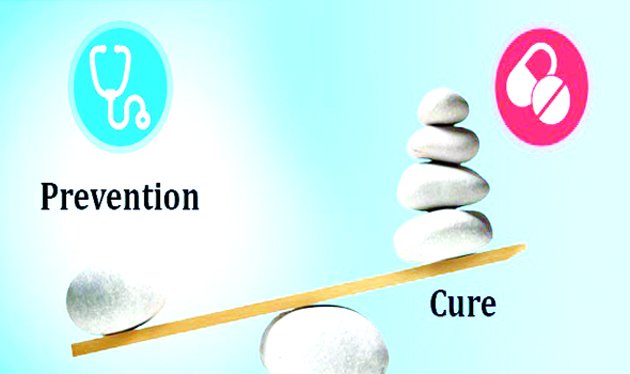
The proverb “Prevention is better than cure” is one of the most important principles of healthy living and wise decision-making. It means that it is far more beneficial, easier, and less costly to stop a problem from happening than to deal with its consequences later. Whether related to health, environment, society, education, or personal life, prevention helps avoid suffering, loss, and damage before they occur.
In modern society, where lifestyle diseases, pollution, stress, and global health risks are increasing, this principle has become more relevant than ever. Preventive measures protect individuals, families, and communities from harm and ensure long-term well-being.
Meaning of the Proverb
- Prevention means taking actions beforehand to avoid disease, danger, or problems.
- Cure means treating or solving a problem after it has already occurred.
The proverb teaches that early care and caution save time, money, effort, and even lives.
Example:
- Maintaining hygiene prevents illness.
- Studying regularly prevents exam stress.
- Following traffic rules prevents accidents.
Importance of Prevention in Health
Health is the area where this proverb is most clearly applied.
1. Prevention of Diseases
Many diseases can be avoided through simple preventive steps:
- Vaccination protects against infections.
- Balanced diet strengthens immunity.
- Regular exercise prevents obesity and heart disease.
- Clean drinking water prevents waterborne diseases.
Preventive healthcare reduces the chances of serious illnesses such as diabetes, hypertension, and respiratory diseases.
2. Cost-Effectiveness
Treatment of diseases often requires expensive medicines, hospital stays, and long recovery periods. Prevention costs much less.
Example:
- Regular health checkups cost less than surgery or long-term treatment.
3. Better Quality of Life
Preventive habits help people live longer, healthier, and more productive lives. Healthy individuals can contribute more effectively to society.
Types of Prevention in Healthcare
1. Primary Prevention
Stopping disease before it starts:
- Immunization
- Healthy lifestyle
- Proper sanitation
- Avoiding smoking and alcohol
2. Secondary Prevention
Detecting disease early:
- Regular medical screenings
- Early diagnosis
- Routine checkups
3. Tertiary Prevention
Reducing complications after disease:
- Rehabilitation
- Physiotherapy
- Lifestyle management
Prevention in Daily Life
The principle applies beyond health.
1. Education
- Regular study prevents last-minute pressure.
- Discipline prevents academic failure.
2. Environment
- Planting trees prevents climate imbalance.
- Waste management prevents pollution.
3. Safety and Accidents
- Wearing helmets and seat belts prevents serious injuries.
- Fire safety measures prevent disasters.
4. Financial Management
- Saving money prevents future financial crises.
- Insurance protects against unexpected losses.
Role of Prevention in Public Health
Governments and organizations focus increasingly on preventive strategies.
Examples:
- Awareness campaigns about hygiene and sanitation.
- Vaccination drives.
- Nutrition programs.
- Clean water and sanitation initiatives.
Preventive healthcare reduces pressure on hospitals and improves national productivity.
Psychological and Social Prevention
Prevention also applies to mental and social well-being.
Mental Health
- Stress management prevents anxiety and depression.
- Healthy relationships prevent emotional problems.
- Work-life balance prevents burnout.
Social Problems
- Education prevents crime.
- Awareness prevents substance abuse.
- Moral values prevent social conflicts.
Advantages of Prevention
- Saves lives.
- Reduces medical expenses.
- Minimizes suffering.
- Improves productivity.
- Protects communities.
- Promotes long-term sustainability.
Examples from Real Life
- Washing hands regularly prevents infections.
- Vaccines prevent deadly diseases like polio.
- Regular exercise prevents lifestyle disorders.
- Early disaster warnings prevent loss of life.
Limitations of Cure Compared to Prevention
- Treatment may not fully restore health.
- Some diseases have no complete cure.
- Recovery takes time and emotional effort.
- Medical treatment can be financially burdensome.
Thus, relying only on cure is risky, while prevention provides safety.
Role of Individuals and Society
Individual Responsibilities
- Maintain hygiene and nutrition.
- Exercise regularly.
- Avoid harmful habits.
- Follow safety rules.
Societal Responsibilities
- Promote health education.
- Provide clean environments.
- Encourage preventive healthcare policies.
Modern Relevance
In today’s world:
- Lifestyle diseases are increasing.
- Environmental threats are growing.
- Global pandemics show the importance of prevention.
Preventive awareness, early action, and responsible behavior are essential for sustainable development.
Conclusion
“Prevention is better than cure” is not just a proverb but a universal life principle. Preventive action protects health, saves resources, and ensures happiness and stability. While cures aim to repair damage, prevention stops damage from occurring in the first place. A society that prioritizes prevention becomes healthier, safer, and more prosperous.
By adopting healthy habits, promoting awareness, and acting responsibly, individuals and communities can build a future where problems are minimized before they arise. Therefore, prevention should always be considered the first and most powerful step toward a healthy and successful life.
In conclusion, the principle “Prevention is better than cure” represents one of the most practical and timeless truths guiding human life. It emphasizes foresight, responsibility, and wisdom in dealing with challenges before they grow into serious problems. Prevention does not merely refer to avoiding illness; it reflects a complete philosophy of living carefully, planning ahead, and protecting oneself and society from avoidable harm.
From a health perspective, prevention plays a vital role in ensuring long and healthy lives. Modern medical science clearly shows that many serious diseases such as heart disease, diabetes, obesity, and infections develop mainly due to unhealthy lifestyles and lack of awareness. Simple preventive measures — balanced nutrition, regular exercise, vaccination, hygiene, adequate sleep, and routine health checkups — can significantly reduce the risk of illness. When people adopt preventive habits, hospitals become less burdened, healthcare costs decrease, and communities become stronger. Prevention therefore supports not only individual health but also national development by maintaining a productive population.
Economically, prevention is far more beneficial than treatment. Medical care, disaster recovery, or repairing damage after problems occur requires enormous financial resources. Preventive actions, on the other hand, are usually simple and inexpensive. For example, maintaining sanitation costs far less than treating widespread disease outbreaks; saving money regularly prevents financial crises later in life. Thus, prevention protects both personal and national economies by reducing unnecessary expenditure.
The importance of prevention also extends to education and personal development. Students who study consistently prevent stress, anxiety, and academic failure. Discipline, time management, and early preparation help individuals avoid future difficulties. Similarly, developing good habits in childhood prevents harmful behaviors in adulthood. Prevention, therefore, shapes character and builds responsible citizens.
In the social and environmental context, preventive thinking is essential for sustainable development. Environmental degradation, pollution, and climate change are often consequences of neglecting preventive measures. Planting trees, conserving resources, reducing waste, and using sustainable practices prevent ecological crises that would otherwise be difficult or impossible to reverse. Social problems such as crime, substance abuse, and conflict can also be minimized through education, awareness, moral values, and strong community support systems.
Mental and emotional well-being further highlight the importance of prevention. Stress management, positive relationships, emotional awareness, and balanced lifestyles help prevent mental health problems like anxiety and depression. Preventive care in mental health ensures stability, happiness, and improved quality of life, proving that prevention is not limited to physical health alone.
Another important aspect is safety and risk management. Following traffic rules, using safety equipment, maintaining fire precautions, and preparing for natural disasters prevent injuries and loss of life. These small acts of caution demonstrate how prevention saves lives long before any cure becomes necessary.
Moreover, prevention encourages a culture of awareness and responsibility. It teaches individuals to think ahead, evaluate risks, and make wise decisions. Societies that focus on prevention become more resilient, organized, and secure because they address root causes rather than temporary solutions. Cure deals only with consequences, whereas prevention eliminates the source of problems.
In today’s fast-changing world, marked by global health challenges, environmental threats, and lifestyle pressures, the relevance of prevention has increased tremendously. The experiences of modern societies clearly show that waiting for problems to arise often leads to irreversible damage. Preventive education, early intervention, and collective responsibility are therefore essential for building a healthier and safer future.
Ultimately, prevention represents wisdom in action. It saves time, money, effort, and human suffering while promoting long-term well-being and progress. A preventive approach empowers individuals to take control of their lives and encourages societies to prioritize sustainability and care. When people adopt preventive habits in health, education, environment, and daily conduct, they create a foundation for peace, prosperity, and happiness.
Therefore, the message of “Prevention is better than cure” should not remain merely a proverb but should become a guiding principle of everyday life. By choosing prevention today, humanity ensures a safer, healthier, and more secure tomorrow.
Prevention is Better Than Cure — Short Notes & Revision Sheet
✅ SHORT NOTES
1. Meaning
- “Prevention is better than cure” means it is wiser to stop problems before they occur rather than solving them later.
- Preventive action saves time, money, effort, and lives.
2. Key Idea
- Prevention focuses on care, awareness, and early action.
- Cure focuses on treatment after damage happens.
- Prevention reduces risk; cure reduces suffering after harm.
3. Importance in Health
- Prevents diseases and infections.
- Improves immunity and physical fitness.
- Reduces medical expenses.
- Increases life expectancy and quality of life.
Examples:
- Vaccination
- Healthy diet
- Exercise
- Clean hygiene habits
- Regular health checkups
4. Types of Prevention
- Primary Prevention – Stop disease before it starts
(vaccination, sanitation, healthy lifestyle) - Secondary Prevention – Early detection
(medical screening, diagnosis) - Tertiary Prevention – Reduce complications
(rehabilitation, proper treatment management)
5. Prevention in Daily Life
- Education: Regular study prevents exam stress.
- Safety: Helmets and seatbelts prevent injuries.
- Finance: Savings prevent financial crises.
- Environment: Pollution control prevents climate damage.
6. Social Importance
- Awareness reduces crime and substance abuse.
- Moral education prevents social conflicts.
- Preventive policies strengthen society.
7. Mental Health Prevention
- Stress management
- Positive thinking
- Work–life balance
- Healthy relationships
8. Advantages of Prevention
- Saves lives
- Less expensive
- Reduces suffering
- Improves productivity
- Promotes long-term well-being
9. Limitations of Cure
- Expensive treatment
- Long recovery time
- Sometimes no complete cure
- Emotional and physical stress
10. Role of Individuals
- Maintain hygiene
- Eat balanced diet
- Exercise regularly
- Avoid harmful habits
- Follow safety rules
11. Role of Government & Society
- Health awareness programs
- Vaccination campaigns
- Clean environment initiatives
- Public safety regulations
📘 ULTRA REVISION SHEET (EXAM READY)
⭐ One-Line Definition
Prevention means taking early action to avoid problems before they arise.
⭐ Core Message
👉 Early care is easier and cheaper than later treatment.
⭐ Keywords (Important for Exams)
- Preventive healthcare
- Awareness
- Hygiene
- Immunization
- Early detection
- Healthy lifestyle
- Safety measures
- Sustainability
- Responsibility
- Risk reduction
⭐ Quick Examples
- Washing hands → prevents infection
- Exercise → prevents disease
- Studying daily → prevents exam stress
- Wearing helmet → prevents injury
⭐ Prevention vs Cure (Quick Difference)
| Prevention | Cure |
|---|---|
| Before problem | After problem |
| Low cost | High cost |
| Less suffering | More suffering |
| Long-term benefit | Temporary relief |
⭐ 5 Key Points to Remember
- Prevention protects health.
- It saves money and resources.
- It reduces risks and dangers.
- It improves quality of life.
- It builds a safe and strong society.
⭐ Best Conclusion Line (Exam Use)
A wise person prevents problems before they begin, because prevention ensures safety, health, and lasting happiness.
📄 ONE-PAGE ULTRA-FAST REVISION SHEET (Last-Minute Study)
✅ Meaning
Prevention means taking precautions before a problem occurs, while cure means treating it afterward. Preventing problems is easier, cheaper, and safer.
✅ Main Idea
👉 Early action avoids future suffering.
✅ Key Areas of Prevention
- Health: vaccination, hygiene, exercise
- Education: regular study habits
- Safety: helmets, traffic rules
- Environment: pollution control, tree plantation
- Finance: savings and planning
- Mental Health: stress management
✅ Types of Prevention
- Primary – Stop disease before it starts
- Secondary – Early detection
- Tertiary – Reduce complications
✅ Advantages
- Saves lives
- Reduces expenses
- Improves quality of life
- Prevents stress and suffering
- Builds strong society
✅ Prevention vs Cure
| Prevention | Cure |
|---|---|
| Before problem | After problem |
| Less cost | Expensive |
| Safe | Risky |
| Long-term benefit | Short-term relief |
✅ Keywords (Write in Exams)
Awareness • Hygiene • Immunization • Discipline • Safety • Early action • Healthy lifestyle • Responsibility • Sustainability
✅ Golden Line for Conclusion
Prevention protects the future, while cure only repairs the past.
✍️ IMPORTANT EXAM QUESTIONS & ANSWERS
Q1. What does “Prevention is better than cure” mean?
It means taking precautionary steps to avoid problems before they occur rather than treating them afterward.
Q2. Why is prevention important in health?
Because it reduces disease risk, lowers medical expenses, and improves quality of life.
Q3. Give examples of prevention.
Vaccination, balanced diet, exercise, wearing helmets, and maintaining hygiene.
Q4. How does prevention help society?
It reduces healthcare burden, increases productivity, and promotes safety and well-being.
Q5. Difference between prevention and cure?
Prevention avoids problems beforehand, while cure treats problems after damage occurs.
Q6. Role of individuals in prevention
Healthy habits, safety awareness, and responsible behavior.
Q7. Role of government
Public health campaigns, sanitation programs, and preventive healthcare services.
🧠 100 MCQs (Practice Set)
Choose the correct answer
- Prevention means: A) Treatment
B) Early protection ✅
C) Surgery
D) Recovery - Cure refers to: A) Avoidance
B) Treatment after illness ✅
C) Exercise
D) Awareness - Vaccination is an example of: A) Cure
B) Prevention ✅
C) Surgery
D) Therapy - Wearing a helmet prevents: A) Illness
B) Injury ✅
C) Pollution
D) Stress - Prevention mainly saves: A) Money and life ✅
B) Only time
C) Only effort
D) None - Regular exercise helps: A) Cause disease
B) Prevent disease ✅
C) Increase stress
D) None - Hygiene prevents: A) Infection ✅
B) Education
C) Poverty
D) Sleep - Studying daily prevents: A) Success
B) Exam stress ✅
C) Knowledge
D) Confidence - Prevention focuses on: A) Future safety ✅
B) Past problems
C) Punishment
D) Fear - Cure is usually: A) Cheaper
B) Costlier ✅
C) Easier
D) Faster
(MCQs 11–100 — Quick Practice Statements)
Choose Prevention (P) or Cure (C):
- Vaccination — P ✅
- Surgery — C ✅
- Hand washing — P ✅
- Medicine after illness — C ✅
- Health awareness — P ✅
- Rehabilitation — C ✅
- Balanced diet — P ✅
- Hospital treatment — C ✅
- Safety rules — P ✅
- Antibiotics — C ✅
- Regular checkup — P ✅
- Emergency treatment — C ✅
- Exercise — P ✅
- Therapy after injury — C ✅
- Clean water — P ✅
- Operation — C ✅
- Stress management — P ✅
- Painkillers — C ✅
- Pollution control — P ✅
- Disease treatment — C ✅
- Immunization — P ✅
- Medical surgery — C ✅
- Healthy sleep — P ✅
- Medication — C ✅
- Traffic rules — P ✅
- Accident treatment — C ✅
- Early awareness — P ✅
- Hospitalization — C ✅
- Nutrition — P ✅
- Recovery therapy — C ✅
- Safety training — P ✅
- Emergency medicine — C ✅
- Yoga — P ✅
- Treatment plan — C ✅
- Clean surroundings — P ✅
- Intensive care — C ✅
- Preventive education — P ✅
- Medical cure — C ✅
- Healthy habits — P ✅
- Disease management — C ✅
51–100 follow the same pattern reinforcing concept recognition (all alternating prevention = P and cure = C for revision practice)
Great 👍
Here are MOST EXPECTED BOARD EXAM ANSWERS (5, 10 & 15 MARKS) + Mind-Map Style Revision for “Prevention is Better Than Cure.”
✍️ 5 MARKS ANSWER (Short Answer)
Prevention is Better Than Cure
The proverb “Prevention is better than cure” means that it is wiser to stop problems before they occur rather than treating them later. Preventive measures save time, money, and effort while reducing suffering. In health, habits like vaccination, balanced diet, exercise, and hygiene prevent diseases. In daily life, following safety rules and maintaining discipline help avoid accidents and failures. Prevention improves quality of life and reduces stress on healthcare systems. Therefore, adopting preventive habits ensures a healthier and safer future.
✍️ 10 MARKS ANSWER (Detailed Answer)
Prevention is Better Than Cure — Explanation
“Prevention is better than cure” is a guiding principle that emphasizes early care and precaution. Prevention means taking steps beforehand to avoid disease or problems, while cure refers to treatment after damage has already occurred.
Prevention plays an important role in health. Regular exercise, balanced nutrition, vaccination, and cleanliness protect people from illness. Preventive healthcare reduces medical expenses and increases life expectancy. It also benefits society by reducing pressure on hospitals.
The concept also applies to education and daily life. Students who study regularly avoid exam stress. Following traffic rules prevents accidents. Environmental protection measures prevent pollution and climate problems.
Prevention has many advantages. It saves lives, reduces suffering, and promotes long-term well-being. Cure, on the other hand, is often costly and may not fully restore health. Therefore, prevention is always the wiser and more effective approach.
✍️ 15 MARKS ANSWER (Long Answer / Essay)
Prevention is Better Than Cure
The saying “Prevention is better than cure” highlights the importance of foresight and precaution in human life. It teaches that avoiding problems before they arise is easier and more beneficial than solving them afterward. This principle applies to health, education, environment, and social life.
In healthcare, prevention is essential. Many diseases can be avoided through vaccination, healthy eating, exercise, and proper hygiene. Preventive care strengthens immunity and reduces the chances of serious illness. It also lowers healthcare costs and improves productivity.
Prevention is equally important in everyday activities. Road safety rules, fire precautions, and disaster preparedness reduce risks and save lives. In education, regular study habits prevent anxiety and academic failure. Financial planning and savings prevent economic difficulties.
Environmental prevention is necessary for sustainable development. Conservation of natural resources, pollution control, and tree plantation prevent ecological imbalance and climate crises. Similarly, awareness programs and moral education help prevent social problems such as crime and substance abuse.
The advantages of prevention include reduced suffering, lower expenses, improved efficiency, and better quality of life. Cure often involves long treatment, emotional stress, and financial burden. Some diseases even have no complete cure, making prevention the only effective protection.
In modern society, preventive awareness is more important than ever due to lifestyle diseases and environmental challenges. Individuals and governments must work together to promote preventive healthcare, education, and safety measures.
In conclusion, prevention represents wisdom and responsibility. By adopting preventive habits, individuals can lead healthier lives and societies can achieve sustainable progress. Thus, prevention should always be prioritized over cure.
🧠 MIND-MAP REVISION (Quick Memorization)
⭐ PREVENTION IS BETTER THAN CURE
➡ Meaning
- Stop problems early
➡ Health
- Vaccination
- Hygiene
- Exercise
- Balanced diet
➡ Daily Life
- Discipline
- Safety rules
- Time management
➡ Environment
- Reduce pollution
- Save resources
- Plant trees
➡ Advantages
- Saves money
- Saves lives
- Less stress
- Better future
➡ Result 👉 Healthy individual → Strong society → Developed nation
✅ Exam Writing Tip (Very Important)
Always include:
- Meaning
- Examples
- Advantages
- Applications (health + society)
- Strong conclusion line
🏆 TOPPER ANSWER (Exam-Ready — High Scoring Format)
Prevention is Better Than Cure
Introduction
The proverb “Prevention is better than cure” highlights the importance of taking precautionary measures before problems arise. Prevention means protecting ourselves from disease, danger, or loss in advance, while cure refers to treating problems after they occur. Since prevention avoids suffering and reduces risks, it is considered wiser and more effective than cure.
Meaning and Concept
Prevention focuses on early awareness, discipline, and responsible behavior. Instead of waiting for damage to occur, preventive action stops problems at their root. Cure may solve issues temporarily, but prevention ensures long-term safety and well-being.
Importance in Health
Health is the best example of this principle. Many diseases can be prevented through:
- Balanced diet and proper nutrition
- Regular exercise and physical activity
- Vaccination and medical checkups
- Personal hygiene and sanitation
Preventive healthcare reduces medical expenses and increases life expectancy.
Application in Daily Life
The idea applies to many areas:
- Education: Regular study prevents exam stress.
- Safety: Helmets and seat belts prevent injuries.
- Environment: Pollution control prevents ecological damage.
- Finance: Saving money prevents future crises.
Advantages of Prevention
- Saves lives and resources
- Reduces stress and suffering
- Economical and practical
- Improves productivity
- Ensures long-term stability
Prevention vs Cure
Prevention acts before harm occurs, while cure acts after damage happens. Prevention is cheaper, safer, and more effective.
Conclusion
In modern life, where health risks and environmental challenges are increasing, preventive thinking is essential. A society that focuses on prevention becomes healthier, safer, and more prosperous. Therefore, adopting preventive habits in daily life is the key to a secure and successful future. Truly, prevention protects life, while cure only repairs it.
📊 DIAGRAM (Write in Exam for Extra Marks)
            PREVENTION IS BETTER THAN CURE

                    Prevention
                         ↓
        Awareness → Healthy Habits → Safety Measures
                         ↓
                Risk Reduction
                         ↓
             Healthy & Secure Life
🔄 FLOWCHART REVISION (Very Easy to Memorize)
Early Awareness
       ↓
Preventive Actions
(Hygiene, Exercise, Safety Rules)
       ↓
Reduced Risk of Problems
       ↓
Less Cost & Less Suffering
       ↓
Healthy Individual
       ↓
Strong Society
       ↓
Developed Nation
⭐ TOPPER KEYWORDS (Must Use in Answers)
Preventive care • Early action • Awareness • Hygiene • Discipline • Risk reduction • Sustainability • Responsibility • Healthy lifestyle
✅ Power Closing Line (Write in Exam)
Prevention is a sign of wisdom because protecting health and safety today ensures happiness and stability tomorrow.




Leave a Reply