


Urbanization vs Environmental Preservation — A Detailed Study
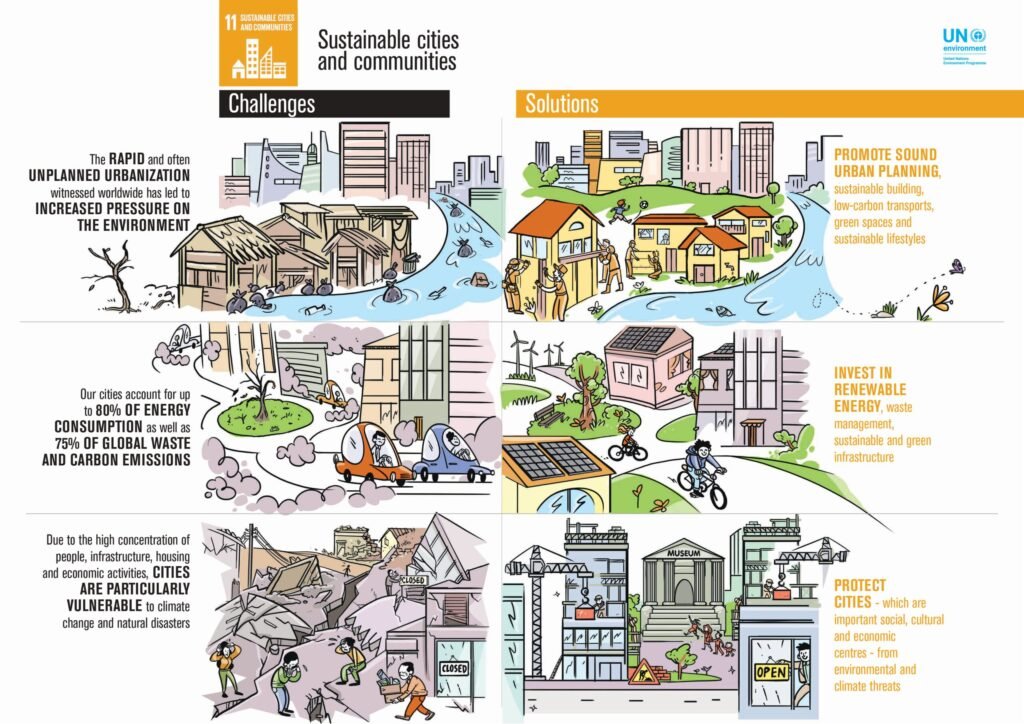
Urbanization and environmental preservation represent two powerful and often competing forces shaping the modern world. Urbanization reflects economic growth, modernization, and improved living standards, while environmental preservation focuses on protecting natural ecosystems, biodiversity, and ecological balance for present and future generations. Understanding the relationship between these two concepts is essential for achieving sustainable development.
1. Meaning of Urbanization
Urbanization refers to the process through which an increasing proportion of a population moves from rural areas to urban areas, leading to the growth and expansion of cities and towns. It involves physical expansion, infrastructure development, industrialization, and transformation of lifestyles.
Key Features of Urbanization
- Growth of cities and metropolitan regions
- Expansion of housing and transportation systems
- Industrial and commercial development
- Increased employment opportunities
- Lifestyle modernization
Global Trend
Urbanization has accelerated rapidly since the Industrial Revolution. Today, more than half of the world’s population lives in urban areas, and this proportion continues to rise, especially in developing countries like India.
2. Meaning of Environmental Preservation
Environmental preservation refers to protecting natural resources and ecosystems from excessive exploitation, pollution, and degradation. It emphasizes maintaining ecological balance while ensuring sustainable use of resources.
Main Objectives
- Conservation of biodiversity
- Protection of forests and wildlife
- Reduction of pollution
- Sustainable use of natural resources
- Climate stability
Environmental preservation recognizes that human survival depends on healthy ecosystems.
3. Causes of Rapid Urbanization
Urbanization occurs due to several interconnected social and economic factors:
1. Industrialization
Industries are usually located in cities, attracting workers seeking employment.
2. Better Educational Opportunities
Urban areas provide universities, schools, and training centers.
3. Healthcare Facilities
Cities offer advanced medical services and hospitals.
4. Infrastructure Development
Transportation, communication, electricity, and housing facilities attract migration.
5. Rural Push Factors
- Poverty
- Lack of employment
- Agricultural instability
- Climate-related challenges
4. Benefits of Urbanization
Urbanization is not entirely negative; it provides several advantages.
Economic Growth
Cities become centers of innovation, trade, and entrepreneurship.
Improved Living Standards
Access to better education, healthcare, and services improves quality of life.
Technological Advancement
Urban areas encourage research and innovation.
Cultural Exchange
Cities bring together diverse communities, promoting cultural interaction.
Efficient Service Delivery
Public transport, sanitation, and utilities can be managed more efficiently in concentrated populations.
5. Environmental Impacts of Urbanization
Rapid and unplanned urban growth often leads to severe environmental challenges.
A. Land Degradation
- Conversion of forests and farmland into buildings
- Soil erosion and habitat destruction
B. Air Pollution
Industrial emissions, construction dust, and vehicle exhaust increase air pollution.
Effects:
- Respiratory diseases
- Smog formation
- Climate change contribution
C. Water Pollution
Urban sewage and industrial waste contaminate rivers and groundwater.
D. Loss of Biodiversity
Urban expansion destroys natural habitats, forcing wildlife displacement or extinction.
E. Urban Heat Island Effect
Cities become warmer than surrounding rural areas due to:
- Concrete surfaces
- Reduced vegetation
- Heat-producing activities
F. Waste Generation
Urban populations produce enormous quantities of solid waste and plastic pollution.
6. Conflict Between Urbanization and Environmental Preservation
Urbanization often clashes with environmental goals due to competing priorities.
| Urbanization Goals | Environmental Preservation Goals |
|---|---|
| Economic growth | Ecological balance |
| Infrastructure expansion | Conservation of natural areas |
| Industrial development | Pollution control |
| Housing development | Protection of forests and wetlands |
Core Conflict
The central issue is development vs sustainability — how to improve human living conditions without damaging nature irreversibly.
7. Environmental Consequences of Poor Urban Planning
Uncontrolled urban growth leads to:
- Flooding due to loss of wetlands
- Water scarcity from over-extraction
- Increased carbon emissions
- Decline in urban green spaces
- Health problems among residents
Many cities face climate-related disasters because natural drainage systems and forests have been removed.
8. Importance of Environmental Preservation in Urban Areas
Environmental preservation is essential even within cities.
1. Climate Regulation
Trees absorb carbon dioxide and reduce temperatures.
2. Public Health
Clean air and water reduce disease.
3. Disaster Prevention
Wetlands and forests reduce floods and landslides.
4. Economic Sustainability
Natural resources support tourism, agriculture, and livelihoods.
5. Psychological Well-being
Green spaces improve mental health and reduce stress.
9. Concept of Sustainable Urban Development
The solution lies not in stopping urbanization but in making it sustainable.
Sustainable urban development means meeting present needs without compromising future generations’ ability to meet theirs.
Principles:
- Efficient resource use
- Renewable energy adoption
- Environmental conservation
- Inclusive urban planning
10. Strategies to Balance Urbanization and Environmental Preservation
A. Green Urban Planning
- Creation of parks and green belts
- Protection of wetlands and forests
- Urban biodiversity conservation
B. Sustainable Transportation
- Public transport systems
- Cycling lanes
- Electric vehicles
C. Smart Cities
Use of technology to optimize energy, traffic, and waste management.
D. Renewable Energy
Solar panels, wind energy, and energy-efficient buildings reduce emissions.
E. Waste Management
- Recycling programs
- Composting organic waste
- Reduction of single-use plastics
F. Water Conservation
- Rainwater harvesting
- Wastewater treatment
- Efficient irrigation systems
G. Green Architecture
Eco-friendly buildings using natural lighting and ventilation.
11. Role of Government and Policy
Governments play a crucial role through:
- Environmental laws and regulations
- Urban zoning policies
- Environmental impact assessments
- Promotion of green infrastructure
- Public awareness campaigns
Strong governance ensures development does not harm ecosystems.
12. Role of Citizens and Communities
Environmental preservation is not only a governmental responsibility.
Citizens can:
- Reduce waste
- Use public transport
- Plant trees
- Conserve water and energy
- Support sustainable products
Community participation strengthens environmental protection efforts.
13. Challenges in Achieving Balance
Despite awareness, several obstacles remain:
- Rapid population growth
- Economic pressures
- Lack of environmental awareness
- Weak enforcement of laws
- Short-term development priorities
Developing nations often struggle because economic growth is urgently needed.
14. Future Outlook
The future depends on integrating environmental thinking into urban development. Emerging trends include:
- Green cities
- Carbon-neutral infrastructure
- Nature-based solutions
- Circular economy models
Cities of the future must function as ecosystems rather than concrete expansions.
15. Conclusion
Urbanization and environmental preservation are not enemies but interconnected processes that must coexist for sustainable human progress. Urbanization has transformed societies by improving economic opportunities, technological advancement, and access to services. However, unchecked urban expansion has caused serious environmental problems such as pollution, biodiversity loss, climate change, and resource depletion.
Environmental preservation reminds humanity that economic growth cannot come at the cost of ecological collapse. Nature provides essential life-support systems — clean air, water, fertile soil, and climate stability — without which cities cannot survive. The challenge facing modern civilization is therefore not choosing between development and conservation but harmonizing them.
Sustainable urbanization offers the path forward. Through green planning, renewable energy, efficient transportation, and responsible consumption, cities can reduce their ecological footprint while maintaining economic vitality. Governments must enforce environmental regulations, urban planners must design eco-friendly infrastructure, industries must adopt cleaner technologies, and citizens must practice environmentally responsible lifestyles.
The future city must be envisioned as a living system where human innovation works alongside nature rather than against it. Green spaces, renewable energy networks, sustainable housing, and circular waste systems will define successful urban environments. When urban growth respects ecological limits, it becomes a tool for environmental restoration rather than destruction.
Ultimately, environmental preservation ensures long-term prosperity, while urbanization provides opportunities for human advancement. Balancing these forces is.
Urbanization and environmental preservation represent two defining realities of the modern age. On one hand, urbanization symbolizes human progress — economic development, technological innovation, improved infrastructure, and enhanced access to education, healthcare, and employment opportunities. On the other hand, environmental preservation serves as a reminder that human survival ultimately depends on the health and stability of natural ecosystems. The interaction between these two forces has created one of the most important global challenges of the 21st century: how to pursue development without destroying the natural foundation upon which all development depends.
Urbanization is an inevitable process. As populations grow and economies expand, cities become centers of opportunity and innovation. Urban areas concentrate resources, talent, and industries, enabling societies to advance rapidly. Cities often act as engines of national growth, contributing significantly to economic productivity and cultural exchange. For millions of people, migration to urban areas represents hope for a better life, social mobility, and improved living conditions.
However, rapid and unplanned urbanization has exposed serious environmental consequences. Expansion of cities frequently leads to deforestation, loss of agricultural land, destruction of wetlands, and fragmentation of wildlife habitats. Industrial activities and increasing transportation demands contribute to air and water pollution, while excessive consumption generates enormous quantities of waste. Urban heat islands, water scarcity, flooding, and declining biodiversity are clear signs that environmental limits are being exceeded. These environmental problems do not remain confined to nature alone; they directly affect human health, economic stability, and quality of life.
The conflict between urbanization and environmental preservation arises mainly from short-term development priorities. Economic growth is often pursued immediately, while environmental protection is seen as a long-term concern. Yet this separation is fundamentally flawed. Environmental degradation eventually slows economic progress by increasing healthcare costs, reducing resource availability, damaging infrastructure through climate disasters, and lowering overall productivity. In reality, environmental preservation is not an obstacle to development but a prerequisite for sustainable development.
A key realization emerging worldwide is that urbanization and environmental preservation do not have to exist in opposition. The goal is not to stop urban growth but to reshape it through sustainability. Sustainable urbanization integrates ecological principles into city planning and development. Green infrastructure, renewable energy systems, efficient public transportation, sustainable housing, waste recycling, and water conservation demonstrate that cities can grow while reducing environmental impact. Urban green spaces, tree cover, and biodiversity corridors can restore ecological balance even within densely populated regions.
Equally important is the role of governance and policy. Effective environmental laws, responsible land-use planning, environmental impact assessments, and strict pollution controls can guide development in environmentally responsible ways. Governments must move beyond reactive solutions and adopt preventive planning that anticipates environmental risks before damage occurs. At the same time, technological innovation — including smart city systems, energy-efficient buildings, and clean transportation — offers powerful tools to reduce ecological footprints.
Citizens also play a critical role in bridging the gap between urbanization and environmental preservation. Individual lifestyle choices collectively shape environmental outcomes. Responsible consumption, waste reduction, energy conservation, and support for sustainable practices create demand for environmentally friendly policies and products. When communities actively participate in environmental protection, urban sustainability becomes a shared social responsibility rather than a government obligation alone.
Another essential aspect of this balance is environmental awareness and education. A society that understands ecological interdependence is more likely to adopt sustainable behaviors. Education helps people recognize that nature is not separate from urban life but deeply interconnected with it. Clean air, water security, climate stability, and food systems all depend on functioning ecosystems. Therefore, protecting the environment ultimately means protecting human well-being.
Looking toward the future, the success of humanity will depend on redefining what progress means. Traditional models measured development primarily through economic growth and infrastructure expansion. Modern development must instead focus on resilience, sustainability, and harmony with nature. The cities of the future must function as living ecosystems — places where technology, human activity, and natural processes coexist in balance.
In conclusion, urbanization and environmental preservation are not opposing goals but complementary necessities. Urbanization provides opportunities for advancement, innovation, and improved living standards, while environmental preservation safeguards the natural systems that sustain life. The real challenge lies in achieving equilibrium between growth and conservation. Sustainable planning, responsible governance, technological innovation, and active citizen participation can transform cities into environmentally resilient spaces.
If humanity learns to integrate environmental wisdom into urban development, cities can become centers not only of economic prosperity but also of ecological restoration and social well-being. The path forward requires long-term vision, collective responsibility, and respect for the natural world. Only by balancing urban expansion with environmental preservation can we ensure a healthy planet, stable societies, and a secure future for generations to come.
Urbanization vs Environmental Preservation — 100 MCQs
Basic Concepts (1–20)
- Urbanization refers to: A. Growth of forests
B. Movement of people to rural areas
C. Growth of cities and urban population
D. Decrease in industries
Answer: C - Environmental preservation mainly focuses on: A. Industrial expansion
B. Protecting natural resources
C. Increasing population
D. Building highways
Answer: B - Rapid urbanization is mainly caused by: A. Agricultural decline
B. Employment opportunities in cities
C. Forest conservation
D. Wildlife protection
Answer: B - Urban areas generally have: A. Less infrastructure
B. More employment opportunities
C. Fewer services
D. Lower population density
Answer: B - Environmental preservation promotes: A. Resource exploitation
B. Sustainable use of resources
C. Industrial pollution
D. Deforestation
Answer: B - Migration from villages to cities is called: A. Industrialization
B. Urban migration
C. Globalization
D. Conservation
Answer: B - Sustainable development means: A. Unlimited resource use
B. Development without future concern
C. Meeting present needs without harming future generations
D. Industrial dominance
Answer: C - Urbanization increases demand for: A. Forest land
B. Housing and infrastructure
C. Wildlife habitats
D. Wetlands
Answer: B - Environmental conservation helps maintain: A. Pollution levels
B. Ecological balance
C. Urban heat
D. Industrial waste
Answer: B - Urban growth mostly affects: A. Ocean currents
B. Natural habitats
C. Solar radiation
D. Earth’s rotation
Answer: B - Cities are centers of: A. Agriculture only
B. Innovation and trade
C. Forest ecosystems
D. Wildlife migration
Answer: B - One major push factor for urbanization is: A. High rural employment
B. Rural poverty
C. Abundant farmland
D. Wildlife protection
Answer: B - Environmental preservation supports: A. Biodiversity protection
B. Pollution increase
C. Habitat destruction
D. Soil erosion
Answer: A - Urbanization leads to: A. Increased green cover
B. Infrastructure development
C. Reduced population
D. Decreased transport
Answer: B - Environmental degradation results from: A. Sustainable practices
B. Controlled growth
C. Overexploitation of resources
D. Recycling
Answer: C - The balance between development and nature is called: A. Industrialization
B. Sustainability
C. Urban migration
D. Modernization
Answer: B - Urban population growth leads to: A. Less waste
B. More resource consumption
C. Reduced pollution
D. Less energy demand
Answer: B - Preservation aims to protect: A. Only cities
B. Only industries
C. Natural ecosystems
D. Roads
Answer: C - Urban planning helps: A. Increase pollution
B. Manage city growth responsibly
C. Destroy ecosystems
D. Reduce population
Answer: B - One benefit of urbanization is: A. Habitat loss
B. Economic growth
C. Soil erosion
D. Water scarcity
Answer: B
Environmental Impacts (21–40)
- Urban air pollution mainly comes from: A. Trees
B. Vehicles and industries
C. Rivers
D. Mountains
Answer: B - Urban heat island effect refers to: A. Cooling cities
B. Cities being warmer than rural areas
C. Ocean warming
D. Glacier melting
Answer: B - Deforestation during urban expansion causes: A. Biodiversity growth
B. Habitat loss
C. Cleaner air
D. Soil improvement
Answer: B - Water pollution in cities is mainly due to: A. Rainfall
B. Sewage discharge
C. Sunlight
D. Wind
Answer: B - Urban waste mostly includes: A. Plastic and solid waste
B. Only leaves
C. Only soil
D. Rocks
Answer: A - Loss of wetlands increases: A. Flood risk
B. Biodiversity
C. Rainfall
D. Soil fertility
Answer: A - Excessive construction leads to: A. Soil erosion
B. Increased vegetation
C. Wildlife growth
D. Clean rivers
Answer: A - Noise pollution is common in: A. Forests
B. Urban areas
C. Oceans
D. Deserts
Answer: B - Urbanization increases carbon emissions because of: A. Trees
B. Transportation and industries
C. Rivers
D. Soil microbes
Answer: B - Biodiversity loss means: A. Increase in species
B. Reduction in variety of living organisms
C. More forests
D. Cleaner air
Answer: B - Concrete surfaces reduce: A. Heat absorption
B. Natural water absorption
C. Urban population
D. Traffic
Answer: B - Overuse of groundwater leads to: A. Water abundance
B. Water scarcity
C. More rainfall
D. Soil formation
Answer: B - Urban expansion affects wildlife by: A. Providing shelter
B. Destroying habitats
C. Increasing food supply
D. Improving ecosystems
Answer: B - Industrial waste mainly contaminates: A. Air and water
B. Space
C. Mountains only
D. Clouds
Answer: A - Air pollution can cause: A. Respiratory diseases
B. Increased immunity
C. Better health
D. None
Answer: A - Excess waste leads to: A. Clean surroundings
B. Land pollution
C. More forests
D. Reduced population
Answer: B - Urban flooding occurs due to: A. Excess greenery
B. Blocked drainage and lost wetlands
C. Reduced rainfall
D. Less construction
Answer: B - Climate change is worsened by: A. Reduced emissions
B. Increased greenhouse gases
C. Recycling
D. Tree planting
Answer: B - Loss of green cover increases: A. Cooling
B. Temperature rise
C. Rainfall control
D. Biodiversity
Answer: B - Environmental imbalance results from: A. Sustainable living
B. Unplanned development
C. Conservation
D. Recycling
Answer: B
Solutions & Sustainable Development (41–70)
- Sustainable cities promote: A. Pollution
B. Efficient resource use
C. Deforestation
D. Waste increase
Answer: B - Green buildings aim to: A. Increase energy use
B. Save energy and resources
C. Produce waste
D. Increase emissions
Answer: B - Renewable energy includes: A. Coal
B. Solar energy
C. Diesel
D. Petrol
Answer: B - Public transport helps reduce: A. Employment
B. Traffic emissions
C. Population
D. Roads
Answer: B - Recycling helps: A. Waste accumulation
B. Resource conservation
C. Pollution increase
D. Habitat destruction
Answer: B - Rainwater harvesting helps: A. Waste production
B. Water conservation
C. Air pollution
D. Heat increase
Answer: B - Tree planting in cities reduces: A. Oxygen
B. Pollution and heat
C. Biodiversity
D. Rainfall
Answer: B - Smart cities use: A. Traditional methods only
B. Technology for efficiency
C. No planning
D. Forest destruction
Answer: B - Waste segregation means: A. Mixing waste
B. Separating waste types
C. Burning waste
D. Dumping waste
Answer: B - Sustainable transport includes: A. Cycling
B. Excess car use
C. Diesel burning
D. Traffic jams
Answer: A - Environmental laws aim to: A. Increase pollution
B. Protect nature
C. Destroy ecosystems
D. Promote waste
Answer: B - Urban green belts help: A. Increase pollution
B. Maintain ecological balance
C. Reduce oxygen
D. Increase temperature
Answer: B - Composting converts waste into: A. Plastic
B. Fertilizer
C. Smoke
D. Chemicals
Answer: B - Energy-efficient appliances: A. Waste electricity
B. Save energy
C. Increase emissions
D. Cause pollution
Answer: B - Sustainable planning considers: A. Short-term profit only
B. Environmental impact
C. Pollution increase
D. Resource depletion
Answer: B - Electric vehicles reduce: A. Air pollution
B. Oxygen
C. Rainfall
D. Trees
Answer: A - Urban biodiversity parks help: A. Wildlife conservation
B. Industrial growth
C. Waste increase
D. Pollution rise
Answer: A - Environmental awareness encourages: A. Irresponsible consumption
B. Sustainable behavior
C. Pollution
D. Overuse of resources
Answer: B - Clean energy reduces: A. Greenhouse gases
B. Oxygen
C. Biodiversity
D. Rainfall
Answer: A - Sustainable development balances: A. Economy and environment
B. Pollution and waste
C. Industry only
D. Cities only
Answer: A - Urban forests improve: A. Air quality
B. Pollution levels
C. Heat generation
D. Waste production
Answer: A - Water treatment plants: A. Pollute rivers
B. Clean wastewater
C. Increase waste
D. Reduce rainfall
Answer: B - Circular economy focuses on: A. Throwaway culture
B. Reuse and recycling
C. Resource wastage
D. Pollution
Answer: B - Eco-friendly materials reduce: A. Sustainability
B. Environmental damage
C. Resource efficiency
D. Recycling
Answer: B - Green infrastructure includes: A. Parks and green roofs
B. Factories only
C. Highways only
D. Mines
Answer: A - Sustainable cities aim for: A. Long-term environmental health
B. Resource depletion
C. Pollution growth
D. Habitat loss
Answer: A - Environmental impact assessment evaluates: A. Economic profit
B. Project environmental effects
C. Population growth
D. Transport routes only
Answer: B - Reduced plastic use helps: A. Marine life protection
B. Pollution increase
C. Waste growth
D. Habitat loss
Answer: A - Urban planning should prioritize: A. Environmental sustainability
B. Random expansion
C. Forest destruction
D. Industrial waste
Answer: A - Sustainable lifestyles involve: A. Excess consumption
B. Responsible resource use
C. Waste production
D. Pollution
Answer: B
Conceptual & Analytical (71–100)
- Urbanization without planning causes: A. Sustainability
B. Environmental problems
C. Biodiversity growth
D. Resource conservation
Answer: B - Preservation ensures resources for: A. Present only
B. Future generations
C. Industries only
D. Cities only
Answer: B - Balance between nature and development is necessary for: A. Short-term growth
B. Long-term survival
C. Pollution increase
D. Habitat destruction
Answer: B - Environmental sustainability supports: A. Economic stability
B. Ecological collapse
C. Resource exhaustion
D. Pollution
Answer: A - Urban ecosystems include: A. Humans and nature together
B. Only buildings
C. Only animals
D. Only plants
Answer: A - Green spaces improve: A. Mental health
B. Pollution
C. Heat
D. Waste
Answer: A - Climate resilience means: A. Ability to adapt to climate change
B. Increasing pollution
C. Ignoring environment
D. Resource overuse
Answer: A - Responsible consumption reduces: A. Sustainability
B. Environmental pressure
C. Biodiversity
D. Recycling
Answer: B - Overpopulation in cities increases: A. Resource demand
B. Forest growth
C. Wildlife habitat
D. Clean air
Answer: A - Environmental preservation supports: A. Human survival
B. Pollution growth
C. Industrial waste
D. Habitat destruction
Answer: A - Sustainable urbanization integrates: A. Economy, society, environment
B. Industry only
C. Technology only
D. Population only
Answer: A - Green roofs help: A. Reduce heat
B. Increase pollution
C. Destroy habitats
D. Waste energy
Answer: A - Urban sustainability requires: A. Collective responsibility
B. Government only
C. Citizens only
D. Industries only
Answer: A - Environmental ethics promotes: A. Respect for nature
B. Resource exploitation
C. Pollution
D. Waste
Answer: A - Biodiversity strengthens: A. Ecosystem stability
B. Pollution
C. Waste
D. Heat islands
Answer: A - Cities can become sustainable through: A. Green technology
B. Deforestation
C. Waste increase
D. Fossil fuel dependence
Answer: A - Conservation reduces: A. Resource depletion
B. Sustainability
C. Biodiversity
D. Oxygen
Answer: A - Urban agriculture helps: A. Food security
B. Pollution increase
C. Habitat loss
D. Waste growth
Answer: A - Environmental protection ensures: A. Healthy ecosystems
B. Industrial dominance
C. Pollution growth
D. Habitat destruction
Answer: A - Sustainable future depends on: A. Balance between development and environment
B. Industrial expansion only
C. Resource exploitation
D. Urban sprawl
Answer: A - Eco-friendly transport reduces: A. Emissions
B. Oxygen
C. Biodiversity
D. Rainfall
Answer: A - Smart resource management prevents: A. Waste
B. Sustainability
C. Conservation
D. Recycling
Answer: A - Urban planning must include: A. Environmental considerations
B. Random development
C. Forest removal
D. Pollution increase
Answer: A - Nature-based solutions involve: A. Using ecosystems to solve problems
B. Industrial expansion
C. Waste burning
D. Pollution growth
Answer: A - Sustainable cities improve: A. Quality of life
B. Pollution levels
C. Resource depletion
D. Environmental damage
Answer: A - Climate-friendly cities reduce: A. Carbon footprint
B. Sustainability
C. Trees
D. Biodiversity
Answer: A - Environmental preservation promotes: A. Long-term stability
B. Short-term profit only
C. Resource loss
D. Pollution
Answer: A - Urban sustainability requires cooperation between: A. Government, citizens, industries
B. Industries only
C. Citizens only
D. Government only
Answer: A - Balanced development ensures: A. Economic and environmental health
B. Pollution growth
C. Habitat loss
D. Resource exhaustion
Answer: A - The ultimate goal of sustainable urbanization is: A. Harmony between humans and nature
B. Unlimited expansion
C. Resource exploitation
D. Environmental destruction
Answer: A
Urbanization vs Environmental Preservation — 100 True/False
Basic Concepts (1–20)
- Urbanization means the growth of cities and urban population.
True - Environmental preservation focuses on exploiting natural resources.
False - Urbanization mainly occurs due to migration from rural to urban areas.
True - Environmental preservation aims to maintain ecological balance.
True - Urbanization always benefits the environment.
False - Sustainable development considers future generations.
True - Cities usually provide more employment opportunities than villages.
True - Environmental preservation discourages conservation of forests.
False - Urbanization is closely linked with industrialization.
True - Environmental protection is unnecessary for economic growth.
False - Urban planning helps manage city expansion responsibly.
True - Environmental preservation only concerns wildlife and not humans.
False - Rapid urbanization can lead to environmental degradation.
True - Sustainable cities focus on efficient resource use.
True - Urbanization reduces demand for housing.
False - Environmental conservation helps maintain biodiversity.
True - Migration to cities often occurs for better education and healthcare.
True - Urbanization has no impact on natural ecosystems.
False - Preservation promotes responsible use of resources.
True - Development and environmental protection cannot coexist.
False
Environmental Impacts (21–40)
- Urban expansion often leads to deforestation.
True - Air pollution is higher in most urban areas.
True - Vehicles contribute significantly to urban air pollution.
True - Urbanization increases biodiversity naturally.
False - Industrial waste can pollute water bodies.
True - Urban heat islands make cities cooler than rural areas.
False - Loss of wetlands increases flood risks.
True - Solid waste generation increases with urban population growth.
True - Noise pollution is rare in cities.
False - Urban construction reduces natural water absorption.
True - Habitat destruction affects wildlife survival.
True - Air pollution has no effect on human health.
False - Excessive groundwater extraction can cause water scarcity.
True - Urbanization reduces carbon emissions automatically.
False - Climate change is partly linked to urban activities.
True - Loss of green spaces increases city temperatures.
True - Pollution levels decrease with uncontrolled industrial growth.
False - Urban flooding can result from poor drainage systems.
True - Waste dumping harms soil quality.
True - Environmental degradation affects human well-being.
True
Sustainable Development & Solutions (41–60)
- Renewable energy helps reduce environmental damage.
True - Solar energy is a renewable energy source.
True - Public transportation reduces vehicle emissions.
True - Recycling increases waste accumulation.
False - Tree plantation improves air quality.
True - Rainwater harvesting helps conserve water.
True - Sustainable transport includes cycling and walking.
True - Green buildings aim to reduce energy consumption.
True - Waste segregation means mixing all types of waste.
False - Electric vehicles can reduce air pollution.
True - Environmental laws help control pollution.
True - Composting converts organic waste into useful fertilizer.
True - Smart cities use technology for efficient resource management.
True - Sustainable planning ignores environmental impacts.
False - Green belts help maintain ecological balance in cities.
True - Energy-efficient appliances consume more electricity.
False - Recycling helps conserve natural resources.
True - Clean energy reduces greenhouse gas emissions.
True - Urban forests improve environmental quality.
True - Sustainable development focuses only on economic growth.
False
Role of Government & Society (61–80)
- Governments play an important role in environmental protection.
True - Environmental impact assessments study project effects on nature.
True - Citizens have no role in environmental conservation.
False - Awareness programs encourage sustainable behavior.
True - Responsible consumption reduces environmental pressure.
True - Community participation strengthens conservation efforts.
True - Environmental education promotes eco-friendly habits.
True - Urban planning should ignore green spaces.
False - Sustainable lifestyles help reduce pollution.
True - Overconsumption increases environmental degradation.
True - Governments enforce laws to control industrial pollution.
True - Individuals can help preservation by saving water and energy.
True - Using public transport supports environmental protection.
True - Throwing waste in rivers helps waste management.
False - Plastic reduction helps protect marine ecosystems.
True - Sustainable cities require cooperation between citizens and authorities.
True - Environmental responsibility belongs only to industries.
False - Urban agriculture can support food sustainability.
True - Eco-friendly products reduce environmental harm.
True - Environmental preservation improves quality of life.
True
Conceptual Understanding (81–100)
- Urbanization and environmental preservation must be balanced.
True - Economic growth always requires environmental destruction.
False - Biodiversity strengthens ecosystem stability.
True - Green infrastructure includes parks and green roofs.
True - Climate resilience means adapting to climate change impacts.
True - Sustainable cities aim for long-term environmental health.
True - Urban ecosystems include both human and natural elements.
True - Excessive resource use leads to depletion.
True - Environmental ethics promote respect for nature.
True - Pollution-free environments improve public health.
True - Sustainable urbanization reduces ecological footprints.
True - Environmental preservation slows long-term development permanently.
False - Green spaces improve mental well-being.
True - Conservation ensures resources remain available in the future.
True - Nature-based solutions use ecosystems to solve environmental problems.
True - Balanced development supports both economy and environment.
True - Climate-friendly cities reduce carbon emissions.
True - Environmental sustainability is essential for human survival.
True - Urbanization and conservation can coexist through proper planning.
True - The goal of sustainable development is harmony between humans and nature.
True
Instructions
Choose the correct option:
A. Both Assertion (A) and Reason (R) are true, and R is the correct explanation of A.
B. Both A and R are true, but R is NOT the correct explanation of A.
C. A is true, but R is false.
D. A is false, but R is true.
Urbanization vs Environmental Preservation — 100 Assertion–Reason Questions
Basic Concepts (1–20)
- A: Urbanization increases city population.
R: People migrate to cities for better opportunities.
Answer: A - A: Environmental preservation aims to protect ecosystems.
R: Ecosystems support human survival.
Answer: A - A: Urbanization reduces demand for infrastructure.
R: Growing populations need housing and transport.
Answer: D - A: Sustainable development balances growth and environment.
R: Resources must remain available for future generations.
Answer: A - A: Cities are centers of economic activity.
R: Industries and services concentrate in urban areas.
Answer: A - A: Environmental conservation discourages development.
R: Conservation promotes sustainable resource use.
Answer: D - A: Migration contributes to urban growth.
R: Rural areas often lack employment opportunities.
Answer: A - A: Urbanization always improves environmental quality.
R: Industrial activities increase pollution.
Answer: D - A: Environmental protection benefits human health.
R: Clean air and water reduce disease risks.
Answer: A - A: Urban planning is unnecessary for city growth.
R: Unplanned growth causes environmental problems.
Answer: D - A: Preservation protects biodiversity.
R: Biodiversity maintains ecosystem stability.
Answer: A - A: Urbanization is linked to industrialization.
R: Industries attract workers to cities.
Answer: A - A: Environmental sustainability ignores economic needs.
R: Sustainability balances economy and environment.
Answer: D - A: Urban areas consume more resources.
R: Population density increases demand.
Answer: A - A: Environmental awareness encourages conservation.
R: Knowledge influences responsible behavior.
Answer: A - A: Urbanization reduces energy demand.
R: Cities require electricity for industries and homes.
Answer: D - A: Sustainable cities focus on efficiency.
R: Efficient resource use reduces environmental impact.
Answer: A - A: Environmental preservation opposes modernization completely.
R: Preservation supports responsible development.
Answer: D - A: Urban migration affects land use patterns.
R: Cities expand to accommodate people.
Answer: A - A: Ecological balance is essential for sustainability.
R: Natural systems regulate climate and resources.
Answer: A
Environmental Impacts (21–40)
- A: Urban expansion causes deforestation.
R: Land is cleared for construction.
Answer: A - A: Air pollution is common in cities.
R: Vehicles and industries emit pollutants.
Answer: A - A: Urban heat islands occur in cities.
R: Concrete absorbs and retains heat.
Answer: A - A: Wetland destruction increases flood risk.
R: Wetlands absorb excess water.
Answer: A - A: Urbanization increases biodiversity.
R: Habitat destruction reduces species survival.
Answer: D - A: Water pollution rises with industrialization.
R: Industries release untreated waste into water bodies.
Answer: A - A: Noise pollution is lower in cities.
R: Traffic and construction create noise.
Answer: D - A: Waste generation increases with urban population.
R: More people produce more consumption waste.
Answer: A - A: Loss of green cover raises temperatures.
R: Trees provide cooling through shade and evaporation.
Answer: A - A: Urbanization reduces carbon emissions naturally.
R: Fossil fuel usage increases in cities.
Answer: D - A: Groundwater depletion occurs in cities.
R: Excess water extraction meets urban demand.
Answer: A - A: Habitat destruction threatens wildlife.
R: Animals lose food and shelter.
Answer: A - A: Pollution affects human health.
R: Pollutants damage respiratory and cardiovascular systems.
Answer: A - A: Urban flooding results from poor drainage.
R: Natural water pathways are blocked.
Answer: A - A: Climate change is unrelated to cities.
R: Cities produce greenhouse gas emissions.
Answer: D - A: Solid waste harms soil quality.
R: Toxic substances contaminate land.
Answer: A - A: Industrial growth may harm ecosystems.
R: Pollution disrupts natural balance.
Answer: A - A: Urban construction reduces water infiltration.
R: Concrete surfaces prevent absorption.
Answer: A - A: Biodiversity loss weakens ecosystems.
R: Species interactions maintain ecological balance.
Answer: A - A: Environmental degradation affects economies.
R: Natural disasters cause financial losses.
Answer: A
Solutions & Sustainability (41–70)
- A: Renewable energy reduces pollution.
R: It produces fewer emissions than fossil fuels.
Answer: A - A: Public transport supports sustainability.
R: It reduces vehicle emissions.
Answer: A - A: Recycling conserves resources.
R: Materials are reused instead of extracted anew.
Answer: A - A: Rainwater harvesting conserves water.
R: Collected rainwater supplements supply.
Answer: A - A: Green buildings save energy.
R: They use efficient design and materials.
Answer: A - A: Electric vehicles reduce emissions.
R: They do not burn fossil fuels directly.
Answer: A - A: Tree plantation improves air quality.
R: Trees absorb carbon dioxide.
Answer: A - A: Waste segregation improves recycling.
R: Different waste types require separate treatment.
Answer: A - A: Sustainable planning ignores environmental effects.
R: Planning includes environmental considerations.
Answer: D - A: Green belts reduce pollution.
R: Vegetation filters pollutants.
Answer: A - A: Composting reduces landfill waste.
R: Organic waste decomposes into fertilizer.
Answer: A - A: Smart cities use technology for efficiency.
R: Data helps manage resources effectively.
Answer: A - A: Environmental laws control pollution.
R: Regulations limit harmful emissions.
Answer: A - A: Clean energy supports sustainability.
R: It lowers greenhouse gas emissions.
Answer: A - A: Sustainable lifestyles reduce environmental pressure.
R: Responsible consumption lowers resource demand.
Answer: A - A: Urban forests improve environmental health.
R: Trees enhance biodiversity and air quality.
Answer: A - A: Water treatment plants protect rivers.
R: Wastewater is cleaned before discharge.
Answer: A - A: Circular economy reduces waste.
R: Products are reused and recycled.
Answer: A - A: Eco-friendly materials reduce damage.
R: They produce less pollution during production.
Answer: A - A: Sustainable cities aim for long-term resilience.
R: Planning considers future environmental risks.
Answer: A - A: Environmental education promotes conservation.
R: Awareness changes behavior.
Answer: A - A: Public participation strengthens environmental protection.
R: Community action supports policies.
Answer: A - A: Energy efficiency reduces emissions.
R: Less energy consumption lowers fuel use.
Answer: A - A: Urban agriculture improves food security.
R: Local food production reduces dependency.
Answer: A - A: Sustainable transport reduces congestion.
R: Shared mobility decreases vehicle numbers.
Answer: A - A: Environmental impact assessments prevent damage.
R: Projects are evaluated before approval.
Answer: A - A: Plastic reduction protects ecosystems.
R: Plastic waste harms wildlife.
Answer: A - A: Nature-based solutions use ecosystems for protection.
R: Natural systems manage floods and heat.
Answer: A - A: Green roofs reduce building temperature.
R: Vegetation provides insulation.
Answer: A - A: Sustainable development integrates environment and economy.
R: Balanced growth ensures long-term stability.
Answer: A
Conceptual Understanding (71–100)
- A: Urbanization and preservation must coexist.
R: Human survival depends on nature.
Answer: A - A: Economic growth requires environmental destruction.
R: Sustainable practices allow growth without damage.
Answer: D - A: Biodiversity strengthens ecosystems.
R: Species interactions support stability.
Answer: A - A: Green spaces improve mental health.
R: Natural environments reduce stress.
Answer: A - A: Climate resilience helps cities adapt.
R: Adaptation reduces disaster impacts.
Answer: A - A: Responsible consumption protects resources.
R: Less waste reduces exploitation.
Answer: A - A: Overpopulation increases resource demand.
R: More people require more resources.
Answer: A - A: Environmental preservation ensures long-term prosperity.
R: Healthy ecosystems support economies.
Answer: A - A: Urban ecosystems include humans and nature.
R: Cities interact with natural processes.
Answer: A - A: Pollution-free environments improve life quality.
R: Health risks decrease.
Answer: A - A: Sustainable cities reduce ecological footprints.
R: Efficient systems minimize waste and emissions.
Answer: A - A: Environmental ethics encourage respect for nature.
R: Ethical values guide responsible actions.
Answer: A - A: Conservation supports future generations.
R: Resources remain available over time.
Answer: A - A: Climate-friendly cities reduce emissions.
R: Renewable energy replaces fossil fuels.
Answer: A - A: Urban sustainability requires cooperation.
R: Government, citizens, and industries share responsibility.
Answer: A - A: Balanced development benefits economy and environment.
R: Sustainability prevents resource depletion.
Answer: A - A: Environmental degradation threatens development.
R: Natural disasters damage infrastructure.
Answer: A - A: Green technology supports preservation.
R: Innovation reduces environmental harm.
Answer: A - A: Healthy ecosystems regulate climate.
R: Forests absorb carbon dioxide.
Answer: A - A: Urban planning should include environmental factors.
R: Ignoring nature causes long-term problems.
Answer: A - A: Sustainable housing reduces environmental impact.
R: Efficient design saves resources.
Answer: A - A: Waste management improves urban health.
R: Proper disposal reduces disease spread.
Answer: A - A: Environmental preservation enhances resilience.
R: Ecosystems buffer natural disasters.
Answer: A - A: Renewable resources are naturally replenished.
R: They regenerate over time.
Answer: A - A: Cities can become eco-friendly.
R: Sustainable planning enables green development.
Answer: A - A: Environmental sustainability is essential for survival.
R: Humans depend on natural systems.
Answer: A - A: Conservation reduces climate risks.
R: Forests regulate temperature and rainfall.
Answer: A - A: Smart resource management prevents shortages.
R: Efficient use reduces waste.
Answer: A - A: Urbanization must respect ecological limits.
R: Overuse leads to environmental collapse.
Answer: A - A: Sustainable urbanization promotes harmony between humans and nature.
R: Balanced development protects ecosystems while supporting growth.
Answer: A





Leave a Reply