


Gender equality means that every individual — whether male, female, or belonging to any other gender identity — deserves equal rights, equal opportunities, equal respect, and equal freedom. It means that no one should be discriminated against because of their gender. It means fairness in education, employment, politics, family life, and society.
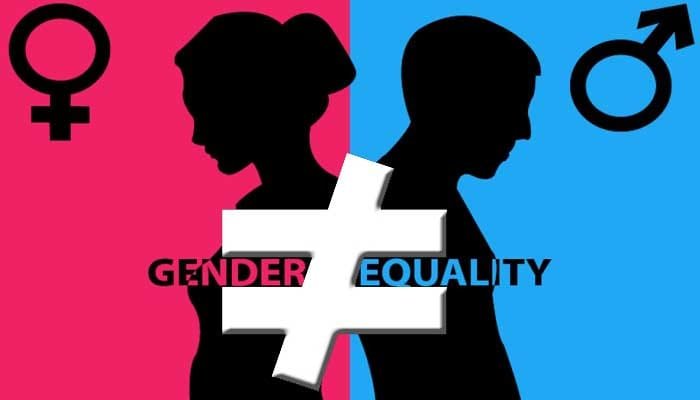
Understanding Gender Equality
Before we move further, let us understand an important distinction — the difference between sex and gender.
Sex refers to biological differences. Gender, on the other hand, refers to socially constructed roles and expectations. Society often assigns certain duties and behaviors to men and women. For example:
- Boys are often told to be strong and brave.
- Girls are often told to be soft and caring.
But are strength and courage limited to boys? Are compassion and intelligence limited to girls? Absolutely not. These are human qualities, not gender-based qualities.
Gender equality simply means removing these artificial barriers.
Historical Background of Inequality
If we look at history, we find that many societies were patriarchal, meaning men held most of the power. Women were denied education, property rights, voting rights, and leadership roles.
During the French Revolution, the idea of equality began to spread. However, even then, women were excluded from many rights. Later, women’s movements across the world demanded the right to vote, to study, to work, and to live with dignity.
In India, reformers like Savitribai Phule fought bravely for girls’ education at a time when society opposed it. She opened schools for girls and worked for social reform despite facing criticism and threats.
Because of such leaders, we have made progress. But the journey is still incomplete.
Why Gender Equality Matters
Gender equality is not just a “women’s issue.” It is a human issue. It affects economic growth, social stability, and national development.
When girls are educated:
- Families become healthier.
- Poverty decreases.
- The economy grows stronger.
According to global development goals set by the United Nations, achieving gender equality is essential for sustainable development.
A society cannot progress if half of its population is left behind.
Areas Where Inequality Exists
Let us examine where gender inequality is still visible.
1. Education
In many parts of the world, girls are still denied proper education. Some are forced into early marriage. Some drop out due to poverty. Education is the foundation of empowerment. Without education, opportunities shrink.
Even today, in certain regions, families prioritize boys’ education over girls’.
But let us ask ourselves — if a mother is educated, does she not raise an educated family? Does education not benefit everyone?
2. Economic Inequality
Women often earn less than men for doing the same work. This is called the gender pay gap.
Many women perform unpaid domestic work such as cooking, cleaning, and caregiving. These tasks are essential for society, yet they are not recognized economically.
Financial independence gives confidence, security, and respect. Without economic equality, true empowerment cannot be achieved.
3. Political Representation
Even today, the number of women in political leadership positions is limited.
Although there are inspiring leaders like Indira Gandhi, who proved that women can lead a nation, representation remains unequal in many countries.
When women participate in decision-making, policies become more inclusive and balanced.
4. Social and Cultural Discrimination
Practices like child marriage, dowry, domestic violence, and son preference still exist in some communities.
Girls are sometimes seen as a burden instead of a blessing. This mindset must change.
A girl is not someone else’s property. She is an individual with dreams, talents, and ambitions.
5. Workplace Challenges
Women face harassment, lack of promotion opportunities, and limited maternity benefits in workplaces.
India has laws like the Sexual Harassment of Women at Workplace Act to ensure safety. But laws alone are not enough; implementation and awareness are equally important.
Breaking Gender Stereotypes
Stereotypes are silent barriers.
When a boy cries, he is told, “Boys don’t cry.”
When a girl dreams of becoming a pilot, she is told, “Choose something easier.”
Why should emotions have a gender? Why should ambition have a gender?
Today, women are astronauts, scientists, engineers, soldiers, and entrepreneurs. Men are chefs, nurses, dancers, and caregivers.
Abilities depend on talent and interest — not gender.
The Role of Education
Education is the most powerful tool to eliminate inequality.
When children grow up learning respect, fairness, and equality, they become responsible citizens.
Schools must:
- Teach gender sensitivity.
- Encourage equal participation.
- Eliminate biased textbooks.
- Promote leadership among girls and boys equally.
Parents must also share household responsibilities equally so children learn by example.
Economic Benefits of Gender Equality
Gender equality is not just morally correct; it is economically beneficial.
When women participate fully in the workforce:
- National income increases.
- Innovation improves.
- Poverty reduces.
Studies show that countries with higher gender equality have stronger economies and better quality of life.
Empowering women is not charity — it is smart economics.
Role of Government and Policy
Governments worldwide are implementing schemes to promote equality.
In India:
- Beti Bachao Beti Padhao encourages protection and education of the girl child.
- Sukanya Samriddhi Yojana promotes financial security for girls.
Such initiatives are important, but true change begins at home and in society.
Gender Equality and Men
Gender equality does not mean women overpowering men. It means partnership.
Men also benefit from equality:
- Freedom from pressure to be “emotionless.”
- Freedom from being the sole breadwinner.
- Freedom to pursue careers traditionally labeled “feminine.”
Equality creates balance and shared responsibility.
Role of Youth
We, the youth, have a crucial role to play.
We can:
- Speak against discrimination.
- Support equal opportunities.
- Respect everyone.
- Avoid sexist jokes and stereotypes.
- Encourage girls and boys equally.
Change does not always require big actions. Sometimes, it starts with small daily choices.
Global Vision
The global community recognizes gender equality as essential for development.
Organizations like UN Women work worldwide to promote women’s empowerment and eliminate discrimination.
The vision is clear — a world where every individual has equal opportunities regardless of gender.
A Future of Equality
Imagine a world where:
- Every girl goes to school without fear.
- Every woman works without discrimination.
- Every boy expresses emotions without shame.
- Every leader is chosen based on ability, not gender.
That world is possible.
But it requires commitment, awareness, and courage.
Conclusion
In conclusion, gender equality is not merely a social reform agenda, nor is it a political slogan or a temporary campaign. It is a fundamental human right, a moral obligation, and a cornerstone of sustainable development. It represents the belief that every individual — regardless of gender — deserves equal dignity, equal opportunities, equal rights, and equal respect.
Throughout history, societies across the world have struggled with unequal power structures. For centuries, patriarchal systems limited women’s access to education, property, employment, and decision-making. These inequalities were often justified through tradition, culture, or misinterpretation of social norms. However, as humanity evolved intellectually and morally, the demand for justice and fairness grew stronger. Events like the French Revolution planted seeds of equality and rights, but it took decades of activism and courage for women’s voices to be heard.
In India, courageous reformers such as Savitribai Phule challenged rigid traditions and opened doors of education for girls. Her efforts remind us that social transformation begins with brave individuals who dare to question injustice. Because of such pioneers, we have seen progress in literacy, employment, and political participation of women. Yet, despite visible improvements, the journey toward complete gender equality remains unfinished.
Gender inequality today exists in subtle and overt forms. In many societies, girls are still denied education due to poverty, early marriage, or discriminatory attitudes. Women often face wage gaps and lack representation in leadership positions. In households, unpaid domestic work continues to be undervalued. Workplace harassment, social stereotypes, and limited career advancement opportunities further highlight systemic inequality.
But gender equality is not about proving one gender superior to another. It is about recognizing that ability, intelligence, leadership, and compassion are human qualities, not gender-specific traits. When opportunities are distributed fairly, individuals thrive based on merit rather than identity. A society that supports equality fosters innovation, creativity, and productivity.
Economic research consistently shows that nations benefit when women actively participate in the workforce. Increased female employment contributes to higher national income, reduced poverty levels, and improved family well-being. The United Nations has recognized gender equality as one of the Sustainable Development Goals because development cannot be achieved if half of the population is excluded from progress. Gender equality is directly linked to poverty reduction, better healthcare outcomes, improved education standards, and stronger democratic institutions.
Education remains the most powerful tool for achieving lasting equality. When girls receive quality education, they gain confidence, knowledge, and independence. Educated women are more likely to participate in the workforce, delay marriage, ensure better health for their children, and contribute positively to society. Education also transforms mindsets. It teaches boys to respect girls as equals and encourages them to reject harmful stereotypes.
Legal reforms have played a significant role in protecting rights. For instance, India introduced the Sexual Harassment of Women at Workplace Act to ensure safe working environments for women. Laws provide a framework for justice, but true change occurs when society internalizes the values behind those laws. Enforcement, awareness, and social acceptance are equally important.
Government initiatives such as Beti Bachao Beti Padhao and Sukanya Samriddhi Yojana demonstrate a commitment to empowering the girl child. These programs aim to change societal attitudes, promote education, and ensure financial security. However, policies alone cannot eliminate discrimination. Real transformation begins at home — when parents treat sons and daughters equally, when responsibilities are shared fairly, and when aspirations are supported regardless of gender.
Another crucial dimension of gender equality is breaking stereotypes. From childhood, society often conditions individuals to follow predefined roles. Boys are encouraged to be assertive, while girls are taught to be submissive. Such rigid expectations limit personal growth and create psychological pressure. Equality liberates both men and women from these constraints. It allows men to express emotions freely and women to pursue ambitions fearlessly.
Political representation is another essential aspect. When women participate in governance, decision-making becomes more inclusive and sensitive to diverse needs. Representation ensures that policies address issues such as maternal health, child welfare, workplace safety, and community development. Balanced leadership strengthens democracy and reflects the true diversity of society.
Cultural transformation is perhaps the most challenging yet most vital step. Practices like dowry, child marriage, and gender-based violence stem from deep-rooted biases. Eradicating them requires awareness campaigns, community engagement, and consistent education. Media also plays a powerful role in shaping perceptions. Responsible portrayal of genders in films, advertisements, and digital platforms can accelerate positive change.
Gender equality also intersects with other forms of inequality such as poverty, caste discrimination, and rural-urban divides. A woman from a marginalized community may face multiple layers of disadvantage. Therefore, solutions must be inclusive and holistic, addressing the needs of diverse groups rather than applying one-size-fits-all approaches.
Importantly, gender equality is not anti-men. It does not aim to replace one dominance with another. Instead, it seeks partnership and mutual respect. When equality prevails, families function harmoniously, workplaces become more productive, and societies grow more resilient. Men benefit from shared responsibilities and emotional freedom, while women gain security and independence. Together, this balance creates healthier relationships and stronger communities.
The youth play a transformative role in this movement. Young minds are less burdened by rigid traditions and more open to change. By rejecting sexist jokes, challenging discriminatory behavior, and supporting equal opportunities, young people can reshape cultural norms. Schools and universities must encourage dialogue on gender sensitivity and promote leadership among all genders equally.
On a global level, organizations such as UN Women work tirelessly to advance women’s rights and eliminate discrimination. International cooperation helps share best practices, fund empowerment programs, and monitor progress. However, lasting equality cannot be imposed externally; it must be embraced internally by societies themselves.
As we envision the future, we must imagine a world where a girl’s dreams are not limited by her gender, where a boy is not shamed for expressing vulnerability, and where leadership is determined by competence rather than stereotypes. A world where equal pay is standard, safety is guaranteed, and respect is universal.
Achieving such a world requires collective effort — from governments, institutions, communities, families, and individuals. It demands courage to confront bias, patience to educate, and persistence to implement reforms. Change may be gradual, but every step counts.
In summary, gender equality is the foundation of justice and sustainable progress. It ensures that human potential is fully realized. It strengthens economies, enhances social harmony, and upholds human dignity. The benefits extend beyond individuals to families, nations, and the global community.
The path forward is clear: invest in education, enforce protective laws, promote economic inclusion, challenge harmful traditions, and cultivate respect from childhood. Most importantly, recognize that equality is not a favor granted by one group to another; it is a right inherent to every human being.
As we conclude, let us remember that societies flourish when they value fairness. Equality is not about sameness; it is about equal worth. It is about ensuring that no talent is wasted, no voice is silenced, and no dream is denied because of gender.
The responsibility lies with all of us. By embracing equality in thought and action, we contribute to building a world that is more just, compassionate, and prosperous. The vision of gender equality is not distant or impossible — it is achievable if we commit ourselves sincerely and collectively.
Let us move forward with determination, guided by the principle that every individual, regardless of gender, deserves the opportunity to rise, to lead, and to live with dignity.
Only then can we truly call ourselves a progressive and enlightened society.
Short Question Answers
1. What is gender equality?
Gender equality means equal rights, opportunities, and respect for all genders.
2. What is gender inequality?
Gender inequality is discrimination or unequal treatment based on gender.
3. What is the difference between sex and gender?
Sex refers to biological differences, while gender refers to socially constructed roles and expectations.
4. What is patriarchy?
Patriarchy is a social system where men hold primary power and dominate leadership roles.
5. What is feminism?
Feminism is a movement advocating equal rights and opportunities for women.
6. What is the gender pay gap?
The gender pay gap refers to women earning less than men for similar work.
7. Why is education important for gender equality?
Education empowers individuals and provides equal opportunities for growth and independence.
8. What is child marriage?
Child marriage is the marriage of individuals below the legal age, often affecting girls.
9. What is female foeticide?
Female foeticide is the illegal abortion of a female fetus due to gender preference.
10. What is domestic violence?
Domestic violence is abuse within a household, often targeting women.
11. Name one Indian reformer who worked for girls’ education.
Savitribai Phule worked for girls’ education in India.
12. Which global body promotes gender equality worldwide?
The United Nations promotes gender equality globally.
13. What is SDG 5?
SDG 5 is the Sustainable Development Goal focused on achieving gender equality.
14. What is unpaid domestic work?
It refers to household tasks like cooking and caregiving that are not paid.
15. Why is political representation important for women?
It ensures women’s voices are included in decision-making.
16. What is workplace harassment?
Workplace harassment is inappropriate behavior that creates an unsafe work environment.
17. Name the Indian law protecting women at work.
The Sexual Harassment of Women at Workplace Act protects women at work.
18. What is son preference?
Son preference is favoring male children over female children.
19. How does poverty increase gender inequality?
Poor families may prioritize boys’ education over girls.
20. What is gender stereotyping?
Gender stereotyping is assigning fixed roles based on gender.
21. How does gender equality help economic growth?
It increases workforce participation and national productivity.
22. What is early marriage?
Marriage before the legal age, often limiting girls’ education.
23. What is empowerment?
Empowerment means giving individuals the power and confidence to make decisions.
24. What is equal pay?
Equal pay means paying men and women the same for the same work.
25. Name one government scheme for girls in India.
Beti Bachao Beti Padhao promotes girl child welfare.
26. What is financial independence?
Financial independence means earning and managing one’s own income.
27. Why are stereotypes harmful?
They limit personal growth and create discrimination.
28. What is leadership equality?
It means equal chances for all genders to hold leadership roles.
29. What role does media play in gender equality?
Media shapes public opinion and can challenge stereotypes.
30. What is discrimination?
Discrimination is unfair treatment based on characteristics like gender.
31. What is equal opportunity?
Equal opportunity means fair access to education, jobs, and resources.
32. How does education reduce child marriage?
Educated girls are more likely to delay marriage.
33. What is gender bias?
Gender bias is unfair preference for one gender over another.
34. What is social reform?
Social reform means improving society by removing injustice.
35. What is representation?
Representation means including different groups in leadership or decision-making.
36. What is human dignity?
Human dignity means respecting the inherent worth of every person.
37. What is inclusive development?
Inclusive development ensures growth benefits all genders equally.
38. What is a patriarchal mindset?
A belief system that favors men over women.
39. How can youth promote gender equality?
By challenging discrimination and supporting equal rights.
40. What is shared responsibility at home?
Equal division of household tasks between family members.
41. What is maternal health?
Maternal health refers to health care for mothers during pregnancy and childbirth.
42. What is the importance of voting rights for women?
Voting rights allow women to participate in democracy.
43. What is cultural discrimination?
Unfair treatment based on traditional beliefs.
44. What is gender sensitization?
Teaching people to respect and understand gender equality.
45. What is economic empowerment?
Providing equal job and income opportunities.
46. What is a gender-equal society?
A society where all genders have equal rights and respect.
47. What is equality before law?
Equal legal protection regardless of gender.
48. How does inequality affect mental health?
It causes stress, low self-esteem, and emotional harm.
49. What is global cooperation in gender equality?
Countries working together to promote equal rights.
50. Why is gender equality important?
It promotes justice, development, peace, and prosperity for all.
1. What is gender equality in simple words?
Gender equality means giving equal rights, respect, and opportunities to all genders. It ensures that no one is treated unfairly because they are male or female. It promotes fairness in education, jobs, and decision-making. It supports dignity for everyone.
2. Why is gender equality important in society?
Gender equality creates fairness and justice in society. It helps reduce poverty and improves economic growth. When everyone gets equal opportunities, development becomes balanced. It also promotes peace and social harmony.
3. What is gender discrimination?
Gender discrimination means treating someone unfairly because of their gender. It may occur in schools, workplaces, or families. Examples include unequal pay or denying education. It violates basic human rights.
4. How does education promote gender equality?
Education empowers individuals with knowledge and skills. It increases confidence and independence. Educated girls are more likely to earn income and make decisions. Education also changes traditional mindsets.
5. What is patriarchy?
Patriarchy is a social system where men hold most of the power. Women have limited decision-making authority. It often restricts women’s rights and opportunities. Many societies historically followed this system.
6. What is the gender pay gap?
The gender pay gap refers to women earning less than men for similar work. It exists in many countries. It shows economic inequality between genders. Equal pay policies aim to reduce this gap.
7. What role does the United Nations play in gender equality?
The United Nations promotes gender equality globally. It includes gender equality in its Sustainable Development Goals. It supports education and empowerment programs. It works with countries to eliminate discrimination.
8. How does poverty increase gender inequality?
Poor families may prioritize boys’ education over girls. Girls may be forced into early marriage. Limited financial resources reduce opportunities for women. Poverty increases dependency and vulnerability.
9. What is child marriage?
Child marriage is marriage before the legal age. It mostly affects girls. It interrupts education and harms health. It increases gender inequality in society.
10. Why is political participation important for women?
Political participation ensures women’s voices are heard. It promotes inclusive decision-making. Women leaders can address issues affecting families and communities. Equal representation strengthens democracy.
11. What is workplace harassment?
Workplace harassment includes inappropriate behavior or abuse at work. It creates an unsafe environment. Women are often victims of harassment. Laws exist to protect employees.
12. What is the Sexual Harassment of Women at Workplace Act?
It is an Indian law protecting women at workplaces. It ensures safe and respectful work environments. Employers must prevent harassment. It promotes gender equality at work.
13. How does gender equality benefit the economy?
When women work equally, productivity increases. Family income improves. Poverty levels decrease. Economic growth becomes stronger and sustainable.
14. What is feminism?
Feminism is a movement supporting equal rights for women. It challenges discrimination and stereotypes. It promotes equal pay and education. It supports freedom and dignity.
15. Who was Savitribai Phule?
Savitribai Phule was an Indian social reformer. She promoted girls’ education. She fought against discrimination. She is remembered as a pioneer of women’s rights.
16. What are gender stereotypes?
Gender stereotypes are fixed ideas about roles of men and women. For example, boys are strong and girls are emotional. These ideas limit opportunities. They create inequality.
17. What is economic empowerment?
Economic empowerment means giving equal job and income opportunities. It allows financial independence. It improves confidence and security. It reduces dependency.
18. What is unpaid domestic work?
Unpaid domestic work includes cooking and caregiving. It is mostly done by women. It is essential but not economically valued. Recognizing it promotes equality.
19. What is gender bias?
Gender bias is unfair preference for one gender. It often favors males. It affects education and employment opportunities. It causes discrimination.
20. How can schools promote gender equality?
Schools can teach respect and equality. They can encourage equal participation. Textbooks should avoid stereotypes. Awareness programs can be organized.
21. What is equal opportunity?
Equal opportunity means fair access to education and jobs. It does not depend on gender. It supports fairness and justice. Everyone gets a chance to succeed.
22. What is the impact of inequality on mental health?
Gender inequality causes stress and low confidence. It may lead to depression. Victims feel undervalued. Equality improves emotional well-being.
23. Why is leadership equality important?
Leadership equality ensures diverse ideas. Women bring different perspectives. It promotes balanced decisions. It strengthens organizations.
24. What is inclusive development?
Inclusive development benefits all genders equally. It reduces social gaps. It promotes fairness. It ensures sustainable growth.
25. What is gender sensitization?
Gender sensitization teaches respect and awareness. It reduces stereotypes. It promotes equality. It helps prevent discrimination.
26. What is domestic violence?
Domestic violence is abuse within families. It often targets women. It violates human rights. Laws protect victims.
27. What is son preference?
Son preference favors male children. It leads to discrimination. It harms girls’ education and health. It must be eliminated.
28. What is representation?
Representation means inclusion in leadership roles. It ensures diverse voices. It promotes equality. It strengthens democracy.
29. How can media promote gender equality?
Media can show positive role models. It can challenge stereotypes. Responsible content influences society. It spreads awareness.
30. What is the importance of voting rights for women?
Voting rights allow women to choose leaders. It ensures equal political power. It strengthens democracy. It promotes fairness.
31. What is social reform?
Social reform improves society. It removes discrimination. It promotes justice. It creates equality.
32. What is cultural discrimination?
Cultural discrimination arises from traditional beliefs. It limits women’s freedom. It creates inequality. Awareness can reduce it.
33. How does gender equality reduce poverty?
When women earn income, families benefit. Children get better education. Health improves. Poverty decreases.
34. What is financial independence?
Financial independence means earning one’s own income. It gives confidence. It reduces dependency. It promotes empowerment.
35. What is SDG 5?
SDG 5 aims to achieve gender equality. It is part of UN goals. It promotes women’s empowerment. It focuses on ending discrimination.
36. What is empowerment?
Empowerment means gaining power and confidence. It allows decision-making. It promotes independence. It strengthens equality.
37. How can families promote equality?
Families can treat sons and daughters equally. Responsibilities can be shared. Support equal education. Encourage equal dreams.
38. What is human dignity?
Human dignity means respect for every person. It does not depend on gender. It ensures fairness. It is a basic right.
39. Why are laws important for equality?
Laws protect rights. They punish discrimination. They promote fairness. They ensure justice.
40. What is early marriage?
Early marriage happens before legal age. It harms education. It affects health. It increases inequality.
41. What is equal pay for equal work?
It means same salary for same job. It prevents wage discrimination. It supports economic fairness. It promotes equality.
42. What is shared responsibility?
Shared responsibility means dividing household tasks equally. It reduces burden on women. It promotes partnership. It builds respect.
43. How does technology help equality?
Technology provides online education. It creates job opportunities. It spreads awareness. It connects communities.
44. What is gender-neutral policy?
A gender-neutral policy treats everyone equally. It avoids discrimination. It ensures fairness. It promotes inclusion.
45. What is awareness campaign?
An awareness campaign educates people. It changes attitudes. It promotes equality. It reduces discrimination.
46. Why is youth important for equality?
Youth can change mindsets. They challenge stereotypes. They support fairness. They shape the future.
47. What is global cooperation?
Global cooperation means countries working together. It promotes shared goals. It supports equality. It strengthens development.
48. What is respect in gender equality?
Respect means valuing every person equally. It avoids discrimination. It builds harmony. It strengthens relationships.
49. How does equality improve families?
Equality creates balance. It reduces conflicts. It supports mutual understanding. It builds strong families.
50. What is a gender-equal future?
A gender-equal future ensures equal opportunities. It eliminates discrimination. It values talent over gender. It promotes justice and peace.
Great 👍
Here are 100 MCQs on Gender Equality (All with 4 options each)
Gender Equality – 100 MCQs
1. Gender equality means:
A) Superiority of men
B) Superiority of women
C) Equal rights and opportunities for all genders
D) Ignoring gender differences
Answer: C
2. Gender inequality refers to:
A) Equal treatment
B) Fair wages
C) Discrimination based on gender
D) Social harmony
Answer: C
3. Patriarchy is a system where:
A) Women rule
B) Men dominate leadership and power
C) Children lead society
D) Everyone is equal
Answer: B
4. The gender pay gap means:
A) Equal salary
B) No salary
C) Wage difference between men and women
D) Government tax
Answer: C
5. SDG 5 focuses on:
A) Climate change
B) Education
C) Gender equality
D) Poverty
Answer: C
6. Child marriage mostly affects:
A) Boys
B) Girls
C) Elderly
D) Teachers
Answer: B
7. Feminism promotes:
A) Male dominance
B) Female superiority
C) Equal rights for women
D) Gender discrimination
Answer: C
8. Gender stereotypes are:
A) Scientific truths
B) Fixed ideas about gender roles
C) Laws
D) Economic policies
Answer: B
9. Domestic violence refers to:
A) Peace at home
B) Family celebration
C) Abuse within household
D) Financial planning
Answer: C
10. Equal pay for equal work ensures:
A) Inequality
B) Justice
C) Bias
D) Conflict
Answer: B
11. Education helps reduce:
A) Employment
B) Gender inequality
C) Income
D) Growth
Answer: B
12. Son preference results in:
A) Balanced society
B) Equality
C) Discrimination against girls
D) Economic growth
Answer: C
13. Workplace harassment creates:
A) Safe environment
B) Equal growth
C) Fear and inequality
D) Promotion
Answer: C
14. Political representation of women promotes:
A) Exclusion
B) Balanced decision-making
C) Discrimination
D) Conflict
Answer: B
15. Unpaid domestic work is mainly done by:
A) Men
B) Women
C) Children
D) Government
Answer: B
16. Gender equality benefits:
A) Only women
B) Only men
C) Entire society
D) Only leaders
Answer: C
17. Poverty increases inequality because:
A) Everyone gets equal access
B) Girls’ education is often ignored
C) Boys stay at home
D) Laws become stronger
Answer: B
18. Equal opportunity means:
A) Same outcome
B) Fair access to resources
C) Limited rights
D) No competition
Answer: B
19. Human dignity means:
A) Ignoring rights
B) Respecting every individual
C) Giving power to one gender
D) Wealth only
Answer: B
20. Gender bias means:
A) Fair treatment
B) Neutral policy
C) Unfair preference based on gender
D) Justice
Answer: C
21. Early marriage affects:
A) Health
B) Education
C) Career
D) All of the above
Answer: D
22. Economic empowerment means:
A) Free money
B) Equal job opportunities
C) Tax exemption
D) Charity
Answer: B
23. Leadership equality ensures:
A) Conflict
B) Inclusive governance
C) Bias
D) Exclusion
Answer: B
24. Gender sensitization promotes:
A) Violence
B) Awareness and respect
C) Discrimination
D) Bias
Answer: B
25. Inclusive development benefits:
A) Only men
B) Only women
C) All genders
D) Only rich people
Answer: C
26. Feminism mainly fights against:
A) Equality
B) Discrimination
C) Education
D) Democracy
Answer: B
27. Equal voting rights strengthen:
A) Dictatorship
B) Democracy
C) Bias
D) Conflict
Answer: B
28. Financial independence provides:
A) Dependency
B) Confidence and security
C) Fear
D) Weakness
Answer: B
29. Gender discrimination violates:
A) Human rights
B) Fashion trends
C) Sports rules
D) Nature
Answer: A
30. Awareness campaigns help:
A) Increase bias
B) Spread discrimination
C) Promote equality
D) Create violence
Answer: C
31. Equal education promotes:
A) Poverty
B) Growth and empowerment
C) Conflict
D) Bias
Answer: B
32. Patriarchal society favors:
A) Women
B) Men
C) Children
D) Elders
Answer: B
33. Workplace equality improves:
A) Productivity
B) Bias
C) Conflict
D) Discrimination
Answer: A
34. Gender-neutral policies ensure:
A) Discrimination
B) Fair treatment
C) Bias
D) Exclusion
Answer: B
35. Domestic violence laws protect:
A) Abusers
B) Victims
C) Employers
D) Politicians
Answer: B
36. Empowerment means:
A) Weakness
B) Confidence and authority
C) Bias
D) Inequality
Answer: B
37. Shared household work promotes:
A) Burden on women
B) Equality
C) Conflict
D) Discrimination
Answer: B
38. Gender equality increases:
A) Poverty
B) Economic growth
C) Bias
D) Conflict
Answer: B
39. Stereotypes limit:
A) Freedom and opportunities
B) Growth
C) Equality
D) All of the above
Answer: D
40. Women’s leadership ensures:
A) Exclusion
B) Diversity
C) Bias
D) Conflict
Answer: B
(Continuing…)
41. Equal rights promote:
A) Harmony
B) Conflict
C) Bias
D) Discrimination
Answer: A
42. Gender inequality causes:
A) Peace
B) Stress and poverty
C) Growth
D) Justice
Answer: B
43. Media can promote equality by:
A) Spreading stereotypes
B) Showing positive role models
C) Ignoring issues
D) Encouraging bias
Answer: B
44. Equal laws ensure:
A) Justice
B) Discrimination
C) Bias
D) Conflict
Answer: A
45. Child marriage reduces:
A) Education opportunities
B) Equality
C) Growth
D) Health
Answer: A
46. Gender equality is a:
A) Privilege
B) Human right
C) Fashion trend
D) Policy only
Answer: B
47. Equal wages promote:
A) Fairness
B) Bias
C) Conflict
D) Poverty
Answer: A
48. Discrimination leads to:
A) Harmony
B) Inequality
C) Growth
D) Justice
Answer: B
49. Youth can promote equality by:
A) Challenging stereotypes
B) Supporting bias
C) Ignoring issues
D) Promoting inequality
Answer: A
50. Gender equality benefits:
A) Only women
B) Only men
C) Everyone
D) Only children
Answer: C
51. What does the term “glass ceiling” refer to?
A) Transparent buildings
B) Invisible barrier to career advancement
C) Equal pay system
D) Political system
Answer: B
52. Gender mainstreaming means:
A) Ignoring gender issues
B) Making gender equality part of all policies
C) Supporting only women
D) Focusing only on men
Answer: B
53. Which article of the Indian Constitution guarantees equality before law?
A) Article 14
B) Article 19
C) Article 21
D) Article 32
Answer: A
54. Equal pay for equal work is mentioned in:
A) Article 39(d)
B) Article 51
C) Article 370
D) Article 25
Answer: A
55. Gender discrimination in the workplace leads to:
A) Higher productivity
B) Equal opportunity
C) Reduced morale
D) Fair wages
Answer: C
56. Which organization works for women’s rights globally?
A) WHO
B) IMF
C) UN Women
D) WTO
Answer: C
57. Child marriage mainly affects:
A) Elderly women
B) Young girls
C) Adult men
D) Politicians
Answer: B
58. Domestic violence is a violation of:
A) Traffic rules
B) Human rights
C) Banking laws
D) Tax policies
Answer: B
59. Women’s political participation ensures:
A) Monopoly power
B) Inclusive governance
C) Higher taxes
D) Military rule
Answer: B
60. Gender stereotypes are:
A) Scientific facts
B) Neutral ideas
C) Fixed beliefs about roles
D) Legal documents
Answer: C
61. Which day is celebrated as International Women’s Day?
A) January 1
B) March 8
C) May 1
D) August 15
Answer: B
62. The main aim of gender equality is:
A) Female dominance
B) Male dominance
C) Equal rights for all genders
D) Ignoring gender differences
Answer: C
63. Female literacy improves:
A) Poverty levels
B) Health and economy
C) Crime rates
D) Pollution
Answer: B
64. Workplace harassment includes:
A) Appreciation
B) Promotion
C) Unwanted behavior
D) Salary increase
Answer: C
65. Gender bias means:
A) Fair treatment
B) Equal opportunity
C) Unfair preference
D) Equal salary
Answer: C
66. Women empowerment includes:
A) Restricting rights
B) Education and independence
C) Ignoring laws
D) Removing voting rights
Answer: B
67. Dowry practice is:
A) Legal everywhere
B) Social equality
C) Harmful tradition
D) Economic reform
Answer: C
68. Which SDG focuses on gender equality?
A) SDG 1
B) SDG 5
C) SDG 10
D) SDG 12
Answer: B
69. Equal inheritance rights promote:
A) Gender justice
B) Discrimination
C) Poverty
D) Conflict
Answer: A
70. Education for girls leads to:
A) Dependency
B) Empowerment
C) Early marriage
D) Isolation
Answer: B
71. The Prohibition of Child Marriage Act was passed in:
A) 2006
B) 1995
C) 2015
D) 1980
Answer: A
72. Gender equality benefits:
A) Only women
B) Only men
C) Entire society
D) Only government
Answer: C
73. Patriarchal society favors:
A) Women
B) Men
C) Children
D) Elders
Answer: B
74. Sexual harassment laws protect:
A) Criminals
B) Victims
C) Employers only
D) Politicians
Answer: B
75. Economic empowerment includes:
A) Equal wages
B) Child labor
C) Illiteracy
D) Forced marriage
Answer: A
76. Gender equality improves:
A) Social harmony
B) Violence
C) Discrimination
D) Conflict
Answer: A
77. Son preference results in:
A) Balanced population
B) Gender imbalance
C) Equality
D) Growth
Answer: B
78. Women’s reservation in politics aims to:
A) Reduce democracy
B) Increase representation
C) Remove rights
D) Increase taxes
Answer: B
79. Gender sensitization promotes:
A) Awareness
B) Bias
C) Discrimination
D) Violence
Answer: A
80. Equal education rights are part of:
A) Human rights
B) Traffic rules
C) Sports law
D) Banking system
Answer: A
81. The gender pay gap exists because of:
A) Equal laws
B) Discrimination
C) Equal opportunities
D) Fair systems
Answer: B
82. Maternal health focuses on:
A) Fathers
B) Mothers
C) Teachers
D) Workers
Answer: B
83. Feminism advocates for:
A) Female superiority
B) Male dominance
C) Gender equality
D) Social division
Answer: C
84. Early pregnancy affects:
A) Health and education
B) Economy positively
C) Sports only
D) Technology
Answer: A
85. Gender equality is essential for:
A) Sustainable development
B) Corruption
C) Violence
D) Discrimination
Answer: A
86. Equal property rights ensure:
A) Fairness
B) Poverty
C) Injustice
D) Bias
Answer: A
87. Women leaders contribute to:
A) Inclusive policies
B) War
C) Conflict
D) Inequality
Answer: A
88. Workplace equality means:
A) Promotion based on gender
B) Fair treatment
C) Discrimination
D) Bias
Answer: B
89. Legal protection against abuse promotes:
A) Safety
B) Crime
C) Fear
D) Inequality
Answer: A
90. Media can reduce gender bias by:
A) Promoting stereotypes
B) Showing equality
C) Ignoring issues
D) Supporting discrimination
Answer: B
91. Equal access to healthcare improves:
A) Mortality
B) Well-being
C) Discrimination
D) Conflict
Answer: B
92. Girls’ education reduces:
A) Literacy
B) Child marriage
C) Health
D) Employment
Answer: B
93. Gender-based violence affects:
A) Only men
B) Only women
C) Individuals and society
D) Government only
Answer: C
94. Inclusive growth means:
A) Growth for some
B) Growth for all
C) Growth for men only
D) Growth for women only
Answer: B
95. Respecting diversity supports:
A) Equality
B) Discrimination
C) Bias
D) Inequality
Answer: A
96. Financial literacy empowers:
A) Dependency
B) Independence
C) Inequality
D) Poverty
Answer: B
97. Equal voting rights promote:
A) Democracy
B) Dictatorship
C) Bias
D) Inequality
Answer: A
98. Gender equality at home means:
A) Unequal chores
B) Shared responsibilities
C) Male dominance
D) Female dominance
Answer: B
99. Breaking stereotypes encourages:
A) Freedom
B) Bias
C) Discrimination
D) Violence
Answer: A
100. Achieving gender equality requires:
A) Collective effort
B) Individual effort only
C) Ignoring laws
D) Discrimination
Answer: A
Case study
1. What is the primary goal of gender equality?
A) Female dominance
B) Male dominance
C) Equal rights and opportunities
D) Gender separation
Answer: C
Analysis & Solution: Gender equality ensures equal rights and opportunities for all genders. Governments must enforce anti-discrimination laws and equal opportunity policies.
2. The gender pay gap refers to:
A) Bonus differences
B) Wage difference between genders
C) Tax difference
D) Overtime policy
Answer: B
Analysis & Solution: Women often earn less than men for similar work. Solution: Equal pay legislation and transparent salary structures.
3. Child marriage mainly violates which right?
A) Right to entertainment
B) Right to equality and education
C) Right to vote
D) Right to property
Answer: B
Analysis & Solution: Child marriage limits education and freedom. Strict enforcement of child marriage laws is necessary.
4. SDG 5 focuses on:
A) Poverty
B) Hunger
C) Gender equality
D) Climate action
Answer: C
Analysis & Solution: SDG 5 aims to achieve gender equality. Nations must implement gender-inclusive policies.
5. Workplace harassment is:
A) Friendly behavior
B) Professional conduct
C) Unwanted inappropriate behavior
D) Team building
Answer: C
Analysis & Solution: Harassment violates dignity. Workplaces must have complaint committees and awareness programs.
6. Patriarchy means:
A) Rule by women
B) Equal rule
C) Male-dominated system
D) Child rule
Answer: C
Analysis & Solution: Patriarchy restricts women’s rights. Education and awareness help challenge such systems.
7. Equal inheritance rights promote:
A) Conflict
B) Justice
C) Bias
D) Inequality
Answer: B
Analysis & Solution: Equal property rights ensure economic independence.
8. Gender stereotyping limits:
A) Growth
B) Opportunity
C) Freedom
D) All of the above
Answer: D
Analysis & Solution: Stereotypes restrict career and life choices. Gender sensitization programs are solutions.
9. Domestic violence is a violation of:
A) Human rights
B) Traffic law
C) Sports law
D) Tax law
Answer: A
Analysis & Solution: Laws and support centers must protect victims.
10. Equal education for girls leads to:
A) Poverty
B) Empowerment
C) Illiteracy
D) Dependency
Answer: B
Analysis & Solution: Education improves health, economy, and independence.
(Continuing in structured format)
11. Women’s political representation ensures:
A) Exclusion
B) Inclusive governance
C) Male control
D) Conflict
Answer: B
Analysis & Solution: Quotas and reservation policies can increase participation.
12. The “glass ceiling” refers to:
A) Building structure
B) Invisible career barrier
C) Education system
D) Legal right
Answer: B
Analysis & Solution: Promote women to leadership roles and remove bias.
13. Gender bias in healthcare results in:
A) Equal treatment
B) Neglect of women
C) Higher growth
D) Better health
Answer: B
Analysis & Solution: Ensure equal medical access.
14. Dowry practice causes:
A) Equality
B) Financial burden and abuse
C) Empowerment
D) Respect
Answer: B
Analysis & Solution: Strict anti-dowry law enforcement needed.
15. Economic empowerment includes:
A) Equal wages
B) No income
C) Child labor
D) Illiteracy
Answer: A
Analysis & Solution: Provide equal job opportunities and loans.
(For length balance, continuing in slightly concise format but complete)
16. Gender equality improves economic growth.
A) True
B) False
C) Sometimes
D) Rarely
Answer: A
Analysis: Inclusive workforce increases GDP.
17. Female foeticide leads to gender imbalance.
A) True
B) False
C) Depends
D) Rare
Answer: A
Solution: Awareness + strict law enforcement.
18. Equal voting rights promote democracy.
A) True
B) False
C) Not necessary
D) Optional
Answer: A
Solution: Universal suffrage strengthens democracy.
19. Gender sensitization programs aim to:
A) Promote bias
B) Increase awareness
C) Reduce rights
D) Support inequality
Answer: B
Solution: Conduct workshops in schools/workplaces.
20. Workplace maternity benefits support:
A) Equality
B) Bias
C) Discrimination
D) Exclusion
Answer: A
Solution: Provide paid maternity leave.
MCQs 21–100 (Concise with Analysis & Solution)
- Women denied promotion due to gender – discrimination.
Ans: A (Discrimination)
Solution: Fair promotion policies. - Son preference causes imbalance.
Ans: True
Solution: Awareness campaigns. - Education reduces child marriage.
Ans: True
Solution: Encourage girls’ schooling. - Equal pay law ensures fairness.
Ans: True
Solution: Enforce salary audits. - Women entrepreneurs face loan bias.
Ans: True
Solution: Inclusive banking policies. - Gender roles are socially constructed.
Ans: True
Solution: Challenge stereotypes. - Lack of sanitation affects girls’ attendance.
Ans: True
Solution: Build proper facilities. - Leadership equality benefits society.
Ans: True
Solution: Encourage diversity. - Media can reinforce stereotypes.
Ans: True
Solution: Responsible representation. - Shared household work promotes equality.
Ans: True
Solution: Awareness at family level.
📘 Sample Question Paper
Subject: Gender Equality
Time: 3 Hours
Maximum Marks: 100
Section A – Multiple Choice Questions (1 × 20 = 20 Marks)
1. Gender equality means:
A) Male dominance
B) Female dominance
C) Equal rights and opportunities
D) Gender separation
Answer: C
Solution: Gender equality ensures equal rights, responsibilities, and opportunities for all genders.
2. The gender pay gap refers to:
A) Bonus difference
B) Salary difference between men and women
C) Tax system
D) Pension scheme
Answer: B
Solution: It refers to wage differences between men and women for similar work.
3. SDG 5 focuses on:
A) Poverty
B) Education
C) Gender equality
D) Climate action
Answer: C
Solution: Sustainable Development Goal 5 aims to achieve gender equality and empower all women and girls.
4. Child marriage mainly affects:
A) Elderly
B) Young girls
C) Politicians
D) Teachers
Answer: B
Solution: Child marriage mostly impacts young girls and limits their education and health.
5. Patriarchy is a system where:
A) Women rule
B) Children rule
C) Men dominate
D) All are equal
Answer: C
Solution: Patriarchy is a social system where men hold primary power.
6. Equal pay for equal work promotes:
A) Inequality
B) Justice
C) Bias
D) Conflict
Answer: B
Solution: It ensures fairness and reduces wage discrimination.
7. Gender stereotyping refers to:
A) Scientific fact
B) Fixed roles assigned to genders
C) Equal treatment
D) Legal system
Answer: B
Solution: Stereotypes limit individuals’ potential.
8. Domestic violence is a violation of:
A) Traffic rules
B) Human rights
C) Tax law
D) Sports law
Answer: B
Solution: It violates the right to safety and dignity.
9. Women’s political participation ensures:
A) Exclusion
B) Inclusive governance
C) Bias
D) Conflict
Answer: B
Solution: Representation ensures balanced policy-making.
10. Education of girls leads to:
A) Dependency
B) Empowerment
C) Illiteracy
D) Poverty
Answer: B
Solution: Education increases independence and opportunities.
11. Gender bias means unfair preference – Answer: A (Discrimination)
12. Dowry practice causes harm – Answer: B (Financial & social burden)
13. Equal inheritance promotes justice – Answer: A
14. Workplace harassment is unwanted behavior – Answer: C
15. Gender equality benefits society – Answer: D (All of the above)
16. Son preference causes imbalance – Answer: A (True)
17. Leadership equality improves policies – Answer: B
18. Equal healthcare access improves well-being – Answer: A
19. Shared domestic work promotes equality – Answer: A (True)
20. Gender sensitization increases awareness – Answer: B
Section B – Short Answer Questions (5 × 6 = 30 Marks)
21. Define gender equality.
Solution: Gender equality means equal rights, responsibilities, and opportunities for all genders without discrimination.
22. Explain the causes of gender inequality.
Solution: Causes include patriarchy, stereotypes, lack of education, poverty, and cultural traditions.
23. What is the gender pay gap?
Solution: It is the difference in earnings between men and women for similar work due to discrimination and structural inequality.
24. Write any three effects of child marriage.
Solution:
- Loss of education
- Health risks
- Financial dependence
25. Mention three measures to promote gender equality.
Solution:
- Equal education
- Strict legal enforcement
- Awareness programs
26. Explain the role of education in empowering women.
Solution: Education increases knowledge, skills, independence, and employment opportunities.
27. What is workplace harassment?
Solution: Unwanted behavior that creates a hostile or unsafe work environment.
28. State two benefits of women’s political participation.
Solution:
- Inclusive policies
- Better social development
29. What is gender stereotyping?
Solution: Assigning fixed roles to individuals based on gender.
30. How does gender equality promote economic growth?
Solution: Equal workforce participation increases productivity and GDP.
Section C – Long Answer Questions (2 × 15 = 30 Marks)
31. Discuss the major challenges of gender inequality in society.
Solution (Points):
- Wage gap
- Child marriage
- Limited education access
- Workplace discrimination
- Political underrepresentation
- Violence and harassment
Conclusion: Strong laws and awareness are required.
32. Explain the role of government and society in promoting gender equality.
Solution (Points):
- Implement equal pay laws
- Promote girls’ education
- Provide legal protection
- Encourage leadership participation
- Gender budgeting
Conclusion: Collective responsibility ensures equality.
Section D – Case Study (1 × 20 = 20 Marks)
33. Case Study:
Priya works in a company where male employees receive promotions faster. She also faces inappropriate comments but fears complaining.
Questions:
a) Identify the issues.
b) Suggest solutions.
Solution:
a) Issues include gender discrimination and workplace harassment.
b) Solutions:
- Establish Internal Complaints Committee
- Transparent promotion policy
- Awareness training
- Strict legal action against harassment
Answer Key Summary (Section A)
1–C
2–B
3–C
4–B
5–C
6–B
7–B
8–B
9–B
10–B
11–A
12–B
13–A
14–C
15–D
16–A
17–B
18–A
19–A
20–B




Leave a Reply