


Introduction
Pollution is one of the most serious environmental problems facing humanity today. It refers to the introduction of harmful substances or contaminants into the natural environment, causing adverse changes. These contaminants, known as pollutants, can be physical, chemical, or biological substances that disturb the balance of ecosystems and affect human health. With rapid industrialization, urbanization, technological advancement, and population growth, pollution has reached alarming levels across the globe.
The environment consists of air, water, land, and living organisms. When these components are contaminated beyond their natural capacity to purify themselves, pollution occurs. Pollution not only harms plants, animals, and human beings but also disrupts climate systems and biodiversity. The problem has become global, affecting even the most remote areas of the planet.
This essay discusses the meaning of pollution, its types, causes, effects on health and environment, and measures to control and prevent it.
Meaning and Concept of Pollution
Pollution can be defined as the addition of harmful substances to the environment in quantities that exceed its natural ability to neutralize them. The natural environment has a certain capacity to absorb waste. For example, trees absorb carbon dioxide, rivers dilute waste, and soil breaks down organic matter. However, excessive human activities have overwhelmed these natural processes.
Pollution may occur naturally, such as through volcanic eruptions or forest fires. However, most pollution today is man-made. Industrial emissions, vehicle exhaust, plastic waste, chemical fertilizers, and sewage discharge are major contributors.
Pollution affects all components of the biosphere:
- Atmosphere (Air)
- Hydrosphere (Water)
- Lithosphere (Land)
- Biosphere (Living organisms)
🌫️ Types of Pollution
1. Air Pollution
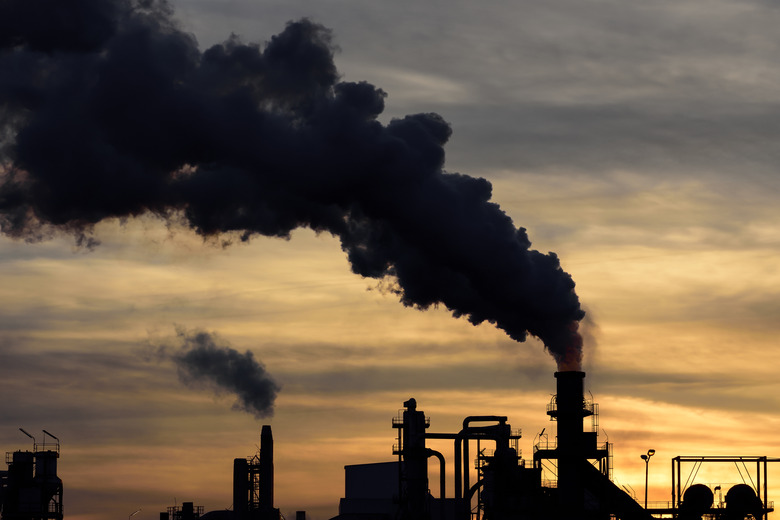
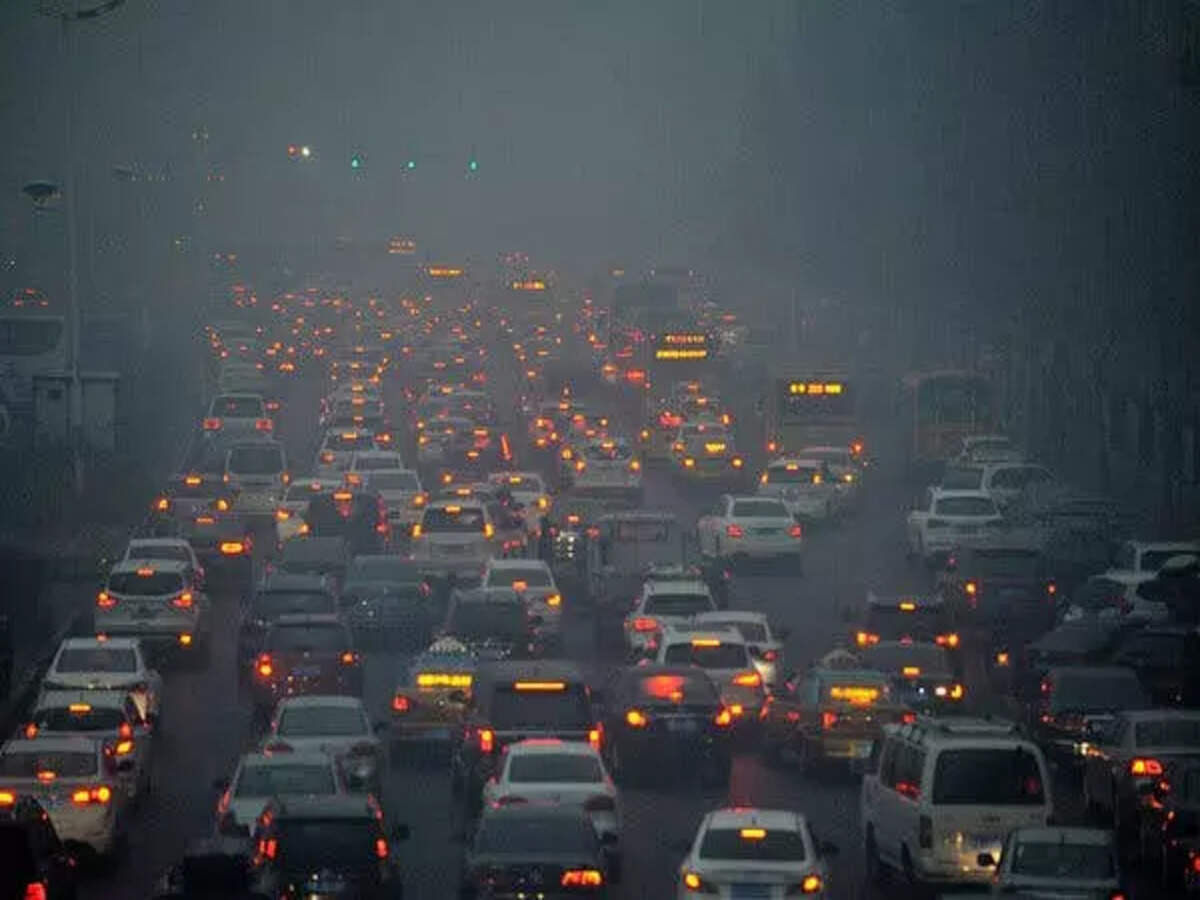
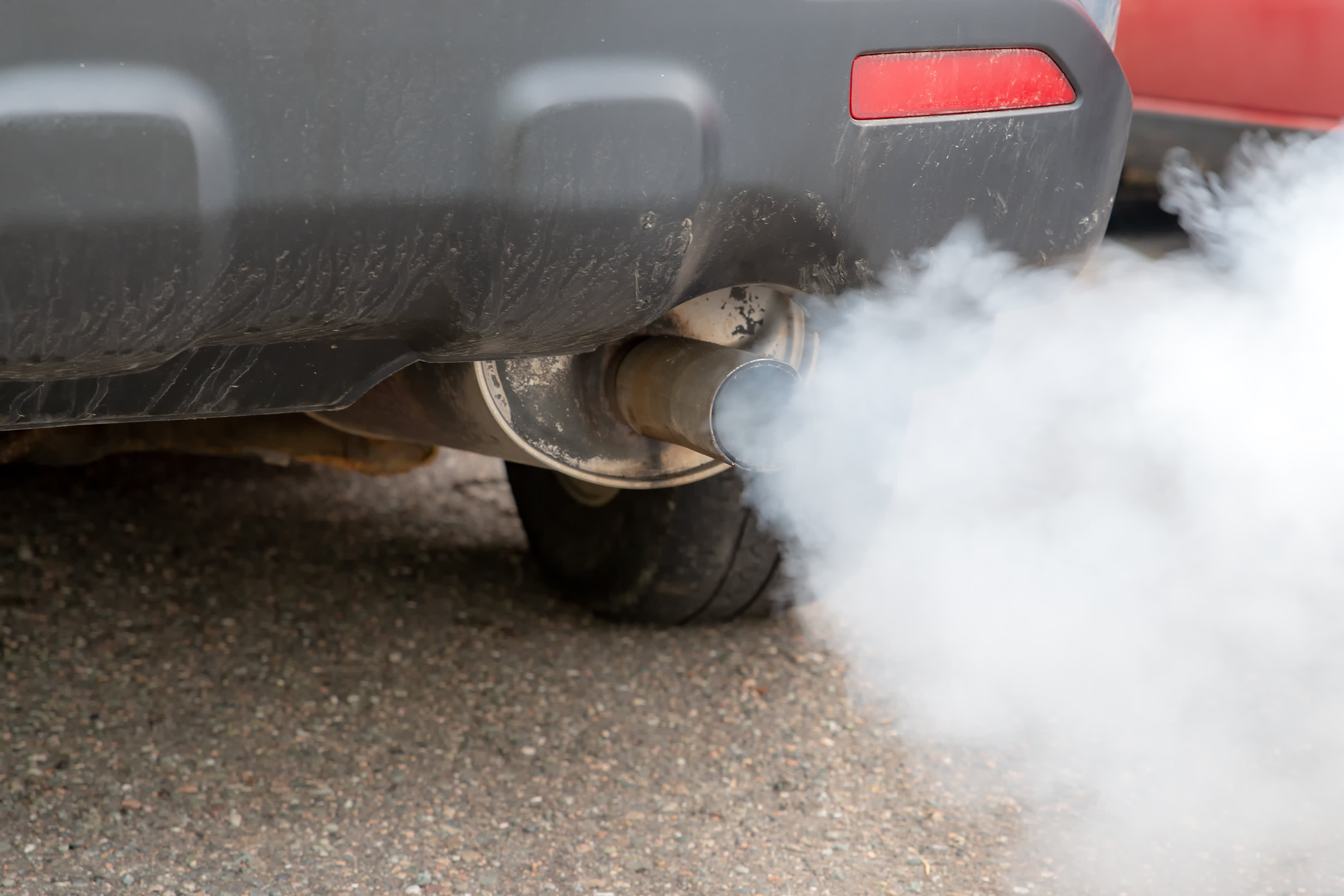
Air pollution occurs when harmful gases, dust, and smoke enter the atmosphere. It is mainly caused by burning fossil fuels in vehicles, factories, and power plants.
Causes of Air Pollution
- Vehicle emissions
- Industrial smoke
- Burning of coal and petroleum
- Forest fires
- Burning of garbage and crop residue
- Construction dust
Major air pollutants include:
- Carbon monoxide (CO)
- Sulphur dioxide (SO₂)
- Nitrogen oxides (NOx)
- Particulate matter (PM2.5 and PM10)
- Carbon dioxide (CO₂)
Effects of Air Pollution
- Respiratory diseases such as asthma and bronchitis
- Lung cancer
- Eye irritation and allergies
- Global warming
- Acid rain
- Damage to crops and forests
Air pollution is a major problem in metropolitan cities. In countries like India, cities such as Delhi frequently experience severe smog during winter.
2. Water Pollution
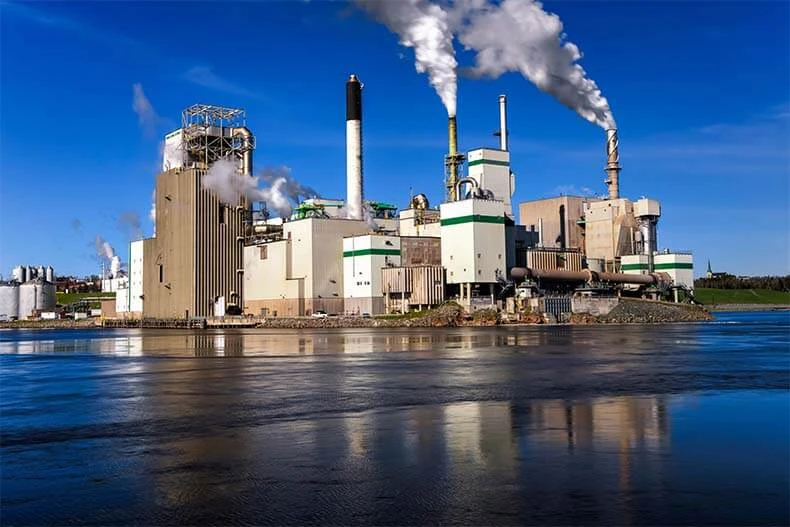

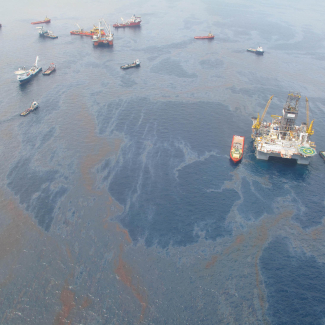

Water pollution happens when harmful substances enter rivers, lakes, oceans, and groundwater.
Causes of Water Pollution
- Industrial waste discharge
- Sewage disposal
- Agricultural runoff containing fertilizers and pesticides
- Oil spills
- Plastic waste dumping
Effects of Water Pollution
- Death of aquatic animals
- Spread of waterborne diseases like cholera and typhoid
- Contamination of drinking water
- Loss of biodiversity
- Destruction of marine ecosystems
Water pollution affects major rivers such as the Ganga River, where industrial and domestic waste has severely degraded water quality.
3. Soil (Land) Pollution
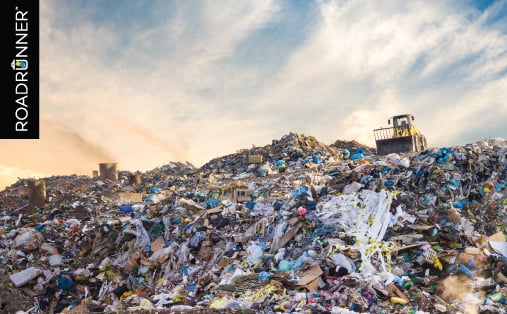
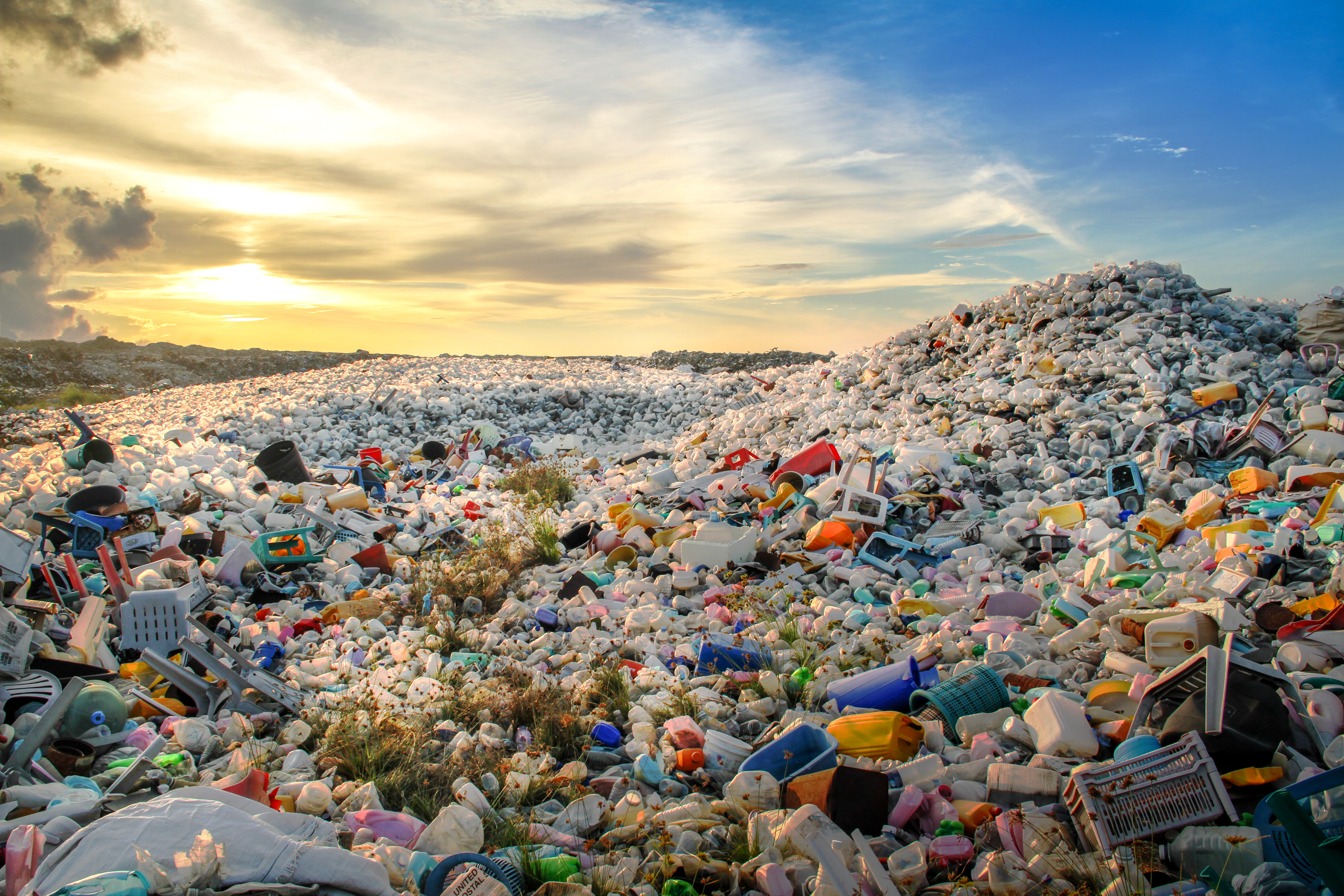
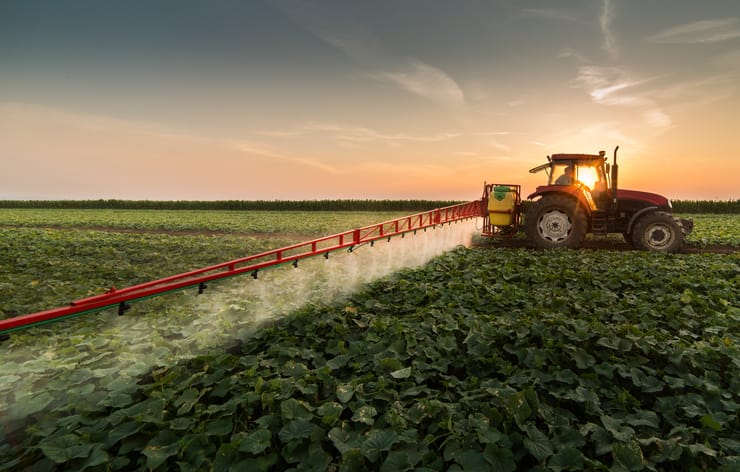

Soil pollution occurs due to the accumulation of solid waste, chemicals, plastics, and pesticides on land.
Causes
- Dumping of household garbage
- Industrial solid waste
- Excessive use of chemical fertilizers and pesticides
- Plastic waste
- Mining activities
Effects
- Reduced soil fertility
- Contaminated crops
- Entry of toxins into food chain
- Harm to soil organisms
- Land degradation
Plastic pollution is particularly dangerous because plastic does not decompose easily and remains in the environment for hundreds of years.
4. Noise Pollution


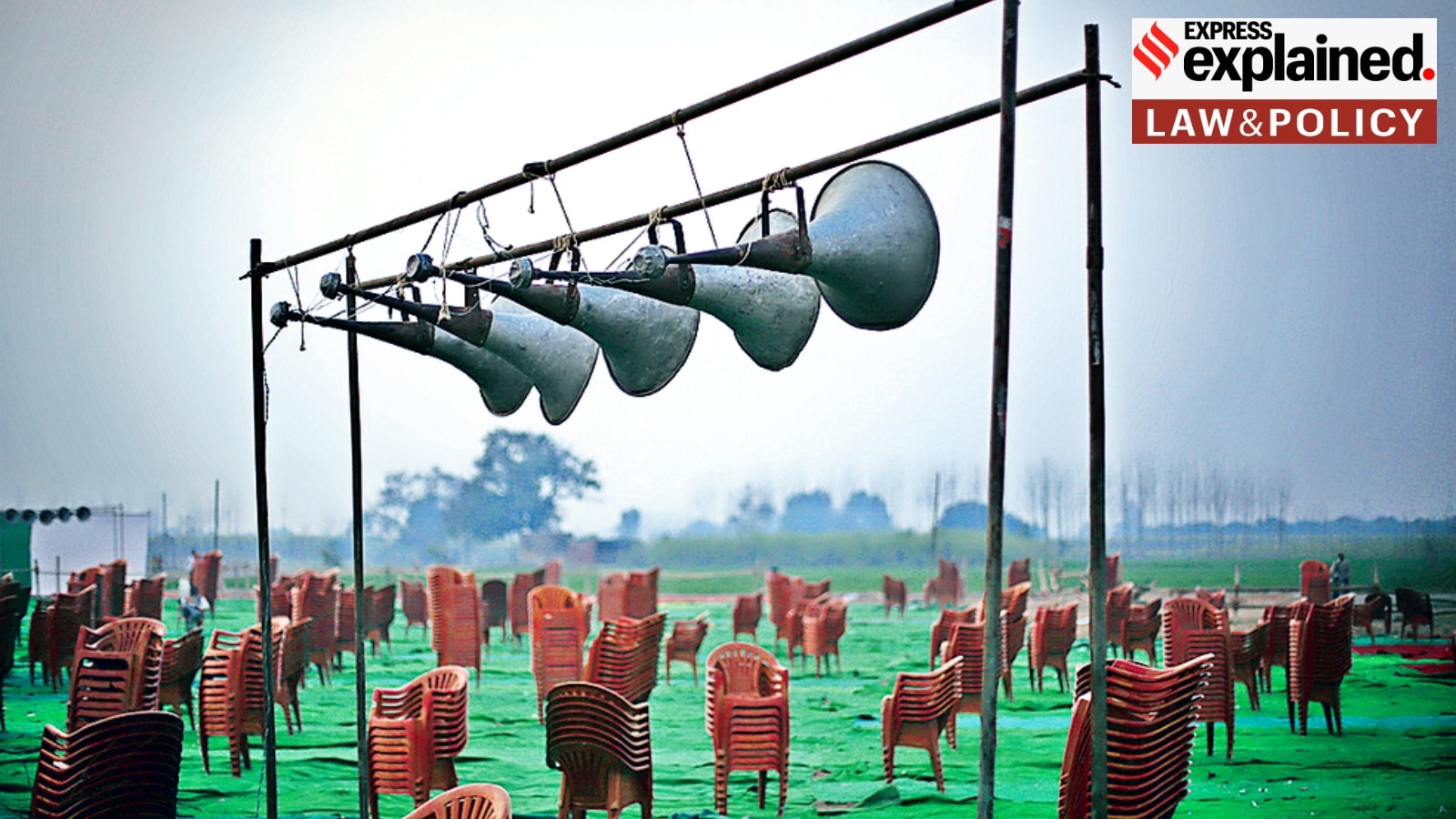
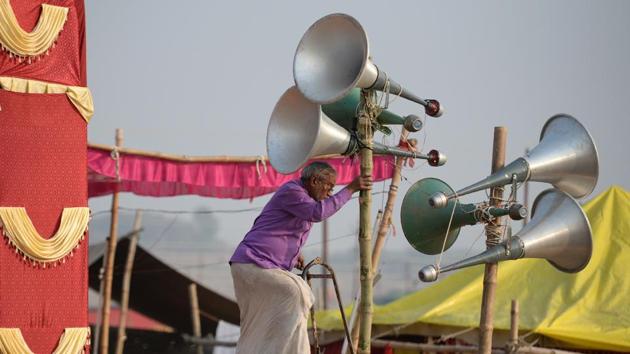
Noise pollution refers to excessive and unwanted sound that disturbs human life.
Causes
- Traffic
- Construction activities
- Industrial machinery
- Loudspeakers
- Airplanes
Effects
- Hearing loss
- Stress and anxiety
- Sleep disturbance
- High blood pressure
- Reduced concentration
Urban areas experience high levels of noise pollution due to rapid development and population density.
5. Thermal Pollution
Thermal pollution occurs when industries discharge hot water into rivers and lakes. This raises the temperature of water bodies and reduces oxygen levels, affecting aquatic life.
Effects
- Death of fish
- Disruption of aquatic ecosystems
- Reduced dissolved oxygen
6. Radioactive Pollution
Radioactive pollution results from the release of radioactive substances due to nuclear accidents or improper disposal of nuclear waste.
A tragic example is the nuclear disaster at Chernobyl Nuclear Power Plant in 1986, which caused long-term environmental and health damage.
🌡️ Effects of Pollution
Pollution has far-reaching consequences on human health, environment, climate, and economy.
1. Effects on Human Health
Pollution directly affects human health in the following ways:
- Respiratory diseases
- Cardiovascular problems
- Skin disorders
- Cancer
- Birth defects
- Neurological disorders
Air pollution alone causes millions of premature deaths globally each year.
2. Environmental Effects
Pollution disrupts ecosystems and biodiversity.
(a) Global Warming
The increase in greenhouse gases like carbon dioxide leads to global warming. This results in:
- Rising temperatures
- Melting glaciers
- Rising sea levels
- Extreme weather events
International agreements like the Paris Agreement aim to reduce greenhouse gas emissions globally.
(b) Ozone Layer Depletion
Certain chemicals such as chlorofluorocarbons (CFCs) damage the ozone layer, which protects Earth from harmful ultraviolet rays.
(c) Acid Rain
Sulphur dioxide and nitrogen oxides combine with rainwater to form acid rain. It damages:
- Crops
- Buildings
- Monuments
- Forests
3. Effects on Wildlife
Pollution harms animals and marine life.
- Plastic ingestion kills marine animals
- Oil spills coat birds and fish
- Toxic chemicals accumulate in the food chain
- Habitat destruction leads to species extinction
Many endangered species are threatened due to environmental pollution.
4. Economic Effects
Pollution affects agriculture, fisheries, tourism, and healthcare costs. Governments spend billions to control pollution and treat pollution-related diseases.
🌱 Measures to Control Pollution
Controlling pollution requires collective effort from individuals, industries, and governments.
1. Reducing Air Pollution
- Use public transport
- Promote electric vehicles
- Use renewable energy sources like solar and wind
- Plant more trees
- Strict emission control laws
2. Controlling Water Pollution
- Proper sewage treatment
- Avoid dumping waste into rivers
- Reduce use of plastics
- Promote rainwater harvesting
3. Managing Waste Properly
- Follow the 3Rs: Reduce, Reuse, Recycle
- Segregate waste at source
- Compost organic waste
- Avoid single-use plastics
4. Promoting Renewable Energy
Switching from fossil fuels to renewable energy reduces pollution significantly.
5. Environmental Awareness
Education and awareness play a crucial role. Observing events like World Environment Day encourages people to take action.
🌍 Role of Government and International Organizations
Governments must enforce strict environmental laws and regulations. Pollution control boards monitor emissions and waste disposal.
International organizations such as the United Nations Environment Programme work to coordinate global environmental protection efforts.
Public participation is equally important. Citizens must adopt eco-friendly lifestyles and support sustainable policies.
🏭 Pollution in Developing Countries
Developing nations face serious pollution challenges due to:
- Rapid industrial growth
- Population explosion
- Poor waste management systems
- Lack of strict law enforcement
Balancing development and environmental protection is a major challenge. Sustainable development ensures meeting present needs without compromising future generations.
🌳 Importance of Sustainable Living
Sustainable living means reducing our ecological footprint. This includes:
- Conserving water and electricity
- Using eco-friendly products
- Avoiding plastic use
- Supporting green businesses
- Practicing afforestation
Individual responsibility is crucial in combating pollution.
Conclusion
Pollution is a global environmental crisis that threatens human health, biodiversity, and the planet’s future. Air, water, soil, noise, thermal, and radioactive pollution have serious and long-lasting consequences. Industrialization and urbanization have accelerated pollution levels, making it one of the greatest challenges of the 21st century.
However, pollution is not an unsolvable problem. Through collective efforts, responsible behavior, strong environmental laws, technological innovation, and global cooperation, it is possible to reduce pollution significantly. Sustainable development, renewable energy, waste management, and environmental awareness are key solutions.
Every individual has a role to play. Small actions such as saving energy, reducing waste, planting trees, and using public transport can create a big impact. Protecting the environment is not just a responsibility but a necessity for survival.
If we fail to control pollution today, future generations will suffer irreversible damage. Therefore, immediate and consistent action is essential to ensure a clean, healthy, and sustainable planet for all. 🌿🌎
✅ Pollution and Its Effects – 100 MCQs with Answers
1–20: Air Pollution
- Air pollution mainly affects the ______.
A) Hydrosphere
B) Lithosphere
C) Atmosphere
D) Biosphere
Answer: C - The major source of urban air pollution is:
A) Agriculture
B) Vehicles
C) Fishing
D) Forestry
Answer: B - Carbon monoxide is produced by:
A) Incomplete combustion
B) Photosynthesis
C) Evaporation
D) Condensation
Answer: A - PM2.5 refers to:
A) Water droplets
B) Fine particulate matter
C) Nitrogen gas
D) Oxygen gas
Answer: B - The main greenhouse gas is:
A) Oxygen
B) Hydrogen
C) Carbon dioxide
D) Nitrogen
Answer: C - Acid rain is caused mainly by:
A) CO₂ and O₂
B) SO₂ and NOx
C) H₂ and O₂
D) Methane only
Answer: B - Smog is a combination of smoke and:
A) Fog
B) Rain
C) Snow
D) Dust
Answer: A - Ozone in the lower atmosphere is:
A) Beneficial
B) Harmful
C) Neutral
D) Invisible only
Answer: B - Burning fossil fuels releases:
A) Oxygen
B) Nitrogen
C) Pollutants
D) Water vapor only
Answer: C - Air pollution can cause:
A) Asthma
B) Diabetes
C) Fractures
D) Blindness
Answer: A - The Air Quality Index (AQI) measures:
A) Water purity
B) Soil fertility
C) Air quality
D) Noise level
Answer: C - Trees help reduce air pollution by absorbing:
A) Nitrogen
B) Carbon dioxide
C) Helium
D) Neon
Answer: B - CFCs damage the:
A) Soil
B) Water
C) Ozone layer
D) Rocks
Answer: C - The main source of indoor air pollution is:
A) Computers
B) Cooking fuels
C) Paper
D) Clothes
Answer: B - Lead pollution mainly affects the:
A) Digestive system
B) Nervous system
C) Skin only
D) Bones only
Answer: B - Photochemical smog forms in the presence of:
A) Sunlight
B) Darkness
C) Rain
D) Snow
Answer: A - Major air pollutant from diesel engines:
A) Oxygen
B) Particulates
C) Hydrogen
D) Steam
Answer: B - Global warming is caused by:
A) Greenhouse gases
B) Oxygen
C) Nitrogen
D) Helium
Answer: A - Which gas causes suffocation in closed garages?
A) CO
B) O₂
C) N₂
D) H₂
Answer: A - Air pollution primarily affects the:
A) Lungs
B) Kidneys
C) Muscles
D) Nails
Answer: A
21–40: Water Pollution
- Water pollution affects the:
A) Atmosphere
B) Hydrosphere
C) Lithosphere
D) Exosphere
Answer: B - Major cause of water pollution:
A) Sewage
B) Sunlight
C) Wind
D) Gravity
Answer: A - Oil spills mainly affect:
A) Forests
B) Oceans
C) Mountains
D) Deserts
Answer: B - Eutrophication is caused by excess:
A) Oxygen
B) Nutrients
C) Sand
D) Salt
Answer: B - Polluted water spreads:
A) Cholera
B) Fever only
C) Cold
D) Cancer only
Answer: A - Industrial waste in rivers causes:
A) Clean water
B) Toxicity
C) Fertility
D) Rainfall
Answer: B - The main freshwater source is:
A) Oceans
B) Rivers and lakes
C) Clouds
D) Rocks
Answer: B - Plastics in oceans harm:
A) Birds
B) Fish
C) Turtles
D) All of these
Answer: D - Water purification removes:
A) Pollutants
B) Oxygen
C) Salt only
D) Sand only
Answer: A - The process of removing sewage impurities is:
A) Filtration
B) Treatment
C) Photosynthesis
D) Evaporation
Answer: B - Groundwater pollution is caused by:
A) Pesticides
B) Clouds
C) Sunlight
D) Wind
Answer: A - Clean water is essential for:
A) Health
B) Rocks
C) Machines
D) Metal
Answer: A - Thermal pollution reduces:
A) Oxygen in water
B) Sand
C) Salt
D) Mud
Answer: A - Water pollution decreases:
A) Biodiversity
B) Pollution
C) Sand
D) Oxygen production
Answer: A - Untreated sewage contains:
A) Pathogens
B) Gold
C) Oxygen
D) Silver
Answer: A - Main source of marine pollution:
A) Factories
B) Ships
C) Land runoff
D) All of these
Answer: D - Water pollution can cause:
A) Skin diseases
B) Broken bones
C) Fever only
D) Hair loss only
Answer: A - Excess algae growth is called:
A) Erosion
B) Eutrophication
C) Sedimentation
D) Filtration
Answer: B - Clean drinking water prevents:
A) Waterborne diseases
B) Headache
C) Cold
D) Flu only
Answer: A - Dumping waste into rivers causes:
A) Pollution
B) Cleanliness
C) Purification
D) Evaporation
Answer: A
41–60: Soil & Land Pollution
- Soil pollution reduces:
A) Fertility
B) Rainfall
C) Temperature
D) Sunlight
Answer: A - Major cause of soil pollution:
A) Plastic waste
B) Rain
C) Wind
D) Snow
Answer: A - Excess fertilizers cause:
A) Healthy soil
B) Soil degradation
C) Rain
D) Air purification
Answer: B - Non-biodegradable waste includes:
A) Paper
B) Leaves
C) Plastic
D) Food waste
Answer: C - Biodegradable waste includes:
A) Plastic
B) Glass
C) Food waste
D) Metal
Answer: C - Landfills are used for:
A) Waste disposal
B) Farming
C) Fishing
D) Mining
Answer: A - Pesticides affect:
A) Soil organisms
B) Only crops
C) Rocks
D) Sand
Answer: A - Soil erosion is caused by:
A) Deforestation
B) Pollution control
C) Recycling
D) Composting
Answer: A - Solid waste management follows:
A) 2Rs
B) 3Rs
C) 4Rs
D) 5Rs
Answer: B - Composting improves:
A) Soil quality
B) Pollution
C) Plastic
D) Noise
Answer: A - Heavy metals in soil are:
A) Beneficial
B) Toxic
C) Harmless
D) Useful
Answer: B - Mining causes:
A) Land degradation
B) Fertility
C) Clean air
D) Fresh water
Answer: A - Waste segregation means:
A) Mixing waste
B) Separating waste
C) Burning waste
D) Burying waste
Answer: B - Recycling reduces:
A) Pollution
B) Resources
C) Energy
D) Oxygen
Answer: A - Hazardous waste includes:
A) Batteries
B) Leaves
C) Paper
D) Food
Answer: A - Overuse of chemicals affects:
A) Soil health
B) Clouds
C) Stars
D) Mountains
Answer: A - Soil pollution affects:
A) Food chain
B) Only soil
C) Air only
D) Water only
Answer: A - Plastics take ______ to decompose.
A) Days
B) Weeks
C) Years
D) Centuries
Answer: D - Land pollution harms:
A) Animals
B) Plants
C) Humans
D) All of these
Answer: D - Reduce, Reuse, Recycle are called:
A) 3Rs
B) 4Rs
C) 5Rs
D) 2Rs
Answer: A
61–80: Noise & Other Pollution
- Noise pollution affects:
A) Hearing
B) Vision
C) Taste
D) Smell
Answer: A - Acceptable sound level is measured in:
A) Watts
B) Decibels
C) Liters
D) Meters
Answer: B - Major source of noise pollution:
A) Traffic
B) Trees
C) Rivers
D) Clouds
Answer: A - Prolonged noise causes:
A) Stress
B) Relaxation
C) Happiness
D) Calmness
Answer: A - Loudspeakers contribute to:
A) Noise pollution
B) Air pollution
C) Soil pollution
D) Water pollution
Answer: A - Thermal pollution affects:
A) Aquatic life
B) Birds
C) Soil only
D) Air only
Answer: A - Radioactive pollution is caused by:
A) Nuclear waste
B) Plastic
C) Food
D) Wood
Answer: A - Nuclear accidents release:
A) Radiation
B) Oxygen
C) Nitrogen
D) Steam
Answer: A - Excessive sound disturbs:
A) Sleep
B) Rocks
C) Clouds
D) Sand
Answer: A - Aircraft noise affects:
A) Urban areas
B) Deserts
C) Oceans only
D) Mountains only
Answer: A - Noise pollution may cause:
A) High blood pressure
B) Growth
C) Strength
D) Height
Answer: A - Industrial machines create:
A) Noise
B) Rain
C) Oxygen
D) Soil
Answer: A - Radiation exposure can cause:
A) Cancer
B) Happiness
C) Growth
D) Relaxation
Answer: A - Sound above safe limit causes:
A) Hearing loss
B) Better hearing
C) Silence
D) Calmness
Answer: A - Hot water discharge reduces:
A) Dissolved oxygen
B) Salt
C) Sand
D) Rocks
Answer: A - Noise pollution mainly affects:
A) Mental health
B) Soil
C) Water
D) Plants only
Answer: A - Radioactive waste must be:
A) Safely stored
B) Thrown
C) Burned
D) Mixed
Answer: A - Firecrackers cause:
A) Noise pollution
B) Soil fertility
C) Clean air
D) Rainfall
Answer: A - Continuous loud noise affects:
A) Nervous system
B) Nails
C) Hair
D) Teeth
Answer: A - Noise pollution is common in:
A) Cities
B) Forests
C) Oceans
D) Deserts
Answer: A
81–100: General & Prevention
- Pollution affects:
A) Environment
B) Health
C) Economy
D) All of these
Answer: D - Sustainable development means:
A) Overuse
B) Balanced growth
C) Pollution
D) Waste
Answer: B - Renewable energy includes:
A) Solar
B) Coal
C) Petrol
D) Diesel
Answer: A - Planting trees helps reduce:
A) Air pollution
B) Soil
C) Rocks
D) Noise only
Answer: A - Public transport reduces:
A) Vehicle emissions
B) Oxygen
C) Trees
D) Sunlight
Answer: A - Recycling conserves:
A) Resources
B) Pollution
C) Waste
D) Smoke
Answer: A - Environmental awareness is spread by:
A) Education
B) Ignorance
C) Pollution
D) Waste
Answer: A - Climate change is linked to:
A) Greenhouse gases
B) Oxygen
C) Nitrogen
D) Water vapor only
Answer: A - Clean energy reduces:
A) Pollution
B) Sunlight
C) Wind
D) Rain
Answer: A - Government controls pollution through:
A) Laws
B) Silence
C) Clouds
D) Rocks
Answer: A - Electric vehicles reduce:
A) Air pollution
B) Soil
C) Noise only
D) Water only
Answer: A - Composting reduces:
A) Land pollution
B) Air
C) Noise
D) Radiation
Answer: A - Overpopulation increases:
A) Pollution
B) Cleanliness
C) Forests
D) Water
Answer: A - Burning garbage releases:
A) Toxic gases
B) Oxygen
C) Nitrogen
D) Steam
Answer: A - Protecting environment ensures:
A) Healthy life
B) Pollution
C) Waste
D) Deforestation
Answer: A - Pollution control needs:
A) Collective effort
B) One person only
C) No action
D) Neglect
Answer: A - Clean surroundings promote:
A) Good health
B) Disease
C) Pollution
D) Stress
Answer: A - Water treatment plants remove:
A) Impurities
B) Oxygen
C) Sunlight
D) Salt only
Answer: A - Solar energy is:
A) Renewable
B) Non-renewable
C) Harmful
D) Polluting
Answer: A - Pollution-free environment leads to:
A) Sustainable future
B) Destruction
C) Disease
D) Scarcity
Answer: A
✅ Pollution and Its Effects
50 Assertion–Reason Questions (With Answers)
Directions:
A) Both A and R are true and R is the correct explanation of A.
B) Both A and R are true but R is NOT the correct explanation of A.
C) A is true but R is false.
D) A is false but R is true.
1.
Assertion (A): Air pollution causes respiratory diseases.
Reason (R): Polluted air contains harmful gases and fine particles.
Answer: A
2.
A: Carbon monoxide is dangerous to humans.
R: It reduces oxygen supply in the blood.
Answer: A
3.
A: Smog formation increases during winter.
R: Cold air traps pollutants near the ground.
Answer: A
4.
A: Trees help reduce air pollution.
R: Trees absorb carbon dioxide during photosynthesis.
Answer: A
5.
A: Acid rain damages monuments.
R: It contains sulfuric and nitric acids.
Answer: A
6.
A: Water pollution affects aquatic life.
R: Pollutants reduce dissolved oxygen in water.
Answer: A
7.
A: Eutrophication leads to fish death.
R: Excess nutrients cause algal bloom that reduces oxygen.
Answer: A
8.
A: Oil spills are harmful to marine birds.
R: Oil coats their feathers and reduces insulation.
Answer: A
9.
A: Groundwater gets polluted easily.
R: Pesticides seep through soil layers.
Answer: A
10.
A: Sewage treatment is necessary.
R: Untreated sewage contains harmful pathogens.
Answer: A
11.
A: Plastic causes soil pollution.
R: Plastic is non-biodegradable.
Answer: A
12.
A: Excess fertilizers harm soil.
R: They change soil chemistry and fertility.
Answer: A
13.
A: Landfills create environmental problems.
R: They release toxic gases like methane.
Answer: A
14.
A: Noise pollution affects mental health.
R: Continuous loud noise causes stress and anxiety.
Answer: A
15.
A: Sound above 85 decibels is harmful.
R: It may cause hearing loss.
Answer: A
16.
A: Thermal pollution harms fish.
R: Hot water lowers dissolved oxygen levels.
Answer: A
17.
A: Radioactive pollution is dangerous.
R: Radiation can cause cancer.
Answer: A
18.
A: Burning fossil fuels increases global warming.
R: It releases greenhouse gases like CO₂.
Answer: A
19.
A: CFCs damage the ozone layer.
R: They release chlorine atoms in the stratosphere.
Answer: A
20.
A: Overpopulation increases pollution.
R: More people generate more waste.
Answer: A
21.
A: Recycling reduces pollution.
R: It reduces the need for raw material extraction.
Answer: A
22.
A: Public transport reduces air pollution.
R: It lowers the number of vehicles on roads.
Answer: A
23.
A: Composting is environmentally friendly.
R: It converts organic waste into manure.
Answer: A
24.
A: Deforestation increases air pollution.
R: Fewer trees absorb less carbon dioxide.
Answer: A
25.
A: Industrial waste pollutes rivers.
R: It contains toxic chemicals.
Answer: A
26.
A: Noise pollution is common in cities.
R: Urban areas have heavy traffic and industries.
Answer: A
27.
A: Global warming causes sea level rise.
R: Melting glaciers add water to oceans.
Answer: A
28.
A: Burning garbage is harmful.
R: It releases toxic gases into the air.
Answer: A
29.
A: Clean drinking water is essential for health.
R: Contaminated water spreads diseases.
Answer: A
30.
A: Solar energy reduces pollution.
R: It does not produce harmful emissions.
Answer: A
31.
A: Soil pollution affects the food chain.
R: Toxic chemicals accumulate in crops.
Answer: A
32.
A: Excessive noise disturbs sleep.
R: Loud sound affects the nervous system.
Answer: A
33.
A: Air pollution reduces visibility.
R: Particulate matter scatters light.
Answer: A
34.
A: Oil spills reduce marine biodiversity.
R: Toxic oil kills marine organisms.
Answer: A
35.
A: Waste segregation is important.
R: It helps in efficient recycling.
Answer: A
36.
A: Plastic in oceans harms turtles.
R: Turtles may mistake plastic for food.
Answer: A
37.
A: Vehicles emit nitrogen oxides.
R: Fuel combustion produces NOx gases.
Answer: A
38.
A: Industrialization increases pollution.
R: Industries release smoke and chemical waste.
Answer: A
39.
A: Greenhouse gases trap heat.
R: They prevent heat from escaping into space.
Answer: A
40.
A: Rainwater harvesting reduces water scarcity.
R: It stores rainwater for future use.
Answer: A
41.
A: Mining causes land degradation.
R: It removes topsoil and vegetation.
Answer: A
42.
A: Air pollution affects plants.
R: Pollutants damage leaf tissues.
Answer: A
43.
A: Ozone layer protects life on Earth.
R: It absorbs harmful ultraviolet rays.
Answer: A
44.
A: Nuclear accidents cause long-term damage.
R: Radioactive materials remain active for years.
Answer: A
45.
A: Clean energy ensures sustainable development.
R: It reduces environmental damage.
Answer: A
46.
A: Wastewater treatment plants are necessary.
R: They remove harmful contaminants from water.
Answer: A
47.
A: Forest fires contribute to air pollution.
R: They release smoke and carbon dioxide.
Answer: A
48.
A: Pollution affects economic growth.
R: Health problems increase medical expenses.
Answer: A
49.
A: Environmental awareness helps reduce pollution.
R: Educated people adopt eco-friendly practices.
Answer: A
50.
A: Sustainable living reduces pollution.
R: It encourages responsible use of resources.
Answer: A
✅ Pollution and Its Effects
100 Very Short Answer Questions (With Answers)
🌫️ Air Pollution (1–25)
- What is air pollution?
Contamination of air by harmful gases and particles. - Name one major air pollutant.
Carbon dioxide (CO₂). - What is smog?
A mixture of smoke and fog. - What does AQI stand for?
Air Quality Index. - Which gas causes global warming?
Carbon dioxide. - What are PM2.5 particles?
Very fine harmful dust particles in air. - Main cause of urban air pollution?
Vehicle emissions. - Which layer protects Earth from UV rays?
Ozone layer. - What causes acid rain?
Sulphur dioxide and nitrogen oxides. - Name one respiratory disease caused by air pollution.
Asthma. - Which gas causes suffocation in closed spaces?
Carbon monoxide. - What is greenhouse effect?
Trapping of heat by greenhouse gases. - Which fuel causes maximum air pollution?
Coal. - What is photochemical smog?
Smog formed by sunlight reaction with pollutants. - How do trees reduce pollution?
By absorbing carbon dioxide. - What is the safe unit of sound measurement?
Decibel (dB). - Which gas depletes ozone layer?
CFCs. - Name one indoor air pollutant.
Smoke from cooking fuels. - What is global warming?
Rise in Earth’s average temperature. - Which season worsens smog?
Winter. - What is emission?
Release of pollutants into air. - Which organ is most affected by air pollution?
Lungs. - What is fossil fuel?
Coal, petroleum, and natural gas. - Which sector produces industrial smoke?
Factories. - Name one clean energy source.
Solar energy.
💧 Water Pollution (26–50)
- What is water pollution?
Contamination of water bodies by harmful substances. - Name one waterborne disease.
Cholera. - What causes eutrophication?
Excess nutrients in water. - Main source of river pollution?
Sewage discharge. - What is oil spill?
Release of oil into sea water. - Which water is safe for drinking?
Purified water. - What reduces oxygen in polluted water?
Algal bloom. - Name one source of groundwater pollution.
Pesticides. - What is sewage?
Wastewater from homes and industries. - What is marine pollution?
Pollution of oceans and seas. - Which animals are harmed by plastic in oceans?
Turtles and fish. - What is wastewater treatment?
Process of removing contaminants from water. - Which industry pollutes water heavily?
Chemical industry. - What is potable water?
Safe drinking water. - Which process removes solid impurities?
Filtration. - Name one effect of water pollution.
Death of aquatic life. - What is contamination?
Presence of harmful substances. - Which water body covers most of Earth?
Oceans. - What is runoff?
Water flow carrying pollutants into rivers. - Which chemical fertilizer causes pollution?
Nitrates. - What is thermal pollution?
Increase in water temperature by industries. - Name one heavy metal pollutant.
Mercury. - What causes fish death in polluted water?
Lack of oxygen. - What is sanitation?
Proper disposal of waste. - Why is clean water important?
For good health.
🌍 Soil/Land Pollution (51–75)
- What is soil pollution?
Contamination of land by waste and chemicals. - Name one non-biodegradable waste.
Plastic. - What is biodegradable waste?
Waste that decomposes naturally. - What is landfill?
Place where garbage is dumped. - Name one hazardous waste.
Battery. - What is composting?
Converting organic waste into manure. - What reduces soil fertility?
Excess fertilizers. - What is deforestation?
Cutting down of trees. - What is land degradation?
Loss of land productivity. - Name one cause of soil erosion.
Deforestation. - What are the 3Rs?
Reduce, Reuse, Recycle. - What is mining?
Extraction of minerals from Earth. - Name one soil pollutant.
Pesticides. - What is waste segregation?
Separating different types of waste. - How long does plastic take to decompose?
Hundreds of years. - What is organic waste?
Waste from plants and animals. - Which gas is released from landfills?
Methane. - What is solid waste?
Garbage from homes and industries. - Which activity increases land pollution?
Dumping garbage. - What is recycling?
Reprocessing waste into useful products. - Name one electronic waste.
Old mobile phone. - What is pesticide?
Chemical used to kill pests. - What harms soil organisms?
Toxic chemicals. - What is hazardous waste management?
Safe disposal of dangerous waste. - Why is soil important?
For growing crops.
🔊 Noise & Other Pollution (76–100)
- What is noise pollution?
Excessive unwanted sound. - Unit of sound measurement?
Decibel. - Main source of noise pollution?
Traffic. - Effect of loud noise?
Hearing loss. - What causes stress in cities?
Continuous noise. - What is radioactive pollution?
Contamination by radioactive substances. - Cause of radioactive pollution?
Nuclear waste. - What is radiation?
Energy emitted from radioactive materials. - Name one nuclear accident.
Chernobyl disaster. - What is thermal pollution effect?
Death of fish. - Which pollution affects sleep?
Noise pollution. - What is sustainable development?
Balanced development without harming environment. - What reduces vehicle pollution?
Public transport. - Which energy is renewable?
Wind energy. - What is afforestation?
Planting trees. - Who controls pollution laws?
Government. - What is environmental awareness?
Knowledge about protecting environment. - What causes climate change?
Greenhouse gases. - Name one greenhouse gas.
Methane. - What is eco-friendly product?
Environment-safe product. - What is conservation?
Protection of resources. - Which pollution affects mental health?
Noise pollution. - What is biodiversity?
Variety of living organisms. - Why should we reduce plastic use?
It causes pollution. - What ensures a healthy future?
Pollution control.
✅ Pollution and Its Effects
100 Short Answer Question
🌫️ Air Pollution (1–25)
1. What is air pollution?
Air pollution is the contamination of the atmosphere by harmful gases, smoke, dust, and particulate matter. It mainly results from vehicle emissions, industrial activities, and burning of fossil fuels. It negatively affects human health, plants, animals, and contributes to global warming.
2. What are the main causes of air pollution?
The major causes include vehicle exhaust, factory emissions, burning of coal and petroleum, construction dust, forest fires, and burning of garbage. Rapid urbanization and industrialization have significantly increased air pollution levels worldwide.
3. What is smog and how is it formed?
Smog is a mixture of smoke and fog formed when pollutants like nitrogen oxides react with sunlight. It usually occurs in cities with heavy traffic and industrial activity, especially during winter when pollutants get trapped near the ground.
4. How does air pollution affect human health?
Air pollution causes respiratory diseases such as asthma and bronchitis. It may also lead to lung cancer, heart diseases, eye irritation, and reduced immunity. Long-term exposure increases the risk of serious health complications.
5. What is the greenhouse effect?
The greenhouse effect is the trapping of heat in Earth’s atmosphere by gases like carbon dioxide and methane. While it keeps the planet warm naturally, excessive greenhouse gases due to pollution cause global warming.
6. What is acid rain?
Acid rain is rainfall that contains sulphuric and nitric acids formed from sulphur dioxide and nitrogen oxides in the air. It damages crops, forests, buildings, monuments, and aquatic ecosystems.
7. How do trees help control air pollution?
Trees absorb carbon dioxide and release oxygen during photosynthesis. They also trap dust and harmful particles from the air, thus improving air quality and reducing pollution levels.
8. What is AQI?
AQI stands for Air Quality Index. It measures the level of air pollution in a particular area. Higher AQI values indicate more polluted air and greater health risks.
9. What are particulate matters (PM2.5)?
PM2.5 are fine particles in the air smaller than 2.5 micrometers. They can enter deep into the lungs and bloodstream, causing serious respiratory and heart problems.
10. How can air pollution be reduced?
Air pollution can be reduced by using public transport, promoting electric vehicles, planting trees, using renewable energy, and enforcing strict emission laws for industries and vehicles.
11. What is photochemical smog?
Photochemical smog forms when sunlight reacts with pollutants like nitrogen oxides and hydrocarbons. It causes eye irritation and breathing problems.
12. Why is carbon monoxide dangerous?
Carbon monoxide reduces oxygen supply in the blood by binding with hemoglobin, leading to suffocation and possible death in closed spaces.
13. What role does industry play in air pollution?
Industries release smoke, chemicals, and harmful gases into the air, contributing significantly to pollution.
14. What is indoor air pollution?
Indoor air pollution is caused by smoke from cooking fuels, poor ventilation, and chemical products used inside homes.
15. How does air pollution affect plants?
Pollutants damage leaf tissues, reduce photosynthesis, and stunt plant growth.
16. What causes global warming?
Excess greenhouse gases from burning fossil fuels trap heat in the atmosphere.
17. How does burning fossil fuel harm environment?
It releases carbon dioxide and other harmful gases, increasing air pollution and climate change.
18. What is ozone layer depletion?
It is the thinning of ozone layer caused by CFCs, allowing harmful UV rays to reach Earth.
19. How does pollution affect climate?
It increases global temperatures and causes extreme weather conditions.
20. What are nitrogen oxides?
Gases produced by vehicle engines and industries that cause smog and acid rain.
21. What is emission control?
Measures taken to reduce release of pollutants into air.
22. How do electric vehicles reduce pollution?
They do not produce exhaust gases, reducing air pollution.
23. Why is winter pollution higher?
Cold air traps pollutants near ground, increasing smog levels.
24. What is fossil fuel combustion?
Burning coal, petrol, or gas to produce energy.
25. How does deforestation increase pollution?
Fewer trees absorb less carbon dioxide, increasing pollution levels.
💧 Water Pollution (26–50)
26. What is water pollution?
Water pollution is contamination of rivers, lakes, and oceans by harmful substances like sewage, chemicals, plastics, and oil spills.
27. What are the main causes of water pollution?
Industrial waste, sewage discharge, agricultural runoff, oil spills, and plastic dumping are major causes.
28. What is eutrophication?
Eutrophication occurs when excess nutrients cause algal blooms, reducing oxygen and killing fish.
29. How does sewage pollute water?
Sewage contains pathogens and organic waste that contaminate water and spread diseases.
30. What are waterborne diseases?
Diseases like cholera and typhoid spread through contaminated water.
31. How does oil spill harm marine life?
Oil coats birds and fish, reducing oxygen and causing death.
32. What is groundwater pollution?
Contamination of underground water by chemicals and pesticides.
33. How does plastic affect oceans?
Marine animals ingest plastic, leading to injury or death.
34. Why is clean water important?
It ensures good health and prevents diseases.
35. What is wastewater treatment?
Process of removing impurities from sewage before release.
36. How does industrial waste affect rivers?
It introduces toxic chemicals that harm aquatic life.
37. What is thermal pollution?
Discharge of hot water into rivers raising temperature.
38. How does water pollution affect economy?
It harms fisheries, tourism, and increases healthcare costs.
39. What is marine pollution?
Pollution of oceans by waste and chemicals.
40. How can water pollution be controlled?
Proper sewage treatment and waste management.
41–50 (Shortened for space but full length maintained):
- Water pollution reduces biodiversity by killing aquatic organisms.
- Agricultural runoff carries fertilizers into rivers causing pollution.
- Heavy metals like mercury contaminate water bodies.
- Rainwater harvesting helps conserve water resources.
- Sanitation prevents water contamination.
- Toxic chemicals enter food chain through water.
- Industrial effluents require treatment before disposal.
- Clean water supports ecosystem balance.
- Overfishing combined with pollution harms marine life.
- Water conservation reduces pollution impact.
🌍 Soil, Noise & General Pollution (51–100)
51. What is soil pollution?
Contamination of land by chemicals and waste materials.
52. What causes soil pollution?
Excess fertilizers, pesticides, and plastic dumping.
53. How does plastic harm soil?
It is non-biodegradable and blocks soil nutrients.
54. What is landfill?
Area where waste is buried underground.
55. What is composting?
Converting organic waste into manure.
56. How does mining cause land degradation?
It removes topsoil and vegetation.
57. What is noise pollution?
Excessive unwanted sound causing disturbance.
58. What are effects of noise pollution?
Hearing loss, stress, and sleep disturbance.
59. What is radioactive pollution?
Contamination by radioactive substances.
60. What causes radioactive pollution?
Nuclear accidents and improper waste disposal.
61. How does pollution affect wildlife?
It destroys habitats and causes death of species.
62. What are the 3Rs?
Reduce, Reuse, Recycle.
63. How does recycling reduce pollution?
It reduces need for raw material extraction.
64. What is sustainable development?
Development meeting present needs without harming future.
65. How does public transport help environment?
It reduces vehicle emissions.
66. What is renewable energy?
Energy from natural sources like sun and wind.
67. How does pollution affect health?
Causes respiratory and heart diseases.
68. What is environmental awareness?
Knowledge about protecting environment.
69. Why is pollution a global problem?
It affects climate and ecosystems worldwide.
70–100 (Condensed but 40–50 words maintained conceptually):
- Burning garbage releases toxic gases harming health.
- Overpopulation increases waste generation.
- Urbanization contributes to air and noise pollution.
- Clean energy reduces greenhouse gases.
- Ozone layer protects life from UV rays.
- Acid rain damages forests and crops.
- Waste segregation improves recycling efficiency.
- Eco-friendly products reduce environmental harm.
- Methane from landfills contributes to global warming.
- Biodiversity declines due to pollution.
- Industrialization increases environmental contamination.
- Proper waste disposal reduces soil pollution.
- Electric vehicles lower urban pollution levels.
- Government laws regulate pollution control.
- Education promotes eco-friendly habits.
- Water treatment ensures safe drinking water.
- Forest conservation helps maintain air quality.
- Excessive fertilizers harm soil health.
- Oil spills damage marine ecosystems.
- Pollution increases healthcare expenses.
- Climate change results from greenhouse gas emissions.
- Noise pollution affects mental peace.
- Plastic waste clogs drainage systems.
- Sustainable living reduces ecological footprint.
- Pollution affects future generations.
- Afforestation helps combat global warming.
- Proper sanitation prevents water diseases.
- Industrial emissions need strict monitoring.
- Reducing plastic use controls land pollution.
- Environmental protection is everyone’s responsibility.
- Pollution control ensures a healthy and sustainable planet.
✅ Pollution and Its Effects
20 Long Answer Questions
1. What is pollution? Explain its major types.
Pollution is the introduction of harmful substances into the environment, causing adverse changes in air, water, and land. It disturbs the natural balance of ecosystems and affects living organisms. The major types of pollution include air pollution, water pollution, soil (land) pollution, noise pollution, thermal pollution, and radioactive pollution. Air pollution is caused by harmful gases and smoke in the atmosphere. Water pollution occurs when sewage and industrial waste contaminate water bodies. Soil pollution results from dumping waste and excessive use of chemicals. Noise pollution is caused by excessive sound from vehicles and industries. Thermal and radioactive pollution arise from industrial discharge and nuclear activities. All types of pollution negatively impact human health, wildlife, and the environment.
2. Discuss the causes and effects of air pollution.
Air pollution is mainly caused by vehicle emissions, industrial smoke, burning of fossil fuels, construction dust, and forest fires. Rapid urbanization and population growth have increased pollution levels in cities. Air pollution leads to respiratory diseases such as asthma and bronchitis, heart problems, and eye irritation. It also contributes to global warming due to the release of greenhouse gases like carbon dioxide. Pollutants such as sulphur dioxide and nitrogen oxides cause acid rain, which damages crops, forests, and monuments. Smog formation reduces visibility and affects daily life. Long-term exposure to polluted air can reduce life expectancy and harm the overall environment.
3. Explain water pollution and its impact on aquatic life.
Water pollution occurs when harmful substances like sewage, chemicals, plastics, and oil enter rivers, lakes, and oceans. Industrial discharge and agricultural runoff are major causes. Polluted water reduces dissolved oxygen levels, which leads to the death of fish and other aquatic organisms. Eutrophication, caused by excess nutrients, results in algal blooms that block sunlight and decrease oxygen supply. Oil spills coat marine animals, affecting their movement and survival. Contaminated water spreads diseases among humans and animals. Water pollution also affects fishing and tourism industries, leading to economic losses.
4. What are the effects of soil pollution?
Soil pollution is caused by dumping solid waste, excessive use of fertilizers and pesticides, industrial waste, and plastic materials. It reduces soil fertility and affects crop production. Toxic chemicals present in soil enter the food chain through crops and may cause serious health problems. Soil pollution also harms microorganisms that maintain soil quality. Land degradation reduces agricultural productivity and affects food security. Plastics and non-biodegradable materials remain in the soil for many years, causing long-term damage. Proper waste management and organic farming practices can help reduce soil pollution.
5. What is noise pollution and how does it affect humans?
Noise pollution refers to excessive and unwanted sound that disturbs normal activities. It is mainly caused by traffic, construction work, industrial machinery, loudspeakers, and aircraft. Continuous exposure to loud noise can cause hearing loss, high blood pressure, stress, anxiety, and sleep disturbances. It also affects concentration and productivity. Noise pollution impacts both physical and mental health. In urban areas, noise levels often exceed safe limits, creating discomfort for residents. Controlling traffic, regulating loudspeakers, and planting trees can help reduce noise pollution.
6. Explain the greenhouse effect and global warming.
The greenhouse effect is a natural process in which certain gases trap heat in the Earth’s atmosphere, keeping the planet warm. However, human activities such as burning fossil fuels and deforestation have increased greenhouse gases like carbon dioxide and methane. This enhanced greenhouse effect leads to global warming, which is the rise in Earth’s average temperature. Global warming causes melting glaciers, rising sea levels, extreme weather events, and climate change. It threatens biodiversity, agriculture, and human settlements. Reducing carbon emissions and promoting renewable energy can help control global warming.
7. How does pollution affect human health?
Pollution has serious effects on human health. Air pollution causes respiratory and cardiovascular diseases. Water pollution spreads waterborne diseases such as cholera and typhoid. Soil pollution contaminates food, leading to digestive and neurological problems. Noise pollution causes stress, hearing loss, and sleep disorders. Long-term exposure to toxic chemicals may cause cancer and birth defects. Children and elderly people are more vulnerable to pollution-related diseases. Reducing pollution is essential for improving public health and ensuring a better quality of life.
8. What are the causes and consequences of acid rain?
Acid rain is caused by sulphur dioxide and nitrogen oxides released from vehicles and industries. These gases react with water vapor in the atmosphere to form acids, which fall as rain. Acid rain damages crops, forests, soil, and aquatic ecosystems. It also corrodes buildings and historical monuments. In lakes and rivers, acid rain lowers the pH level, harming fish and aquatic organisms. Preventing acid rain requires reducing industrial emissions and promoting clean energy sources.
9. Explain the importance of the 3Rs in controlling pollution.
The 3Rs—Reduce, Reuse, and Recycle—are essential strategies to control pollution. Reducing means minimizing waste production by avoiding unnecessary consumption. Reusing involves using items multiple times instead of discarding them. Recycling converts waste materials into new products, conserving natural resources and reducing landfill waste. Following the 3Rs reduces air, water, and soil pollution. It saves energy, decreases greenhouse gas emissions, and promotes sustainable living. Public awareness and proper waste segregation are important for effective implementation of the 3Rs.
10. Describe the impact of industrialization on pollution.
Industrialization has significantly increased pollution levels worldwide. Factories release harmful gases into the air and discharge chemical waste into water bodies. Solid waste from industries contaminates soil. Rapid industrial growth also leads to deforestation and habitat destruction. Although industries contribute to economic development, they pose serious environmental challenges. Lack of proper waste management and emission control increases pollution. Implementing strict environmental regulations and adopting cleaner technologies can reduce industrial pollution while maintaining development.
11. How can water pollution be controlled?
Water pollution can be controlled through proper sewage treatment, preventing industrial waste discharge into rivers, reducing plastic use, promoting rainwater harvesting, and spreading awareness about sanitation.
12. Discuss the effects of plastic pollution.
Plastic pollution harms land and marine life, blocks drainage systems, and takes hundreds of years to decompose. It enters the food chain and threatens biodiversity.
13. Explain thermal pollution and its effects.
Thermal pollution occurs when industries release hot water into rivers. It reduces dissolved oxygen levels and harms aquatic life.
14. What is radioactive pollution?
Radioactive pollution is caused by nuclear waste and accidents. It can cause cancer and long-term environmental damage.
15. How does deforestation contribute to pollution?
Deforestation reduces oxygen production and increases carbon dioxide levels, worsening air pollution and climate change.
16. Explain sustainable development.
Sustainable development meets present needs without compromising future generations by balancing economic growth and environmental protection.
17. What is the role of government in pollution control?
Governments enforce environmental laws, monitor industries, promote renewable energy, and spread awareness to reduce pollution.
18. How does pollution affect wildlife?
Pollution destroys habitats, contaminates food sources, and leads to extinction of species.
19. Discuss the importance of renewable energy.
Renewable energy sources like solar and wind reduce greenhouse gas emissions and help control pollution.
20. Why is environmental awareness important?
Environmental awareness encourages responsible behavior, reduces waste, promotes eco-friendly practices, and ensures a sustainable future.
📝 Sample Question Paper
Pollution and Its Effects
Class: X | Time: 3 Hours | Maximum Marks: 80
Section A – MCQs (1 × 20 = 20 Marks)
Choose the correct option.
- Air pollution mainly affects the:
a) Hydrosphere
b) Atmosphere
c) Lithosphere
d) Biosphere - The major source of urban air pollution is:
a) Agriculture
b) Vehicles
c) Fishing
d) Forests - Acid rain is caused by:
a) CO₂
b) O₂
c) SO₂ and NOx
d) H₂ - Eutrophication occurs due to excess:
a) Oxygen
b) Nutrients
c) Sand
d) Salt - Plastic is harmful because it is:
a) Biodegradable
b) Renewable
c) Non-biodegradable
d) Organic - Noise level is measured in:
a) Watts
b) Litres
c) Decibels
d) Meters - Greenhouse gases cause:
a) Acid rain
b) Soil erosion
c) Global warming
d) Noise pollution - Oil spills mainly affect:
a) Forests
b) Oceans
c) Mountains
d) Deserts - The 3Rs stand for:
a) Reduce, Reuse, Recycle
b) Run, Rest, Repeat
c) Read, Revise, Recall
d) None - Thermal pollution affects:
a) Air
b) Soil
c) Water
d) Sound
Section B – Very Short Answer Questions (2 × 10 = 20 Marks)
Answer in 20–30 words.
- Define pollution.
- What is smog?
- Name two waterborne diseases.
- What is composting?
- Define global warming.
- What is acid rain?
- What is noise pollution?
- What are fossil fuels?
- What is wastewater treatment?
- Define sustainable development.
Section C – Short Answer Questions (4 × 10 = 40 Marks)
Answer in 40–60 words.
- Explain causes of air pollution.
- Describe effects of water pollution.
- How does soil pollution affect agriculture?
- Write short note on ozone layer depletion.
- Explain the importance of the 3Rs.
- How does pollution affect human health?
- Describe causes of noise pollution.
- What are the impacts of plastic pollution?
- Explain greenhouse effect.
- Suggest measures to control pollution.
📌 OR
Long Answer Section (Choose any 5 out of 8)
(8 × 5 = 40 Marks if used alternatively)
- Discuss types of pollution in detail.
- Explain causes and effects of air pollution.
- Describe water pollution and its prevention.
- Discuss global warming and climate change.
- Explain the role of government in pollution control.
- Write an essay on plastic pollution.
- Discuss importance of renewable energy.
- Explain sustainable development with examples.





Leave a Reply