


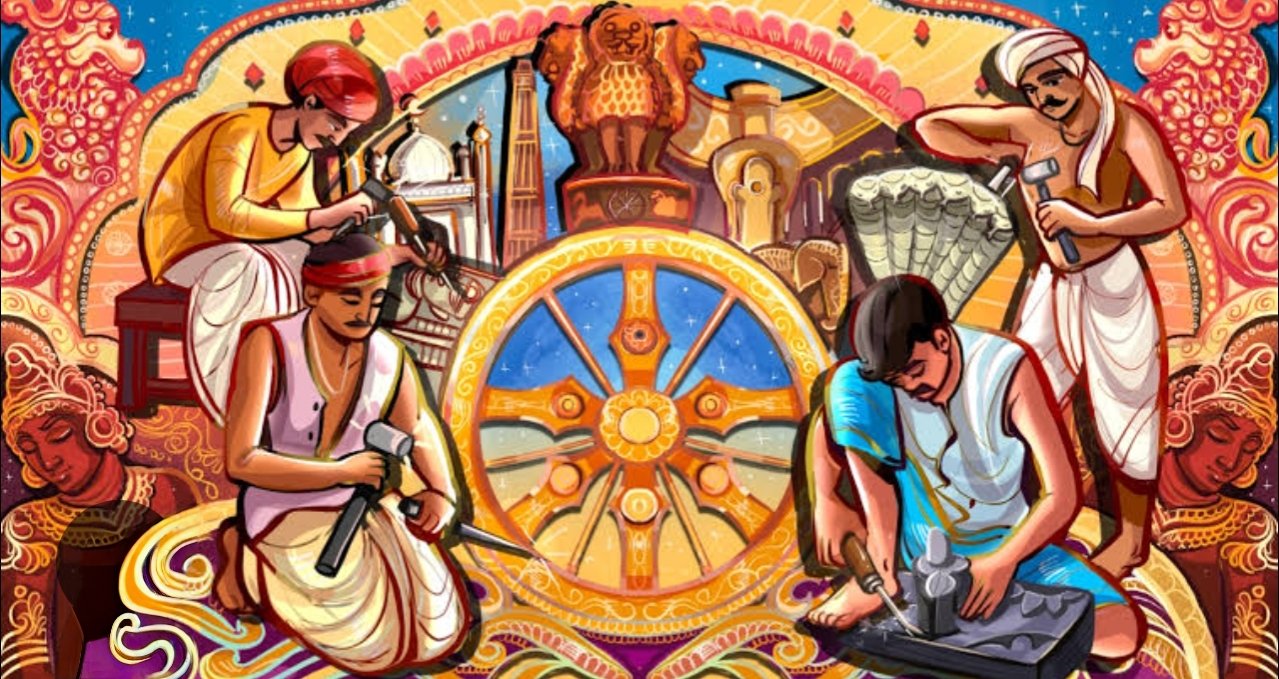
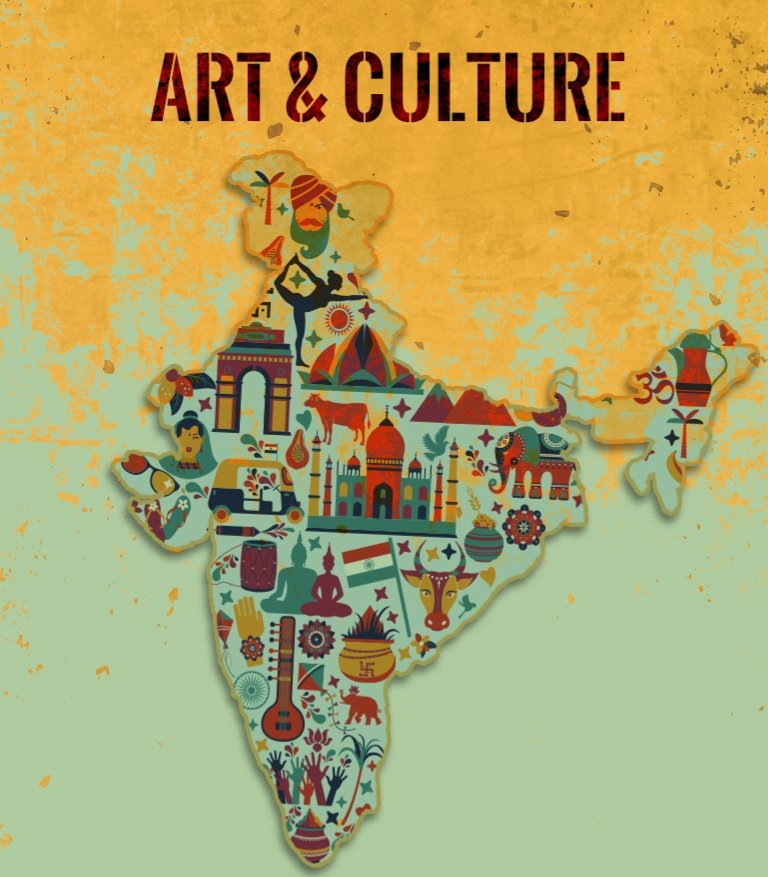
Arts and Culture: A Reflection of Humanity
Arts and culture are the twin pillars upon which human civilization rests. They are not mere embellishments of life but essential expressions of identity, history, and societal values. From the earliest cave paintings to contemporary digital installations, arts have captured the essence of human experience, documenting our evolution, struggles, beliefs, and aspirations. Similarly, culture—the composite of beliefs, customs, social behaviors, and shared knowledge—gives context to art, shaping and being shaped by it in an ongoing dialogue across generations.
Understanding arts and culture requires a multifaceted approach, encompassing historical evolution, diverse forms, socio-economic impacts, and contemporary relevance. This essay explores these dimensions, highlighting how arts and culture have defined societies, inspired revolutions, and continue to influence global interactions today.
Historical Evolution of Arts and Culture
The history of art and culture is as old as humanity itself. Evidence from archaeological sites demonstrates that humans have expressed themselves artistically for tens of thousands of years. Cave paintings in Lascaux, France, dating back around 17,000 years, reveal early humans’ fascination with nature, animals, and rituals. These primitive artworks were not just decorative; they held spiritual significance and reflected the collective consciousness of prehistoric communities.
As societies evolved, so did their cultural expressions. Ancient civilizations such as Mesopotamia, Egypt, Greece, and India developed distinctive artistic and cultural traditions. Egyptian art, with its monumental pyramids, tomb paintings, and sculptures, was deeply intertwined with religion and the afterlife. Greek art, in contrast, celebrated humanism and perfection in form, giving rise to architectural marvels like the Parthenon and sculptures of gods and athletes that emphasized proportion, beauty, and realism.
In Asia, Indian art and culture flourished with temple architecture, classical dance forms like Bharatanatyam, and spiritual sculptures reflecting religious narratives. Similarly, Chinese civilization contributed through calligraphy, porcelain artistry, and Confucian-inspired philosophies that shaped social customs. The silk road facilitated cultural exchanges between these regions, allowing art, ideas, and religious practices to travel vast distances.
During the Middle Ages, European culture was dominated by religion. Gothic cathedrals, illuminated manuscripts, and religious paintings reflected society’s devotion and hierarchical structures. However, the Renaissance (14th–17th centuries) marked a profound transformation. Artists such as Leonardo da Vinci, Michelangelo, and Raphael embraced humanism, scientific inquiry, and innovation, producing masterpieces that celebrated human intellect and creativity. This period demonstrated how art could simultaneously be aesthetic and intellectual, blending philosophy, science, and beauty.
Forms of Art
Art is an expansive concept, embracing numerous forms, each serving as a vehicle for expression and communication. Broadly, art can be categorized into visual arts, performing arts, literature, and applied arts.
Visual Arts
Visual arts include painting, sculpture, photography, and architecture. Painting has historically captured both reality and imagination. From the realism of Renaissance portraiture to the abstract expressions of modern art in the 20th century, paintings have conveyed personal, social, and political messages. Sculpture, whether Michelangelo’s “David” or the intricate carvings of Angkor Wat in Cambodia, conveys permanence and grandeur, often symbolizing power, faith, or human emotion.
Architecture is a tangible reflection of culture and technological advancement. From the towering pyramids of Egypt to contemporary skyscrapers, architecture blends function, aesthetics, and cultural symbolism. Buildings like the Taj Mahal in India embody beauty, devotion, and historical legacy, while modern structures demonstrate technological innovation and global influences.
Performing Arts
Performing arts, including dance, music, and theater, engage audiences in dynamic, immersive experiences. Classical Indian dances, like Kathakali and Odissi, tell stories from epics through intricate gestures and expressions. Western classical music, from Bach to Beethoven, explores harmony, rhythm, and emotion, shaping the cultural identity of Europe. Theater, dating back to ancient Greek tragedies, allows societies to critique, reflect, and reimagine themselves.
Performance arts also play an educational and ritualistic role. Traditional Japanese Noh theater and African tribal dances often convey moral lessons, historical narratives, and spiritual themes. Modern cinema, blending storytelling, acting, and technology, has become a dominant medium for cultural transmission globally.
Literature
Literature, encompassing poetry, prose, drama, and essays, reflects societal thought, philosophy, and imagination. Ancient epics like the Mahabharata and Iliad capture human dilemmas, heroism, and morality. Literary movements, from Romanticism to Modernism, demonstrate shifts in societal priorities, emotions, and values. Literature serves both as documentation of culture and as a catalyst for social change, influencing political thought and personal identity.
Applied Arts
Applied arts, including fashion, design, and crafts, bridge aesthetics and utility. Traditional crafts like Japanese origami, Persian carpets, or African beadwork preserve cultural heritage while providing functional value. In contemporary contexts, applied arts influence branding, consumer culture, and lifestyle, reflecting both creativity and societal trends.
Culture: The Context of Art
While art is the medium, culture is the framework within which it thrives. Culture encompasses language, religion, customs, traditions, and social norms, providing meaning to artistic expression. It is both shared and learned, transmitted across generations, and continuously evolving.
Cultural diversity enriches societies by introducing multiple perspectives, techniques, and philosophies. For instance, the fusion of African rhythms with European musical structures gave rise to jazz, demonstrating how cross-cultural interactions inspire innovation. Similarly, globalization has enabled hybrid art forms—combining traditional motifs with modern technology—that reflect a shared human experience.
Culture also acts as a mirror to societal values and tensions. During periods of oppression or colonization, art and culture often become tools of resistance, identity preservation, and liberation. Indigenous art, for example, preserves historical narratives, language, and spiritual beliefs despite external pressures.
Significance of Arts and Culture
The importance of arts and culture transcends aesthetics; it touches social, psychological, and economic dimensions.
Social Significance
Art and culture foster social cohesion by creating shared experiences and collective identities. Festivals, music, and storytelling strengthen community bonds and transmit social values. Cultural heritage, such as UNESCO World Heritage Sites, offers a sense of pride and belonging while educating future generations.
Psychological Significance
Engaging with art nurtures emotional intelligence, creativity, and mental well-being. Experiencing a powerful painting, listening to music, or performing dance allows individuals to process emotions, develop empathy, and explore self-expression. Art therapy, for instance, uses creative processes to help individuals cope with trauma, anxiety, and other mental health challenges.
Economic Significance
Art and culture are major drivers of the economy. The cultural industry, encompassing museums, galleries, theater, music, and cinema, generates employment, tourism, and commerce. Cities renowned for cultural vibrancy, like Paris, New York, and Kyoto, attract millions of visitors annually, demonstrating the tangible economic benefits of cultural investments.
Contemporary Arts and Culture
The 21st century has seen dramatic transformations in arts and culture due to technology, globalization, and social change. Digital art, virtual reality, and AI-generated art challenge traditional definitions of creativity. Social media platforms enable artists to reach global audiences instantly, democratizing access to cultural products.
Contemporary arts often address pressing societal issues such as climate change, inequality, migration, and identity. Street art, digital installations, and interactive performances allow communities to engage critically with the world, fostering dialogue and awareness.
Moreover, cultural festivals, music concerts, and film industries have become global phenomena, transcending geographic and linguistic boundaries. For example, Bollywood films not only entertain but also influence fashion, music, and social norms across Asia and beyond.
However, these developments also raise questions about cultural preservation. Rapid modernization and commercialization threaten traditional art forms and local heritage. Efforts to safeguard intangible cultural heritage, including oral traditions, performing arts, and rituals, are critical to maintaining the richness of human culture.
Challenges to Arts and Culture
Despite their value, arts and culture face multiple challenges:
- Commercialization: The commodification of art can dilute its authenticity and reduce its focus to profit rather than expression.
- Global Homogenization: Global media and mass communication can overshadow local traditions, creating a homogenized cultural landscape.
- Funding and Accessibility: Public and private funding limitations often restrict access to arts, especially for marginalized communities.
- Digital Piracy: The rise of digital media has made unauthorized copying of artistic content a serious challenge.
- Political and Social Suppression: Art and culture are sometimes censored or manipulated to serve political agendas, stifling free expression.
Addressing these challenges requires policy interventions, education, community engagement, and international cooperation to ensure that arts and culture remain vibrant, diverse, and accessible.
Arts and Culture as a Catalyst for Social Change
Historically and in contemporary society, arts and culture have been potent catalysts for social transformation. Literature, music, and visual arts have inspired revolutions, civil rights movements, and awareness campaigns. From Harriet Beecher Stowe’s Uncle Tom’s Cabin influencing anti-slavery sentiment to protest songs shaping public opinion during the civil rights era, art has the power to mobilize societies.
Cultural diplomacy, where nations share art, music, and heritage, promotes mutual understanding and global peace. Initiatives like international art exhibitions, music festivals, and cultural exchange programs encourage dialogue and collaboration, reducing stereotypes and fostering empathy across nations.
Conclusion
Arts and culture are inseparable facets of human life, reflecting who we are, where we come from, and what we aspire to become. They are tools for communication, education, social cohesion, and personal expression. While rooted in history, they continue to evolve, responding to technological, social, and political changes. In a globalized world, preserving cultural diversity while embracing innovation is essential for maintaining humanity’s rich tapestry.
Investing in arts and culture is not a luxury but a necessity. It cultivates creativity, fosters understanding, and enriches societies economically, socially, and spiritually. From the caves of Lascaux to the digital galleries of today, art remains humanity’s most profound mirror, reflecting our deepest emotions, highest ideals, and shared dreams. Nurturing this mirror ensures that future generations inherit not only knowledge and technology but also the wisdom, beauty, and values that define our collective human identity.
Importance of Art and Culture 💫
Arts and culture are not mere luxuries; they are essential for the holistic development of individuals and societies. Their significance spans social, psychological, educational, economic, and global dimensions. Understanding their importance helps explain why societies invest in preserving, promoting, and celebrating cultural heritage.
1. Social Importance
Arts and culture play a pivotal role in social cohesion and identity formation. They create a sense of belonging and shared history. Festivals, traditional performances, and community art projects bring people together, fostering unity and cooperation. Cultural practices, storytelling, and rituals transmit values, ethics, and norms from one generation to another, reinforcing collective identity.
Additionally, arts and culture serve as tools for social critique and transformation. For example, theater, music, and visual arts have historically challenged injustices, raised awareness about social issues, and inspired movements for equality and reform.
2. Psychological and Emotional Importance
Engaging with arts nurtures creativity, imagination, and emotional intelligence. Whether it is painting, music, dance, or literature, artistic activities allow individuals to express complex emotions, process experiences, and relieve stress. Art therapy, widely used in mental health care, demonstrates how creative expression can improve emotional well-being, reduce anxiety, and enhance self-awareness.
Moreover, exposure to diverse cultural experiences develops empathy. Understanding stories, traditions, and perspectives from different communities encourages appreciation of human diversity.
3. Educational Importance
Arts and culture are crucial in education and cognitive development. They enhance critical thinking, problem-solving, and analytical skills. Learning music or dance can improve memory, attention, and discipline, while studying literature and history cultivates reasoning and moral understanding. Integrating arts into education ensures a balanced development, combining intellectual and creative growth.
Cultural knowledge also promotes global awareness. By studying world art forms, languages, and traditions, students develop an understanding of human history, achievements, and the interconnectedness of civilizations.
4. Economic Importance
Arts and culture contribute significantly to the economy. Cultural industries, including museums, theaters, music, film, and crafts, generate employment, tourism, and commerce. Cities known for cultural vibrancy attract tourists, boost local businesses, and enhance urban development. For instance, heritage tourism in places like Paris, Kyoto, and Florence provides sustainable economic growth while preserving cultural landmarks.
Moreover, creative industries drive innovation in technology, fashion, design, and media. They create market opportunities for artists, designers, and entrepreneurs, demonstrating that art and culture are not only socially enriching but also economically valuable.
5. Global and Diplomatic Importance
Arts and culture serve as instruments of soft power and diplomacy. Cultural exchange programs, international art exhibitions, and music festivals foster mutual understanding among nations, promoting peace and cooperation. By sharing cultural heritage, countries build relationships, reduce stereotypes, and celebrate diversity.
Additionally, in a globalized world, preserving unique cultural identities strengthens cultural resilience. It ensures that modernization does not erase traditional knowledge, languages, and practices, maintaining humanity’s rich diversity.
6. Preserving Heritage and Identity
Finally, arts and culture are vital for preserving heritage and history. Monuments, traditional crafts, literature, and oral traditions document the evolution of societies. They connect the present with the past, providing context for identity and collective memory. Without the preservation of arts and culture, societies risk losing not only their historical knowledge but also the values and wisdom embedded within it.
Summary
The importance of arts and culture cannot be overstated. They:
- Unite communities and strengthen social bonds.
- Foster creativity, emotional expression, and mental well-being.
- Enhance education, critical thinking, and cultural awareness.
- Boost the economy through tourism, creative industries, and innovation.
- Promote global understanding, peace, and cultural diplomacy.
- Preserve historical heritage, identity, and human values.
In essence, arts and culture are the heart of human civilization, enriching lives, shaping societies, and guiding humanity toward a more empathetic, innovative, and harmonious future.
Important Questions: Arts and Culture
1–5: General Understanding
- Define arts and culture. How are they interrelated?
- Explain the role of arts in human society.
- How does culture influence artistic expression? Give examples.
- What is the significance of preserving cultural heritage?
- Discuss the differences between visual arts, performing arts, and literature.
6–10: Historical and Regional Aspects
- Describe the art and culture of ancient Egypt.
- How did Renaissance art reflect humanism and scientific inquiry?
- Explain the cultural contributions of ancient India in art, dance, and architecture.
- Discuss the importance of the Silk Road in cultural exchange.
- How did medieval European culture reflect religion and social hierarchy?
11–15: Contemporary Relevance
- How has digital technology transformed arts in the 21st century?
- Discuss the role of arts in social awareness and activism.
- Explain the economic importance of arts and culture.
- What is cultural diplomacy, and why is it important in international relations?
- How do modern festivals and cultural events strengthen community identity?
16–20: Critical Thinking and Application
- Discuss the challenges faced by traditional art forms in the modern world.
- How can arts and culture promote mental health and emotional well-being?
- Explain the concept of globalization of culture and its effects on local traditions.
- Give examples of art being used as a tool for political or social change.
- Suggest ways in which young people can engage with and preserve arts and culture in their communities.
Answers✨
Answers: Arts and Culture Important Questions
1–5: General Understanding
1. Define arts and culture. How are they interrelated?
- Arts are creative expressions of human imagination, skill, and emotion through mediums like painting, music, dance, literature, and theater.
- Culture is the collective customs, traditions, beliefs, knowledge, and social behaviors of a society.
- Interrelation: Art reflects culture, and culture shapes art. For example, Indian classical dance reflects religious and social traditions, while Renaissance art reflected European humanist culture.
2. Explain the role of arts in human society.
- Arts communicate ideas, emotions, and stories.
- They preserve history and traditions.
- Arts provide entertainment, education, and moral lessons.
- They foster social cohesion and community identity.
3. How does culture influence artistic expression? Give examples.
- Culture provides themes, symbols, and techniques used in art.
- Example: Japanese ukiyo-e prints reflect Japanese aesthetics and societal norms.
- Example: African tribal masks reflect spiritual beliefs and rituals.
4. What is the significance of preserving cultural heritage?
- Preserves historical knowledge, traditions, and identity.
- Provides a sense of belonging and pride.
- Encourages education and research.
- Supports tourism and economy.
5. Discuss the differences between visual arts, performing arts, and literature.
- Visual Arts: Paintings, sculptures, photography, architecture (static, visual expression).
- Performing Arts: Dance, music, theater (live performance, time-based).
- Literature: Poetry, prose, drama (written or spoken word, intellectual and emotional expression).
6–10: Historical and Regional Aspects
6. Describe the art and culture of ancient Egypt.
- Focused on religion, afterlife, and royalty.
- Examples: Pyramids, sphinx, tomb paintings, hieroglyphics.
- Art was symbolic, formal, and highly structured.
7. How did Renaissance art reflect humanism and scientific inquiry?
- Renaissance art emphasized human experience, proportion, perspective, and realism.
- Artists like Leonardo da Vinci and Michelangelo studied anatomy, nature, and science.
- Art celebrated human intellect, creativity, and achievements.
8. Explain the cultural contributions of ancient India in art, dance, and architecture.
- Art: Temples with intricate carvings, sculptures, frescoes.
- Dance: Classical forms like Bharatanatyam, Kathak, reflecting religious stories.
- Architecture: Temples, stupas, and palaces representing spirituality and cultural identity.
9. Discuss the importance of the Silk Road in cultural exchange.
- Connected Asia, Europe, and Africa for trade and exchange.
- Facilitated spread of art styles, religion (Buddhism, Islam), and technologies.
- Promoted cross-cultural understanding and hybrid art forms.
10. How did medieval European culture reflect religion and social hierarchy?
- Dominated by Christianity; art focused on religious themes.
- Gothic cathedrals, illuminated manuscripts, and paintings glorified God and nobility.
- Social hierarchy reinforced by commissioning art for kings, clergy, and aristocracy.
11–15: Contemporary Relevance
11. How has digital technology transformed arts in the 21st century?
- Digital art, graphic design, and animation are widespread.
- Online platforms allow artists to reach global audiences instantly.
- Virtual reality and AI-generated art create interactive experiences.
- Accessibility to art has increased, but traditional forms face competition.
12. Discuss the role of arts in social awareness and activism.
- Art communicates social messages effectively.
- Examples: Street art protesting inequality, music raising awareness about climate change.
- Engages communities, inspires dialogue, and encourages change.
13. Explain the economic importance of arts and culture.
- Creates jobs in galleries, museums, film, music, crafts, and tourism.
- Cultural heritage tourism generates revenue.
- Creative industries drive innovation in design, media, and technology.
14. What is cultural diplomacy, and why is it important in international relations?
- Cultural diplomacy: Using arts and culture to build international relationships.
- Promotes peace, mutual understanding, and global collaboration.
- Example: UNESCO World Heritage projects and international art exhibitions.
15. How do modern festivals and cultural events strengthen community identity?
- Celebrate traditions and shared history.
- Encourage community participation and pride.
- Example: Diwali, Carnival, Oktoberfest, and local music festivals.
16–20: Critical Thinking and Application
16. Discuss the challenges faced by traditional art forms in the modern world.
- Globalization and modernization can overshadow local traditions.
- Commercialization reduces authenticity.
- Funding limitations and lack of awareness threaten preservation.
17. How can arts and culture promote mental health and emotional well-being?
- Provides emotional expression and stress relief.
- Enhances creativity, problem-solving, and self-reflection.
- Art therapy helps manage trauma, anxiety, and depression.
18. Explain the concept of globalization of culture and its effects on local traditions.
- Globalization spreads cultural ideas, products, and practices worldwide.
- Pros: Cross-cultural collaboration, innovation, exposure to diverse perspectives.
- Cons: Risk of cultural homogenization, erosion of traditional practices.
19. Give examples of art being used as a tool for political or social change.
- Music: Bob Dylan’s protest songs during civil rights movement.
- Literature: Uncle Tom’s Cabin highlighting slavery.
- Street art: Banksy’s murals commenting on war, inequality, and social justice.
20. Suggest ways in which young people can engage with and preserve arts and culture in their communities.
- Participate in local festivals, art workshops, and cultural clubs.
- Learn traditional crafts, music, or dance forms.
- Promote heritage through social media, blogs, and creative projects.
- Volunteer for museums, galleries, and cultural preservation initiatives.
Here’s a complete set of 40 MCQs (Multiple Choice Questions) on Arts and Culture with answers. They cover history, types, significance, and contemporary aspects—perfect for exams or practice.
Arts and Culture – 40 MCQs
1–10: General Concepts
- Which of the following best defines art?
A) Only paintings and sculptures
B) Creative expression of human imagination and skill
C) A type of entertainment only
D) Traditional rituals
Answer: B - Culture refers to:
A) Economic practices
B) Natural resources
C) Shared beliefs, traditions, and social behaviors of a society
D) Only language
Answer: C - How are arts and culture related?
A) Art exists independently of culture
B) Culture is expressed through art, and art reflects culture
C) Art replaces culture
D) Culture only affects literature
Answer: B - Which of the following is NOT a form of visual art?
A) Sculpture
B) Architecture
C) Theater
D) Painting
Answer: C - Performing arts include:
A) Music, dance, and theater
B) Painting and sculpture
C) Architecture and crafts
D) Calligraphy only
Answer: A - Literature as an art form includes:
A) Poetry, prose, and drama
B) Sculpture and murals
C) Classical dance
D) Photography
Answer: A - Which of these is an example of applied art?
A) Origami
B) Bharatanatyam dance
C) Renaissance painting
D) Symphony music
Answer: A - Preservation of cultural heritage is important because:
A) It boosts economy
B) It ensures historical knowledge and identity are maintained
C) It entertains tourists
D) It replaces modern culture
Answer: B - Which one of the following statements is TRUE about art?
A) Art only has aesthetic value
B) Art has no social or emotional significance
C) Art communicates ideas, emotions, and social messages
D) Art is irrelevant in modern society
Answer: C - Festivals like Diwali, Carnival, or Oktoberfest are examples of:
A) Social norms
B) Cultural events that strengthen community identity
C) Government projects
D) Economic initiatives only
Answer: B
11–20: Historical and Regional Arts
- The Lascaux Cave paintings belong to which period?
A) Renaissance
B) Prehistoric
C) Medieval
D) Modern
Answer: B - Which civilization is known for pyramids and sphinxes?
A) Mesopotamia
B) Greece
C) Egypt
D) China
Answer: C - Greek art is mainly associated with:
A) Religious devotion only
B) Humanism, proportion, and realism
C) Abstract forms
D) Tribal rituals
Answer: B - Which of the following is a classical Indian dance form?
A) Salsa
B) Kathak
C) Tango
D) Ballet
Answer: B - The Silk Road was important because:
A) It was a highway for military only
B) It facilitated trade and cultural exchange between continents
C) It was only used for spices
D) It was a local road in India
Answer: B - Gothic cathedrals are an example of which period?
A) Ancient
B) Renaissance
C) Medieval European culture
D) Modern
Answer: C - Michelangelo is famous for:
A) Abstract painting
B) Renaissance sculpture and painting
C) Indian classical music
D) Chinese calligraphy
Answer: B - Egyptian art was primarily influenced by:
A) Trade and commerce
B) Religion and afterlife beliefs
C) Modern technology
D) Democracy
Answer: B - Angkor Wat in Cambodia represents:
A) African tribal architecture
B) Indian temple architecture influence in Southeast Asia
C) European castles
D) Chinese palaces
Answer: B - The Iliad and Mahabharata are examples of:
A) Visual arts
B) Literary epics
C) Performing arts
D) Architecture
Answer: B
21–30: Contemporary Arts and Culture
- Digital art and animation are examples of:
A) Traditional art forms
B) 21st-century technological arts
C) Medieval paintings
D) Tribal rituals
Answer: B - Social media has influenced arts by:
A) Limiting creativity
B) Allowing global audiences to access and share art
C) Destroying traditional art
D) Reducing festivals
Answer: B - Art therapy helps in:
A) Financial planning
B) Mental health and emotional well-being
C) Building skyscrapers
D) Cooking skills
Answer: B - Cultural diplomacy aims to:
A) Promote military strength
B) Strengthen international relations through cultural exchange
C) Replace local traditions
D) Focus only on economy
Answer: B - Street art and murals are often used for:
A) Decoration only
B) Political or social messages
C) Religious ceremonies
D) Private collections only
Answer: B - Modern music festivals primarily serve to:
A) Teach academic subjects
B) Promote social cohesion and cultural exchange
C) Replace historical traditions
D) Build monuments
Answer: B - Globalization of culture can lead to:
A) Complete preservation of all local arts
B) Cross-cultural collaboration and risk of cultural homogenization
C) Isolation of societies
D) Reduction of technology
Answer: B - Bollywood films are an example of:
A) Local art with no global influence
B) Contemporary cultural products influencing fashion, music, and social norms
C) Ancient heritage
D) Religious text
Answer: B - UNESCO World Heritage Sites help to:
A) Promote tourism and preserve cultural heritage
B) Replace traditional arts
C) Serve only political purposes
D) Create financial profit only
Answer: A - Virtual reality and AI in art:
A) Destroy traditional creativity
B) Create interactive, immersive artistic experiences
C) Only exist in films
D) Are banned in most countries
Answer: B
31–40: Significance, Challenges, and Application
- Which of the following is NOT an economic benefit of arts and culture?
A) Job creation
B) Tourism revenue
C) Boosting innovation
D) Ignoring heritage preservation
Answer: D - Which factor threatens traditional arts today?
A) Globalization and modernization
B) Community support
C) Government funding
D) Cultural festivals
Answer: A - How does art contribute to education?
A) Teaches financial literacy only
B) Enhances creativity, critical thinking, and cultural awareness
C) Replaces textbooks
D) Only entertains students
Answer: B - Music and dance as performing arts:
A) Only entertain
B) Educate, preserve traditions, and convey social messages
C) Are obsolete today
D) Do not affect culture
Answer: B - Which of the following illustrates art as a tool for social change?
A) Renaissance sculptures
B) Bob Dylan’s protest songs
C) Cave paintings
D) Egyptian pyramids
Answer: B - Cultural heritage includes:
A) Only monuments
B) Traditions, languages, crafts, music, and rituals
C) Modern technology
D) Sports only
Answer: B - Economic contribution of cultural festivals includes:
A) Preserving traditions only
B) Promoting tourism, local business, and employment
C) Teaching history only
D) Limiting community involvement
Answer: B - Engaging youth in arts helps to:
A) Only improve academic results
B) Preserve cultural heritage and foster creativity
C) Replace traditional culture
D) Reduce employment opportunities
Answer: B - Which of the following is a challenge of globalization on culture?
A) Increased cultural exchange
B) Erosion of local arts and customs
C) Knowledge sharing
D) Learning foreign languages
Answer: B - Why is arts important for mental well-being?
A) It has no effect
B) Encourages self-expression, creativity, and stress relief
C) Only entertains
D) Reduces social interaction
Answer: B
Here’s a detailed explanation of the Advantages of Arts and Culture, written in a clear, exam-friendly way:
Advantages of Arts and Culture
Arts and culture are more than just expressions of creativity; they provide social, psychological, educational, economic, and global benefits. The following points highlight their key advantages:
1. Social Advantages
- Strengthen Community Bonds: Festivals, cultural events, and performances bring people together, fostering a sense of belonging.
- Preserve Traditions and Identity: Art and culture transmit values, beliefs, and customs across generations.
- Promote Social Harmony: Shared cultural experiences help reduce social tensions and misunderstandings among diverse groups.
2. Psychological and Emotional Advantages
- Enhances Creativity: Engaging in art encourages imagination, innovation, and creative problem-solving.
- Emotional Expression: Arts provide an outlet for expressing emotions, relieving stress, and improving mental health.
- Builds Empathy: Exposure to different cultures and art forms fosters understanding and compassion for others.
3. Educational Advantages
- Improves Learning Skills: Art develops critical thinking, memory, attention, and analytical abilities.
- Cultural Awareness: Learning about art from different regions broadens perspectives and promotes global understanding.
- Inspires Moral and Ethical Thinking: Literature, drama, and historical art can teach values, ethics, and lessons from history.
4. Economic Advantages
- Generates Employment: Arts and cultural industries provide jobs in museums, galleries, music, film, crafts, and tourism.
- Boosts Tourism: Cultural heritage, festivals, and monuments attract tourists, contributing to local and national economies.
- Encourages Innovation: Creative industries, including design, media, and fashion, drive innovation and entrepreneurship.
5. Global and Diplomatic Advantages
- Cultural Diplomacy: Arts can promote peace, mutual understanding, and collaboration between nations.
- Cross-Cultural Exchange: Sharing music, literature, and performances strengthens international bonds.
- Preservation of Heritage: Global recognition of cultural treasures ensures that traditions are safeguarded for future generations.
6. Personal and Community Development
- Encourages Self-Expression: Individuals can explore identity, talents, and emotions through creative activities.
- Promotes Lifelong Learning: Engaging with arts and culture fosters curiosity, knowledge, and continuous personal growth.
- Strengthens Civic Engagement: Participation in cultural activities encourages responsibility, social involvement, and volunteerism.
Summary
The advantages of arts and culture are extensive: they unite communities, preserve traditions, foster creativity, support mental well-being, drive education, boost economies, and enhance global understanding. They enrich not only individual lives but also society as a whole, making arts and culture an essential part of human civilization
Here’s a detailed explanation of the Disadvantages of Arts and Culture, written in a clear, exam-ready format:
Disadvantages of Arts and Culture
While arts and culture offer numerous benefits, they also face challenges and potential drawbacks in certain contexts. Understanding these disadvantages helps in developing strategies to preserve their value while minimizing negative impacts.
1. Commercialization and Loss of Authenticity
- Many art forms and cultural traditions are increasingly commercialized to appeal to tourists or global markets.
- This can dilute the original meaning and significance of traditional arts.
- Example: Traditional folk dances or crafts being modified solely for entertainment or profit rather than cultural expression.
2. Cultural Homogenization
- Globalization often spreads dominant cultures, overshadowing local or indigenous traditions.
- This can lead to loss of unique cultural identities and homogenized global culture.
- Example: Western music, fashion, or cinema dominating local cultural expressions.
3. Funding and Accessibility Issues
- Arts and culture often depend on government or private funding, which can be limited.
- Marginalized communities may lack access to cultural resources, leading to unequal opportunities.
- Example: Rural communities may have limited access to museums, theaters, or art education.
4. Political and Social Manipulation
- Art and culture can be used as propaganda or manipulated for political agendas.
- This can distort cultural narratives or suppress freedom of expression.
- Example: Governments using state-sponsored art to promote ideology while censoring dissenting voices.
5. Obsolescence and Decline of Traditional Art Forms
- Rapid modernization and technological advancement can make traditional arts seem outdated.
- Younger generations may lose interest in learning traditional crafts, music, or dances, threatening cultural preservation.
- Example: Traditional calligraphy, folk songs, or handloom weaving declining due to digital alternatives.
6. Social Misinterpretation and Conflicts
- Some forms of art or cultural practices can be misinterpreted or misunderstood, leading to social friction.
- Controversial artworks may provoke debates or conflicts over morality, religion, or politics.
- Example: Modern art installations sometimes spark protests for challenging traditional norms.
7. Environmental Impact
- Some cultural practices or large-scale art events can negatively impact the environment.
- Example: Large festivals generating excessive waste or art installations using non-eco-friendly materials.
Summary
While arts and culture enrich societies, the disadvantages include:
- Commercialization and loss of authenticity
- Cultural homogenization
- Limited funding and accessibility
- Political manipulation
- Decline of traditional art forms
- Social misinterpretation and conflict
- Environmental impact
Awareness of these challenges allows societies to promote arts responsibly, preserve heritage, and balance tradition with modernity.
Quick Revision: Arts and Culture
Arts and culture are integral to human civilization, reflecting the identity, beliefs, and creativity of societies. Understanding them helps preserve heritage, foster creativity, and strengthen social bonds.
1. Definition
- Arts: Creative expression of human imagination, emotions, and skill, through mediums such as painting, sculpture, music, dance, theater, and literature.
- Culture: Shared beliefs, customs, traditions, knowledge, and social behaviors of a society.
- Relationship: Art reflects culture, and culture shapes art. Example: Bharatanatyam reflects Indian cultural values; Renaissance art reflects European humanism.
2. Types of Arts
a) Visual Arts
- Painting, sculpture, photography, architecture.
- Example: Mona Lisa (painting), Taj Mahal (architecture).
- Purpose: Express emotions, document history, showcase aesthetics.
b) Performing Arts
- Music, dance, theater.
- Example: Kathak dance, Beethoven’s symphonies, Shakespearean plays.
- Purpose: Storytelling, entertainment, spiritual expression, education.
c) Literature
- Poetry, prose, drama, essays.
- Example: Mahabharata, Iliad.
- Purpose: Communicate ideas, preserve history, teach morals, reflect societal values.
d) Applied Arts
- Crafts, design, fashion, calligraphy, origami.
- Purpose: Combine functionality with aesthetics.
3. Historical Perspective
- Prehistoric Art: Cave paintings (Lascaux) for rituals and storytelling.
- Ancient Civilizations:
- Egypt: Pyramids, sculptures, religious art.
- Greece: Humanism, proportion, realism.
- India: Temple carvings, classical dance, sculptures.
- Middle Ages: Gothic cathedrals, illuminated manuscripts; religion dominated.
- Renaissance: Emphasis on human intellect, realism, science (Leonardo da Vinci, Michelangelo).
- Modern Era: Digital art, cinema, photography, global cultural exchange.
4. Importance of Arts and Culture
- Social: Strengthen community bonds, preserve identity, promote harmony.
- Psychological: Emotional expression, stress relief, mental well-being.
- Educational: Develops creativity, critical thinking, cultural awareness.
- Economic: Employment, tourism, creative industries, innovation.
- Global: Cultural diplomacy, cross-cultural understanding, preservation of heritage.
5. Advantages
- Strengthen social cohesion and community identity.
- Preserve traditions and historical knowledge.
- Foster creativity, imagination, and innovation.
- Enhance emotional intelligence, empathy, and mental health.
- Promote education and lifelong learning.
- Generate employment and boost economy.
- Encourage global understanding and cultural diplomacy.
- Engage youth in positive, productive activities.
6. Disadvantages
- Commercialization: Dilutes authenticity for profit.
- Cultural Homogenization: Globalization may overshadow local traditions.
- Limited Funding and Accessibility: Marginalized communities often lack access.
- Political Manipulation: Art can be used as propaganda or censored.
- Decline of Traditional Art Forms: Modernization reduces interest in traditional arts.
- Social Misinterpretation: Some art forms may provoke conflicts or controversy.
- Environmental Impact: Large festivals or installations can harm the environment.
7. Contemporary Trends
- Digital art, AI-generated art, and virtual reality.
- Social media allows global dissemination of art.
- Cultural festivals, music concerts, and film industries promote community and international interaction.
- Art is used for activism, awareness, and social change.
- Globalization encourages hybrid art forms while threatening local traditions.
8. Important Questions (Quick Recap)
- Define arts and culture and explain their relationship.
- Name the types of arts.
- Give examples of visual, performing, literary, and applied arts.
- Describe art in prehistoric, ancient, medieval, Renaissance, and modern periods.
- Explain the social, psychological, and economic importance of arts and culture.
- List advantages and disadvantages of arts and culture.
- Explain how globalization affects arts.
- What is cultural diplomacy? Give examples.
- How can youth engage in arts and culture?
- Name examples of art being used for social change.
Answers: Quick Recap Questions
1. Define arts and culture and explain their relationship.
- Arts: Creative expression of human imagination and skill through painting, music, dance, theater, literature, and more.
- Culture: Shared beliefs, customs, traditions, knowledge, and social behaviors of a society.
- Relationship: Culture shapes art by providing themes and context, while art reflects the values, beliefs, and identity of a culture. Example: Bharatanatyam reflects Indian spiritual and cultural traditions.
2. Name the types of arts.
- Visual Arts: Painting, sculpture, photography, architecture.
- Performing Arts: Music, dance, theater.
- Literature: Poetry, prose, drama.
- Applied Arts: Crafts, design, fashion, calligraphy.
3. Give examples of visual, performing, literary, and applied arts.
- Visual Arts: Mona Lisa (painting), Taj Mahal (architecture).
- Performing Arts: Kathak dance, Beethoven’s symphonies, Shakespearean plays.
- Literary Arts: Mahabharata, Iliad.
- Applied Arts: Origami, Persian carpets, traditional handicrafts.
4. Describe art in prehistoric, ancient, medieval, Renaissance, and modern periods.
- Prehistoric: Cave paintings in Lascaux for rituals and storytelling.
- Ancient: Egypt – pyramids, sculptures; Greece – humanism, proportion, realism; India – temple carvings, classical dance.
- Medieval: Gothic cathedrals, illuminated manuscripts; religious dominance in art.
- Renaissance: Emphasis on human intellect, science, perspective, and realism (Leonardo da Vinci, Michelangelo).
- Modern: Digital art, cinema, photography, globalization of art forms.
5. Explain the social, psychological, and economic importance of arts and culture.
- Social: Strengthen community bonds, preserve identity, promote harmony.
- Psychological: Encourage creativity, emotional expression, stress relief, mental well-being.
- Economic: Provide employment, promote tourism, boost creative industries and innovation.
6. List advantages and disadvantages of arts and culture.
- Advantages:
- Preserve traditions and heritage
- Foster creativity and innovation
- Enhance emotional and mental well-being
- Strengthen community bonds
- Boost economy and tourism
- Promote global understanding
- Disadvantages:
- Commercialization may reduce authenticity
- Globalization can overshadow local traditions
- Limited funding/accessibility
- Political manipulation and censorship
- Decline of traditional art forms
- Possible social misinterpretation
- Environmental impact of large events
7. Explain how globalization affects arts.
- Positive Effects: Encourages cross-cultural collaboration, hybrid art forms, global exposure.
- Negative Effects: Risks cultural homogenization, overshadowing local traditions, and loss of uniqueness.
8. What is cultural diplomacy? Give examples.
- Definition: Using arts and culture to build international relationships, understanding, and cooperation.
- Examples: UNESCO World Heritage programs, international art exhibitions, music festivals, cultural exchange programs.
9. How can youth engage in arts and culture?
- Participate in local festivals, workshops, and cultural clubs.
- Learn traditional crafts, music, dance, or literary arts.
- Promote heritage through social media, blogs, or creative projects.
- Volunteer in museums, galleries, or cultural preservation programs.
10. Name examples of art being used for social change.
- Music: Bob Dylan’s protest songs during the civil rights era.
- Literature: Uncle Tom’s Cabin highlighting slavery.
- Street Art: Banksy’s murals addressing war, inequality, and social justice.
- Theater and films raising awareness about gender equality, climate change, and human rights.




Leave a Reply