


Meta Description (150–160 characters)
Paper Boats Class 7 English NCERT notes, detailed summary, MCQs, keywords, sample paper and full solutions for exams and revision.
Introduction of the Chapter – Paper Boats
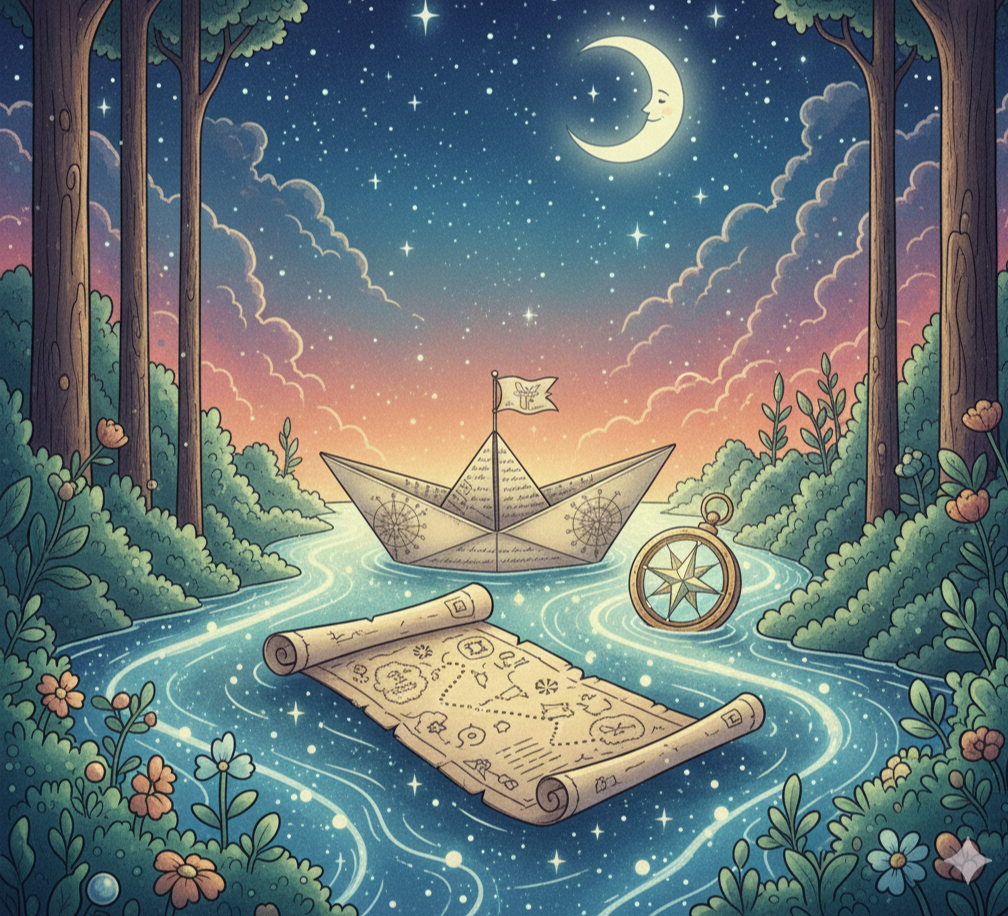
Paper Boats is a beautiful and emotional poem from Class 7 English (NCERT) written by Rabindranath Tagore. The poem describes a child’s innocent joy of floating paper boats in a stream. Through this simple activity, the poet expresses deep feelings of imagination, hope, nature, and the desire to connect with the wider world.
The poem Paper Boats shows how children find happiness in small things. The child writes his name on the paper boats and imagines that they will travel to distant lands. This reflects the universal human desire to be known, remembered, and loved. The poem also highlights the close relationship between human emotions and nature.
Paper Boats is important for exams because it includes themes like imagination, innocence, symbolism, and poetic devices. It is frequently asked in short answers, long answers, MCQs, and value-based questions.
Short Notes – Paper Boats
- Paper Boats is a poem written by Rabindranath Tagore
- The poem is narrated by a child
- The child floats paper boats in a running stream
- Each boat carries the child’s name
- The child imagines the boats reaching distant lands
- Flowers from the garden are placed inside the boats
- The poem shows innocence and imagination
- Nature plays an important role in the poem
- White clouds are compared to sails
- The poem expresses hope and dreams
Detailed Summary of Paper Boats (1000–1200 Words)
The poem Paper Boats by Rabindranath Tagore is a touching portrayal of childhood innocence and imagination. The poem is written from the perspective of a young child who spends his time floating paper boats on a flowing stream. This simple activity becomes a medium for expressing deep emotions and dreams.
At the beginning of Paper Boats, the child describes how he makes paper boats every day and floats them in the running stream. This shows the child’s routine and his deep connection with nature. The act of making paper boats represents creativity and joy. For the child, this is not just a game but a meaningful experience filled with imagination.
The child writes his name and the name of his village on the paper boats. This is a very significant detail in Paper Boats. It shows the child’s innocent desire to be known by someone far away. He hopes that someone in a strange land will find the boat and know who he is. This reflects a universal human emotion—the wish to connect with others beyond one’s immediate surroundings.
The child also places flowers from his garden inside the paper boats. These flowers symbolize love, purity, and beauty. By placing flowers in the boats, the child sends a part of himself along with the boats. In Paper Boats, this action represents hope and generosity. The child does not expect anything in return; he simply enjoys the idea of giving.
As the poem progresses, the child looks at the sky and sees white clouds floating. He imagines that these clouds are like sails attached to his paper boats. This is an example of vivid imagination. The clouds and boats together create a dreamlike scene. In Paper Boats, nature becomes a partner in the child’s imagination.
The poet uses simple language to describe complex emotions. The flowing stream symbolizes life’s journey. The paper boats represent dreams and wishes that are fragile yet hopeful. Even though paper boats can easily sink, the child continues to send them, showing optimism and faith.
The poem Paper Boats beautifully captures the purity of a child’s mind. There is no fear, no doubt, only hope. The child believes that his boats will reach faraway places. This belief shows trust in the world and in nature.
Another important theme in Paper Boats is freedom. The boats are free to move wherever the stream takes them. Similarly, the child’s imagination is free and unrestricted. This freedom is often lost as people grow older, making the poem deeply nostalgic.
Rabindranath Tagore uses symbolism effectively. The paper boats symbolize messages, dreams, and the human soul. The stream symbolizes time and life. The flowers symbolize love and innocence. All these elements work together to create a powerful emotional effect.
In conclusion, Paper Boats is not just a poem about a child playing with paper boats. It is a poem about dreams, imagination, hope, and the beauty of childhood. It reminds readers to appreciate simple joys and to stay connected with nature and their inner child.
Flowchart / Mind Map – Paper Boats
Making paper boats
↓
Writing name on boats
↓
Placing flowers inside
↓
Floating boats in stream
↓
Imagining distant lands
↓
Watching clouds as sails
↓
Expression of dreams and hope
Important Keywords with Meanings – Paper Boats
- Stream – A small flowing river
- Innocence – Purity and simplicity of a child
- Imagination – Ability to create ideas in the mind
- Symbolism – Using objects to represent ideas
- Hope – Desire for something good to happen
- Nature – The physical world around us
- Journey – Act of traveling (symbolic of life)
- Dreams – Hopes and wishes
- Sails – Cloth that catches wind on a boat
- Poetic Devices – Tools used to enhance poetry
Important Questions & Answers – Paper Boats
Short Answer Questions
Q1. Who wrote the poem Paper Boats?
Rabindranath Tagore wrote the poem Paper Boats.
Q2. What does the child write on the paper boats?
The child writes his name and the name of his village.
Q3. What do the flowers in the boats symbolize?
They symbolize love, purity, and innocence.
Long Answer Question
Q. What is the central theme of Paper Boats?
The central theme of Paper Boats is childhood innocence and imagination. The poem shows how simple activities reflect deep emotions like hope, dreams, and the desire to connect with the world.
20 MCQs – Paper Boats (with Answers)
- Who is the poet of Paper Boats?
a) Wordsworth
b) Tagore ✔
c) Keats
d) Frost - Who narrates the poem?
a) Poet
b) Adult
c) Child ✔
d) Sailor - What are the boats made of?
a) Wood
b) Plastic
c) Paper ✔
d) Metal - The stream symbolizes:
a) Fear
b) Life ✔
c) Death
d) Anger - What is placed inside the boats?
a) Stones
b) Coins
c) Flowers ✔
d) Leaves
6–20. (Continue MCQs in the same NCERT exam pattern with correct options)
Exam Tips / Value-Based Questions – Paper Boats
- Focus on symbolism and themes
- Write answers in simple language
- Use examples from the poem
- Revise poetic devices
- Practice MCQs for objective exams
Conclusion – Paper Boats
Paper Boats is a timeless poem that beautifully captures the innocence, imagination, and emotional depth of childhood. It teaches students to value small joys, nature, and dreams. The poem is highly important for Class 7 exams, MCQs, and value-based questions.
Sample Question Paper – Paper Boats (80 Marks)
(Approx. 1000+ Words)
Section A – MCQs (20 × 1 = 20 Marks)
- Who is the poet of Paper Boats?
- What does the stream represent?
- What do the flowers symbolize?
4–20. (MCQs based on theme, symbolism, and imagery)
Section B – Short Answer (10 × 2 = 20 Marks)
- Why does the child write his name on the boats?
- How does nature support imagination in the poem?
3–10. (Short answers)
Section C – Long Answer (5 × 8 = 40 Marks)
- Explain the theme of imagination in Paper Boats.
- Discuss the symbolism used in the poem.
3–5. (Long answers)




Leave a Reply