


Meta Description:
Comprehensive Biodiversity and Conservation Class 12 notes with summary, keywords, MCQs, questions, and exam tips for quick revision and board exam success.
Introduction of the Chapter
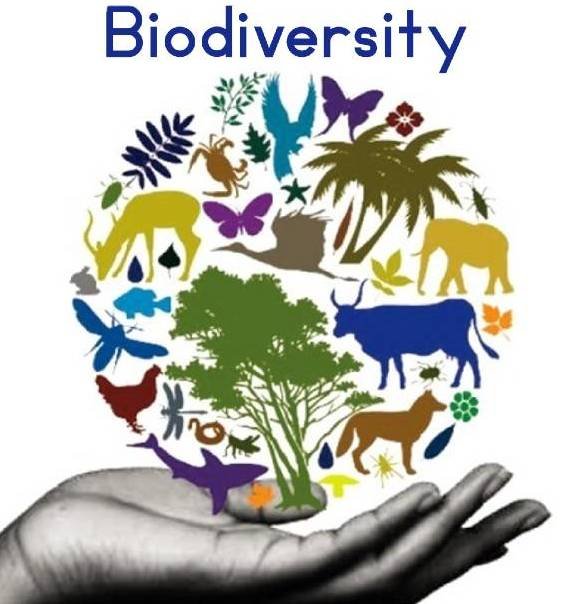
Biodiversity and Conservation is an important chapter in Class 12 Biology that explains the variety of life on Earth and the need to protect it. Biodiversity includes all living organisms — plants, animals, microorganisms — and the ecosystems in which they live.
This chapter helps students understand:
- the levels and patterns of biodiversity
- why biodiversity is important
- threats causing biodiversity loss
- conservation strategies to protect species and ecosystems
Human activities such as deforestation, pollution, climate change, and overexploitation are rapidly reducing biodiversity. Therefore, biodiversity and conservation has become a global concern for maintaining ecological balance and ensuring sustainable development.
Short Notes (Quick Revision Points)
- Biodiversity refers to the variety of life forms on Earth.
- It includes genetic diversity, species diversity, and ecosystem diversity.
- Tropical regions show higher biodiversity than temperate regions.
- India is one of the 12 mega-diverse countries of the world.
- Biodiversity provides ecological, economic, and ethical benefits.
- Major causes of biodiversity loss: habitat destruction, overexploitation, invasive species, pollution, climate change.
- Conservation strategies include in-situ and ex-situ conservation.
- National parks, wildlife sanctuaries, and biosphere reserves help protect species.
- International efforts include conservation treaties and biodiversity conventions.
Detailed Summary (Biodiversity and Conservation)
Biodiversity refers to the variety and variability of living organisms present on Earth. The term was popularized by Edward O. Wilson to emphasize the importance of biological richness.
Levels of Biodiversity
Biodiversity exists at three levels:
1. Genetic Diversity
This refers to variation within a species. For example, different varieties of rice, wheat, and mangoes show genetic diversity. High genetic diversity helps species adapt to environmental changes.
2. Species Diversity
It refers to the variety of species in a region. Areas such as tropical rainforests have high species diversity.
3. Ecosystem Diversity
This includes different ecosystems such as forests, deserts, wetlands, and oceans.
Patterns of Biodiversity
Biodiversity is not uniformly distributed.
Latitudinal Gradient
Species diversity decreases from the equator to the poles. Tropical regions have more biodiversity because of stable climates and high productivity.
Species-Area Relationship
The number of species increases with the explored area. This relationship was explained by Alexander von Humboldt.
Biodiversity in India
India is recognized as a mega-diverse country with rich flora and fauna. It contains:
- about 8% of the world’s biodiversity
- four biodiversity hotspots: Western Ghats, Himalayas, Indo-Burma, and Sundaland
Importance of Biodiversity
1. Ecological Importance
Biodiversity maintains ecosystem stability and productivity.
2. Economic Importance
Food, medicine, fuel, fiber, and industrial products come from biodiversity.
3. Ethical Importance
Every species has a right to exist.
4. Aesthetic and Recreational Value
Nature provides beauty, inspiration, and tourism opportunities.
Loss of Biodiversity
Biodiversity loss is occurring at an alarming rate.
Major Causes (“Evil Quartet”)
- Habitat loss and fragmentation
- Overexploitation
- Alien species invasions
- Co-extinctions
Other causes include pollution and climate change.
Conservation of Biodiversity
Conservation means protection, preservation, and sustainable use of biodiversity.
In-situ Conservation
Protection of species in their natural habitat.
Examples:
- National parks
- Wildlife sanctuaries
- Biosphere reserves
Ex-situ Conservation
Protection outside natural habitat.
Examples:
- Zoos
- Botanical gardens
- Seed banks
- Tissue culture
International Conservation Efforts
Global initiatives help protect biodiversity:
- Earth Summit (1992)
- Convention on Biological Diversity (CBD)
- Wildlife protection laws
Flowchart / Mind Map (Text-Based)
Biodiversity and Conservation
→ Levels of Biodiversity
→ Genetic
→ Species
→ Ecosystem
→ Patterns
→ Latitudinal gradient
→ Species-area relationship
→ Importance
→ Ecological
→ Economic
→ Ethical
→ Aesthetic
→ Threats
→ Habitat loss
→ Overexploitation
→ Invasive species
→ Co-extinction
→ Climate change
→ Conservation
→ In-situ
→ Ex-situ
→ International efforts
Important Keywords with Meanings
Biodiversity – Variety of living organisms.
Genetic diversity – Variation within a species.
Species diversity – Variety of species in a region.
Ecosystem diversity – Variety of ecosystems.
Endemic species – Species restricted to a specific area.
Hotspots – Regions rich in biodiversity but under threat.
In-situ conservation – Protection in natural habitat.
Ex-situ conservation – Protection outside natural habitat.
Alien species – Non-native species introduced into an ecosystem.
Co-extinction – Extinction of one species causing extinction of another.
Important Questions & Answers
Short Answer Questions
- What is biodiversity?
Answer: Biodiversity is the variety of life forms present on Earth. - Name the three levels of biodiversity.
Answer: Genetic, species, and ecosystem diversity. - What is an endemic species?
Answer: A species found only in a particular region. - What are biodiversity hotspots?
Answer: Regions rich in biodiversity and under threat. - Define in-situ conservation.
Answer: Protection of species in their natural habitat. - Define ex-situ conservation.
Answer: Conservation outside natural habitat. - Name one cause of biodiversity loss.
Answer: Habitat destruction. - What is co-extinction?
Answer: Extinction of one species leading to extinction of another. - Why are tropical regions rich in biodiversity?
Answer: Stable climate and high productivity. - Name one biodiversity hotspot in India.
Answer: Western Ghats.
Long Answer Questions
- Explain the levels of biodiversity.
Answer: Biodiversity exists at genetic, species, and ecosystem levels… (students should elaborate with examples). - Describe the importance of biodiversity.
Answer: Biodiversity maintains ecological balance, provides resources, and has ethical value. - Explain the evil quartet responsible for biodiversity loss.
Answer: Habitat loss, overexploitation, alien species invasion, and co-extinction. - Write about biodiversity hotspots.
Answer: Hotspots are regions with high species richness but high threat levels. - Describe in-situ conservation methods.
Answer: Protection of species in national parks, sanctuaries, and reserves. - Describe ex-situ conservation methods.
Answer: Zoos, botanical gardens, and gene banks preserve species. - Explain the species-area relationship.
Answer: Species richness increases with area explored. - Discuss biodiversity in India.
Answer: India is mega-diverse with rich flora, fauna, and hotspots. - Explain the ecological role of biodiversity.
Answer: It maintains ecosystem functioning and stability. - Why is conservation important?
Answer: It ensures survival of species and ecological balance.
MCQs with Answers
- Biodiversity refers to:
A. Only plants
B. Only animals
C. Variety of life
D. Climate
Answer: C - Who popularized the term biodiversity?
A. Darwin
B. Wilson
C. Mendel
D. Lamarck
Answer: B - Tropical regions show:
A. Less diversity
B. Moderate diversity
C. High diversity
D. No diversity
Answer: C - India is a:
A. Desert country
B. Mega-diverse country
C. Cold country
D. Island
Answer: B - Species diversity decreases from:
A. poles to equator
B. equator to poles
C. mountains to plains
D. forests to deserts
Answer: B - The evil quartet includes:
A. Pollution
B. Habitat loss
C. Rainfall
D. Soil erosion
Answer: B - National parks are examples of:
A. Ex-situ conservation
B. In-situ conservation
C. Genetic conservation
D. None
Answer: B - Zoos represent:
A. In-situ
B. Ex-situ
C. Natural conservation
D. None
Answer: B - Endemic species are found:
A. Worldwide
B. Specific region
C. Ocean
D. Desert
Answer: B - Biodiversity hotspots are:
A. Cold regions
B. Species-poor regions
C. Rich but threatened regions
D. Oceans
Answer: C
Exam Tips & Value-Based Questions
Exam Tips
- Remember the evil quartet causes.
- Learn differences between in-situ and ex-situ conservation.
- Study examples of hotspots and endemic species.
- Use flowcharts for long answers.
- Include diagrams for better marks.
Value-Based Questions
- Why should humans conserve biodiversity?
Answer: To maintain ecological balance and ensure future survival. - How does deforestation affect biodiversity?
Answer: It destroys habitats and leads to extinction. - Why should endangered species be protected?
Answer: To preserve ecological stability and genetic resources. - How can students help conserve biodiversity?
Answer: Plant trees, avoid pollution, spread awareness. - What is the moral responsibility toward nature?
Answer: Protect and respect all living organisms.
Conclusion
Biodiversity and Conservation is a crucial topic that highlights the richness of life on Earth and the urgent need to protect it. Biodiversity supports ecosystem stability, provides resources for human survival, and maintains ecological balance.
The chapter Biodiversity and Conservation explains how genetic, species, and ecosystem diversity contribute to environmental health. Regions near the equator have greater biodiversity due to favorable climatic conditions, while human activities have accelerated biodiversity loss.
Major threats such as habitat destruction, overexploitation, invasive species, and climate change are causing species extinction at an alarming rate. If biodiversity loss continues, ecosystems may collapse, affecting food security, climate regulation, and human health.
Conservation strategies are essential to safeguard biodiversity. In-situ conservation protects species in natural habitats through national parks and wildlife sanctuaries, while ex-situ conservation preserves species in zoos, botanical gardens, and seed banks.
India plays a significant role in global biodiversity conservation due to its mega-diverse status and rich ecosystems. Protecting biodiversity hotspots and endemic species is vital for ecological sustainability.
Every individual has a role in conserving biodiversity. Sustainable living, reducing pollution, protecting forests, and raising awareness can help preserve nature.
Understanding Biodiversity and Conservation enables students to appreciate nature, recognize environmental threats, and contribute to sustainable development. Protecting biodiversity ensures a healthy planet for present and future generations.
Long Answer Questions with Answers
1. Explain the three levels of biodiversity with suitable examples.
Answer:
Biodiversity exists at three levels:
Genetic Diversity: Variation within a species. For example, different varieties of rice, wheat, and mangoes. High genetic diversity allows species to adapt to environmental changes.
Species Diversity: Variety of species in a given region. Tropical rainforests show high species diversity due to favorable climate conditions.
Ecosystem Diversity: Variety of ecosystems such as forests, grasslands, deserts, wetlands, and oceans. Each ecosystem supports unique life forms.
These three levels together maintain ecological balance and environmental stability.
2. Describe the patterns of biodiversity distribution on Earth.
Answer:
Biodiversity is unevenly distributed across the planet.
Latitudinal Gradient: Species diversity decreases from the equator to the poles. Tropical regions are rich in biodiversity due to stable climate, high sunlight, and productivity.
Altitudinal Gradient: Biodiversity decreases with increasing altitude because of harsh climatic conditions.
Species-Area Relationship: Larger areas support more species because they provide diverse habitats and resources.
These patterns help scientists understand species distribution and conservation priorities.
3. What is the species–area relationship? Explain its ecological significance.
Answer:
The species–area relationship states that the number of species increases with the area explored. Larger areas contain more habitats and resources, allowing more species to survive.
Ecological significance:
- Helps in biodiversity assessment
- Assists in conservation planning
- Predicts species loss due to habitat destruction
- Helps design protected areas
This concept is important in environmental management and conservation planning.
4. Discuss the importance of biodiversity.
Answer:
Biodiversity is essential for maintaining life on Earth.
Ecological Importance: Maintains ecosystem stability and nutrient cycles.
Economic Importance: Provides food, medicines, timber, fuel, and industrial raw materials.
Ethical Importance: Every species has a right to exist.
Aesthetic Importance: Nature provides beauty, recreation, and tourism opportunities.
Without biodiversity, ecosystems would collapse, affecting human survival.
5. Explain the major causes of biodiversity loss (Evil Quartet).
Answer:
The major causes of biodiversity loss are known as the Evil Quartet:
Habitat Loss and Fragmentation: Deforestation and urbanization destroy natural habitats.
Overexploitation: Excessive hunting, fishing, and harvesting lead to species decline.
Alien Species Invasion: Non-native species outcompete native species.
Co-extinctions: Extinction of one species leads to extinction of dependent species.
These factors accelerate species extinction and ecosystem imbalance.
6. What are biodiversity hotspots? State their importance and criteria.
Answer:
Biodiversity hotspots are regions rich in species diversity but under severe threat.
Criteria:
- Must have at least 1,500 endemic plant species
- Must have lost at least 70% of original habitat
Importance:
- Protects endemic and endangered species
- Conserves maximum biodiversity in limited areas
- Helps prioritize conservation efforts
Examples include the Western Ghats and Himalayas.
7. Describe in-situ conservation and its advantages.
Answer:
In-situ conservation involves protecting species in their natural habitats.
Examples: National parks, wildlife sanctuaries, biosphere reserves.
Advantages:
- Preserves natural ecosystems
- Protects multiple species simultaneously
- Maintains ecological balance
- Allows natural evolution and adaptation
It is the most effective method for conserving biodiversity.
8. Explain ex-situ conservation with examples and benefits.
Answer:
Ex-situ conservation involves protecting species outside their natural habitats.
Examples:
- Zoos
- Botanical gardens
- Seed banks
- Cryopreservation
- Tissue culture
Benefits:
- Protects endangered species
- Helps species breeding and reintroduction
- Preserves genetic material
- Useful for research and education
It acts as a backup for species survival.
9. Describe biodiversity in India and its conservation significance.
Answer:
India is one of the world’s mega-diverse countries.
Features:
- Contains about 8% of global biodiversity
- Rich flora and fauna
- Four biodiversity hotspots: Western Ghats, Himalayas, Indo-Burma, Sundaland
Significance:
- Provides ecological stability
- Supports agriculture and medicine
- Maintains environmental balance
Conservation efforts are essential to protect India’s natural heritage.
10. Why is biodiversity conservation important for sustainable development?
Answer:
Biodiversity conservation ensures sustainable use of natural resources.
Reasons:
- Maintains ecosystem services like pollination and climate regulation
- Supports food security and agriculture
- Provides medicinal resources
- Prevents environmental degradation
- Ensures resources for future generations
Sustainable development depends on conserving biodiversity to maintain ecological balance and human well-being.
Assertion–Reason Questions
Directions:
For each question, choose the correct option:
A. Both Assertion (A) and Reason (R) are true and R is the correct explanation of A.
B. Both A and R are true but R is not the correct explanation of A.
C. A is true but R is false.
D. A is false but R is true.
1.
Assertion (A): Tropical regions have higher biodiversity than temperate regions.
Reason (R): Tropical areas have stable climate and high primary productivity.
Answer: A
2.
Assertion (A): India is considered a mega-diverse country.
Reason (R): India contains about 8% of the world’s species.
Answer: A
3.
Assertion (A): Species diversity decreases from the equator toward the poles.
Reason (R): Polar regions receive more solar energy than tropical regions.
Answer: C
4.
Assertion (A): Habitat destruction is the primary cause of biodiversity loss.
Reason (R): Urbanization and deforestation destroy natural habitats.
Answer: A
5.
Assertion (A): Exotic species can threaten native biodiversity.
Reason (R): Alien species often outcompete native species for resources.
Answer: A
6.
Assertion (A): National parks help conserve biodiversity.
Reason (R): They protect species within their natural habitats.
Answer: A
7.
Assertion (A): Ex-situ conservation preserves endangered species.
Reason (R): Species are conserved outside their natural habitats.
Answer: A
8.
Assertion (A): Small populations are more vulnerable to extinction.
Reason (R): They have limited genetic diversity and adaptability.
Answer: A
9.
Assertion (A): Biodiversity has economic value.
Reason (R): Many medicines and crops originate from wild species.
Answer: A
10.
Assertion (A): Conservation of biodiversity is essential for ecosystem stability.
Reason (R): Diverse ecosystems are more productive and resilient.
Answer: A
Biodiversity and Conservation – Class 12 Biology
1. Biodiversity refers to:
A. Variety of plants only
B. Variety of animals only
C. Variety of life forms
D. Variety of climate
Answer: C
2. The term biodiversity was popularized by:
A. Charles Darwin
B. Edward O. Wilson
C. Gregor Mendel
D. Lamarck
Answer: B
3. Which level of biodiversity refers to variation within a species?
A. Species diversity
B. Ecosystem diversity
C. Genetic diversity
D. Habitat diversity
Answer: C
4. Tropical regions are rich in biodiversity because they have:
A. Low rainfall
B. Stable climate
C. High snowfall
D. Low sunlight
Answer: B
5. Diversity decreases from:
A. Poles to equator
B. Equator to poles
C. Plains to mountains
D. Oceans to rivers
Answer: B
6. The species–area relationship was explained by:
A. Darwin
B. Mendel
C. Alexander von Humboldt
D. Wallace
Answer: C
7. India is known as a mega-diverse country because:
A. It has deserts only
B. It has cold climate
C. It has rich biodiversity
D. It has few species
Answer: C
8. Which of the following is NOT a level of biodiversity?
A. Genetic
B. Species
C. Ecosystem
D. Atmospheric
Answer: D
9. Western Ghats is an example of:
A. Desert ecosystem
B. Biodiversity hotspot
C. Tundra region
D. Coral reef
Answer: B
10. Species found only in a particular region are called:
A. Rare species
B. Endemic species
C. Exotic species
D. Common species
Answer: B
11. The greatest biodiversity occurs in:
A. Temperate forests
B. Grasslands
C. Tropical rainforests
D. Polar regions
Answer: C
12. Which of the following is a direct economic benefit of biodiversity?
A. Soil erosion
B. Medicines
C. Floods
D. Earthquakes
Answer: B
13. Habitat loss leads to:
A. Species growth
B. Extinction
C. Increased rainfall
D. Soil formation
Answer: B
14. Which is NOT part of the Evil Quartet?
A. Habitat loss
B. Overexploitation
C. Alien species invasion
D. Photosynthesis
Answer: D
15. Overhunting of animals is an example of:
A. Conservation
B. Overexploitation
C. Evolution
D. Migration
Answer: B
16. Water hyacinth in India is an example of:
A. Endemic species
B. Native species
C. Alien species
D. Extinct species
Answer: C
17. In-situ conservation means:
A. Conservation in laboratories
B. Conservation in natural habitats
C. Conservation in museums
D. Conservation in seed banks
Answer: B
18. Which of the following is an example of in-situ conservation?
A. Zoo
B. Botanical garden
C. National park
D. Seed bank
Answer: C
19. Ex-situ conservation includes:
A. Wildlife sanctuaries
B. Biosphere reserves
C. Zoos
D. Forests
Answer: C
20. Seed banks help in conserving:
A. Animals
B. Soil
C. Plant genetic material
D. Water
Answer: C
21. Biodiversity hotspots are regions:
A. With low species diversity
B. Rich in biodiversity but threatened
C. Covered with ice
D. With no vegetation
Answer: B
22. Co-extinction occurs when:
A. One species evolves
B. One species migrates
C. One species disappears causing another to vanish
D. New species form
Answer: C
23. The main cause of biodiversity loss worldwide is:
A. Rainfall
B. Habitat destruction
C. Photosynthesis
D. Wind
Answer: B
24. Which ecosystem shows maximum biodiversity?
A. Desert
B. Tundra
C. Tropical rainforest
D. Mountain peak
Answer: C
25. Which organization works globally for biodiversity conservation?
A. NASA
B. WHO
C. UNEP
D. FIFA
Answer: C
26. Sacred groves are examples of:
A. Ex-situ conservation
B. In-situ conservation
C. Artificial ecosystems
D. Urban forests
Answer: B
27. Which of the following maintains ecological balance?
A. Pollution
B. Biodiversity
C. Urbanization
D. Deforestation
Answer: B
28. Loss of biodiversity affects:
A. Ecosystem stability
B. Weather only
C. Soil color
D. Moon phases
Answer: A
29. The Red Data Book contains information about:
A. Rivers
B. Endangered species
C. Weather patterns
D. Mountains
Answer: B
30. Conservation of biodiversity ensures:
A. Species extinction
B. Ecological balance
C. Soil erosion
D. Habitat loss
Answer: B
Case-Based MCQs
Case Study 1: Tropical Rainforest Loss
A tropical rainforest region is being cleared for agriculture and urban development. Scientists observe a rapid decline in plant and animal species. Several endemic species are now endangered.
Questions:
1. What is the primary cause of biodiversity loss in this case?
A. Natural disasters
B. Habitat destruction
C. Genetic mutation
D. Migration
Answer: B
2. Why are endemic species at greater risk?
A. They reproduce quickly
B. They exist only in a specific region
C. They live in water
D. They are domesticated
Answer: B
3. Tropical forests have high biodiversity because they:
A. Experience frequent snowfall
B. Have stable climate and high productivity
C. Are dry throughout the year
D. Have poor soil
Answer: B
4. Which conservation strategy would best protect this forest?
A. Zoos
B. Botanical gardens
C. Establishing a national park
D. Hunting restrictions only
Answer: C
Case Study 2: Introduction of an Alien Species
A non-native fish species was introduced into a freshwater lake to improve fisheries. Within a few years, native fish populations declined drastically.
Questions:
5. What is the introduced fish called?
A. Endemic species
B. Alien species
C. Keystone species
D. Extinct species
Answer: B
6. Why did native fish populations decline?
A. Lack of sunlight
B. Competition for resources
C. Increase in oxygen
D. Soil erosion
Answer: B
7. This situation is an example of:
A. Natural selection
B. Habitat restoration
C. Biological invasion
D. Genetic variation
Answer: C
8. Which measure can prevent such biodiversity loss?
A. Introducing more exotic species
B. Strict regulation of species introduction
C. Increasing fishing
D. Removing plants
Answer: B
Case Study 3: Conservation Efforts in a National Park
A national park was established to protect endangered species and preserve natural ecosystems. After several years, animal populations increased and vegetation recovered.
Questions:
9. This conservation method is known as:
A. Ex-situ conservation
B. In-situ conservation
C. Artificial breeding
D. Urban forestry
Answer: B
10. What is the main advantage of this method?
A. Species are kept in cages
B. Natural habitats are protected
C. Only plants are conserved
D. It eliminates predators
Answer: B
11. Which of the following may benefit from this conservation effort?
A. Only herbivores
B. Only carnivores
C. Entire ecosystem
D. Only birds
Answer: C
12. Establishing protected areas helps in:
A. Increasing pollution
B. Maintaining ecological balance
C. Reducing rainfall
D. Increasing urbanization
Answer: B
Case Study 4: Climate Change and Coral Reefs
Due to rising ocean temperatures, coral reefs are bleaching and marine biodiversity is declining.
Questions:
13. Coral bleaching occurs due to:
A. Excess rainfall
B. Rising water temperature
C. Lack of sunlight
D. Strong winds
Answer: B
14. Coral reefs are important because they:
A. Reduce oxygen levels
B. Support marine biodiversity
C. Increase salinity
D. Prevent tides
Answer: B
15. Loss of coral reefs will mainly affect:
A. Desert plants
B. Marine ecosystems
C. Mountain animals
D. Grasslands
Answer: B
16. Which global issue is responsible for this damage?
A. Deforestation
B. Climate change
C. Soil erosion
D. Urbanization
Answer: B
Case Study 5: Seed Bank Conservation
A rare plant species is on the verge of extinction. Scientists collected and preserved its seeds in a seed bank.
Questions:
17. This conservation strategy is called:
A. In-situ conservation
B. Ex-situ conservation
C. Habitat restoration
D. Wildlife protection
Answer: B
18. What is the main purpose of seed banks?
A. Store water
B. Preserve plant genetic diversity
C. Grow crops quickly
D. Produce fertilizers
Answer: B
19. Which situation makes seed banks especially important?
A. Overpopulation
B. Species extinction risk
C. High rainfall
D. Increased soil fertility
Answer: B
20. Seed preservation helps future generations by:
A. Increasing pollution
B. Maintaining genetic resources
C. Causing deforestation
D. Reducing biodiversity
Answer: B
Sample Question Paper
Class 12 Biology
Chapter: Biodiversity and Conservation
Time Allowed: 3 Hours
Maximum Marks: 70
Section A: Very Short Answer Questions (1 mark each)
(Attempt all questions)
- Define biodiversity.
- Name one biodiversity hotspot in India.
- What is genetic diversity?
- Define endemic species.
- What is in-situ conservation?
- Name one cause of biodiversity loss.
- Expand CBD (related to biodiversity).
- What is a biosphere reserve?
- Name one alien species introduced in India.
- What is co-extinction?
Section B: Short Answer Questions (2 marks each)
- State two advantages of biodiversity.
- Why are tropical regions rich in biodiversity?
- Differentiate between endemic and exotic species.
- What is the species–area relationship?
- Mention two causes of biodiversity loss.
Section C: Short Answer Questions (3 marks each)
- Explain the three levels of biodiversity.
- Describe the importance of biodiversity in maintaining ecosystem stability.
- What are biodiversity hotspots? Mention their significance.
- Explain the role of national parks in conservation.
- Write a note on alien species invasion.
Section D: Long Answer Questions (5 marks each)
- Explain the major causes of biodiversity loss.
OR
Describe the Evil Quartet responsible for biodiversity depletion. - Explain in-situ and ex-situ conservation with examples.
OR
Describe different strategies used for biodiversity conservation. - Discuss the importance of biodiversity for sustainable development.
OR
Explain the ecological and economic importance of biodiversity.
Section E: Case-Based Questions (4 marks each)
24. Case Study: Forest Fragmentation
A large forest area is divided into smaller patches due to road construction and urban expansion. Scientists observed reduced wildlife populations and increased human-animal conflict.
a. What is this process called?
b. How does it affect biodiversity?
c. Name one animal affected by habitat fragmentation.
d. Suggest one conservation measure.
25. Case Study: Invasive Species Impact
A foreign plant species introduced for ornamental purposes spread rapidly and suppressed native vegetation.
a. What type of species is this?
b. How does it threaten biodiversity?
c. Give one example of such a species.
d. Suggest one preventive measure.
Internal Choice-Based MCQs (Practice Section)
- Biodiversity is highest in:
A. Desert
B. Tropical rainforest
C. Polar region
D. Grassland - Which is an example of ex-situ conservation?
A. National park
B. Wildlife sanctuary
C. Zoo
D. Biosphere reserve - The Red Data Book lists:
A. Rivers
B. Endangered species
C. Soil types
D. Mountains - The greatest threat to biodiversity is:
A. Rainfall
B. Habitat loss
C. Wind
D. Soil fertility - Sacred groves are examples of:
A. Ex-situ conservation
B. In-situ conservation
C. Urban forestry
D. Artificial ecosystems
Answer Key
Detailed Solutions
Section A: Very Short Answers
1. Define biodiversity.
Biodiversity is the variety and variability of living organisms found on Earth, including plants, animals, microorganisms, and ecosystems.
2. Name one biodiversity hotspot in India.
Western Ghats.
3. What is genetic diversity?
Genetic diversity refers to variation in genes within a species.
4. Define endemic species.
Species restricted to a specific geographical region and found nowhere else.
5. What is in-situ conservation?
Protection of species in their natural habitats.
6. Name one cause of biodiversity loss.
Habitat destruction.
7. Expand CBD.
Convention on Biological Diversity.
8. What is a biosphere reserve?
A protected area designed to conserve biodiversity, ecosystems, and traditional lifestyles.
9. Name one alien species introduced in India.
Water hyacinth.
10. What is co-extinction?
Extinction of one species leading to extinction of another dependent species.
Section B: Short Answers (2 Marks)
11. State two advantages of biodiversity.
- Maintains ecological balance.
- Provides food, medicines, and raw materials.
12. Why are tropical regions rich in biodiversity?
They have a stable climate, high sunlight availability, and high productivity supporting diverse life forms.
13. Differentiate between endemic and exotic species.
| Endemic Species | Exotic Species |
|---|---|
| Native to a specific area | Introduced from outside |
| Found nowhere else | May become invasive |
| Example: Nilgiri tahr | Example: Water hyacinth |
14. What is the species–area relationship?
It states that species richness increases as the area explored increases.
15. Mention two causes of biodiversity loss.
Habitat loss and overexploitation.
Section C: Short Answers (3 Marks)
16. Explain the three levels of biodiversity.
- Genetic diversity: variation within species.
- Species diversity: variety of species in a region.
- Ecosystem diversity: variety of ecosystems.
17. Describe the importance of biodiversity in maintaining ecosystem stability.
Biodiversity stabilizes ecosystems by maintaining food chains, nutrient cycles, and resilience to environmental changes.
18. What are biodiversity hotspots? Mention their significance.
Hotspots are regions rich in biodiversity but under threat. They help prioritize conservation efforts and protect endemic species.
19. Explain the role of national parks in conservation.
National parks protect wildlife and ecosystems in natural habitats and prevent hunting and habitat destruction.
20. Write a note on alien species invasion.
Alien species are non-native organisms introduced intentionally or accidentally. They may outcompete native species, disrupt ecosystems, and reduce biodiversity.
Section D: Long Answers (5 Marks)
21. Explain the major causes of biodiversity loss (Evil Quartet).
The major causes are:
Habitat loss and fragmentation: Deforestation and urbanization destroy habitats.
Overexploitation: Excessive hunting, fishing, and logging reduce populations.
Alien species invasion: Non-native species outcompete native ones.
Co-extinctions: Loss of one species leads to extinction of dependent species.
These factors accelerate extinction rates and disrupt ecological balance.
22. Explain in-situ and ex-situ conservation with examples.
In-situ conservation:
Protection of species in natural habitats.
Examples: national parks, wildlife sanctuaries, biosphere reserves.
Advantages: protects ecosystems and allows natural evolution.
Ex-situ conservation:
Protection outside natural habitats.
Examples: zoos, botanical gardens, seed banks, cryopreservation.
Advantages: protects endangered species and preserves genetic material.
23. Discuss the importance of biodiversity for sustainable development.
Biodiversity supports ecosystem services such as pollination, nutrient cycling, climate regulation, and soil formation. It provides food, medicines, fuel, and raw materials. Conservation ensures resources remain available for future generations. Sustainable development depends on biodiversity protection to maintain ecological balance and human well-being.
Section E: Case Study Solutions
24. Forest Fragmentation Case
a. What is this process called?
Habitat fragmentation.
b. How does it affect biodiversity?
It reduces population sizes, restricts movement, increases extinction risk, and disrupts ecosystems.
c. Name one animal affected by habitat fragmentation.
Elephant / tiger / deer (any valid forest species).
d. Suggest one conservation measure.
Create wildlife corridors or protected areas.
25. Invasive Species Case
a. What type of species is this?
Alien (invasive) species.
b. How does it threaten biodiversity?
It competes with native plants and suppresses their growth.
c. Give one example of such a species.
Water hyacinth.
d. Suggest one preventive measure.
Strict regulation and monitoring of species introduction.
MCQ Solutions
- B – Tropical rainforests have highest biodiversity.
- C – Zoos are ex-situ conservation.
- B – Red Data Book lists endangered species.
- B – Habitat loss is the greatest threat.
- B – Sacred groves conserve biodiversity in natural habitats.









Leave a Reply