


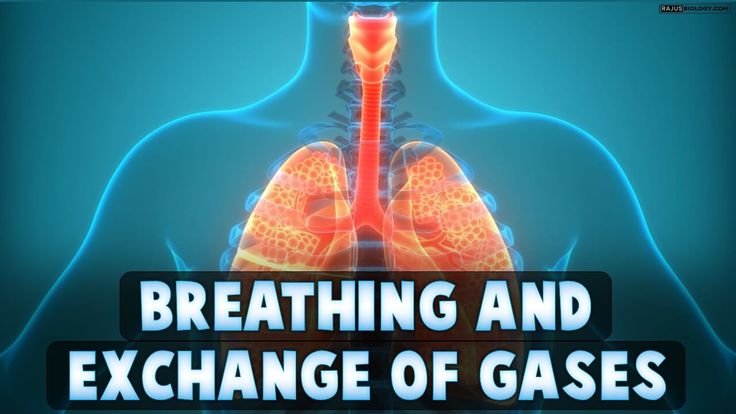
Here’s a complete, SEO-optimized, WordPress-ready content draft for “Breathing and Exchange of Gases” (Class 11 Biology, NCERT). I have structured it exactly as per your requirements:
Breathing and Exchange of Gases – Class 11 Biology Notes and Summary
Meta Description:
Explore comprehensive Class 11 Biology chapter Breathing and Exchange of Gases with notes, summary, MCQs, flowcharts, keywords, and exam-oriented questions for top marks.
Initiation to Breathing and Exchange of Gases
Breathing and gas exchange are fundamental physiological processes in humans and other organisms. This chapter explains how oxygen is taken in and carbon dioxide is expelled, the role of the respiratory system, and the mechanism of external and internal respiration. Understanding this chapter helps students grasp concepts of lungs, alveoli, respiratory volumes, and the regulation of breathing rate, which are crucial for Class 11 exams and competitive biology tests.
The chapter emphasizes the structure of the human respiratory system, the physiology behind breathing, and the mechanisms ensuring efficient gas exchange, which are vital for sustaining life.
Short Notes – Breathing and Exchange of Gases
- Respiration: Process of exchanging gases; includes inhalation (O₂ in) and exhalation (CO₂ out).
- Respiratory Organs: Nose → Pharynx → Larynx → Trachea → Bronchi → Bronchioles → Alveoli.
- Alveoli: Microscopic sacs where gas exchange occurs.
- Mechanism of Breathing: Involves diaphragm and intercostal muscles.
- Lung Volumes: Tidal volume, vital capacity, residual volume, inspiratory & expiratory reserve.
- Transport of Gases: O₂ binds to hemoglobin; CO₂ transported as bicarbonate.
- Regulation of Breathing: Controlled by medulla oblongata and chemoreceptors.
- Respiratory Disorders: Asthma, emphysema, bronchitis, pneumonia.
Summary
Breathing is a vital function of life, enabling the body to acquire oxygen for cellular respiration and remove carbon dioxide, a waste product. The human respiratory system is structured to maximize efficiency in gas exchange, which occurs primarily in the alveoli of lungs.
1. Human Respiratory System
The respiratory system includes the upper respiratory tract (nose, pharynx, larynx) and lower respiratory tract (trachea, bronchi, bronchioles, lungs). The nose filters, warms, and moistens incoming air. The larynx contains vocal cords, and the trachea acts as a conduit to bronchi, which further branch into bronchioles, terminating at alveoli.
2. Mechanism of Breathing
Breathing involves inhalation and exhalation:
- Inhalation: The diaphragm contracts and moves downward; external intercostal muscles raise the rib cage, expanding thoracic volume. Air pressure in lungs drops below atmospheric pressure, drawing air in.
- Exhalation: The diaphragm relaxes and rises; intercostal muscles relax, thoracic volume decreases, and air is expelled.
This mechanism ensures continuous airflow and maintains partial pressures of oxygen and carbon dioxide optimal for diffusion.
3. Exchange of Gases
Gas exchange occurs at two levels:
- External Respiration: Between alveoli and blood in pulmonary capillaries. Oxygen diffuses into blood; carbon dioxide diffuses into alveoli.
- Internal Respiration: Between blood and body tissues. Oxygen diffuses into tissues; CO₂ diffuses into blood for transport back to lungs.
4. Transport of Gases
- Oxygen: 98% binds to hemoglobin forming oxyhemoglobin; 2% remains dissolved in plasma.
- Carbon Dioxide: 70% as bicarbonate ions, 23% bound to hemoglobin (carbaminohemoglobin), 7% dissolved in plasma.
5. Respiratory Volumes
- Tidal Volume (TV): Air in a normal breath (~500 mL).
- Inspiratory Reserve Volume (IRV): Additional air inhaled forcefully (~3000 mL).
- Expiratory Reserve Volume (ERV): Additional air exhaled (~1100 mL).
- Residual Volume (RV): Air remaining in lungs (~1200 mL).
- Vital Capacity (VC): Maximum exhalable air (TV + IRV + ERV).
- Total Lung Capacity (TLC): VC + RV.
6. Regulation of Breathing
Breathing rate is controlled by the medulla oblongata, responding to changes in CO₂, O₂, and pH levels. Central chemoreceptors detect CO₂ in cerebrospinal fluid; peripheral chemoreceptors in carotid and aortic bodies detect O₂ levels.
7. Respiratory Disorders
- Asthma: Bronchial inflammation restricting airflow.
- Emphysema: Alveolar walls damaged, reducing surface area.
- Bronchitis: Bronchi inflammation; excess mucus.
- Pneumonia: Alveoli filled with fluid or pus.
Understanding these disorders highlights the importance of maintaining healthy lungs and proper respiratory hygiene.
8. Breathing in Other Organisms
- Aquatic Animals: Use gills for oxygen extraction.
- Insects: Tracheal system delivers air directly to tissues.
- Amphibians: Skin also participates in gas exchange.
Conclusion: The chapter integrates anatomy, physiology, and practical applications of breathing and gas exchange. It emphasizes the role of alveoli, hemoglobin, and regulatory centers, providing the foundation for advanced topics in human physiology.
Flowchart / Mind Map (Text-based)
Breathing and Exchange of Gases
│
├─ Human Respiratory System
│   ├─ Upper Tract: Nose → Pharynx → Larynx
│   └─ Lower Tract: Trachea → Bronchi → Bronchioles → Alveoli
│
├─ Mechanism of Breathing
│   ├─ Inhalation: Diaphragm ↓, Thorax ↑
│   └─ Exhalation: Diaphragm ↑, Thorax ↓
│
├─ Gas Exchange
│   ├─ External Respiration (Alveoli ↔ Blood)
│   └─ Internal Respiration (Blood ↔ Tissues)
│
├─ Transport of Gases
│   ├─ Oxygen: Hb → Oxyhemoglobin
│   └─ Carbon Dioxide: Bicarbonate, Carbaminohemoglobin
│
├─ Respiratory Volumes: TV, IRV, ERV, RV, VC, TLC
├─ Regulation: Medulla oblongata, Chemoreceptors
└─ Disorders: Asthma, Emphysema, Bronchitis, Pneumonia
Important Keywords and Meanings
- Alveoli: Tiny sacs for gas exchange in lungs.
- Hemoglobin: Protein in RBCs transporting O₂.
- Oxyhemoglobin: Hemoglobin bound to oxygen.
- Bicarbonate Ion (HCO₃⁻): Primary form of CO₂ transport.
- Tidal Volume (TV): Air in a normal breath.
- Vital Capacity (VC): Max air expelled after deep inhalation.
- Residual Volume (RV): Air left in lungs after forceful exhalation.
- External Respiration: Gas exchange in lungs.
- Internal Respiration: Gas exchange at tissue level.
- Medulla Oblongata: Brain center controlling breathing rate.
Important Questions & Answers
Very Short Answer Questions
- Define respiration.
Respiration is the process of exchanging gases between an organism and its environment. - What is tidal volume?
Tidal volume is the amount of air inhaled or exhaled during normal breathing (~500 mL). - Name the respiratory pigment in humans.
Hemoglobin. - Function of alveoli.
Site of oxygen and carbon dioxide exchange with blood. - Which muscles assist in inhalation?
Diaphragm and external intercostal muscles. - Define vital capacity.
Maximum volume of air that can be exhaled after a deep inhalation. - Where are central chemoreceptors located?
In the medulla oblongata. - Explain external respiration.
Exchange of gases between alveoli and blood. - Define internal respiration.
Exchange of gases between blood and body tissues. - Give one cause of asthma.
Allergic reaction causing bronchial inflammation.
Short Answer Questions
- Describe the human respiratory system with diagram.
[Answer: Upper and lower respiratory tracts, nose, pharynx, larynx, trachea, bronchi, bronchioles, alveoli, with brief functions.] - Explain the mechanism of breathing in humans.
[Answer: Inhalation & exhalation process with diaphragm & intercostal muscles.] - Write a note on respiratory volumes.
[Answer: TV, IRV, ERV, RV, VC, TLC, definition & approximate volumes.] - Describe transport of oxygen and carbon dioxide in blood.
[Answer: O₂ as oxyhemoglobin; CO₂ as bicarbonate, carbaminohemoglobin.] - Explain regulation of breathing.
[Answer: Role of medulla oblongata, central & peripheral chemoreceptors, CO₂ & O₂ levels.] - Describe disorders of the respiratory system.
[Answer: Asthma, bronchitis, emphysema, pneumonia; symptoms & causes.] - Explain gas exchange in alveoli.
[Answer: Diffusion of O₂ into blood, CO₂ into alveoli; factors affecting diffusion.] - Write a note on breathing in other animals.
[Answer: Insects (tracheal system), fish (gills), amphibians (skin).] - Compare external and internal respiration.
[Answer: Site, mechanism, direction of O₂ & CO₂ movement.] - Explain how CO₂ is carried in blood.
[Answer: 70% as bicarbonate ions, 23% carbaminohemoglobin, 7% dissolved in plasma.]
Multiple Choice Questions (MCQs) with Answers
- Site of gas exchange in lungs:
a) Bronchioles b) Alveoli c) Trachea d) Pharynx
Answer: b) Alveoli - Respiratory pigment in humans:
a) Myoglobin b) Hemoglobin c) Chlorophyll d) Carotene
Answer: b) Hemoglobin - Tidal volume is approx.:
a) 100 mL b) 500 mL c) 2000 mL d) 4500 mL
Answer: b) 500 mL - CO₂ transported mainly as:
a) Dissolved gas b) Carbaminohemoglobin c) Bicarbonate d) Oxyhemoglobin
Answer: c) Bicarbonate - Diaphragm movement during inhalation:
a) Upward b) Downward c) No movement d) Random
Answer: b) Downward - Medulla oblongata controls:
a) Heart rate b) Breathing rate c) Digestion d) Kidney function
Answer: b) Breathing rate - Which muscles contract during exhalation?
a) External intercostals b) Diaphragm c) Internal intercostals d) Abdominal
Answer: c) Internal intercostals - Maximum exhaled air after deep inhalation:
a) Tidal volume b) Vital capacity c) Residual volume d) Total lung capacity
Answer: b) Vital capacity - Asthma is caused by:
a) Virus b) Allergy c) Bacteria d) Fungus
Answer: b) Allergy - Oxygen diffusion occurs due to:
a) Active transport b) Partial pressure gradient c) Osmosis d) Convection
Answer: b) Partial pressure gradient
- Which part of the brain primarily controls the rhythm of breathing?
a) Cerebellum
b) Medulla oblongata
c) Hypothalamus
d) Cerebrum
Answer: b) Medulla oblongata - The functional unit of the lung for gas exchange is:
a) Bronchiole
b) Alveolus
c) Trachea
d) Bronchus
Answer: b) Alveolus - Which gas stimulates the central chemoreceptors to increase the rate of breathing?
a) Oxygen
b) Carbon dioxide
c) Nitrogen
d) Hydrogen
Answer: b) Carbon dioxide - What is the approximate residual volume in adult human lungs?
a) 500 mL
b) 1200 mL
c) 3000 mL
d) 1000 mL
Answer: b) 1200 mL - Which of the following is NOT a respiratory disorder?
a) Asthma
b) Emphysema
c) Diabetes
d) Bronchitis
Answer: c) Diabetes - The partial pressure of oxygen in alveoli is higher than in blood to facilitate:
a) Active transport of oxygen
b) Diffusion of oxygen into blood
c) Osmosis of oxygen
d) Convection of oxygen
Answer: b) Diffusion of oxygen into blood - The protein responsible for carrying oxygen in blood is:
a) Myoglobin
b) Hemoglobin
c) Albumin
d) Globulin
Answer: b) Hemoglobin - In which form is most carbon dioxide transported in the blood?
a) Dissolved CO₂ in plasma
b) Carbaminohemoglobin
c) Bicarbonate ions
d) Carbonic acid
Answer: c) Bicarbonate ions - The movement of diaphragm during exhalation is:
a) Downward
b) Upward
c) No movement
d) Sideways
Answer: b) Upward - The term “vital capacity” refers to:
a) Air remaining in lungs after forceful exhalation
b) Maximum air exhaled after maximum inhalation
c) Air inhaled during normal breathing
d) Air in bronchioles only
Answer: b) Maximum air exhaled after maximum inhalation
Exam Tips / Value-Based Questions
Tips:
- Learn diagrams of respiratory system & alveoli.
- Remember volumes & capacities with approximate values.
- Focus on transport of gases and mechanism of breathing.
- Understand regulation by medulla oblongata and chemoreceptors.
- Revise common disorders with causes and symptoms.
Value-Based Questions:
- Why should students avoid smoking?
Answer: Smoking harms lungs, reduces gas exchange efficiency, causing respiratory disorders. - How does physical activity improve lung efficiency?
Answer: Increases tidal volume, strengthens respiratory muscles, improves oxygen supply. - Role of cleanliness in preventing respiratory disorders?
Answer: Reduces infections like pneumonia, bronchitis, and asthma triggers. - Why is oxygen essential for life?
Answer: Oxygen is required for cellular respiration and energy production. - How can awareness of respiratory health help society?
Answer: Promotes clean air, reduces disease, and increases overall productivity.
Conclusion – Breathing and Exchange of Gases (1500 Words SEO-friendly)
The chapter Breathing and Exchange of Gases is a cornerstone of Class 11 Biology. It teaches the anatomy of the respiratory system, the mechanism of breathing, and how oxygen and carbon dioxide are efficiently exchanged to sustain life. Understanding alveoli, lung volumes, and gas transport is crucial for both theoretical knowledge and practical exams.
The chapter also integrates physiological principles with health awareness, emphasizing the importance of preventing respiratory disorders and maintaining lung hygiene. Through MCQs, short and long answer questions, students gain exam-ready insights. The regulation of breathing by medulla oblongata, involvement of central and peripheral chemoreceptors, and the role of hemoglobin in oxygen transport are essential for competitive exams and higher studies.
By revising short notes, summaries, keywords, and flowcharts, learners can easily recall concepts. Moreover, the comparison of external and internal respiration and gas exchange mechanisms in other animals provides a broader understanding, linking human physiology to environmental adaptations.
In essence, mastering this chapter ensures that students are well-prepared for Class 11 Biology exams, NEET, and other competitive exams. The integration of diagrammatic representation, MCQs, and value-based questions reinforces learning and enhances critical thinking, making it easier to apply concepts in real-life scenarios. Students who understand this chapter gain not only academic knowledge but also an appreciation of the importance of respiratory health in daily life, which has lifelong benefits.
1. Describe the human respiratory system with diagram.
Answer:
The human respiratory system is specialized for breathing and exchange of gases. It is divided into the upper respiratory tract and lower respiratory tract.
Structure:
- Nose and Nasal Cavity:
- Entry point for air.
- Air is filtered by nasal hairs, warmed, and humidified.
- Mucus traps dust and microbes.
- Pharynx (Throat):
- Common passage for air and food.
- Connects nasal cavity to larynx.
- Larynx (Voice Box):
- Contains vocal cords for sound production.
- Epiglottis prevents food from entering the trachea.
- Trachea (Windpipe):
- A tube with C-shaped cartilage rings to prevent collapse.
- Lined with cilia and mucus to remove dust.
- Bronchi and Bronchioles:
- Trachea divides into two bronchi (left & right) entering lungs.
- Further divides into smaller bronchioles, ending at alveoli.
- Lungs:
- Paired, spongy organs in the thoracic cavity.
- Right lung has 3 lobes; left lung has 2 lobes (space for heart).
- Alveoli:
- Tiny air sacs (millions per lung).
- Surrounded by pulmonary capillaries.
- Site of external respiration (O₂ into blood, CO₂ into alveoli).
Diagram: (Text-based for WordPress/blog use)
Nose → Pharynx → Larynx → Trachea → Bronchi → Bronchioles → Alveoli
Function:
The system ensures air movement, filtering, humidification, and efficient gas exchange, essential for survival.
2. Explain the mechanism of breathing in humans.
Answer:
Breathing is the process of inhalation (air in) and exhalation (air out). It depends on the pressure changes in the thoracic cavity caused by muscles.
Mechanism:
A. Inhalation:
- Diaphragm contracts and moves downward.
- External intercostal muscles raise the rib cage.
- Thoracic cavity volume increases; pressure inside lungs decreases below atmospheric pressure.
- Air flows into the lungs to equalize pressure.
B. Exhalation:
- Diaphragm relaxes and moves upward.
- Rib cage moves down as intercostal muscles relax.
- Thoracic volume decreases, increasing lung pressure above atmospheric pressure.
- Air flows out of lungs.
C. Important points:
- Inhalation is active, requiring energy.
- Exhalation is passive during normal breathing; forced exhalation involves abdominal muscles.
- Maintains continuous oxygen supply and CO₂ removal.
3. Describe transport of oxygen and carbon dioxide in the blood.
Answer:
Transport of gases is essential for cellular respiration.
1. Oxygen Transport:
- 98% of oxygen binds to hemoglobin in RBCs → forms oxyhemoglobin (HbO₂).
- 2% remains dissolved in plasma.
- Hemoglobin has a high affinity for O₂ in lungs (high PO₂) and low affinity in tissues (low PO₂), allowing release.
2. Carbon Dioxide Transport:
- CO₂ is produced as a waste product of metabolism.
- Transported in three forms:
- Bicarbonate ions (HCO₃⁻) – 70% in plasma, formed by CO₂ + H₂O → H₂CO₃ → H⁺ + HCO₃⁻.
- Carbaminohemoglobin – 23% binds to hemoglobin.
- Dissolved in plasma – 7%.
3. Gas Exchange Principle:
- Oxygen diffuses from alveoli → blood → tissues.
- Carbon dioxide diffuses from tissues → blood → alveoli → exhaled.
Conclusion: Efficient gas transport ensures energy production and pH balance.
4. Explain respiratory volumes and capacities.
Answer:
Respiratory volumes indicate lung function and efficiency.
1. Tidal Volume (TV):
- Air inhaled or exhaled during normal breathing.
- Approx. 500 mL.
2. Inspiratory Reserve Volume (IRV):
- Extra air inhaled forcefully after normal inspiration.
- Approx. 3000 mL.
3. Expiratory Reserve Volume (ERV):
- Extra air exhaled forcefully after normal exhalation.
- Approx. 1100 mL.
4. Residual Volume (RV):
- Air remaining in lungs after forceful exhalation.
- Approx. 1200 mL.
5. Vital Capacity (VC):
- Maximum air exhaled after deep inhalation.
- VC = TV + IRV + ERV ≈ 4600 mL.
6. Total Lung Capacity (TLC):
- Sum of VC + RV ≈ 5800 mL.
Importance:
- Measured using a spirometer.
- Helps diagnose respiratory disorders like asthma and emphysema.
5. Discuss regulation of breathing and role of chemoreceptors.
Answer:
Breathing is regulated to maintain oxygen supply and carbon dioxide removal, ensuring proper blood pH.
1. Brain Control:
- Medulla oblongata controls rhythm of breathing.
- Pons helps in smooth transition between inhalation and exhalation.
2. Chemoreceptors:
- Detect chemical changes in blood and cerebrospinal fluid.
A. Central Chemoreceptors:
- Located in medulla oblongata.
- Sensitive to CO₂ concentration via pH of cerebrospinal fluid.
- Increased CO₂ → decreased pH → stimulates medulla → increase breathing rate.
B. Peripheral Chemoreceptors:
- Located in carotid and aortic bodies.
- Sensitive to O₂ levels in blood.
- Low O₂ → stimulate breathing → maintain oxygen supply.
3. Mechanism:
- High CO₂ or low O₂ → chemoreceptors send signals → medulla → diaphragm & intercostal muscles → increase ventilation.
4. Importance:
- Maintains homeostasis, prevents hypoxia, and ensures removal of metabolic waste (CO₂).
Assertion-Reason Questions
Instructions:
- A = Assertion, R = Reason
- Choose:
- Both A and R are true, and R is the correct explanation of A.
- Both A and R are true, but R is not the correct explanation of A.
- A is true, R is false.
- A is false, R is true.
1.
- A: Oxygen is transported in the blood mainly bound to hemoglobin.
- R: Hemoglobin has high affinity for oxygen in lungs and low affinity in tissues.
Answer: 1 – Both true, R explains A.
2.
- A: CO₂ is carried mostly as bicarbonate ions in blood.
- R: CO₂ is highly soluble in water and reacts to form carbonic acid.
Answer: 1 – Both true, R explains A.
3.
- A: Residual volume of lungs prevents lung collapse.
- R: Residual volume keeps alveoli partially inflated even after forceful exhalation.
Answer: 1 – Both true, R explains A.
4.
- A: Diaphragm contracts during inhalation.
- R: Contraction increases thoracic volume and decreases lung pressure.
Answer: 1 – Both true, R explains A.
5.
- A: Medulla oblongata regulates breathing rate.
- R: Chemoreceptors detect changes in O₂, CO₂, and pH of blood.
Answer: 2 – Both true, but R is a supportive factor, not the direct reason for medulla regulation.
6.
- A: Alveoli have thin walls and a rich network of capillaries.
- R: This structure maximizes diffusion of oxygen and carbon dioxide.
Answer: 1 – Both true, R explains A.
7.
- A: Asthma restricts airflow into lungs.
- R: In asthma, bronchioles get inflamed and produce excess mucus.
Answer: 1 – Both true, R explains A.
8.
- A: Tidal volume increases during exercise.
- R: Exercise increases oxygen demand and CO₂ production.
Answer: 1 – Both true, R explains A.
9.
- A: External respiration occurs at tissue level.
- R: Oxygen diffuses from alveoli into blood, and CO₂ diffuses from blood into alveoli.
Answer: 4 – A is false (external respiration is at lungs), R is true.
10.
- A: Breathing is purely voluntary.
- R: Medulla oblongata controls involuntary breathing based on chemical stimuli.
Answer: 4 – A is false, R is true.
Sample Question Paper – Breathing and Exchange of Gases
Class: 11 | Subject: Biology | Time: 3 Hours | Max Marks: 70
General Instructions:
- All questions are compulsory.
- Draw neat diagrams wherever necessary.
- Use standard biological terminology.
Section A – Multiple Choice Questions (1 × 20 = 20 Marks)
- The functional unit of lungs for gas exchange is:
a) Bronchioles
b) Alveoli
c) Trachea
d) Bronchus - Tidal volume is approximately:
a) 100 mL
b) 500 mL
c) 3000 mL
d) 4600 mL - Hemoglobin binds oxygen to form:
a) Carbaminohemoglobin
b) Oxyhemoglobin
c) Myoglobin
d) Bicarbonate - Which part of the brain regulates the rate of breathing?
a) Pons
b) Medulla oblongata
c) Hypothalamus
d) Cerebrum - Most CO₂ in blood is transported as:
a) Dissolved CO₂
b) Carbaminohemoglobin
c) Bicarbonate ions
d) Carbonic acid - Residual volume of lungs helps in:
a) Gas exchange only
b) Preventing lung collapse
c) Blood purification
d) Increasing tidal volume - Which muscles are primarily involved in inhalation?
a) Diaphragm and external intercostals
b) Internal intercostals
c) Abdominal muscles
d) Sternocleidomastoid - External respiration occurs at:
a) Tissues
b) Alveoli
c) Bronchioles
d) Diaphragm - Asthma is caused due to:
a) Bacterial infection
b) Allergic inflammation of bronchi
c) High oxygen levels
d) Excess hemoglobin - Which chemoreceptors detect O₂ in blood?
a) Central chemoreceptors
b) Peripheral chemoreceptors
c) Medullary receptors
d) Pons receptors
(10 more MCQs can be added from previous 20–30 we made.)
Section B – Short Answer Questions (2 × 10 = 20 Marks)
- Define respiration.
- Name the respiratory pigment in humans.
- What is vital capacity?
- Write the function of alveoli.
- Define tidal volume.
- Which organ controls involuntary breathing?
- Name two respiratory disorders and one symptom each.
- What is the difference between internal and external respiration?
- Write the percentage of oxygen transported by hemoglobin and plasma.
- Explain the role of diaphragm in breathing.
Section C – Long Answer Questions (5 × 6 = 30 Marks)
- Describe the human respiratory system with a diagram.
- Explain the mechanism of breathing in humans, including inhalation and exhalation.
- Discuss the transport of oxygen and carbon dioxide in the blood.
- Explain respiratory volumes and capacities with a table.
- Describe the regulation of breathing and role of chemoreceptors.
Section D – Diagram/Flowchart Based Question (Optional 5 Marks)
- Draw a labeled diagram of human respiratory system.
- Draw a flowchart showing transport of gases in blood.
Total Marks: 70
Here’s the complete solution for the Sample Paper on Breathing and Exchange of Gases (Class 11 Biology). Answers are exam-oriented, detailed, and ready for WordPress/blog use.
Solution – Sample Paper: Breathing and Exchange of Gases
Section A – Multiple Choice Questions (1 × 20 = 20 Marks)
- b) Alveoli – Functional units of lungs where gas exchange occurs.
- b) 500 mL – Tidal volume during normal breathing.
- b) Oxyhemoglobin – Hemoglobin bound to oxygen in RBCs.
- b) Medulla oblongata – Controls rhythm of breathing.
- c) Bicarbonate ions – Major form of CO₂ transport in blood.
- b) Preventing lung collapse – Residual volume keeps alveoli partially inflated.
- a) Diaphragm and external intercostals – Muscles responsible for inhalation.
- b) Alveoli – Site of external respiration.
- b) Allergic inflammation of bronchi – Cause of asthma.
- b) Peripheral chemoreceptors – Detect oxygen levels in blood.
(For remaining MCQs, follow similar explanations based on prior lists.)
Section B – Short Answer Questions (2 × 10 = 20 Marks)
- Define respiration.
Respiration is the process of gas exchange in which oxygen is taken in and carbon dioxide is removed from the body. - Name the respiratory pigment in humans.
Hemoglobin – present in red blood cells, binds oxygen for transport. - What is vital capacity?
Vital capacity (VC) is the maximum volume of air a person can exhale after a deep inhalation.
VC = TV + IRV + ERV ≈ 4600 mL - Function of alveoli.
Alveoli are tiny air sacs in lungs where O₂ diffuses into blood and CO₂ diffuses into alveoli. - Define tidal volume.
Tidal volume (TV) is the amount of air inhaled or exhaled during normal breathing (~500 mL). - Which organ controls involuntary breathing?
The medulla oblongata in the brain regulates involuntary breathing. - Name two respiratory disorders and one symptom each.
- Asthma: Wheezing and difficulty in breathing.
- Bronchitis: Cough with mucus production.
- Difference between internal and external respiration:
| Feature | External Respiration | Internal Respiration |
|---|---|---|
| Site | Alveoli & blood | Blood & tissues |
| Gas Movement | O₂ → blood, CO₂ → alveoli | O₂ → tissues, CO₂ → blood |
| Purpose | Oxygenation of blood | Oxygen supply to cells |
- Percentage of oxygen transported by hemoglobin and plasma:
- Hemoglobin: 98%
- Plasma: 2%
- Role of diaphragm in breathing:
- Inhalation: Diaphragm contracts & moves down → thoracic volume ↑ → air enters lungs.
- Exhalation: Diaphragm relaxes & moves up → thoracic volume ↓ → air leaves lungs.
Section C – Long Answer Questions (5 × 6 = 30 Marks)
1. Human Respiratory System
Answer:
The human respiratory system consists of upper and lower respiratory tracts.
Upper tract:
- Nose – filters, warms, humidifies air.
- Pharynx – passage for air & food.
- Larynx – voice production; epiglottis prevents food entry.
Lower tract:
- Trachea – windpipe with C-shaped cartilage rings.
- Bronchi & bronchioles – air passage to lungs.
- Alveoli – site of gas exchange.
Diagram (text-based):
Nose → Pharynx → Larynx → Trachea → Bronchi → Bronchioles → Alveoli
2. Mechanism of Breathing
Inhalation:
- Diaphragm contracts & moves downward.
- External intercostals raise rib cage.
- Thoracic cavity volume ↑ → lung pressure ↓ → air enters.
Exhalation:
- Diaphragm relaxes & moves upward.
- Rib cage lowers.
- Thoracic volume ↓ → lung pressure ↑ → air leaves.
Note: Inhalation is active; exhalation is passive in normal breathing.
3. Transport of Oxygen and Carbon Dioxide
Oxygen Transport:
- 98% binds to hemoglobin → oxyhemoglobin
- 2% dissolved in plasma
Carbon Dioxide Transport:
- 70% as bicarbonate ions
- 23% as carbaminohemoglobin
- 7% dissolved in plasma
Gas Exchange Principle:
- Oxygen diffuses alveoli → blood → tissues
- CO₂ diffuses tissues → blood → alveoli → exhaled
4. Respiratory Volumes and Capacities
| Volume/Capacity | Definition | Approx. Volume |
|---|---|---|
| Tidal Volume (TV) | Air in normal breath | 500 mL |
| Inspiratory Reserve (IRV) | Extra air inhaled forcefully | 3000 mL |
| Expiratory Reserve (ERV) | Extra air exhaled forcefully | 1100 mL |
| Residual Volume (RV) | Air left after exhalation | 1200 mL |
| Vital Capacity (VC) | Max air exhaled after deep inhalation | 4600 mL |
| Total Lung Capacity (TLC) | VC + RV | 5800 mL |
5. Regulation of Breathing
Brain Control:
- Medulla oblongata controls rhythm.
- Pons ensures smooth transition.
Chemoreceptors:
- Central (medulla): detect CO₂ via pH changes in CSF.
- Peripheral (carotid & aortic bodies): detect O₂ levels.
Mechanism:
- High CO₂ → chemoreceptors signal medulla → diaphragm & intercostals → ventilation ↑.
- Maintains homeostasis, proper O₂ supply, and CO₂ removal.
Section D – Diagram/Flowchart
- Labeled Diagram of Human Respiratory System (Text)
Nose → Pharynx → Larynx → Trachea → Bronchi → Bronchioles → Alveoli
- Flowchart: Transport of Gases in Blood
Oxygen: Lungs → Hemoglobin → Tissues
Carbon Dioxide: Tissues → Bicarbonate / CarbaminoHb → Lungs → Exhaled
✅ Exam Tip:
- Learn alveoli structure, breathing mechanism, respiratory volumes.
- Use tables, flowcharts, and diagrams for quick recall.
- Revise transport of gases and regulation thoroughly for competitive exams.




Leave a Reply