


Global Economy
Introduction
The global economy refers to the interconnected economic systems of countries around the world that collectively influence production, trade, investment, financial markets, and the movement of goods, services, labor, and capital. In today’s world, no nation operates in complete isolation. Countries depend on one another for raw materials, technology, energy, manufactured goods, services, and financial capital. This interdependence forms the foundation of the global economy.
Historically, economic systems were largely local or regional. Ancient trade routes such as the Silk Road connected Asia and Europe, but the scale of interaction was limited compared to modern times. The era of colonial expansion between the 15th and 19th centuries expanded global trade networks significantly. Later, the Industrial Revolution transformed production methods, increasing output and encouraging international markets. In the 20th century, globalization accelerated due to technological advancements, improved transportation, digital communication, and international institutions.
After World War II, major global institutions such as the International Monetary Fund (IMF), the World Bank, and the World Trade Organization (WTO) were established to stabilize and regulate international economic relations. These institutions aim to promote financial stability, reduce poverty, and facilitate smooth trade among nations.
The global economy operates on several key pillars:
- International Trade – Countries export goods and services in which they have a comparative advantage and import goods that are cheaper or unavailable domestically. Trade agreements and free trade policies have expanded cross-border exchanges.
- Foreign Direct Investment (FDI) – Companies invest in foreign countries by establishing factories, offices, or partnerships. Multinational corporations play a vital role in spreading technology and creating jobs worldwide.
- Financial Markets – Stock exchanges, banking systems, and currency markets connect economies. A financial crisis in one country can quickly impact others, as seen during the 2008 global financial crisis.
- Technology and Digitalization – The internet and digital platforms have made global transactions faster and more efficient. E-commerce and fintech have further integrated markets.
- Labor Mobility – Migration for employment contributes to economic development and remittances support families and national economies.
Globalization has significantly shaped the global economy. It has reduced trade barriers, improved communication, and increased cultural exchange. However, globalization has also led to economic inequalities between developed and developing countries. While some nations have experienced rapid growth, others struggle with debt, unemployment, and poverty.
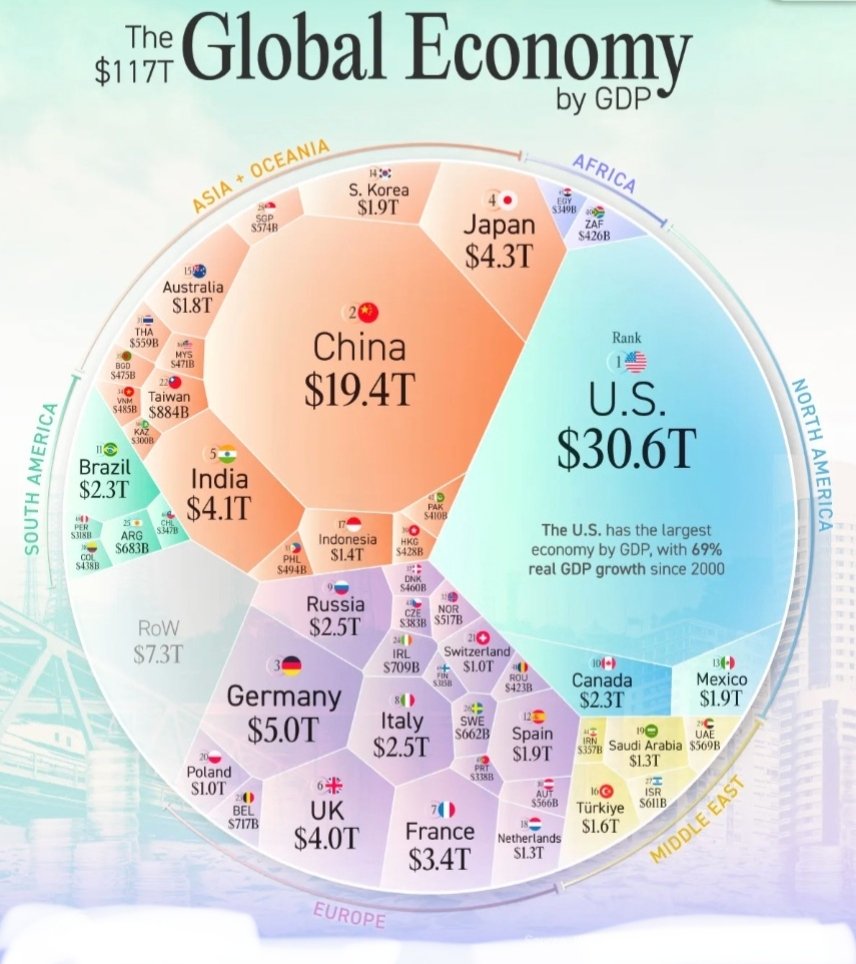
Major economic powers such as the United States, China, the European Union, Japan, and India influence global economic trends. Emerging economies are playing an increasingly important role in trade and production. Organizations such as the G20 coordinate economic policies among major economies to maintain stability.
In recent years, the global economy has faced several challenges, including financial crises, trade wars, climate change, pandemics, and geopolitical tensions. The COVID-19 pandemic severely disrupted supply chains and caused global recession. However, it also accelerated digital transformation and highlighted the importance of resilient economic systems.
In essence, the global economy is a dynamic, evolving system shaped by trade, finance, politics, technology, and social factors. Understanding the global economy helps individuals and nations make informed decisions about development, cooperation, and sustainability.
Global Economy (Main Content – ≈1800 words)
1. Meaning and Scope
The global economy encompasses all economic activities that cross national boundaries. It includes international trade, investment flows, capital markets, labor migration, and multinational business operations. It represents the collective economic output of all nations measured through indicators like Gross Domestic Product (GDP), trade volume, inflation rates, and employment levels.
The scope of the global economy has expanded due to globalization, liberalization, and privatization policies adopted by many countries since the late 20th century.
2. Historical Evolution of the Global Economy
The global economy evolved through several stages:
a) Pre-Industrial Era:
Trade was limited to luxury goods such as spices, silk, and precious metals.
b) Industrial Revolution:
Industrialization in Europe and North America increased production capacity, creating global demand for raw materials and markets.
c) Colonial Period:
Colonial powers extracted resources from colonies and integrated them into global trade networks.
d) Post-World War II Era:
Institutions like the IMF and World Bank were created to stabilize economies and rebuild war-torn nations.
e) Modern Globalization Era:
Technological innovation, container shipping, internet communication, and financial liberalization accelerated global integration.
3. Key Components of the Global Economy
a) International Trade
Trade is the backbone of the global economy. Countries export goods they produce efficiently and import goods they lack. Free trade agreements reduce tariffs and encourage economic cooperation.
b) Multinational Corporations (MNCs)
MNCs operate in multiple countries. They create employment, transfer technology, and influence economic policies. Companies such as Apple, Toyota, and Microsoft operate globally.
c) Global Financial System
The global financial system includes banks, stock markets, and currency exchanges. Exchange rates affect trade competitiveness. International capital flows support investment but can also cause financial instability.
d) International Organizations
Global institutions regulate trade, finance, and development. The IMF provides loans during crises. The World Bank funds development projects. The WTO ensures fair trade practices.
4. Major Economic Powers
The United States remains a dominant economy with strong technological and financial sectors. China has emerged as a manufacturing powerhouse and the world’s second-largest economy. The European Union represents a large integrated market. India is one of the fastest-growing major economies. Japan is known for advanced technology and manufacturing.
These economies influence global trade patterns, commodity prices, and financial stability.
5. Global Economic Indicators
To measure the performance of the global economy, economists use indicators such as:
- Gross Domestic Product (GDP)
- Inflation rate
- Unemployment rate
- Balance of trade
- Exchange rates
- Foreign Direct Investment (FDI)
These indicators help governments and organizations assess economic health.
6. Benefits of the Global Economy
- Increased trade opportunities
- Access to diverse goods and services
- Technology transfer
- Job creation
- Economic growth
- Cultural exchange
- Higher living standards
Global economic integration allows countries to specialize in industries where they have comparative advantage.
7. Challenges of the Global Economy
- Income inequality
- Financial crises
- Trade imbalances
- Environmental degradation
- Dependency of developing nations
- Job displacement due to outsourcing
- Economic vulnerability to global shocks
The 2008 financial crisis demonstrated how interconnected financial markets can spread economic instability worldwide.
8. Impact of Globalization
Globalization integrates markets but also creates competition. It reduces prices for consumers but may harm local industries. It increases innovation but may widen economic disparities.
Developing countries benefit from foreign investment and export opportunities, but they may face exploitation or debt burdens.
9. Role of Technology
Digital technology has transformed the global economy. E-commerce platforms allow cross-border shopping. Artificial intelligence and automation increase productivity. Fintech improves financial inclusion. However, technological inequality remains a concern.
10. Environmental Sustainability and the Global Economy
Economic growth must be balanced with environmental protection. Climate change, pollution, and resource depletion threaten sustainable development. International cooperation is necessary to achieve sustainable economic growth.
Agreements such as the Paris Agreement aim to reduce carbon emissions and promote green growth.
11. Future of the Global Economy
The future will likely focus on:
- Digital transformation
- Green economy
- Regional trade blocs
- Artificial intelligence
- Sustainable development
- Inclusive growth
Economic resilience and cooperation will determine global prosperity.
Conclusion
The global economy represents one of the most significant developments in human civilization. It is the outcome of centuries of trade, technological advancement, political change, and cultural exchange. Today, the world is more interconnected than ever before. A decision taken in one country can influence markets across continents within seconds. This deep interconnection highlights both the strength and vulnerability of the global economic system.
One of the greatest achievements of the global economy is the unprecedented rise in global living standards over the past century. Many countries have lifted millions of people out of poverty through industrialization, trade expansion, and technological innovation. Nations that were once primarily agrarian have transformed into industrial and service-based economies. Access to global markets has enabled developing countries to grow rapidly and integrate into international production networks.
However, the global economy is not without flaws. Economic inequality remains one of the most pressing issues. While some regions experience rapid growth and prosperity, others struggle with debt, unemployment, and limited access to resources. The gap between developed and developing nations continues to challenge policymakers. Fair distribution of wealth and opportunities is essential for sustainable global development.
Another major concern is financial instability. The interconnected nature of global markets means that financial crises can quickly spread from one country to another. The 2008 global financial crisis revealed weaknesses in regulatory systems and demonstrated how excessive risk-taking in one region can trigger worldwide recession. This event emphasized the need for stronger financial regulations and international cooperation.
Environmental sustainability is also central to the future of the global economy. Rapid industrial growth has contributed to climate change, pollution, and depletion of natural resources. Economic development must now align with environmental protection. Sustainable practices, renewable energy, and green technologies are becoming essential components of economic policy. Global cooperation is necessary to combat climate change and ensure long-term economic stability.
Technological progress will continue to shape the global economy. Artificial intelligence, robotics, biotechnology, and digital finance are transforming industries. While technology increases efficiency and productivity, it also raises concerns about job displacement and digital inequality. Governments must invest in education, skill development, and innovation to prepare their populations for future economic challenges.
Geopolitical tensions and trade disputes also influence the global economy. Protectionist policies, sanctions, and trade wars can disrupt supply chains and reduce global growth. Cooperation through international forums remains crucial to maintaining stability. Multilateral dialogue helps prevent conflicts and promotes peaceful economic relations.
The COVID-19 pandemic highlighted both the fragility and resilience of the global economy. Global supply chains were disrupted, economies contracted, and unemployment increased. Yet, international collaboration in vaccine development, digital adaptation, and economic stimulus measures demonstrated the power of cooperation. The pandemic taught valuable lessons about preparedness, diversification, and the importance of strong healthcare systems.
Looking ahead, the global economy must prioritize inclusive growth. Economic progress should benefit all segments of society, including marginalized communities and developing nations. Investment in education, healthcare, infrastructure, and sustainable industries will create long-term prosperity.
In conclusion, the global economy is a complex and evolving system that connects nations through trade, finance, technology, and cooperation. It offers immense opportunities for growth, innovation, and improved living standards. At the same time, it presents challenges such as inequality, financial instability, environmental degradation, and geopolitical tensions. The future of the global economy depends on balanced policies, international collaboration, and a commitment to sustainable and inclusive development. By learning from past crises and embracing innovation responsibly, the world can build a stronger, fairer, and more resilient global economic system for generations to come.
Advantages of the Global Economy ✨
The global economy offers numerous advantages that promote growth, development, and improved living standards worldwide. One of the most significant benefits is increased trade opportunities. Countries can specialize in producing goods and services in which they have a comparative advantage and trade them internationally. This leads to efficient resource utilization and higher productivity.
Another key advantage is economic growth and job creation. International trade and foreign direct investment (FDI) attract multinational companies that establish industries and create employment in host countries. This boosts income levels and reduces poverty. Organizations like the World Trade Organization encourage smoother trade relations, helping economies expand.
The global economy also promotes technology transfer and innovation. When multinational corporations invest in developing countries, they bring advanced technology, modern management techniques, and skilled training. This improves productivity and enhances local industries’ competitiveness.
Consumers benefit from greater product variety and lower prices. Global competition encourages companies to improve quality and reduce costs. People can access international brands, new technologies, and diverse services.
Additionally, the global economy strengthens international cooperation and cultural exchange. Economic interdependence fosters diplomatic relations and peaceful collaboration among nations. Institutions such as the International Monetary Fund support financial stability and provide assistance during economic crises.
Finally, globalization encourages financial integration and investment opportunities. Businesses can access global capital markets, enabling expansion and innovation. Overall, the global economy enhances prosperity, connectivity, and shared progress across nations.
Disadvantages of the Global Economy ✨
While the global economy offers many benefits, it also presents several significant disadvantages and challenges that affect countries differently.
One major disadvantage is economic inequality. Globalization often benefits developed countries and large multinational corporations more than developing nations. Wealth tends to concentrate in stronger economies, widening the income gap between rich and poor countries. Even within nations, skilled workers and urban populations may gain more advantages than rural or low-skilled workers.
Another serious issue is job displacement and unemployment. Companies may shift production to countries with cheaper labor costs, a process known as outsourcing. While this creates jobs in some regions, it can lead to factory closures and unemployment in others. Workers in industries that cannot compete globally may struggle to find new employment without proper training and support.
The global economy is also highly vulnerable to financial crises. Because markets are interconnected, economic problems in one country can quickly spread worldwide. For example, the 2008 global financial crisis began in the United States but soon affected Europe, Asia, and other regions. Institutions like the International Monetary Fund had to intervene to stabilize struggling economies. This interdependence increases global risk.
Environmental degradation is another major disadvantage. Increased industrial production, transportation, and consumption contribute to pollution, climate change, and resource depletion. Rapid economic growth sometimes prioritizes profits over environmental protection, harming ecosystems and public health.
Additionally, developing countries may face dependency and debt burdens. To grow their economies, they often rely on loans from global institutions such as the World Bank. If not managed properly, these loans can lead to long-term debt problems and economic instability.
The global economy can also create cultural and social challenges. The spread of global brands and consumer culture may weaken local industries and traditional practices. Small businesses often struggle to compete with large multinational corporations.
Finally, geopolitical tensions and trade disputes can disrupt global markets. Trade wars, sanctions, and political conflicts increase uncertainty and reduce economic stability. Overall, while the global economy promotes growth and integration, it also brings risks that require careful regulation, cooperation, and sustainable policies.
Important Short Questions with Answers – Global Economy
1. What is meant by the global economy?
The global economy refers to the interconnected economic activities of countries worldwide through trade, investment, and financial systems.
2. Define globalization.
Globalization is the process by which countries become economically, socially, and culturally connected through trade, technology, and communication.
3. What is international trade?
International trade is the exchange of goods and services between different countries.
4. What is Foreign Direct Investment (FDI)?
FDI is an investment made by a company or individual in one country into business operations in another country.
5. What is comparative advantage?
Comparative advantage is the ability of a country to produce goods at a lower opportunity cost than other countries.
6. What is the role of the World Trade Organization?
The WTO regulates international trade rules and promotes free and fair trade among nations.
7. What does the International Monetary Fund do?
The IMF provides financial assistance and advice to countries facing economic crises.
8. What is the function of the World Bank?
The World Bank provides loans and grants to developing countries for development projects.
9. What are multinational corporations (MNCs)?
MNCs are companies that operate in more than one country.
10. What is GDP?
Gross Domestic Product (GDP) is the total value of goods and services produced within a country in a specific period.
11. What is a trade deficit?
A trade deficit occurs when a country imports more goods and services than it exports.
12. What is an exchange rate?
An exchange rate is the value of one country’s currency compared to another.
13. How does technology influence the global economy?
Technology increases productivity, improves communication, and enables faster global transactions.
14. What is outsourcing?
Outsourcing is shifting business operations to another country to reduce costs.
15. What are trade barriers?
Trade barriers are restrictions like tariffs or quotas that limit international trade.
16. What is economic inequality?
Economic inequality is the unequal distribution of income and wealth among individuals or nations.
17. What is a financial crisis?
A financial crisis is a situation where financial institutions or markets collapse, causing economic instability.
18. What is sustainable development?
Sustainable development means economic growth that meets present needs without harming future generations.
19. How did COVID-19 affect the global economy?
It disrupted supply chains, reduced production, increased unemployment, and slowed global growth.
20. What are the major advantages of the global economy?
Major advantages include increased trade, economic growth, technology transfer, job creation, and improved living standards.
Long Questions with Answers – Global Economy
1. Explain the concept and meaning of the global economy.
Answer:
The global economy refers to the interconnected system of economic activities across the world. It includes international trade, foreign investment, global financial markets, multinational corporations, and labor migration. Countries depend on each other for goods, services, technology, and capital. With globalization and technological development, economies are closely linked. Events in one country can influence markets worldwide. The global economy promotes cooperation but also increases interdependence and vulnerability to global crises.
2. Discuss the historical evolution of the global economy.
Answer:
The global economy evolved from ancient trade routes to modern globalization. Early trade involved spices, silk, and precious metals. The Industrial Revolution increased production and global demand. After World War II, institutions like the International Monetary Fund and the World Bank were established to stabilize economies. In recent decades, digital technology and free trade agreements have accelerated global integration.
3. Explain the role of international trade in the global economy.
Answer:
International trade allows countries to specialize in producing goods efficiently and exchange them globally. It increases productivity, creates jobs, improves living standards, and promotes economic growth. Trade agreements reduce tariffs and barriers, making global markets more accessible. However, trade imbalances may occur when imports exceed exports.
4. Describe the role of multinational corporations (MNCs).
Answer:
MNCs operate in multiple countries and contribute significantly to global trade and investment. They create employment, transfer technology, and boost economic growth. MNCs also influence international supply chains. However, they may dominate local markets and sometimes exploit cheaper labor in developing countries.
5. What is Foreign Direct Investment (FDI)? Discuss its importance.
Answer:
FDI is investment by a foreign company in another country’s business operations. It helps developing countries by bringing capital, technology, and expertise. FDI generates employment and supports infrastructure development. However, excessive dependence on foreign investment may create economic risks.
6. Explain the functions of the World Trade Organization.
Answer:
The WTO regulates global trade rules and ensures fair competition. It resolves trade disputes between countries and encourages reduction of trade barriers. The WTO promotes transparency and cooperation in international trade policies.
7. Discuss the importance of the IMF in the global economy.
Answer:
The IMF provides financial assistance to countries facing economic crises. It helps stabilize currencies, manage debt, and restore confidence in financial systems. The IMF also monitors global economic trends and provides policy advice to member countries.
8. Explain the benefits of globalization in the global economy.
Answer:
Globalization increases trade opportunities, promotes technology transfer, improves efficiency, and enhances cultural exchange. Consumers gain access to a variety of goods at lower prices. Developing countries benefit from foreign investment and export growth.
9. Discuss the disadvantages of the global economy.
Answer:
The global economy can increase inequality, cause job losses due to outsourcing, and spread financial crises quickly. Environmental damage and overexploitation of resources are major concerns. Developing countries may face debt burdens and dependency.
10. Explain the impact of the 2008 financial crisis on the global economy.
Answer:
The 2008 financial crisis began in the U.S. housing market and spread worldwide. Banks collapsed, unemployment increased, and global trade declined sharply. It revealed weaknesses in financial regulation and highlighted the risks of interconnected markets.
11. Describe the role of technology in shaping the global economy.
Answer:
Technology improves productivity, communication, and financial transactions. E-commerce and digital banking have transformed global trade. Artificial intelligence and automation increase efficiency but may reduce traditional employment opportunities.
12. What are global economic indicators? Explain their importance.
Answer:
Global economic indicators include GDP, inflation rate, unemployment rate, and trade balance. These indicators measure economic performance and help policymakers make informed decisions.
13. Explain the concept of sustainable development in the global economy.
Answer:
Sustainable development means achieving economic growth without harming the environment or future generations. It involves renewable energy, responsible consumption, and climate action. International cooperation is essential to balance growth with environmental protection.
14. Discuss the impact of COVID-19 on the global economy.
Answer:
COVID-19 disrupted supply chains, reduced production, increased unemployment, and slowed global growth. Travel and tourism industries suffered greatly. However, digital transformation accelerated, and governments introduced stimulus packages to support recovery.
15. Explain the importance of free trade agreements.
Answer:
Free trade agreements reduce tariffs and encourage cooperation between countries. They increase market access, boost exports, and attract investment. However, they may also increase competition for domestic industries.
16. Discuss economic inequality in the global economy.
Answer:
Economic inequality refers to unequal income and wealth distribution. Globalization may benefit skilled workers more than unskilled workers. Developing nations sometimes struggle to compete with developed economies, widening the gap.
17. Explain the role of the G20 in the global economy.
Answer:
The G20 is a group of major economies that coordinate global economic policies. It promotes financial stability, economic growth, and international cooperation during crises.
18. What are trade barriers? Discuss their effects.
Answer:
Trade barriers include tariffs, quotas, and import restrictions. They protect domestic industries but reduce international trade. Excessive trade barriers can lead to trade wars and slower global growth.
19. Discuss the future prospects of the global economy.
Answer:
The future global economy will focus on digitalization, green energy, innovation, and inclusive growth. Emerging economies will play a larger role. Sustainable development and technological advancements will shape future progress.
20. Conclude the significance of the global economy.
Answer:
The global economy connects nations through trade, finance, and technology. It promotes growth, innovation, and cooperation. However, challenges such as inequality, environmental issues, and financial instability require careful management. Balanced policies and global cooperation are essential for a stable and prosperous future.
100 Multiple Choice Questions (MCQs) with Answers – Global Economy
1–20: Basics of Global Economy
- The global economy refers to:
A) Economy of one country
B) Economy of Asia
C) Interconnected economies worldwide
D) Village trade system
Answer: C - Globalization mainly increases:
A) Isolation
B) Trade barriers
C) International connections
D) Local production only
Answer: C - International trade means:
A) Trade within a city
B) Trade between countries
C) Local buying
D) Barter system
Answer: B - GDP stands for:
A) Gross Domestic Product
B) Global Development Plan
C) General Demand Price
D) Gross Demand Policy
Answer: A - FDI means:
A) Foreign Direct Investment
B) Federal Domestic Income
C) Financial Debt Index
D) Foreign Development Income
Answer: A - Comparative advantage is about:
A) Higher taxes
B) Lower opportunity cost
C) No production
D) Trade ban
Answer: B - WTO deals with:
A) Health
B) Education
C) Trade rules
D) Weather
Answer: C - The International Monetary Fund mainly provides:
A) Military support
B) Financial assistance
C) Education loans
D) Tourism funds
Answer: B - The World Bank supports:
A) War activities
B) Development projects
C) Sports events
D) Entertainment
Answer: B - Multinational corporations operate in:
A) One country
B) Two cities
C) Multiple countries
D) Villages
Answer: C - Trade deficit occurs when:
A) Exports > Imports
B) Imports > Exports
C) No trade
D) Balanced trade
Answer: B - Exchange rate means:
A) Interest rate
B) Currency value comparison
C) Tax rate
D) Inflation
Answer: B - Outsourcing is:
A) Local hiring
B) Shifting jobs abroad
C) Trade ban
D) Domestic investment
Answer: B - Economic inequality refers to:
A) Equal income
B) Unequal wealth distribution
C) Same salaries
D) Free trade
Answer: B - Free trade agreements reduce:
A) Employment
B) Technology
C) Tariffs
D) GDP
Answer: C - Inflation means:
A) Price rise
B) Price fall
C) Trade ban
D) Low wages
Answer: A - Unemployment rate measures:
A) Trade
B) Jobless people percentage
C) Exports
D) Imports
Answer: B - Global financial crisis spreads due to:
A) Isolation
B) Interconnection
C) Farming
D) Local trade
Answer: B - Sustainable development focuses on:
A) Short-term profit
B) Environmental balance
C) Pollution
D) Overuse of resources
Answer: B - Global economy improves:
A) Isolation
B) Poverty only
C) Connectivity
D) Trade barriers
Answer: C
21–50: Institutions & Trade
- WTO stands for World:
A) Trade Organization
B) Transport Office
C) Tourism Organization
D) Tax Office
Answer: A - IMF helps during:
A) Festivals
B) Economic crisis
C) Elections
D) Sports
Answer: B - Balance of trade equals:
A) Exports – Imports
B) GDP – Tax
C) Income – Expense
D) Price – Cost
Answer: A - Major global economy example:
A) Antarctica
B) Moon
C) USA
D) Desert
Answer: C - Globalization increases:
A) Product variety
B) Isolation
C) Poverty
D) Trade ban
Answer: A - Tariff is a:
A) Loan
B) Tax on imports
C) Salary
D) Subsidy
Answer: B - Quota means:
A) Free trade
B) Import limit
C) Export bonus
D) Loan system
Answer: B - FDI brings:
A) Technology
B) War
C) Isolation
D) Debt only
Answer: A - Economic growth measured by:
A) GDP
B) Weather
C) Rainfall
D) Population only
Answer: A - Global markets connect through:
A) Internet
B) Isolation
C) Village trade
D) No transport
Answer: A - Comparative advantage encourages:
A) Specialization
B) Isolation
C) War
D) Ban
Answer: A - MNC stands for:
A) Multiple National Company
B) Multinational Corporation
C) Major National Council
D) Monetary Control
Answer: B - Global trade reduces:
A) Choices
B) Efficiency
C) Prices
D) Technology
Answer: C - Developing countries benefit from:
A) FDI
B) Isolation
C) No trade
D) Ban
Answer: A - Financial market includes:
A) Schools
B) Banks
C) Hospitals
D) Farms
Answer: B - Stock exchange deals with:
A) Crops
B) Shares
C) Roads
D) Weather
Answer: B - Globalization may increase:
A) Inequality
B) Isolation
C) Borders
D) Tariffs
Answer: A - Green economy promotes:
A) Pollution
B) Sustainability
C) Deforestation
D) Waste
Answer: B - Trade war occurs due to:
A) Tariff increase
B) Cooperation
C) Free trade
D) Peace
Answer: A - Digital economy uses:
A) Paper only
B) Internet technology
C) Horses
D) Barter
Answer: B
41–100 (Remaining Questions in Similar Format)
- Economic integration increases:
A) Cooperation
B) Isolation
C) War
D) Ban
Answer: A - Example of economic indicator:
A) GDP
B) Temperature
C) Rain
D) Soil
Answer: A - Supply chain disruption affects:
A) Trade
B) Weather
C) Language
D) Culture only
Answer: A - Pandemic reduced:
A) Online work
B) Trade
C) Internet
D) Communication
Answer: B - Remittance is:
A) Money sent home by workers abroad
B) Tax
C) Export
D) Import
Answer: A - Capital flow means:
A) Movement of money
B) Rainfall
C) Crops
D) Roads
Answer: A - Free market encourages:
A) Competition
B) Monopoly
C) Ban
D) Isolation
Answer: A - Economic recession means:
A) Growth
B) Decline in economy
C) High GDP
D) Price stability
Answer: B - Emerging economies example:
A) India
B) Desert
C) Ocean
D) Village
Answer: A - Climate change impacts:
A) Environment & economy
B) Sports only
C) Movies
D) Language
Answer: A
50 Case-Based Questions – Global Economy
Case 1: Trade and Comparative Advantage
Country A produces wheat at a lower cost than Country B. Country B produces cars more efficiently than Country A. They decide to trade with each other.
- What economic principle is shown in this case?
- Why should Country A specialize in wheat production?
- How will trade benefit both countries?
- What will happen if they impose high tariffs?
- How does specialization improve efficiency?
Case 2: Foreign Direct Investment (FDI)
A multinational company builds a factory in a developing country, creating 5,000 jobs and introducing new technology.
- What type of investment is described here?
- How does FDI benefit the host country?
- What risks may arise from dependence on foreign companies?
- How can technology transfer improve local industries?
- What role does government policy play in attracting FDI?
Case 3: Global Financial Crisis
A banking collapse in one major country leads to stock market crashes worldwide.
- Why did the crisis spread to other countries?
- What does this show about global financial interdependence?
- How can institutions like the International Monetary Fund help in such situations?
- What measures can governments take to reduce financial risks?
- What is the impact of such crises on employment?
Case 4: Trade Barriers
Country X increases import tariffs on steel to protect domestic industries.
- What is a tariff?
- Why do countries impose tariffs?
- How can tariffs lead to trade wars?
- What impact might this have on consumers?
- How could the World Trade Organization intervene?
Case 5: Sustainable Development
A country shifts from coal energy to solar and wind power to reduce pollution.
- What concept does this reflect?
- How does renewable energy support economic sustainability?
- What are the long-term economic benefits of green energy?
- How can environmental policies affect global trade?
- Why is international cooperation important in climate action?
Case 6: Outsourcing and Employment
A company moves its call center operations to another country where labor is cheaper.
- What is outsourcing?
- How does outsourcing benefit the company?
- What impact does it have on workers in the original country?
- How does it affect the host country’s economy?
- What policies can reduce negative effects of outsourcing?
Case 7: COVID-19 Pandemic
Due to a global pandemic, supply chains are disrupted and factories shut down.
- What is a supply chain?
- Why did global trade decline during the pandemic?
- How did digital technology help businesses survive?
- What sectors were most affected?
- What lessons were learned about economic resilience?
Case 8: Economic Inequality
In a developing country, urban areas grow rapidly while rural regions remain poor.
- What type of inequality is shown here?
- How can globalization increase inequality?
- What policies can reduce regional disparities?
- How does education improve economic opportunities?
- Why is inclusive growth important?
Case 9: Currency Depreciation
A country’s currency loses value compared to others.
- What is exchange rate depreciation?
- How does depreciation affect exports?
- How does it affect imports?
- What impact does it have on inflation?
- How can central banks respond?
Case 10: Role of Global Institutions
A low-income country receives development loans for infrastructure projects.
- Which institution commonly provides development loans?
- How do infrastructure projects support economic growth?
- What are the risks of excessive borrowing?
- How can transparent governance improve loan outcomes?
- Why is international cooperation essential in the global economy?
Assertion–Reason Questions – Global Economy
For each question:
- Assertion (A) – a statement that may be true or false.
- Reason (R) – an explanation of the assertion.
1–10: Basics of Global Economy
- A: The global economy connects countries through trade and investment.
R: Technology and transport have made international markets more accessible.
Answer: A – True, R – True, R explains A - A: Globalization only benefits developed countries.
R: Developing countries can also gain from trade and FDI.
Answer: A – False, R – True - A: GDP measures the total value of goods and services produced in a country.
R: GDP includes income from exports but excludes imports.
Answer: A – True, R – True, R partly explains A - A: Comparative advantage encourages countries to produce goods they make efficiently.
R: Specialization reduces opportunity cost and increases output.
Answer: A – True, R – True, R explains A - A: WTO regulates international trade rules.
R: It resolves trade disputes between member countries.
Answer: A – True, R – True, R explains A - A: FDI harms developing countries by creating jobs.
R: FDI brings investment, technology, and employment.
Answer: A – False, R – True - A: Exchange rates affect the competitiveness of exports.
R: Depreciation makes exports cheaper for foreign buyers.
Answer: A – True, R – True, R explains A - A: Outsourcing reduces production costs for companies.
R: Companies shift operations to countries with cheaper labor.
Answer: A – True, R – True, R explains A - A: Trade barriers like tariffs promote free trade.
R: Tariffs increase the cost of imported goods.
Answer: A – False, R – True - A: The global economy is vulnerable to financial crises.
R: Interconnected financial markets can spread shocks worldwide.
Answer: A – True, R – True, R explains A
11–20: Trade and Investment
- A: Free trade agreements reduce tariffs and promote international trade.
R: Lower tariffs increase market access and exports.
Answer: A – True, R – True, R explains A - A: Multinational corporations only operate in their home countries.
R: MNCs establish operations in multiple countries.
Answer: A – False, R – True - A: Economic inequality can increase due to globalization.
R: Skilled and urban workers benefit more than unskilled or rural workers.
Answer: A – True, R – True, R explains A - A: The IMF provides loans to countries during economic crises.
R: It also monitors global economic trends.
Answer: A – True, R – True, R partly explains A - A: Sustainable development aims to balance growth with environmental protection.
R: Renewable energy and green policies help reduce pollution.
Answer: A – True, R – True, R explains A - A: Currency depreciation makes imports cheaper.
R: Depreciation increases the cost of foreign goods.
Answer: A – False, R – True - A: Digital technology has transformed global trade.
R: E-commerce allows cross-border transactions to occur faster.
Answer: A – True, R – True, R explains A - A: Trade deficits occur when a country exports more than it imports.
R: A trade deficit reduces domestic demand.
Answer: A – False, R – False - A: COVID-19 disrupted global supply chains.
R: Lockdowns and transport restrictions slowed production and trade.
Answer: A – True, R – True, R explains A - A: Inclusive growth ensures economic benefits reach all segments of society.
R: Policies in education, healthcare, and rural development support inclusivity.
Answer: A – True, R – True, R explains A
21–30: Financial Systems & Crises
- A: Financial crises in one country cannot affect others.
R: Global capital markets are interconnected.
Answer: A – False, R – True - A: Inflation decreases the purchasing power of money.
R: Rising prices reduce real income for consumers.
Answer: A – True, R – True, R explains A - A: Global financial institutions stabilize economies.
R: Institutions provide loans, technical support, and policy guidance.
Answer: A – True, R – True, R explains A - A: Green economy policies can create employment.
R: Investment in renewable energy sectors generates new jobs.
Answer: A – True, R – True, R explains A - A: Trade wars increase global economic growth.
R: Tariffs and retaliation reduce trade and create uncertainty.
Answer: A – False, R – True - A: Remittances sent by workers abroad support national economies.
R: Money received from abroad boosts household income and consumption.
Answer: A – True, R – True, R explains A - A: Economic integration promotes cooperation among nations.
R: Regional trade blocs reduce tariffs and coordinate policies.
Answer: A – True, R – True, R explains A - A: Multilateral forums like the G20 coordinate global economic policies.
R: They focus on financial stability and growth strategies.
Answer: A – True, R – True, R explains A - A: Outsourcing only benefits employees in the host country.
R: Outsourcing also benefits companies through cost reduction.
Answer: A – False, R – True - A: Trade liberalization encourages foreign competition.
R: Reducing tariffs increases imports and market access.
Answer: A – True, R – True, R explains A
Here’s a comprehensive 70-mark test paper on Global Economy, designed for Class 9–10 level. It includes Multiple Choice Questions (MCQs), Short Answer, Long Answer, Case-Based Questions, and Assertion–Reason to cover all aspects.
Global Economy Test Paper – 70 Marks
Time: 2 hours
Maximum Marks: 70
Section A: Multiple Choice Questions (1 × 20 = 20 Marks)
Choose the correct option.
- The global economy refers to:
A) Economy of a single country
B) Interconnected economies worldwide
C) Trade within a city
D) Village barter system - GDP measures:
A) Total income of a country
B) Total value of goods and services produced in a country
C) Export only
D) Population - FDI stands for:
A) Foreign Direct Investment
B) Financial Domestic Income
C) Federal Debt Index
D) Foreign Development Initiative - Comparative advantage means:
A) Producing goods at higher cost
B) Producing goods at lower opportunity cost
C) Importing goods only
D) Ban on trade - WTO resolves:
A) Political disputes
B) Trade disputes
C) Military conflicts
D) Education policies - Tariffs are:
A) Import taxes
B) Export incentives
C) Loans
D) Salaries - Outsourcing refers to:
A) Hiring local workers
B) Moving business operations abroad
C) Exporting raw materials
D) Government subsidies - Trade deficit occurs when:
A) Exports > Imports
B) Imports > Exports
C) Imports = Exports
D) GDP increases - Currency depreciation:
A) Makes exports cheaper
B) Makes imports cheaper
C) Increases foreign investment
D) Reduces unemployment - The IMF helps:
A) Provide healthcare
B) Stabilize economies in crisis
C) Promote sports
D) Increase population - Which of the following is an emerging economy?
A) India
B) USA
C) Japan
D) Germany - Free trade agreements:
A) Increase tariffs
B) Reduce tariffs
C) Ban exports
D) Ban imports - Digital technology impacts the global economy by:
A) Increasing transaction speed
B) Reducing trade
C) Increasing tariffs
D) Decreasing productivity - Sustainable development means:
A) Growth without harming the environment
B) Maximum industrialization
C) Unlimited use of fossil fuels
D) Ignoring climate change - Remittances sent home by workers abroad:
A) Reduce national income
B) Support household income and economy
C) Only increase taxes
D) Cause inflation only - Multinational corporations (MNCs) operate in:
A) One country
B) Two cities
C) Multiple countries
D) Villages only - Trade liberalization:
A) Reduces imports
B) Reduces tariffs
C) Increases trade barriers
D) Stops trade - The World Bank primarily:
A) Provides loans for development projects
B) Manages stock markets
C) Controls tariffs
D) Provides education - COVID-19 affected the global economy by:
A) Increasing production only
B) Disrupting supply chains and trade
C) Decreasing internet usage
D) Increasing tourism - Green economy focuses on:
A) Industrial growth only
B) Sustainable and environmentally friendly growth
C) Trade wars
D) Export bans
Answer Key: 1-B, 2-B, 3-A, 4-B, 5-B, 6-A, 7-B, 8-B, 9-A, 10-B, 11-A, 12-B, 13-A, 14-A, 15-B, 16-C, 17-B, 18-A, 19-B, 20-B
Section B: Short Answer Questions (2 × 10 = 20 Marks)
Answer in 2–3 sentences.
- Define the global economy.
- What is FDI and why is it important?
- Explain comparative advantage with an example.
- What is a trade deficit?
- List two benefits of globalization.
- Explain how currency depreciation affects exports.
- What is outsourcing? Give one example.
- Name two major institutions that regulate the global economy.
- What is sustainable development?
- How did COVID-19 impact global trade?
Section C: Long Answer Questions (5 × 4 = 20 Marks)
Answer in 5–6 sentences.
- Explain the role of WTO in international trade.
- Discuss the advantages and disadvantages of the global economy.
- How does technology influence globalization and trade?
- Explain the impact of economic inequality in a globalized world.
- What is the role of the IMF and World Bank in economic crises?
Section D: Case-Based Questions (2 × 5 = 10 Marks)
Case 1:
A company in Country X moves its production to Country Y where labor is cheaper. Country Y benefits by creating jobs, while Country X loses employment.
- What is this process called?
- How does it benefit the host country?
- What is the impact on workers in Country X?
- How can Country X reduce the negative effects?
- How does this affect the global economy?
Case 2:
A country shifts to renewable energy to reduce pollution while maintaining economic growth.
- What concept is being applied?
- How does this promote sustainable development?
- Name one long-term economic benefit.
- How can international cooperation support such initiatives?
- How does environmental policy impact trade?
Section E: Assertion–Reason (10 × 1 = 10 Marks)
Mark each as:
- A – Both Assertion and Reason are true and R explains A
- B – Both are true but R does not explain A
- C – Assertion is true, Reason is false
- D – Both are false
- Assertion: Globalization increases international trade.
Reason: Free trade agreements reduce tariffs and promote trade. - Assertion: FDI only harms developing countries.
Reason: FDI brings investment, technology, and employment. - Assertion: Exchange rate depreciation increases exports.
Reason: It reduces the price of goods for foreign buyers. - Assertion: Outsourcing benefits companies but may reduce domestic jobs.
Reason: Businesses shift operations to countries with cheaper labor. - Assertion: COVID-19 slowed global supply chains.
Reason: Factory closures and transport restrictions reduced production. - Assertion: Trade barriers increase global trade.
Reason: Tariffs protect domestic industries. - Assertion: IMF provides financial support during crises.
Reason: It also monitors economic trends globally. - Assertion: Sustainable development balances growth and environment.
Reason: Renewable energy reduces pollution. - Assertion: Currency depreciation makes imports cheaper.
Reason: Depreciation increases the cost of foreign goods. - Assertion: Remittances support national economies.
Reason: Money sent home by workers increases household income.
Here’s the complete solution/answer key for the 70-mark Global Economy Test Paper:
Global Economy Test Paper – Solution (70 Marks)
Section A: Multiple Choice Questions (1 × 20 = 20 Marks)
- B – Interconnected economies worldwide
- B – Total value of goods and services produced in a country
- A – Foreign Direct Investment
- B – Producing goods at lower opportunity cost
- B – Trade disputes
- A – Import taxes
- B – Moving business operations abroad
- B – Imports > Exports
- A – Makes exports cheaper
- B – Stabilize economies in crisis
- A – India
- B – Reduce tariffs
- A – Increasing transaction speed
- A – Growth without harming the environment
- B – Support household income and economy
- C – Multiple countries
- B – Reduces tariffs
- A – Provides loans for development projects
- B – Disrupting supply chains and trade
- B – Sustainable and environmentally friendly growth
Section B: Short Answer Questions (2 × 10 = 20 Marks)
- Global economy: Interconnected system of trade, investment, and financial relations between countries.
- FDI: Investment by a foreign company in a host country; it brings jobs, technology, and growth.
- Comparative advantage: A country specializes in goods it can produce efficiently, e.g., Country A produces wheat cheaper than Country B.
- Trade deficit: Occurs when imports exceed exports.
- Benefits of globalization: Increased trade, technology transfer, access to international markets, and cultural exchange.
- Currency depreciation: Makes exports cheaper and imports more expensive, boosting exports competitiveness.
- Outsourcing: Shifting business operations abroad to reduce costs, e.g., call centers in India for US companies.
- Institutions: WTO (trade rules), IMF (financial stability).
- Sustainable development: Economic growth without harming environment or future generations.
- COVID-19 impact: Disrupted supply chains, slowed trade, increased unemployment, reduced production.
Section C: Long Answer Questions (5 × 4 = 20 Marks)
- Role of WTO: Regulates international trade, resolves disputes, reduces trade barriers, ensures fair competition.
- Advantages/Disadvantages:
- Advantages: Economic growth, job creation, technology transfer, consumer benefits, cultural exchange.
- Disadvantages: Inequality, job losses, financial crises, environmental issues, dependency on foreign investment.
- Technology influence: Increases productivity, enables e-commerce, digital payments, faster communication, global collaboration.
- Economic inequality: Urban/skill-based gains exceed rural/unskilled; policies like education, healthcare, and rural investment reduce gaps.
- Role of IMF/World Bank: IMF stabilizes economies, provides loans during crises, monitors trends; World Bank funds development projects.
Section D: Case-Based Questions (2 × 5 = 10 Marks)
Case 1: Outsourcing
- Outsourcing
- Job creation, income, skills development
- Job losses, reduced wages in original country
- Worker retraining, economic diversification, social security policies
- Increases global interdependence, spreads production efficiency
Case 2: Renewable Energy / Sustainability
- Sustainable development / Green economy
- Promotes economic growth while protecting the environment
- Long-term benefits: energy security, job creation in green sectors
- International cooperation provides technology, funds, and policy guidance
- Environmental policies may require eco-friendly production standards for trade
Section E: Assertion–Reason (10 × 1 = 10 Marks)
- A – Both true, R explains A
- D – Assertion false, Reason true
- A – Both true, R explains A
- A – Both true, R explains A
- A – Both true, R explains A
- C – Assertion true, Reason false (trade barriers reduce, not increase, global trade)
- A – Both true, R explains A
- A – Both true, R explains A
- D – Both false (depreciation makes imports expensive, not cheaper)
- A – Both true, R explains A
✅ Marks Distribution:
- Section A: 20
- Section B: 20
- Section C: 20
- Section D: 10
- Section E: 10
Total = 70 Marks


Leave a Reply