


Hazard of Mobile Phones on Young Youth
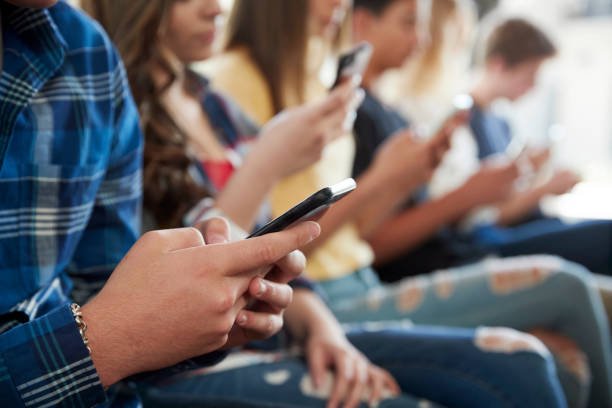
In the past two decades, mobile phones have transitioned from being mere communication devices to multifunctional tools that dominate our daily lives. While they provide immense convenience, connectivity, and access to information, there is growing concern regarding their impact on young youth. Mobile phones, particularly smartphones, have become almost inseparable from the lives of teenagers and young adults, often leading to negative consequences on their physical health, mental well-being, social development, and academic performance. This essay explores the hazards of mobile phones on young youth, including the physical, psychological, social, and educational implications.
1. Physical Hazards
a) Eye Strain and Vision Problems
One of the most immediate effects of prolonged mobile phone use is eye strain, also known as digital eye strain or computer vision syndrome. Young people often spend hours staring at screens, whether for gaming, social media, or online learning. This extended exposure can lead to:
- Blurred vision
- Dry eyes
- Headaches
- Difficulty focusing on distant objects
Moreover, the blue light emitted by smartphones can disrupt the natural sleep cycle by interfering with melatonin production, which not only affects vision but also overall health.
b) Sleep Disturbances
Mobile phones contribute significantly to poor sleep patterns among youth. Many teenagers engage with social media, games, or messaging late into the night, resulting in:
- Insufficient sleep
- Delayed sleep onset
- Reduced sleep quality
Chronic sleep deprivation can impact cognitive development, emotional regulation, and physical growth. Studies have shown that students with late-night mobile phone usage often report fatigue, lack of concentration, and irritability.
c) Musculoskeletal Problems
Extended use of mobile phones can lead to postural issues. Common problems include:
- Neck pain (often called “text neck”)
- Back pain due to slouching
- Shoulder strain
- Carpal tunnel syndrome from repetitive typing
Since youth are in a critical phase of growth, prolonged poor posture can result in long-term musculoskeletal issues.
2. Psychological Hazards
a) Addiction and Dependency
Mobile phones are highly addictive due to instant access to social media, games, and messaging apps. This can lead to behavioral addiction, where young people feel anxious or irritable when they are unable to access their devices. Symptoms of mobile addiction include:
- Constant checking of notifications
- Obsessive social media scrolling
- Preference for virtual interactions over real-life engagement
This addiction can interfere with daily routines, reduce productivity, and affect mental health.
b) Anxiety and Depression
Excessive mobile phone use is linked with increased rates of anxiety and depression among youth. Social media platforms, in particular, can trigger feelings of inadequacy and low self-esteem due to comparison with peers. Factors include:
- Fear of missing out (FOMO)
- Cyberbullying or online harassment
- Exposure to unrealistic beauty and lifestyle standards
These psychological pressures can contribute to mood swings, social withdrawal, and long-term emotional distress.
c) Cognitive Impairment
Over-reliance on mobile devices can negatively affect cognitive development in adolescents. Constant multitasking on phones, such as switching between social media, games, and messaging, may lead to:
- Reduced attention span
- Poor memory retention
- Difficulty in problem-solving
- Impaired academic performance
Excessive phone use can also affect creativity and critical thinking, as youth often rely on digital information rather than independent reasoning.
3. Social Hazards
a) Reduced Face-to-Face Communication
Excessive mobile phone use can hinder social skills development among youth. Teenagers often prefer online communication over in-person interaction, leading to:
- Limited interpersonal skills
- Poor empathy
- Difficulty in forming meaningful relationships
- Social isolation
This detachment can result in a weakened sense of community and reduced emotional intelligence.
b) Exposure to Inappropriate Content
The internet, accessible through mobile phones, exposes young youth to content that may not be suitable for their age, including:
- Violent games and videos
- Pornographic material
- Hate speech and extremist content
Such exposure can normalize harmful behavior, distort values, and negatively influence attitudes and decision-making.
c) Cyberbullying
Mobile phones facilitate online harassment, which can be emotionally damaging to young individuals. Cyberbullying can manifest as:
- Harassing messages
- Social exclusion
- Sharing private images without consent
Victims often experience anxiety, depression, and in extreme cases, self-harm tendencies.
4. Academic Hazards
a) Distraction from Studies
Smartphones can act as a major distraction for students. Notifications, social media updates, and gaming apps divert attention from studies. Consequences include:
- Reduced concentration
- Lower academic performance
- Procrastination
- Poor time management
A study shows that students who use mobile phones during study hours tend to have lower grades compared to those who limit phone usage.
b) Impaired Learning Abilities
Dependence on mobile phones for information can reduce analytical thinking and the ability to solve problems independently. Continuous reliance on quick answers from search engines diminishes:
- Critical thinking
- Memory retention
- Research skills
This trend is particularly concerning in formative years when learning and problem-solving abilities are crucial for future academic and professional success.
c) Plagiarism and Academic Dishonesty
Mobile phones facilitate easy access to content, which sometimes encourages plagiarism among students. Instant sharing and copying of academic material without understanding can undermine educational development and moral values.
5. Other Hazards
a) Financial Impact
Many teenagers and young adults spend significant amounts of money on mobile apps, games, or online shopping. This can lead to poor financial management and unnecessary expenditure.
b) Road Accidents
Use of mobile phones while walking, cycling, or driving is a major cause of accidents. Even though laws exist, young individuals often ignore the risks, leading to injuries or fatalities.
c) Radiation Exposure
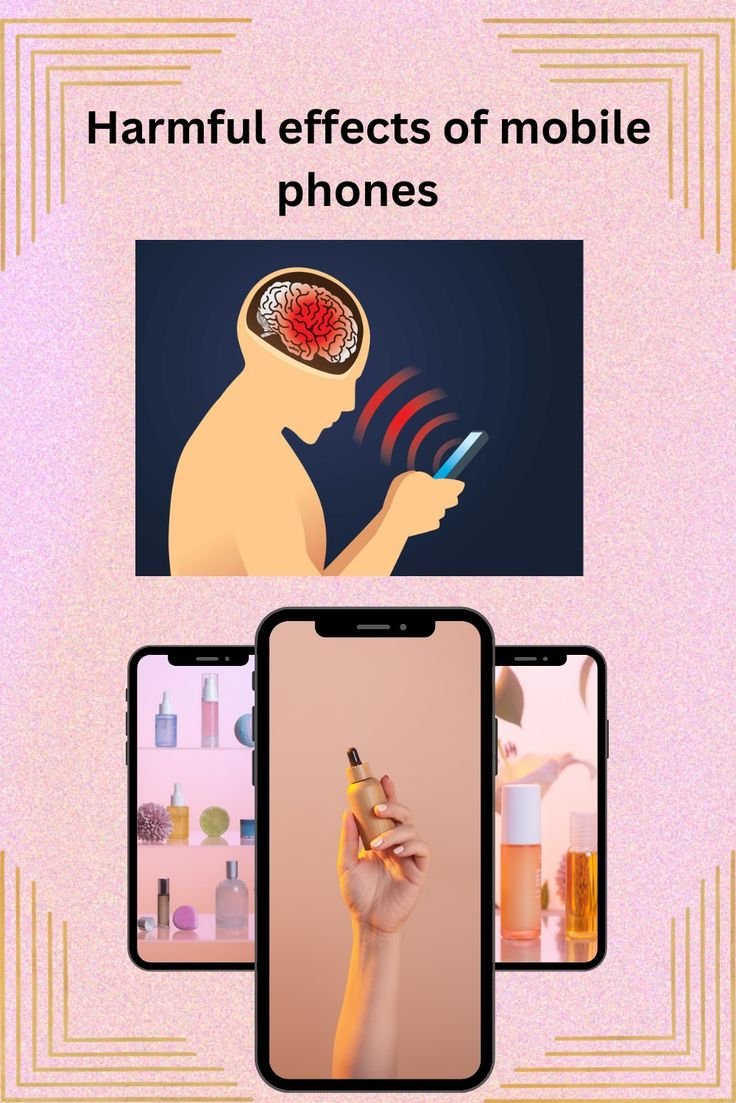
Although the long-term effects are still debated, mobile phones emit radiofrequency (RF) radiation. Frequent exposure, especially close to the head, raises concerns about potential health risks, including headaches and sleep disturbances.
6. Measures to Reduce Hazards
a) Parental Guidance
Parents must supervise and limit the screen time of young youth. Encouraging offline activities like sports, reading, or creative hobbies helps balance technology use.
b) Awareness Programs
Schools and communities can organize awareness programs on mobile phone hazards, responsible usage, and online safety.
c) Time Management
Youth should practice digital detox and time management techniques, such as:
- Using phones for limited periods
- Turning off notifications
- Allocating dedicated study hours without mobile distractions
d) Safe Online Practices
Educating youth about online privacy, avoiding inappropriate content, and reporting cyberbullying can reduce psychological and social hazards.
e) Health Precautions
Simple measures like maintaining posture, taking screen breaks, using blue-light filters, and avoiding phone use before bedtime can mitigate physical health risks.
Conclusion
Mobile phones, while indispensable in modern life, pose significant hazards to young youth if misused. The negative effects span across physical health, mental well-being, social skills, and academic performance. Eye strain, sleep disturbances, addiction, anxiety, social isolation, and academic distractions are only a few examples of these consequences.
The responsibility to minimize these hazards lies with parents, educators, policymakers, and youth themselves. By adopting responsible usage habits, encouraging offline activities, and raising awareness about online safety, young individuals can enjoy the benefits of mobile technology while reducing its risks.
In conclusion, mobile phones are powerful tools, but excessive or inappropriate usage among youth can be detrimental. Striking a balance between connectivity and personal development is crucial to ensure a healthy, productive, and socially responsible generation. Proper guidance, self-discipline, and awareness are key to preventing the hazards of mobile phones while harnessing their potential to support education, communication, and innovation.
Sure! Let’s focus specifically on the effects of mobile phones on young youth, broken down clearly into physical, psychological, social, and academic effects. This will be a concise but detailed explanation.
Effects of Mobile Phones on Young Youth
Mobile phones have become a central part of young people’s lives. While they offer benefits like communication and learning, excessive use leads to significant negative effects. These effects can be categorized as follows:
1. Physical Effects
- Eye Strain and Vision Problems
- Prolonged screen time causes blurred vision, dryness, headaches, and difficulty focusing.
- Blue light from screens affects melatonin production, disrupting sleep cycles.
- Sleep Disturbances
- Using phones late at night delays sleep and reduces sleep quality.
- Chronic sleep deprivation causes fatigue, weak concentration, and irritability.
- Musculoskeletal Problems
- Poor posture while using phones leads to neck pain (“text neck”), back pain, and shoulder strain.
- Repetitive typing or gaming can cause hand and wrist issues like carpal tunnel syndrome.
2. Psychological Effects
- Addiction and Dependency
- Young people may become dependent on phones for entertainment, social media, or messaging.
- They often feel anxious or restless without their devices.
- Anxiety and Depression
- Excessive social media use can lead to low self-esteem due to comparisons with peers.
- Cyberbullying and online harassment increase stress, anxiety, and depressive symptoms.
- Cognitive Impairment
- Multitasking on phones reduces attention span and memory.
- Over-reliance on digital information decreases problem-solving and critical thinking abilities.
3. Social Effects
- Reduced Face-to-Face Interaction
- Youth prefer online communication over real-life conversations.
- Leads to poor social skills, low empathy, and weaker relationships.
- Exposure to Inappropriate Content
- Violence, pornography, or harmful ideologies can influence behavior and attitudes.
- Cyberbullying
- Mobile phones make online harassment easier.
- Victims may face emotional distress, social withdrawal, and low self-confidence.
4. Academic Effects
- Distraction from Studies
- Notifications, games, and social media divert attention from schoolwork.
- Leads to lower concentration, procrastination, and poor grades.
- Impaired Learning Abilities
- Over-reliance on phones reduces analytical thinking and independent learning skills.
- Short-term memory and creativity may also decline.
- Academic Dishonesty
- Easy access to online content can encourage plagiarism.
- This hampers understanding and skill development.
5. Other Effects
- Financial Strain
- Spending on apps, games, or online shopping can affect financial habits.
- Safety Risks
- Using phones while walking, cycling, or driving increases accidents.
- Potential Health Risks
- Long-term exposure to radiation (though still under study) may have health implications.
Summary Table
| Category | Effects |
|---|---|
| Physical | Eye strain, sleep problems, neck/back pain, hand/wrist issues |
| Psychological | Addiction, anxiety, depression, low self-esteem, cognitive impairment |
| Social | Reduced face-to-face interaction, exposure to inappropriate content, cyberbullying |
| Academic | Distraction, poor concentration, lower grades, impaired learning, plagiarism |
| Other | Financial strain, road accidents, potential health risks |
In short, while mobile phones provide connectivity and learning opportunities, their excessive use can harm physical health, mental well-being, social skills, and academics. Awareness, responsible use, and balanced routines are essential to reduce these negative effects.
Absolutely! Here’s a detailed, well-structured essay on “Advantages of Mobile Phones” in approximately 800 words, focusing on how they benefit youth and society:
Advantages of Mobile Phones
In today’s digital era, mobile phones have become an indispensable part of daily life. They are no longer just devices for making calls or sending text messages; modern smartphones are versatile tools that connect people, provide access to information, and offer entertainment. Mobile phones bring numerous advantages to individuals, especially young youth, as well as to society as a whole. While excessive use may have some drawbacks, their benefits are undeniable when used responsibly.
1. Communication and Connectivity
The primary advantage of mobile phones is their ability to keep people connected. They enable instant communication with friends, family, and peers through calls, text messages, emails, and social media. For youth, mobile phones make it easier to:
- Stay in touch with family members, especially in distant or urbanized areas.
- Communicate quickly with classmates and teachers for academic collaboration.
- Maintain social relationships, reducing feelings of isolation.
Mobile phones also allow international communication at minimal cost. Apps like WhatsApp, Telegram, and Messenger have eliminated barriers, making communication faster and more efficient. In emergencies, mobile phones serve as lifelines, allowing users to seek help immediately.
2. Access to Information and Learning
Mobile phones have revolutionized the way young people access knowledge. With internet-enabled devices, students can easily gather information for education and personal growth. Key advantages include:
- Educational resources: Access to e-books, online courses, tutorials, and educational apps.
- Research and studies: Quick access to information for homework, projects, and exam preparation.
- Skill development: Learning new skills through video tutorials, coding apps, or language-learning platforms.
During situations like school closures or remote learning, mobile phones have proven invaluable for continuing education, connecting students to teachers via video calls and online assignments.
3. Entertainment and Recreation
Mobile phones provide multiple forms of entertainment that can help youth relax and unwind. Features include:
- Gaming apps: Offer fun, competition, and cognitive stimulation.
- Music and videos: Access to platforms like Spotify, YouTube, and other media services.
- Reading and creative apps: E-books, comics, and digital art platforms encourage creativity.
Entertainment via mobile phones allows individuals to de-stress, explore hobbies, and stay engaged during free time.
4. Social Media and Networking
Social media platforms accessible via mobile phones enable youth to interact globally. Benefits include:
- Building social networks: Connecting with friends, peers, and like-minded communities.
- Awareness and exposure: Learning about current events, global issues, and cultural trends.
- Personal expression: Sharing opinions, creative work, and achievements.
Social media can also support educational communities, online study groups, and hobby-based clubs, fostering collaborative learning and social growth.
5. Convenience in Daily Life
Mobile phones simplify many aspects of daily life through their multifunctionality. Some advantages are:
- Digital payments and banking: Mobile banking apps allow secure transactions without visiting banks.
- Navigation and travel: GPS apps help youth find directions, plan trips, and commute safely.
- Shopping and services: Access to online stores, food delivery, and booking services saves time and effort.
This convenience allows youth to manage their time efficiently and develop practical life skills.
6. Safety and Security
Mobile phones enhance personal safety, especially for young people:
- Emergency communication: Quick calls to parents, friends, or authorities during emergencies.
- Location tracking: GPS apps help families monitor children’s whereabouts for safety.
- Alerts and updates: Notifications about weather conditions, traffic, or public emergencies ensure preparedness.
In dangerous or unfamiliar situations, mobile phones provide reassurance and immediate support.
7. Career and Professional Opportunities
Mobile phones contribute to career development and future readiness:
- Job search and applications: Youth can apply for internships, part-time jobs, or freelance work online.
- Networking platforms: Professional apps like LinkedIn help build connections for career growth.
- Entrepreneurship: Mobile devices allow young individuals to market products, manage businesses, and access e-commerce platforms.
These opportunities enable youth to gain skills, experience, and financial independence.
8. Personal Growth and Productivity
Mobile phones, when used responsibly, can improve personal productivity:
- Time management apps: Calendars, reminders, and planners help organize daily routines.
- Note-taking and document management: Digital tools make studying and working more efficient.
- Health and fitness apps: Encourage exercise, meditation, and healthy habits.
These features make mobile phones not just communication tools but also platforms for holistic development.
Overview
Mobile phones are powerful tools that offer significant advantages to youth and society. They enhance communication, provide instant access to information, facilitate entertainment, and improve personal safety. They also support education, professional development, and personal productivity. While there are concerns about overuse, responsible and mindful use of mobile phones allows individuals to harness their full potential. In today’s fast-paced, digital world, mobile phones are more than conveniences—they are essential tools for learning, growth, and connection.
By balancing mobile phone usage and prioritizing education and real-life interaction, youth can enjoy these benefits while minimizing negative effects. Ultimately, mobile phones, when used wisely, are gateways to knowledge, opportunities, and a safer, more connected life.
30 Multiple Choice Questions on Mobile Phones
1. What is the main advantage of mobile phones for youth?
A) Distraction from studies
B) Instant communication with friends and family ✅
C) Increased sleep problems
D) Exposure to inappropriate content
2. Which of the following is a physical effect of prolonged mobile phone use?
A) Improved social skills
B) Eye strain and blurred vision ✅
C) Better problem-solving
D) Increased creativity
3. Excessive mobile phone use at night can lead to:
A) Better concentration
B) Sleep disturbances ✅
C) Improved memory
D) Increased physical activity
4. “Text neck” is caused by:
A) Playing games
B) Poor posture while using mobile phones ✅
C) Listening to music
D) Talking on the phone
5. Which of the following is a psychological effect of mobile phone addiction?
A) Increased hand-eye coordination
B) Anxiety and depression ✅
C) Better academic performance
D) Improved focus
6. Which effect of mobile phones can lead to reduced attention span?
A) Frequent multitasking on social media and games ✅
B) Using phones for research
C) Educational apps
D) Voice calls
7. Exposure to social media can cause:
A) Stronger social skills
B) Fear of Missing Out (FOMO) ✅
C) Increased physical health
D) Better handwriting
8. Cyberbullying is:
A) A form of online harassment ✅
B) A way to improve communication
C) Learning through apps
D) Mobile gaming technique
9. Mobile phones are helpful in education because they:
A) Replace teachers entirely
B) Provide access to online resources and learning materials ✅
C) Cause distraction
D) Promote addiction
10. Which of the following is a social disadvantage of mobile phones?
A) Improved global communication
B) Reduced face-to-face interactions ✅
C) Access to online courses
D) GPS navigation
11. Mobile phones can help in personal safety by:
A) Enabling emergency calls ✅
B) Increasing time spent on games
C) Causing sleep problems
D) Reducing face-to-face communication
12. Excessive mobile phone use can affect academic performance by:
A) Improving focus
B) Distraction and procrastination ✅
C) Enhancing memory
D) Promoting reading habits
13. Which of the following is a financial disadvantage of mobile phones?
A) Saving money
B) Unnecessary spending on apps, games, and shopping ✅
C) Free access to information
D) Learning skills
14. How do mobile phones affect vision?
A) Improve eyesight
B) Cause blurred vision and dryness ✅
C) Enhance night vision
D) Strengthen eye muscles
15. Which of the following is a cognitive effect of mobile phone addiction?
A) Improved problem-solving
B) Reduced attention span and memory retention ✅
C) Increased creativity
D) Better academic grades
16. One advantage of mobile phones is:
A) Increased isolation
B) Instant access to information ✅
C) Poor posture
D) Cyberbullying
17. Blue light from mobile phones can:
A) Improve sleep quality
B) Disrupt sleep by reducing melatonin ✅
C) Increase physical strength
D) Improve concentration
18. Which of the following apps is useful for educational purposes?
A) Social media apps
B) E-book and tutorial apps ✅
C) Gaming apps
D) Video streaming apps
19. Excessive mobile phone use can lead to:
A) Better interpersonal skills
B) Social isolation ✅
C) Improved social awareness
D) Increased physical activity
20. Which of the following is a safety hazard caused by mobile phone use?
A) Road accidents due to texting while walking or driving ✅
B) Improved navigation
C) Access to emergency calls
D) Learning new skills
21. Responsible mobile phone usage can help in:
A) Reducing sleep problems ✅
B) Increasing addiction
C) Encouraging cyberbullying
D) Causing distraction
22. Which of the following is an advantage for career development?
A) Applying for jobs online ✅
B) Playing games
C) Watching videos
D) Social media scrolling
23. Which is a physical hazard associated with mobile phones?
A) Cyberbullying
B) Text neck and wrist strain ✅
C) Learning apps
D) Social networking
24. Exposure to inappropriate content on mobile phones can:
A) Encourage harmful behavior ✅
B) Improve social skills
C) Enhance academic performance
D) Increase physical health
25. Mobile phones can promote creativity through:
A) Games only
B) Music, digital art, and creative apps ✅
C) Excessive social media scrolling
D) Overuse at night
26. One disadvantage of mobile phones on mental health is:
A) Stress and anxiety ✅
B) Better problem-solving
C) Enhanced academic skills
D) Increased empathy
27. Which of the following helps reduce mobile phone hazards?
A) Unlimited usage
B) Digital detox and time management ✅
C) Avoiding offline activities
D) Using phones while walking
28. Mobile phones help youth in time management through:
A) Gaming apps
B) Calendar and reminder apps ✅
C) Social media only
D) Video streaming
29. Excessive mobile phone use at night can cause:
A) Better eyesight
B) Poor sleep quality ✅
C) Increased learning abilities
D) Stronger physical health
30. Mobile phones can positively impact social life by:
A) Helping youth connect globally ✅
B) Increasing social isolation
C) Causing addiction
D) Reducing academic performance
✅ Answer Key Summary:
1-B, 2-B, 3-B, 4-B, 5-B, 6-A, 7-B, 8-A, 9-B, 10-B, 11-A, 12-B, 13-B, 14-B, 15-B, 16-B, 17-B, 18-B, 19-B, 20-A, 21-A, 22-A, 23-B, 24-A, 25-B, 26-A, 27-B, 28-B, 29-B, 30-A


Leave a Reply