


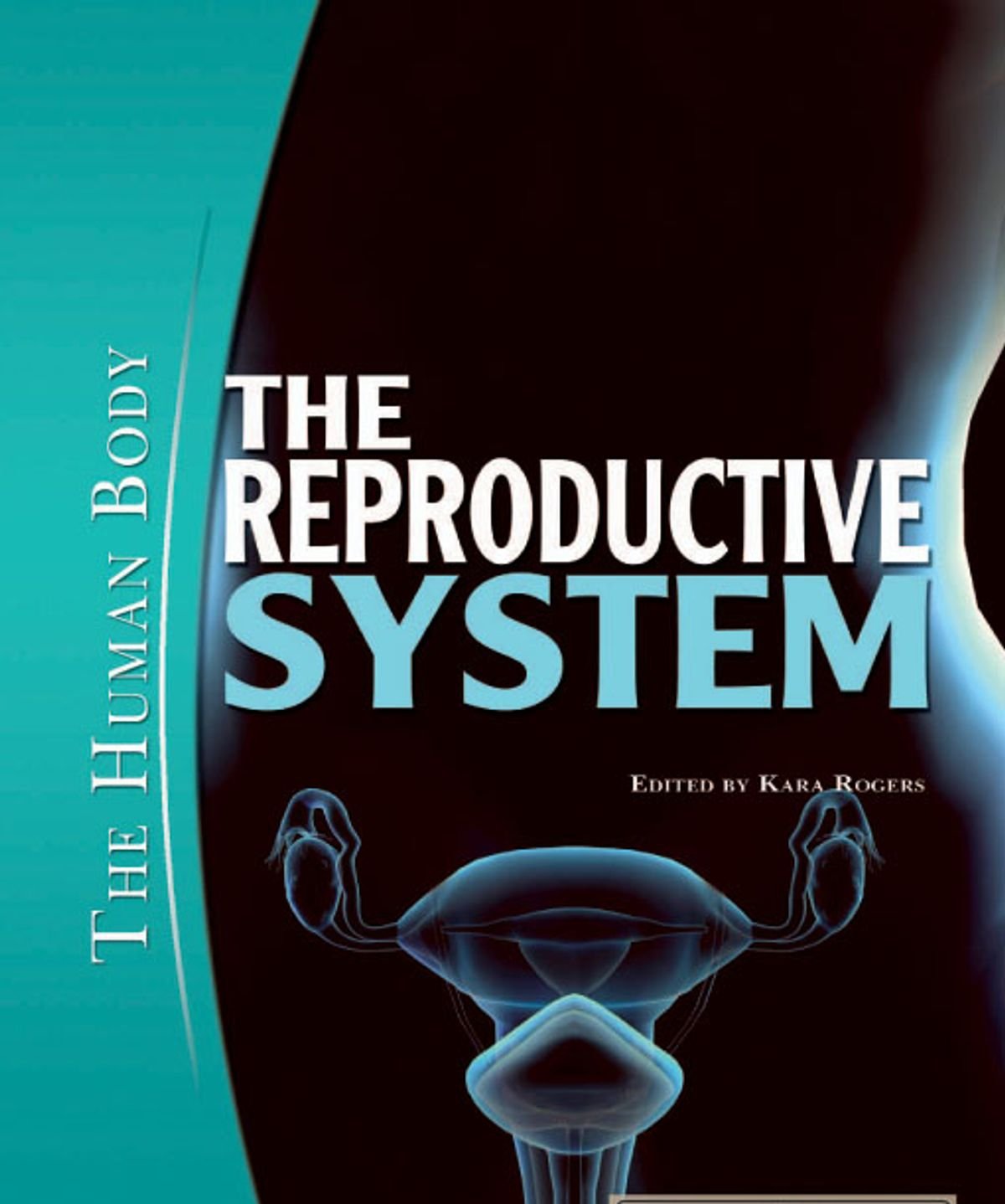
Human Reproduction Class 12 Biology Notes, Summary, MCQs and Important Questions
Meta Description:
Comprehensive Human Reproduction Class 12 Biology notes with detailed summary, flowchart, keywords, 40 MCQs, short and long questions, exam tips and value-based questions for board exams.
Initiation of the Chapter
The chapter Human Reproduction in Class 12 Biology explains the structure and function of the male and female reproductive systems, gametogenesis, menstrual cycle, fertilisation, pregnancy and parturition. It is an important unit for board exams as well as medical entrance exams.
Understanding Human Reproduction Class 12 Biology helps students learn how new life is formed and how reproductive health is maintained. This chapter connects anatomy, physiology and endocrinology in a simple and scientific manner.
Short Notes on Human Reproduction (Bullet Points)
- Human reproduction is sexual reproduction involving fusion of male and female gametes.
- Male reproductive system produces sperms through spermatogenesis.
- Female reproductive system produces ova through oogenesis.
- Fertilisation occurs in the ampullary region of fallopian tube.
- Menstrual cycle lasts about 28 days.
- Pregnancy period in humans is about 9 months (280 days).
- Hormones like FSH, LH, estrogen and progesterone regulate reproduction.
- Human reproduction ensures continuity of species.
Summary of Human Reproduction
Overview of Human Reproduction
Human reproduction is a biological process by which a male and female produce offspring. In humans, reproduction is internal and involves complex hormonal control. The chapter Human Reproduction Class 12 Biology focuses on anatomy, gamete formation, fertilisation and development of embryo.
Male Reproductive System
The male reproductive system consists of:
- A pair of testes
- Epididymis
- Vas deferens
- Ejaculatory duct
- Urethra
- Accessory glands (seminal vesicles, prostate gland, bulbourethral gland)
- Penis
Testes are located in the scrotum, which maintains a temperature 2–2.5°C lower than body temperature for sperm production.
Spermatogenesis
Spermatogenesis occurs in seminiferous tubules and includes:
- Multiplication phase
- Growth phase
- Maturation phase
- Spermiogenesis
One spermatogonium produces four sperms. This process is regulated by FSH and testosterone.
Female Reproductive System
The female reproductive system includes:
- A pair of ovaries
- Fallopian tubes
- Uterus
- Cervix
- Vagina
The ovaries produce ova and hormones like estrogen and progesterone.
Oogenesis
Oogenesis begins during fetal life. One primary oocyte forms one ovum and polar bodies. It is completed only after fertilisation.
Menstrual Cycle
The menstrual cycle has four phases:
- Menstrual Phase (Day 1–5)
Shedding of uterine lining. - Follicular Phase (Day 6–14)
Growth of follicles and rise in estrogen. - Ovulation (Day 14)
Release of ovum due to LH surge. - Luteal Phase (Day 15–28)
Formation of corpus luteum and secretion of progesterone.
If fertilisation does not occur, the cycle repeats.
Fertilisation
Fertilisation occurs in the fallopian tube. The sperm penetrates the ovum, and their nuclei fuse to form a zygote. This process restores diploid chromosome number.
Implantation and Pregnancy
After fertilisation:
- Zygote divides to form blastocyst.
- Blastocyst implants in uterine wall.
- Placenta develops for nutrient exchange.
Pregnancy lasts about 9 months. Hormones like hCG maintain corpus luteum.
Parturition and Lactation
Parturition is childbirth. It is induced by oxytocin hormone. After birth, lactation begins under prolactin hormone control.
Importance of Human Reproduction
- Ensures survival of species
- Maintains genetic continuity
- Important for population growth studies
- Forms basis for reproductive health awareness
The chapter Human Reproduction Class 12 Biology is very important for NEET and board exams due to its conceptual clarity and diagram-based questions.
Flowchart / Mind Map (Text-Based)
Human Reproduction
→ Male Reproductive System
→ Testes → Spermatogenesis → Sperm
→ Female Reproductive System
→ Ovaries → Oogenesis → Ovum
→ Menstrual Cycle
→ Menstrual → Follicular → Ovulation → Luteal
→ Fertilisation
→ Implantation
→ Pregnancy
→ Parturition
→ Lactation
Important Keywords with Meanings
- Spermatogenesis – Formation of sperms
- Oogenesis – Formation of ovum
- Menstrual Cycle – Monthly reproductive cycle
- Fertilisation – Fusion of gametes
- Implantation – Embedding of blastocyst
- Placenta – Temporary organ for nutrient exchange
- Parturition – Childbirth
- Lactation – Milk production
Very Important Questions & Answer
10 Short Questions with Answers
1. What is human reproduction?
Human reproduction is a sexual process in which male and female gametes fuse to form a zygote, leading to the birth of a new individual.
2. Where are testes located and why?
Testes are located in the scrotum to maintain a temperature 2–2.5°C lower than body temperature, which is necessary for sperm production.
3. Define spermatogenesis.
Spermatogenesis is the process of formation of sperms from spermatogonia in the seminiferous tubules of testes.
4. What is oogenesis?
Oogenesis is the process by which ova (female gametes) are formed in the ovaries.
5. What is ovulation?
Ovulation is the release of a mature ovum from the Graafian follicle of the ovary.
6. Where does fertilisation occur in humans?
Fertilisation occurs in the ampullary region of the fallopian tube.
7. What is implantation?
Implantation is the attachment and embedding of the blastocyst into the uterine wall.
8. What is the menstrual cycle?
The menstrual cycle is a monthly cycle of hormonal and structural changes in the female reproductive system lasting about 28 days.
9. What is the function of placenta?
The placenta provides nutrients and oxygen to the foetus and removes waste products from foetal blood.
10. Define parturition.
Parturition is the process of childbirth.
10 Long Questions with Answers
1. Describe the male reproductive system.
The male reproductive system consists of a pair of testes, accessory ducts, glands and external genitalia.
Testes: Located in the scrotum and produce sperms and testosterone.
Accessory ducts: Epididymis stores sperms; vas deferens transports sperms; urethra carries semen out of the body.
Accessory glands: Seminal vesicles, prostate gland and bulbourethral glands add secretions to nourish and transport sperms.
Penis: Male copulatory organ.
This system ensures production, nourishment and delivery of sperms.
2. Explain spermatogenesis.
Spermatogenesis occurs in seminiferous tubules and involves:
- Multiplication phase: Spermatogonia divide by mitosis.
- Growth phase: Cells enlarge to form primary spermatocytes.
- Maturation phase: Meiosis produces haploid spermatids.
- Spermiogenesis: Spermatids transform into sperms.
Each primary spermatocyte produces four sperms. FSH and testosterone regulate this process.
3. Describe the female reproductive system.
The female reproductive system includes:
- Ovaries: Produce ova and hormones.
- Fallopian tubes: Site of fertilisation.
- Uterus: Site of implantation and development.
- Cervix: Connects uterus to vagina.
- Vagina: Birth canal and copulatory organ.
It supports ovum production, fertilisation and foetal development.
4. Explain oogenesis.
Oogenesis begins during fetal life. Oogonia form primary oocytes which remain arrested until puberty. Each cycle, one oocyte completes meiosis to form one ovum and polar bodies. Meiosis II completes only after fertilisation.
5. Describe the menstrual cycle.
The menstrual cycle lasts about 28 days and has four phases:
Menstrual phase (1–5): Shedding of uterine lining.
Follicular phase (6–14): Follicle growth and estrogen secretion.
Ovulation (Day 14): Release of ovum due to LH surge.
Luteal phase (15–28): Corpus luteum secretes progesterone.
If fertilisation does not occur, menstruation begins again.
6. Explain fertilisation in humans.
Fertilisation occurs in the fallopian tube. The sperm penetrates the ovum using acrosomal enzymes. The nuclei fuse to form a diploid zygote. This restores chromosome number and determines sex of the child.
7. Describe implantation and pregnancy.
After fertilisation, the zygote divides to form a blastocyst. It implants in the uterine lining. Placenta develops for nutrient exchange. Pregnancy lasts about 280 days and is maintained by hormones such as progesterone and hCG.
8. What is placenta? Explain its functions.
Placenta is a temporary organ formed between maternal and foetal tissues.
Functions:
- Supplies oxygen and nutrients
- Removes waste materials
- Produces hormones like hCG, estrogen and progesterone
- Protects foetus
9. Explain parturition and lactation.
Parturition: Childbirth process triggered by oxytocin-induced uterine contractions.
Lactation: Production of milk after childbirth, controlled by prolactin hormone.
10. Describe hormonal control of human reproduction.
Human reproduction is regulated by hormones:
- GnRH: Stimulates pituitary gland.
- FSH: Stimulates gamete formation.
- LH: Triggers ovulation and testosterone secretion.
- Estrogen & Progesterone: Regulate menstrual cycle and pregnancy.
- Testosterone: Controls male reproductive functions.
Hormonal coordination ensures proper reproductive functioning.
Exam Tips for Human Reproduction
- Draw neat labelled diagrams of male and female reproductive systems.
- Remember hormone names and functions.
- Learn sequence of menstrual cycle phases clearly.
- Practice NCERT back exercise questions.
- Focus on keywords like fertilisation, implantation, placenta.
Conclusion
The chapter Human Reproduction Class 12 Biology is one of the most significant units in the NCERT syllabus. It not only explains the biological process of reproduction but also builds awareness about reproductive health, hormonal balance and developmental biology.
A clear understanding of Human Reproduction helps students connect structure and function in the human body. The male and female reproductive systems are specially designed to perform precise and coordinated roles. From gamete formation to childbirth, every step is regulated by hormones and biological mechanisms.
In board examinations, questions from Human Reproduction Class 12 Biology are frequently asked in the form of diagrams, short answers, long answers and MCQs. Students must focus on understanding concepts rather than memorizing lines. Topics such as spermatogenesis, oogenesis, menstrual cycle and fertilisation are commonly tested.
This chapter also lays the foundation for advanced topics like reproductive health, population control and assisted reproductive technologies. Therefore, mastering Human Reproduction Class 12 Biology is essential not only for scoring high marks but also for competitive exams like NEET.
Students should revise notes regularly, practice MCQs and solve previous year questions to strengthen their preparation. Writing answers in simple, scientific language with correct terminology improves presentation.
In conclusion, Human Reproduction is a concept-based and scoring chapter. With proper understanding of diagrams, hormone regulation and sequential processes, students can easily achieve excellent results. Thorough revision of summary, keywords, important questions and MCQs ensures complete preparation.
By studying Human Reproduction Class 12 Biology systematically, learners gain both academic success and essential life knowledge.
Easy Assertion–Reason Questions
Directions:
For each question, choose the correct option:
A. Both Assertion (A) and Reason (R) are true, and R is the correct explanation of A.
B. Both A and R are true, but R is not the correct explanation of A.
C. A is true, but R is false.
D. A is false, but R is true.
1.
Assertion (A): Testes are located outside the abdominal cavity.
Reason (R): Sperm production requires a temperature lower than body temperature.
Answer: A
Both statements are true and lower temperature is necessary for spermatogenesis.
2.
Assertion (A): Ovulation occurs around the 14th day of the menstrual cycle.
Reason (R): A surge in luteinizing hormone (LH) triggers ovulation.
Answer: A
Both are correct and LH surge causes ovulation.
3.
Assertion (A): Corpus luteum degenerates if fertilisation does not occur.
Reason (R): Progesterone secretion stops when corpus luteum degenerates.
Answer: B
Both statements are true, but degeneration is not caused by progesterone stopping; rather progesterone stops because the corpus luteum degenerates.
4.
Assertion (A): Fertilisation restores the diploid number of chromosomes.
Reason (R): Male and female gametes are haploid.
Answer: A
Both are true and haploid gametes fuse to restore diploid number.
5.
Assertion (A): Placenta acts as an endocrine tissue during pregnancy.
Reason (R): Placenta secretes hormones like hCG, estrogen and progesterone.
Answer: A
Both statements are true and hormone secretion makes placenta an endocrine tissue.
5 Value-Based Questions with Answers
Human Reproduction
1. Why is reproductive health education important for teenagers?
Answer:
Reproductive health education helps teenagers understand physical changes, menstrual hygiene, safe practices, and prevention of sexually transmitted infections. It promotes responsible behaviour and protects physical and mental health.
2. A student hesitates to discuss menstrual health due to social stigma. What should be done?
Answer:
Menstrual health should be discussed openly and scientifically. Awareness programs and supportive environments in schools and families can remove myths and promote hygiene, confidence and health.
3. Why should couples seek medical advice instead of believing myths when facing infertility issues?
Answer:
Infertility can have medical causes in both males and females. Consulting doctors ensures proper diagnosis and treatment. Avoiding myths prevents emotional stress and promotes scientific thinking.
4. How does understanding the menstrual cycle help in maintaining reproductive health?
Answer:
Understanding the menstrual cycle helps in tracking health, identifying irregularities early, maintaining hygiene and planning pregnancies responsibly.
5. Why is gender respect and responsibility important in matters related to reproduction?
Answer:
Reproduction involves equal responsibility of both genders. Respect and shared responsibility promote healthy relationships, informed decisions and emotional well-being.
Sample Question Paper
Human Reproduction – Class 12 Biology
Time: 3 Hours
Maximum Marks: 70
Section A: Very Short Answer (1 × 10 = 10 marks)
Answer in one word or one sentence.
- Name the site of sperm production.
- What is ovulation?
- Define fertilisation.
- Name the hormone responsible for milk production.
- What is the gestation period in humans?
- Name the male hormone responsible for spermatogenesis.
- What is implantation?
- Name the structure that connects foetus to mother.
- What is the function of Sertoli cells?
- Where does fertilisation occur in humans?
Section B: Short Answer Questions (2 × 10 = 20 marks)
Answer in 30–50 words.
- Write two functions of the scrotum.
- Define spermiogenesis.
- Differentiate between spermatogenesis and oogenesis (any two points).
- What is corpus luteum? State its function.
- Write two functions of placenta.
- What happens during the menstrual phase?
- Define parturition.
- What is the role of LH in reproduction?
- Write two functions of the vagina.
- What is a blastocyst?
Section C: Short Answer (3 × 6 = 18 marks)
Answer in about 80–100 words.
- Describe the structure of sperm.
- Explain the phases of menstrual cycle.
- Describe the functions of accessory glands in males.
- Explain implantation.
- Write a note on hormonal control of spermatogenesis.
- Describe the structure and functions of the ovary.
Section D: Long Answer Questions (5 × 4 = 20 marks)
Answer in detail.
- Describe the male reproductive system with labelled explanation.
OR
Explain spermatogenesis with steps. - Describe the female reproductive system.
OR
Explain oogenesis. - Explain fertilisation and early embryonic development.
OR
Describe the formation and functions of placenta. - Describe pregnancy and parturition.
OR
Explain hormonal control of the menstrual cycle.
Section E: Value-Based Question (1 × 2 = 2 marks)
- A school plans to conduct awareness sessions on menstrual hygiene and reproductive health. Why are such programs important for adolescents?
Solution of Sample Paper
Human Reproduction – Class 12 Biology
Section A: Very Short Answers
- Site of sperm production: Seminiferous tubules (in testes)
- Ovulation: Release of mature ovum from ovary
- Fertilisation: Fusion of male and female gametes
- Hormone for milk production: Prolactin
- Gestation period: About 280 days (9 months)
- Male hormone: Testosterone
- Implantation: Attachment of blastocyst to uterine wall
- Structure connecting foetus to mother: Placenta (via umbilical cord)
- Function of Sertoli cells: Nourish developing sperms
- Site of fertilisation: Ampullary region of fallopian tube
Section B: Short Answer Solutions
11. Functions of scrotum
- Maintains testes at lower temperature.
- Protects testes.
12. Spermiogenesis
Transformation of spermatids into mature sperms.
13. Spermatogenesis vs Oogenesis
| Spermatogenesis | Oogenesis |
|---|---|
| Occurs in testes | Occurs in ovaries |
| Produces 4 sperms | Produces 1 ovum |
| Continuous process | Cyclic process |
14. Corpus luteum
Yellow body formed after ovulation; secretes progesterone to maintain uterine lining.
15. Functions of placenta
- Supplies nutrients and oxygen
- Removes waste products
16. Menstrual phase
Shedding of uterine lining and blood when fertilisation does not occur.
17. Parturition
Process of childbirth.
18. Role of LH
Triggers ovulation and formation of corpus luteum.
19. Functions of vagina
- Receives penis during copulation
- Acts as birth canal
20. Blastocyst
A stage of embryo with inner cell mass and trophoblast formed after cleavage.
Section C: Answers (80–100 Words)
21. Structure of Sperm
A sperm consists of head, neck, middle piece and tail. The head contains nucleus and acrosome which helps penetrate ovum. The middle piece contains mitochondria for energy. The tail helps in movement.
22. Phases of Menstrual Cycle
The menstrual cycle lasts about 28 days.
Menstrual phase: shedding of lining (days 1–5).
Follicular phase: follicle growth and estrogen secretion (days 6–14).
Ovulation: release of ovum around day 14 due to LH surge.
Luteal phase: corpus luteum secretes progesterone (days 15–28).
23. Functions of Male Accessory Glands
Seminal vesicles secrete fructose-rich fluid for sperm nourishment. Prostate gland secretes alkaline fluid that enhances sperm motility. Bulbourethral glands secrete mucus that lubricates urethra.
24. Implantation
After fertilisation, the zygote divides to form a blastocyst. The blastocyst attaches to the uterine lining and embeds itself into the endometrium. This process is called implantation and marks the beginning of pregnancy.
25. Hormonal Control of Spermatogenesis
GnRH from hypothalamus stimulates pituitary to release FSH and LH. FSH stimulates Sertoli cells and sperm formation. LH stimulates Leydig cells to produce testosterone, which supports spermatogenesis.
26. Structure and Functions of Ovary
Ovaries are female gonads located in pelvic cavity. They produce ova and hormones estrogen and progesterone. Follicles in ovary develop and release ovum during ovulation.
Section D: Long Answer Solutions
27. Male Reproductive System
The male reproductive system includes testes, accessory ducts, glands and penis.
- Testes: Produce sperms and testosterone.
- Epididymis: Stores sperms.
- Vas deferens: Transports sperms.
- Accessory glands: Add seminal fluid.
- Penis: Copulatory organ.
OR
Spermatogenesis
Spermatogenesis occurs in seminiferous tubules.
- Spermatogonia divide (mitosis).
- Primary spermatocytes undergo meiosis.
- Spermatids form haploid cells.
- Spermiogenesis converts spermatids into sperms.
28. Female Reproductive System
Includes ovaries, fallopian tubes, uterus, cervix and vagina. Ovaries produce ova and hormones. Fallopian tubes carry ovum and site of fertilisation. Uterus supports embryo development.
OR
Oogenesis
Begins during fetal life. Primary oocyte undergoes meiosis to form secondary oocyte and polar bodies. One ovum is produced per cycle. Meiosis completes after fertilisation.
29. Fertilisation and Early Development
Fertilisation occurs in fallopian tube. Sperm penetrates ovum forming zygote. Zygote divides to form morula and blastocyst. Blastocyst implants in uterus and embryo develops.
OR
Placenta: Formation & Functions
Placenta forms from foetal trophoblast and maternal tissue. It allows nutrient, oxygen and waste exchange and secretes hormones such as hCG and progesterone.
30. Pregnancy and Parturition
Pregnancy lasts about 280 days. Placenta nourishes foetus. Parturition occurs by oxytocin-induced uterine contractions leading to childbirth.
OR
Hormonal Control of Menstrual Cycle
FSH stimulates follicle growth. Estrogen repairs uterine lining. LH triggers ovulation. Progesterone maintains endometrium. If fertilisation fails, hormone levels fall causing menstruation.
Section E: Value-Based Answer
31. Importance of awareness programs
Awareness programs educate adolescents about hygiene, reproductive health and prevention of infections. They remove myths, promote confidence and encourage responsible health practices.


Leave a Reply