


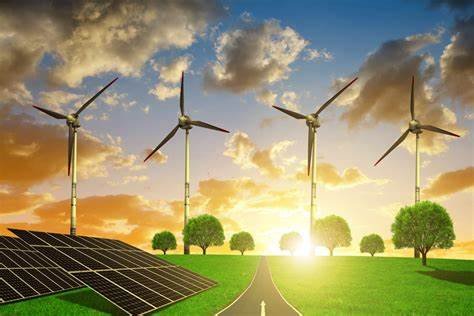
Importance of Renewable Energy — A Complete Detailed Explanation
Renewable energy has become one of the most important topics of the 21st century as the world faces serious challenges such as climate change, environmental degradation, energy insecurity, and rapid population growth. Renewable energy refers to energy obtained from natural sources that are continuously replenished and do not get exhausted with use. These sources include sunlight, wind, water, biomass, and geothermal heat. Unlike fossil fuels such as coal, petroleum, and natural gas, renewable energy sources are sustainable, environmentally friendly, and essential for long-term human development.
The growing global demand for energy, combined with the harmful effects of conventional energy sources, makes renewable energy a necessary transition for modern societies.
1. Understanding Renewable Energy
Renewable energy comes from natural processes that occur repeatedly in nature. These sources naturally regenerate within a short period, making them practically unlimited.
Major Types of Renewable Energy
- Solar Energy
- Derived from sunlight using solar panels.
- Used for electricity generation, heating, and lighting.
- One of the fastest-growing energy sources worldwide.
- Wind Energy
- Generated through wind turbines that convert wind motion into electricity.
- Common in coastal and open plain regions.
- Hydropower (Hydroelectric Energy)
- Produced by flowing or falling water.
- Dams and rivers generate electricity through turbines.
- Biomass Energy
- Produced from organic materials such as agricultural waste, wood, and animal waste.
- Used for cooking fuel, electricity, and biofuels.
- Geothermal Energy
- Derived from heat stored beneath the Earth’s surface.
- Used for heating and electricity generation.
2. Environmental Importance of Renewable Energy
a) Reduction of Greenhouse Gas Emissions
Traditional fossil fuels release large amounts of carbon dioxide (CO₂), methane, and other greenhouse gases responsible for global warming. Renewable energy sources produce little or no emissions during operation, helping reduce climate change.
b) Combating Climate Change
Climate change causes rising temperatures, melting glaciers, extreme weather events, and sea-level rise. Renewable energy plays a major role in limiting global warming by reducing dependence on carbon-intensive fuels.
c) Improvement in Air Quality
Burning coal and oil releases harmful pollutants like sulfur dioxide and nitrogen oxides, which cause respiratory diseases and smog. Renewable energy significantly improves air quality and public health.
d) Conservation of Natural Resources
Fossil fuels take millions of years to form and are finite. Renewable energy conserves these limited resources for future generations.
e) Protection of Ecosystems
Mining and drilling damage forests, oceans, and wildlife habitats. Renewable systems have comparatively lower environmental impact.
3. Economic Importance of Renewable Energy
a) Job Creation
Renewable energy industries create millions of jobs worldwide in manufacturing, installation, maintenance, research, and engineering.
Examples of employment sectors:
- Solar panel installation
- Wind turbine manufacturing
- Energy system maintenance
- Green technology research
b) Long-Term Cost Savings
Although initial installation costs may be high, renewable energy systems have:
- Low operational costs
- Minimal fuel expenses
- Long life spans
Over time, they become cheaper than fossil fuel energy.
c) Energy Price Stability
Fossil fuel prices fluctuate due to global politics and supply shortages. Renewable energy depends on natural resources like sunlight and wind, which are free and stable.
d) Rural Development
Renewable energy projects bring electricity to remote and rural areas, promoting economic growth, education, and healthcare development.
4. Social Importance of Renewable Energy
a) Energy Access for All
Many rural and remote communities lack reliable electricity. Solar mini-grids and wind systems provide decentralized energy solutions.
b) Improved Quality of Life
Access to clean energy improves:
- Education through lighting
- Healthcare through powered equipment
- Communication and digital connectivity
c) Public Health Benefits
Reduced pollution leads to fewer respiratory and cardiovascular diseases.
d) Gender Equality
In many developing regions, women spend hours collecting firewood. Renewable energy reduces this burden and improves safety and education opportunities.
5. Energy Security and Independence
Countries dependent on imported fossil fuels face economic and political risks. Renewable energy allows nations to produce their own energy locally.
Benefits:
- Reduced dependence on foreign energy imports
- Increased national security
- Stable energy supply during global crises
For countries like India, expanding solar and wind power reduces reliance on imported oil and coal.
6. Technological and Scientific Advancement
Renewable energy encourages innovation and technological development, including:
- Smart grids
- Energy storage systems (batteries)
- Electric vehicles
- Artificial intelligence in energy management
Investment in renewable energy drives research and strengthens scientific progress.
7. Role of Renewable Energy in Sustainable Development
Renewable energy directly supports sustainable development goals by balancing economic growth, environmental protection, and social welfare.
Contributions include:
- Clean water systems powered by solar pumps
- Sustainable agriculture through renewable irrigation
- Green urban development
- Reduced poverty through energy access
8. Importance of Renewable Energy in India
India has enormous renewable energy potential due to its geography and climate.
Key Advantages:
- Abundant sunlight throughout the year
- Strong wind corridors in coastal states
- Large river systems for hydropower
- Agricultural biomass availability
National Benefits:
- Reduced pollution in major cities
- Support for rural electrification
- Growth of green jobs
- Lower carbon emissions
India’s renewable energy expansion supports both economic growth and environmental protection.
9. Challenges Facing Renewable Energy
Despite its advantages, renewable energy faces several challenges:
- High Initial Investment Installation costs for solar panels and wind farms can be expensive.
- Intermittency Solar and wind energy depend on weather conditions.
- Energy Storage Limitations Efficient battery technology is still developing.
- Land Use Issues Large projects may require significant land area.
- Infrastructure Needs Power grids must be upgraded to integrate renewable sources.
10. Solutions and Future Prospects
a) Improved Energy Storage
Advances in battery technology allow energy storage for use when sunlight or wind is unavailable.
b) Government Policies and Incentives
Subsidies, tax benefits, and renewable targets encourage adoption.
c) Smart Grid Technology
Modern grids balance supply and demand efficiently.
d) Hybrid Energy Systems
Combining solar, wind, and hydropower ensures continuous electricity supply.
e) Public Awareness
Education encourages individuals and industries to adopt clean energy.
11. Renewable Energy and Climate Responsibility
Transitioning to renewable energy is not just an economic choice but a moral responsibility. Future generations depend on sustainable energy systems to ensure environmental stability and resource availability.
12. Future Importance of Renewable Energy
In the coming decades, renewable energy will become central to global development because:
- Fossil fuel reserves are declining.
- Climate change risks are increasing.
- Technology costs are decreasing.
- Clean energy demand is rising.
Experts predict renewable energy will dominate global electricity production in the future.
Conclusion
Renewable energy is essential for building a sustainable, healthy, and economically stable future. It provides a powerful solution to some of humanity’s biggest challenges — climate change, pollution, energy insecurity, and unequal access to electricity. By reducing greenhouse gas emissions, protecting natural resources, improving public health, and creating new economic opportunities, renewable energy supports both present needs and future generations.
The transition toward renewable energy represents a shift from exploitation of limited natural resources to harmonious coexistence with nature. While challenges such as infrastructure costs and energy storage remain, rapid technological advancements and global cooperation are accelerating progress.
Adopting renewable energy is not merely an environmental choice; it is a pathway toward sustainable development, social equality, and long-term global prosperity. Governments, industries, and individuals all have a role to play in promoting clean energy solutions. Through investment, innovation, and awareness, renewable energy can ensure a cleaner planet, stronger economies, and a better quality of life for all.
100 Questions and Answers on Importance of Renewable Energy
Basic Concepts (1–20)
- Q: What is renewable energy?
A: Energy obtained from natural sources that are continuously replenished, such as sunlight, wind, and water. - Q: Name two examples of renewable energy sources.
A: Solar energy and wind energy. - Q: Why is renewable energy called sustainable?
A: Because it does not get exhausted and can be used repeatedly. - Q: Which energy source comes from sunlight?
A: Solar energy. - Q: What device converts sunlight into electricity?
A: Solar panels or photovoltaic cells. - Q: What produces wind energy?
A: Wind turbines. - Q: What is hydropower?
A: Electricity generated using flowing or falling water. - Q: What is biomass energy?
A: Energy produced from organic materials like plants and animal waste. - Q: What is geothermal energy?
A: Energy obtained from heat inside the Earth. - Q: Are fossil fuels renewable?
A: No, they are non-renewable. - Q: Give one example of a non-renewable energy source.
A: Coal. - Q: Why are fossil fuels limited?
A: They take millions of years to form. - Q: Which renewable source is most abundant on Earth?
A: Solar energy. - Q: Renewable energy mainly comes from which natural systems?
A: Sun, wind, water, and Earth’s heat. - Q: What does clean energy mean?
A: Energy that produces little or no pollution. - Q: Is renewable energy environmentally friendly?
A: Yes. - Q: Which renewable energy source uses dams?
A: Hydroelectric energy. - Q: What is a wind farm?
A: A group of wind turbines generating electricity. - Q: What is solar thermal energy used for?
A: Heating water or buildings. - Q: What does sustainability mean?
A: Meeting present needs without harming future generations.
Environmental Importance (21–40)
- Q: How does renewable energy help the environment?
A: By reducing pollution and greenhouse gas emissions. - Q: Which gas mainly causes global warming?
A: Carbon dioxide (CO₂). - Q: Renewable energy reduces which major global problem?
A: Climate change. - Q: Burning fossil fuels releases what harmful substances?
A: Greenhouse gases and pollutants. - Q: How does renewable energy improve air quality?
A: By producing minimal emissions. - Q: What environmental issue is caused by coal burning?
A: Air pollution. - Q: Renewable energy helps conserve what natural resources?
A: Fossil fuels. - Q: Does solar energy produce smoke?
A: No. - Q: How does renewable energy protect wildlife?
A: By reducing mining and habitat destruction. - Q: What is the effect of reduced emissions?
A: Cleaner atmosphere. - Q: Renewable energy helps slow which process affecting glaciers?
A: Melting due to global warming. - Q: Which energy type causes less water pollution?
A: Renewable energy. - Q: Renewable energy reduces acid rain by lowering which gases?
A: Sulfur dioxide and nitrogen oxides. - Q: How does renewable energy help forests?
A: Reduces need for fuelwood. - Q: What environmental benefit comes from wind energy?
A: No air pollution during operation. - Q: Solar energy helps reduce dependence on what polluting fuel?
A: Coal. - Q: Renewable energy promotes what type of environment?
A: Sustainable environment. - Q: Does renewable energy reduce carbon footprint?
A: Yes. - Q: Cleaner energy leads to healthier ecosystems. True or False?
A: True. - Q: Renewable energy helps preserve biodiversity by reducing what?
A: Environmental damage.
Economic Importance (41–60)
- Q: Renewable energy creates jobs in which sectors?
A: Installation, manufacturing, and maintenance. - Q: Does renewable energy reduce fuel costs?
A: Yes. - Q: Why are operating costs low in renewable energy?
A: Natural resources are free. - Q: Renewable energy improves which type of economic growth?
A: Sustainable growth. - Q: Solar energy reduces electricity bills. True or False?
A: True. - Q: Renewable energy attracts investment in which sector?
A: Green technology. - Q: Energy independence improves national what?
A: Economy. - Q: Renewable energy stabilizes energy prices because sources are what?
A: Naturally available. - Q: Rural areas benefit economically through what projects?
A: Renewable energy installations. - Q: Renewable energy reduces spending on what imports?
A: Fossil fuels. - Q: Wind farms generate income for whom?
A: Local communities and governments. - Q: Renewable energy supports entrepreneurship in which field?
A: Clean technology. - Q: What happens to long-term electricity costs with renewable energy?
A: They decrease. - Q: Renewable energy encourages innovation in which sector?
A: Technology. - Q: Green jobs are related to what industry?
A: Renewable energy. - Q: Solar panels increase property value. True or False?
A: True. - Q: Renewable energy projects boost local economies by creating what?
A: Employment. - Q: Renewable energy reduces financial risks caused by what?
A: Fuel price fluctuations. - Q: Clean energy industries support economic diversification. True or False?
A: True. - Q: Renewable energy lowers maintenance costs compared to fossil fuels. True or False?
A: True.
Social Importance (61–80)
- Q: Renewable energy improves access to what in rural areas?
A: Electricity. - Q: Electricity access improves which sector?
A: Education. - Q: Renewable energy improves healthcare by powering what?
A: Medical equipment. - Q: Clean cooking energy reduces which health problem?
A: Respiratory diseases. - Q: Solar lighting helps students do what at night?
A: Study. - Q: Renewable energy reduces indoor air pollution. True or False?
A: True. - Q: Renewable energy helps reduce poverty by improving what?
A: Economic opportunities. - Q: Women benefit from renewable energy by saving time spent on what?
A: Collecting firewood. - Q: Renewable energy promotes social equality. True or False?
A: True. - Q: Reliable electricity improves communication through what devices?
A: Phones and computers. - Q: Renewable energy supports disaster recovery by providing what?
A: Decentralized power. - Q: Solar pumps help farmers with what?
A: Irrigation. - Q: Renewable energy improves living standards. True or False?
A: True. - Q: Access to energy increases educational opportunities. True or False?
A: True. - Q: Renewable energy reduces dependence on traditional fuels like what?
A: Firewood. - Q: Renewable energy systems can work in remote areas without what?
A: Large power grids. - Q: Clean energy improves public health. True or False?
A: True. - Q: Renewable energy promotes community development. True or False?
A: True. - Q: Solar energy helps reduce power shortages. True or False?
A: True. - Q: Renewable energy contributes to sustainable lifestyles. True or False?
A: True.
Here are 100 Multiple Choice Questions (MCQs) on Importance of Renewable Energy with correct answers. These are useful for school exams, competitive exams, and revision.
100 MCQs on Importance of Renewable Energy
Basic Concepts (1–20)
- Renewable energy comes from:
A) Fossil fuels
B) Nuclear fuels
C) Natural replenished sources
D) Chemicals
Answer: C - Which of the following is renewable?
A) Coal
B) Solar energy
C) Petroleum
D) Natural gas
Answer: B - Solar energy is obtained from:
A) Water
B) Earth’s core
C) Sun
D) Wind
Answer: C - Wind energy is produced using:
A) Generators
B) Turbines
C) Boilers
D) Batteries
Answer: B - Hydropower uses energy from:
A) Coal
B) Flowing water
C) Gas
D) Oil
Answer: B - Biomass energy comes from:
A) Metals
B) Organic matter
C) Rocks
D) Plastic
Answer: B - Geothermal energy originates from:
A) Moon
B) Ocean waves
C) Earth’s internal heat
D) Clouds
Answer: C - Renewable energy sources are:
A) Limited
B) Non-reusable
C) Exhaustible
D) Naturally replenished
Answer: D - Fossil fuels are:
A) Renewable
B) Non-renewable
C) Unlimited
D) Pollution-free
Answer: B - Solar panels convert sunlight into:
A) Heat only
B) Electricity
C) Sound
D) Gas
Answer: B - Wind farms consist of many:
A) Solar cells
B) Turbines
C) Boilers
D) Pipes
Answer: B - Renewable energy is also called:
A) Dirty energy
B) Clean energy
C) Limited energy
D) Chemical energy
Answer: B - Which source depends directly on sunlight?
A) Solar energy
B) Coal
C) Oil
D) Nuclear
Answer: A - Renewable resources are important because they:
A) Increase pollution
B) Never replenish
C) Are sustainable
D) Are expensive only
Answer: C - The most abundant renewable source is:
A) Coal
B) Sunlight
C) Oil
D) Gas
Answer: B - Hydroelectric power stations are built near:
A) Forests
B) Rivers
C) Deserts
D) Mountains only
Answer: B - Renewable energy reduces dependence on:
A) Sunlight
B) Fossil fuels
C) Water
D) Wind
Answer: B - Solar energy produces:
A) Smoke
B) Toxic gases
C) Clean electricity
D) Ash
Answer: C - Sustainability means:
A) Overuse of resources
B) Saving resources for future
C) Pollution increase
D) Energy waste
Answer: B - Renewable energy sources are mainly derived from:
A) Nature
B) Machines
C) Chemicals
D) Metals
Answer: A
Environmental Importance (21–40)
- Renewable energy helps reduce:
A) Oxygen
B) Carbon emissions
C) Rainfall
D) Sunlight
Answer: B - Major greenhouse gas is:
A) Oxygen
B) Carbon dioxide
C) Nitrogen
D) Hydrogen
Answer: B - Global warming is mainly caused by:
A) Renewable energy
B) Greenhouse gases
C) Rain
D) Wind
Answer: B - Renewable energy improves:
A) Noise pollution
B) Air quality
C) Soil erosion
D) Waste production
Answer: B - Burning coal releases:
A) Clean air
B) Pollutants
C) Oxygen
D) Water vapor only
Answer: B - Renewable energy helps fight:
A) Floods
B) Climate change
C) Gravity
D) Earthquakes
Answer: B - Renewable energy reduces:
A) Biodiversity
B) Pollution
C) Resources
D) Energy supply
Answer: B - Solar power generation produces:
A) Carbon dioxide
B) Smoke
C) Minimal emissions
D) Ash waste
Answer: C - Renewable energy protects:
A) Fossil fuels
B) Ecosystems
C) Pollution levels
D) Oil reserves
Answer: B - Acid rain is mainly caused by:
A) Solar panels
B) Fossil fuel emissions
C) Wind turbines
D) Water flow
Answer: B - Renewable energy lowers carbon footprint.
A) True
B) False
Answer: A - Clean energy reduces respiratory diseases by improving:
A) Soil
B) Air
C) Water color
D) Temperature
Answer: B - Mining fossil fuels causes:
A) Habitat destruction
B) Rainfall increase
C) Oxygen growth
D) Energy saving
Answer: A - Renewable energy helps conserve:
A) Oil reserves
B) Pollution
C) Waste
D) Smoke
Answer: A - Wind energy operation releases:
A) Smoke
B) Toxic gases
C) No emissions
D) Carbon dust
Answer: C - Renewable energy supports environmental:
A) Damage
B) Sustainability
C) Pollution
D) Degradation
Answer: B - Cleaner energy leads to:
A) Health risks
B) Environmental protection
C) Energy shortage
D) Pollution growth
Answer: B - Renewable energy helps slow glacier melting.
A) True
B) False
Answer: A - Solar energy reduces reliance on:
A) Coal power
B) Water
C) Wind
D) Oxygen
Answer: A - Renewable energy encourages:
A) Environmental balance
B) Pollution increase
C) Resource depletion
D) Energy waste
Answer: A
Economic Importance (41–60)
- Renewable energy creates:
A) Pollution
B) Jobs
C) Waste
D) Fuel shortage
Answer: B - Renewable energy has low:
A) Installation cost
B) Fuel cost
C) Efficiency
D) Availability
Answer: B - Sunlight and wind are:
A) Paid resources
B) Free resources
C) Imported fuels
D) Chemicals
Answer: B - Renewable energy reduces electricity bills over:
A) Short term only
B) Long term
C) One day
D) One hour
Answer: B - Renewable energy improves national:
A) Pollution
B) Economy
C) Waste production
D) Imports
Answer: B - Renewable projects support:
A) Rural development
B) Pollution
C) Fuel imports
D) Resource depletion
Answer: A - Energy independence means:
A) Buying more fuel
B) Producing own energy
C) Energy shortage
D) Less electricity
Answer: B - Renewable energy reduces import of:
A) Water
B) Fossil fuels
C) Food
D) Metals
Answer: B - Green jobs belong to:
A) Agriculture only
B) Renewable sector
C) Mining only
D) Transport only
Answer: B - Solar installation generates employment in:
A) Technology sector
B) Mining
C) Fishing
D) Banking only
Answer: A - Renewable energy price stability is due to:
A) Free natural resources
B) Imports
C) Taxes
D) Short supply
Answer: A - Wind farms generate income for:
A) Communities
B) Oceans
C) Clouds
D) Rivers
Answer: A - Renewable energy attracts investment in:
A) Green technology
B) Coal mining
C) Oil drilling
D) Pollution industries
Answer: A - Maintenance cost of renewable energy is generally:
A) High
B) Low
C) Impossible
D) Unlimited
Answer: B - Renewable energy promotes economic:
A) Instability
B) Sustainability
C) Loss
D) Crisis
Answer: B - Solar panels increase property:
A) Pollution
B) Value
C) Damage
D) Risk
Answer: B - Renewable energy supports entrepreneurship.
A) True
B) False
Answer: A - Long-term renewable energy becomes:
A) Expensive
B) Cost-effective
C) Useless
D) Limited
Answer: B - Renewable energy reduces fuel price fluctuations.
A) True
B) False
Answer: A - Clean energy industries help economic diversification.
A) True
B) False
Answer: A
Social Importance & Future (61–100)
- Renewable energy improves electricity access in:
A) Remote areas
B) Oceans
C) Space
D) Mountains only
Answer: A - Solar lighting helps students:
A) Sleep more
B) Study at night
C) Waste energy
D) Travel
Answer: B - Clean cooking reduces:
A) Indoor pollution
B) Oxygen
C) Sunlight
D) Rain
Answer: A - Renewable energy improves healthcare by powering:
A) Hospitals
B) Forests
C) Clouds
D) Mountains
Answer: A - Solar pumps help farmers in:
A) Mining
B) Irrigation
C) Fishing
D) Driving
Answer: B - Renewable energy improves living standards.
A) True
B) False
Answer: A - Women benefit by reduced:
A) Education
B) Firewood collection work
C) Income
D) Health
Answer: B - Renewable energy promotes social equality.
A) True
B) False
Answer: A - Renewable systems work without large:
A) Power grids
B) Clouds
C) Oceans
D) Forests
Answer: A - Energy storage solves:
A) Pollution
B) Intermittency
C) Sunlight
D) Wind speed
Answer: B - Batteries store renewable energy for later use.
A) True
B) False
Answer: A - Smart grids help manage:
A) Electricity supply
B) Rainfall
C) Weather
D) Soil
Answer: A - Hybrid systems combine:
A) Multiple energy sources
B) Fossil fuels only
C) Water only
D) Coal only
Answer: A - Renewable energy supports sustainable development.
A) True
B) False
Answer: A - Electric vehicles mainly use:
A) Coal
B) Electricity
C) Gasoline only
D) Wood
Answer: B - Renewable energy reduces energy insecurity.
A) True
B) False
Answer: A - Solar energy availability depends on:
A) Sunlight
B) Coal
C) Oil
D) Gas
Answer: A - Wind energy depends on:
A) Rainfall
B) Wind speed
C) Soil
D) Heat only
Answer: B - Renewable energy future is expected to:
A) Decline
B) Grow rapidly
C) Stop completely
D) Become illegal
Answer: B - Government incentives encourage renewable adoption.
A) True
B) False
Answer: A - Renewable energy helps achieve climate goals.
Answer: A (True) - Clean energy reduces environmental risks.
Answer: A (True) - Renewable energy ensures energy security.
Answer: A (True) - Solar costs are generally:
A) Increasing
B) Decreasing
C) Constant forever
D) Unknown
Answer: B - Renewable energy protects future generations.
Answer: A (True) - Energy transition means shift from fossil fuels to renewables.
Answer: A (True) - Future cities aim to be:
A) Polluted
B) Sustainable
C) Energy-poor
D) Dark
Answer: B - Renewable energy reduces carbon emissions.
Answer: A (True) - Green technology is linked with renewable energy.
Answer: A (True) - Renewable energy promotes environmental responsibility.
Answer: A (True) - Renewable energy reduces global warming.
Answer: A (True) - Solar panels require fossil fuel burning during operation.
Answer: B (False) - Wind turbines produce electricity without fuel combustion.
Answer: A (True) - Renewable energy supports clean air initiatives.
Answer: A (True) - Hydropower is renewable.
Answer: A (True) - Renewable energy reduces dependence on oil imports.
Answer: A (True) - Biomass energy comes from organic matter.
Answer: A (True) - Renewable energy improves public health.
Answer: A (True) - Renewable energy helps achieve sustainable lifestyles.
Answer: A (True) - The ultimate aim of renewable energy is:
A) Pollution increase
B) Sustainable clean energy for all
C) Resource depletion
D) Energy crisis
Answer: B
100 Case Study Questions & Answers — Renewable Energy
Case Study 1: Solar Energy in a Village (Q1–10)
A remote village had no electricity. The government installed solar panels on rooftops. Now homes have lighting, students study at night, and small businesses operate successfully.
- Q: Which renewable source is used in the village?
A: Solar energy. - Q: Why was solar energy suitable for the village?
A: It works without large power grids. - Q: What social benefit did students receive?
A: Ability to study at night. - Q: Solar panels convert sunlight into what?
A: Electricity. - Q: Name one economic benefit mentioned.
A: Growth of small businesses. - Q: Solar energy reduces dependence on which fuels?
A: Fossil fuels. - Q: What environmental advantage does solar energy provide?
A: No air pollution. - Q: Why is solar energy sustainable?
A: Sunlight is renewable. - Q: Which sector improved besides households?
A: Local economy. - Q: What type of energy system is this?
A: Clean and renewable energy system.
Case Study 2: Wind Farm Development (Q11–20)
A coastal region installed wind turbines to generate electricity. The project created jobs and reduced coal usage.
- Q: Which renewable energy source is used?
A: Wind energy. - Q: What device generates electricity here?
A: Wind turbines. - Q: Which fossil fuel usage decreased?
A: Coal. - Q: One economic benefit of wind farms?
A: Job creation. - Q: Wind energy produces emissions during operation?
A: No. - Q: Why are coastal areas ideal for wind farms?
A: Strong and consistent winds. - Q: What environmental benefit results?
A: Reduced air pollution. - Q: Wind energy supports which development type?
A: Sustainable development. - Q: What happens to carbon emissions?
A: They decrease. - Q: Wind energy depends on which natural factor?
A: Wind speed.
Case Study 3: Hydropower Project (Q21–30)
A dam was constructed on a river to generate hydroelectricity, supplying power to nearby cities and industries.
- Q: Which renewable energy source is used?
A: Hydropower. - Q: Energy is generated using what natural resource?
A: Flowing water. - Q: One advantage of hydropower?
A: Continuous electricity supply. - Q: Hydropower reduces use of which fuels?
A: Fossil fuels. - Q: Hydropower is renewable because water is:
A: Continuously recycled. - Q: Which sector benefits from electricity supply?
A: Industry. - Q: What environmental benefit occurs?
A: Lower greenhouse gas emissions. - Q: Hydropower contributes to energy:
A: Security. - Q: Electricity produced is clean or polluted?
A: Clean. - Q: Main equipment used in dams?
A: Turbines.
Case Study 4: Solar Pumps in Agriculture (Q31–40)
Farmers replaced diesel pumps with solar-powered irrigation systems, reducing fuel expenses and pollution.
- Q: Which renewable energy is used?
A: Solar energy. - Q: Which traditional fuel was replaced?
A: Diesel. - Q: One economic benefit for farmers?
A: Lower fuel costs. - Q: Environmental advantage?
A: Reduced pollution. - Q: Solar pumps help in:
A: Irrigation. - Q: Renewable energy improves agricultural:
A: Sustainability. - Q: Solar irrigation reduces carbon emissions. True or False?
A: True. - Q: Farmers become less dependent on:
A: Fossil fuels. - Q: Solar energy availability depends on:
A: Sunlight. - Q: This example shows renewable energy aiding which sector?
A: Agriculture.
Case Study 5: Urban Rooftop Solar (Q41–50)
A city encouraged rooftop solar installations. Electricity bills dropped, and pollution levels improved.
- Q: Energy source used?
A: Solar energy. - Q: Major benefit to households?
A: Lower electricity bills. - Q: Environmental result?
A: Reduced pollution. - Q: Rooftop solar reduces demand on:
A: Power plants. - Q: Solar power generation produces smoke?
A: No. - Q: Renewable energy helps urban sustainability. True or False?
A: True. - Q: Electricity produced is classified as:
A: Clean energy. - Q: Solar panels use which resource?
A: Sunlight. - Q: Carbon emissions increase or decrease?
A: Decrease. - Q: Rooftop solar promotes energy:
A: Independence.
Case Study 6: Biomass Energy in Rural Areas (Q51–60)
A rural community used agricultural waste to produce biogas for cooking and electricity.
- Q: Which renewable energy source is used?
A: Biomass energy. - Q: Biomass energy uses what materials?
A: Organic waste. - Q: One environmental benefit?
A: Waste reduction. - Q: Biogas replaces which traditional fuel?
A: Firewood. - Q: Health improves due to reduced:
A: Indoor smoke. - Q: Biomass energy promotes circular economy. True or False?
A: True. - Q: Farmers benefit by managing:
A: Agricultural waste. - Q: Renewable energy improves rural living standards. True or False?
A: True. - Q: Biogas production reduces deforestation. True or False?
A: True. - Q: Biomass energy is renewable because materials are:
A: Continuously available.
Case Study 7: Energy Storage Innovation (Q61–70)
A renewable energy plant installed battery storage systems to store excess electricity for nighttime use.
- Q: Why are batteries used?
A: To store energy. - Q: Which problem is solved?
A: Intermittency. - Q: Stored energy is used when?
A: During low generation. - Q: Storage improves energy reliability. True or False?
A: True. - Q: Renewable energy becomes more stable with:
A: Storage systems. - Q: Batteries support continuous electricity supply. True or False?
A: True. - Q: Energy storage supports which technology?
A: Smart grids. - Q: Renewable energy efficiency improves with storage. True or False?
A: True. - Q: Storage systems help solar energy work at:
A: Night. - Q: This innovation supports sustainable energy transition. True or False?
A: True.
Case Study 8: National Renewable Policy (Q71–80)
A country introduced policies encouraging renewable energy investment and reducing fossil fuel imports.
- Q: Main aim of policy?
A: Promote renewable energy. - Q: Import dependence decreases for which fuels?
A: Fossil fuels. - Q: National energy security improves. True or False?
A: True. - Q: Policies encourage private investment in:
A: Clean energy. - Q: Renewable energy reduces economic risks caused by:
A: Fuel price fluctuations. - Q: Government incentives increase adoption. True or False?
A: True. - Q: Renewable energy supports climate goals. True or False?
A: True. - Q: Energy independence means producing energy:
A: Locally. - Q: Renewable expansion creates:
A: Jobs. - Q: National emissions increase or decrease?
A: Decrease.
Case Study 9: Electric Vehicles and Clean Energy (Q81–90)
A city promoted electric vehicles powered by renewable electricity to reduce pollution.
- Q: Electric vehicles run mainly on:
A: Electricity. - Q: Pollution levels become:
A: Lower. - Q: Renewable electricity makes transport:
A: Cleaner. - Q: EV adoption reduces use of:
A: Petrol and diesel. - Q: Air quality improves. True or False?
A: True. - Q: EVs help reduce greenhouse gases. True or False?
A: True. - Q: Renewable energy supports sustainable transportation. True or False?
A: True. - Q: Main environmental benefit?
A: Reduced emissions. - Q: EV charging can use solar energy. True or False?
A: True. - Q: This promotes green urban development. True or False?
A: True.
Case Study 10: Future Smart City (Q91–100)
A smart city runs on solar rooftops, wind energy, electric transport, and smart grids.
- Q: Energy sources used are mainly:
A: Renewable. - Q: Smart grids help manage:
A: Electricity distribution. - Q: Carbon emissions in the city are:
A: Reduced. - Q: Renewable energy improves sustainability. True or False?
A: True. - Q: Smart cities aim for energy efficiency. True or False?
A: True. - Q: Renewable energy supports clean environment. True or False?
A: True. - Q: Technology and renewable energy together promote:
A: Sustainable development. - Q: Smart cities reduce fossil fuel dependence. True or False?
A: True. - Q: Renewable energy ensures long-term energy supply. True or False?
A: True. - Q: Main goal of such cities?
A: Sustainable and eco-friendly living.
Here are Long Question Answers on Importance of Renewable Energy.
These answers are written in exam-ready format (5–10 marks or long descriptive answers), useful for school and board examinations.
Here are Long Question Answers on Importance of Renewable Energy.
These answers are written in exam-ready format (5–10 marks or long descriptive answers), useful for school and board examinations.
Long Question Answers — Importance of Renewable Energy
1. Explain the importance of renewable energy in modern society.
Renewable energy plays a vital role in modern society because it provides a sustainable and environmentally friendly solution to the growing global energy demand. Renewable energy is obtained from natural sources such as sunlight, wind, water, biomass, and geothermal heat, which are continuously replenished by nature.
One of the most important benefits of renewable energy is environmental protection. Unlike fossil fuels, renewable energy produces little or no greenhouse gas emissions, thereby reducing air pollution and slowing climate change. Cleaner air improves public health and reduces respiratory diseases.
Renewable energy also supports economic development by creating employment opportunities in manufacturing, installation, maintenance, and research. Since renewable resources like sunlight and wind are free, long-term energy costs decrease, making electricity more affordable.
Another important aspect is energy security. Countries relying on imported fossil fuels face economic risks and political instability. Renewable energy allows nations to generate their own power locally, ensuring stable energy supply.
Socially, renewable energy improves quality of life by providing electricity to rural and remote areas, enabling better education, healthcare, and communication. Therefore, renewable energy is essential for sustainable development and a cleaner future.
2. Discuss the environmental benefits of renewable energy.
Renewable energy offers significant environmental advantages compared to conventional fossil fuels. The most important benefit is the reduction of greenhouse gas emissions. Burning coal, oil, and gas releases carbon dioxide, which contributes to global warming. Renewable energy sources generate electricity without releasing harmful gases during operation.
Renewable energy also improves air quality by reducing pollutants such as sulfur dioxide and nitrogen oxides, which cause smog and acid rain. Cleaner air leads to fewer health problems and protects ecosystems.
Another environmental benefit is the conservation of natural resources. Fossil fuels are finite and take millions of years to form, whereas renewable energy sources are naturally replenished. Using renewable energy reduces mining, drilling, and deforestation activities that damage habitats and biodiversity.
Additionally, renewable energy minimizes water pollution and land degradation. Overall, renewable energy helps maintain ecological balance and ensures environmental sustainability for future generations.
3. Describe the economic advantages of renewable energy.
Renewable energy contributes greatly to economic growth and stability. One major advantage is job creation. The renewable energy sector generates employment opportunities in solar panel manufacturing, wind turbine installation, maintenance, engineering, and research.
Renewable energy also reduces long-term electricity costs. Although installation costs may initially be high, operational expenses are low because natural resources such as sunlight and wind are free. This makes renewable energy economically efficient over time.
Another economic benefit is energy price stability. Fossil fuel prices fluctuate due to global market changes, while renewable energy provides predictable and stable costs.
Renewable energy also reduces dependence on fuel imports, saving national expenditure and strengthening the economy. Furthermore, renewable projects promote rural development by bringing electricity and investment to remote regions, improving local livelihoods.
Thus, renewable energy supports sustainable economic progress and financial security.
4. Explain the role of renewable energy in sustainable development.
Sustainable development refers to meeting present needs without compromising the ability of future generations to meet their own needs. Renewable energy plays a central role in achieving this goal.
Renewable energy reduces environmental damage by lowering carbon emissions and conserving natural resources. It ensures long-term energy availability because renewable sources do not get depleted.
It also promotes social development by providing electricity to underserved communities, improving education, healthcare, and communication systems. Solar-powered schools, hospitals, and water pumps enhance living standards in rural areas.
Economically, renewable energy creates green jobs and encourages innovation in clean technology. It supports sustainable agriculture through solar irrigation and reduces poverty by enabling economic activities.
By balancing environmental protection, economic growth, and social well-being, renewable energy becomes a key pillar of sustainable development worldwide.
5. Discuss the social benefits of renewable energy.
Renewable energy significantly improves social conditions and quality of life. One of its major contributions is providing electricity to remote and rural areas where traditional power grids are unavailable. Access to electricity allows students to study at night, improves communication, and enhances healthcare services.
Renewable energy also improves public health by reducing air pollution caused by fossil fuels and traditional biomass burning. Clean cooking fuels reduce respiratory diseases, especially among women and children.
Another social benefit is gender empowerment. In many developing regions, women spend hours collecting firewood. Renewable energy solutions such as solar cookers and biogas systems reduce this burden, allowing more time for education and employment.
Renewable energy also strengthens communities by supporting local businesses and creating employment opportunities. Overall, it promotes social equality, health, and improved living standards.
6. Explain the importance of renewable energy for energy security.
Energy security refers to the availability of reliable and affordable energy sources. Renewable energy enhances energy security by reducing dependence on imported fossil fuels.
Countries relying heavily on oil or gas imports face risks from price fluctuations and geopolitical conflicts. Renewable energy allows nations to produce electricity locally using natural resources such as sunlight, wind, and water.
Decentralized renewable systems, such as rooftop solar panels and mini-grids, provide electricity even during natural disasters or grid failures. This ensures uninterrupted power supply.
By diversifying energy sources and reducing reliance on limited fuels, renewable energy strengthens national independence and protects economies from energy crises.
7. Describe the challenges faced in adopting renewable energy and possible solutions.
Despite its advantages, renewable energy faces several challenges. One major challenge is high initial installation cost for solar panels, wind farms, and infrastructure. Governments can address this through subsidies and financial incentives.
Another challenge is intermittency. Solar energy depends on sunlight, and wind energy depends on wind conditions. Energy storage technologies such as batteries help store excess power for later use.
Infrastructure limitations also pose difficulties because traditional power grids were designed for fossil fuel systems. Smart grid technology can improve energy management and integration.
Land use concerns and public awareness issues also exist. Proper planning and education can encourage acceptance and efficient implementation.
With technological advancements and supportive policies, these challenges can be overcome, enabling widespread renewable energy adoption.
8. Discuss the future prospects of renewable energy.
The future of renewable energy is highly promising due to technological progress and growing environmental awareness. As fossil fuel reserves decline and climate change concerns increase, renewable energy is becoming the primary focus of global energy strategies.
Costs of solar panels and wind turbines are decreasing, making renewable energy more affordable. Advances in battery storage, smart grids, and artificial intelligence are improving efficiency and reliability.
Renewable energy will play a major role in powering electric vehicles, smart cities, and sustainable industries. Many countries are setting targets to achieve carbon neutrality using clean energy systems.
In the future, renewable energy is expected to dominate electricity generation, ensuring cleaner environments, stronger economies, and sustainable living for future generation.
Part A — Fill in the Blanks (1–50)
- Renewable energy comes from ______ sources.
Answer: natural - Solar energy is obtained from the ______.
Answer: Sun - Wind energy is generated using ______.
Answer: turbines - Hydropower uses flowing ______ to generate electricity.
Answer: water - Renewable energy helps reduce ______ pollution.
Answer: air - Fossil fuels are ______ resources.
Answer: non-renewable - Solar panels convert sunlight into ______.
Answer: electricity - Renewable energy reduces ______ gas emissions.
Answer: greenhouse - Biomass energy comes from ______ matter.
Answer: organic - Geothermal energy comes from heat inside the ______.
Answer: Earth - Renewable energy is also called ______ energy.
Answer: clean - Wind farms are usually built in ______ areas.
Answer: windy - Renewable energy helps fight ______ change.
Answer: climate - Burning coal releases ______ dioxide.
Answer: carbon - Renewable energy protects the ______.
Answer: environment - Solar energy is an ______ source of energy.
Answer: inexhaustible - Renewable energy improves ______ quality.
Answer: air - Solar pumps help farmers in ______.
Answer: irrigation - Renewable energy reduces dependence on ______ fuels.
Answer: fossil - Clean energy helps reduce ______ warming.
Answer: global - Renewable energy sources are naturally ______.
Answer: replenished - Wind energy depends on ______ speed.
Answer: wind - Hydroelectric power stations are built near ______.
Answer: rivers - Renewable energy supports ______ development.
Answer: sustainable - Energy from plant waste is called ______ energy.
Answer: biomass - Renewable energy helps conserve natural ______.
Answer: resources - Solar lighting allows students to study at ______.
Answer: night - Renewable energy reduces ______ footprint.
Answer: carbon - Electricity generated from renewable sources is ______.
Answer: clean - Renewable energy projects create ______ opportunities.
Answer: employment - Sunlight and wind are ______ resources.
Answer: free - Renewable energy helps reduce fuel ______.
Answer: imports - Clean cooking energy reduces indoor ______.
Answer: pollution - Renewable energy improves public ______.
Answer: health - Smart grids help manage electricity ______.
Answer: distribution - Batteries store renewable ______.
Answer: energy - Renewable energy improves energy ______.
Answer: security - Solar rooftops reduce electricity ______.
Answer: bills - Renewable energy promotes green ______.
Answer: technology - Electric vehicles use ______ instead of petrol.
Answer: electricity - Renewable energy reduces environmental ______.
Answer: damage - Renewable energy helps protect future ______.
Answer: generations - Wind turbines produce electricity without burning ______.
Answer: fuel - Renewable energy supports rural ______.
Answer: development - Solar panels work best in ______ weather.
Answer: sunny - Renewable energy helps reduce ______ rain.
Answer: acid - Renewable energy systems can work in ______ areas.
Answer: remote - Clean energy improves living ______.
Answer: standards - Renewable energy contributes to economic ______.
Answer: growth - The ultimate goal of renewable energy is a ______ future.
Answer: sustainable
Part B — True / False (51–100)
- Renewable energy sources can be exhausted quickly.
Answer: False - Solar energy produces harmful smoke during operation.
Answer: False - Wind energy is a renewable energy source.
Answer: True - Fossil fuels are renewable resources.
Answer: False - Renewable energy helps reduce greenhouse gases.
Answer: True - Hydropower uses flowing water to generate electricity.
Answer: True - Renewable energy increases air pollution.
Answer: False - Biomass energy comes from organic materials.
Answer: True - Renewable energy improves environmental sustainability.
Answer: True - Solar energy depends on sunlight availability.
Answer: True - Renewable energy increases dependence on oil imports.
Answer: False - Clean energy improves public health.
Answer: True - Wind turbines burn fuel to operate.
Answer: False - Renewable energy helps reduce climate change effects.
Answer: True - Renewable energy sources are naturally replenished.
Answer: True - Solar panels generate electricity from sunlight.
Answer: True - Renewable energy contributes to energy security.
Answer: True - Renewable energy projects create employment.
Answer: True - Coal is a renewable resource.
Answer: False - Renewable energy reduces carbon emissions.
Answer: True - Solar pumps are used in agriculture.
Answer: True - Renewable energy harms ecosystems more than fossil fuels.
Answer: False - Renewable energy supports sustainable development.
Answer: True - Renewable energy can be used in remote villages.
Answer: True - Clean cooking energy reduces indoor smoke pollution.
Answer: True - Renewable energy increases greenhouse gas emissions.
Answer: False - Wind farms generate electricity using moving air.
Answer: True - Renewable energy helps conserve fossil fuels.
Answer: True - Renewable energy improves quality of life.
Answer: True - Solar energy works only at night.
Answer: False - Renewable energy reduces environmental damage.
Answer: True - Electric vehicles can run on renewable electricity.
Answer: True - Renewable energy helps reduce global warming.
Answer: True - Smart grids improve electricity management.
Answer: True - Renewable energy is unlimited compared to fossil fuels.
Answer: True - Renewable energy encourages green technology innovation.
Answer: True - Hydropower is a non-renewable energy source.
Answer: False - Renewable energy reduces energy costs in the long term.
Answer: True - Solar energy produces carbon dioxide during operation.
Answer: False - Renewable energy strengthens national energy independence.
Answer: True - Renewable energy systems always require fossil fuels to work.
Answer: False - Renewable energy helps achieve climate goals.
Answer: True - Renewable energy contributes to cleaner cities.
Answer: True - Renewable energy is important for future generations.
Answer: True - Renewable energy promotes sustainable lifestyles.
Answer: True - Renewable energy reduces pollution levels.
Answer: True - Renewable energy sources are environmentally friendly.
Answer: True - Renewable energy supports economic development.
Answer: True - Renewable energy plays no role in modern society.
Answer: False - Renewable energy aims to provide clean and sustainable power.
Answer: True



Leave a Reply