




Introduction
The Indian economy is one of the fastest-growing major economies in the world. From being a colonial economy under the British Empire to emerging as a global economic power, India’s economic journey has been remarkable. After independence in 1947, India adopted a planned economic model focusing on self-reliance and public sector development. Over time, it shifted toward liberalization, privatization, and globalization (LPG reforms) in 1991, transforming the structure of its economy.
Today, India is among the largest economies globally in terms of Gross Domestic Product (GDP). It has a mixed economy where both the public and private sectors play important roles. The economy is broadly divided into three sectors—primary (agriculture), secondary (industry), and tertiary (services). With rapid technological advancement, digitalization, and policy reforms, India continues to strengthen its economic position.
This essay discusses the historical background, structure, features, reforms, challenges, and future prospects of the Indian economy.
Historical Background of the Indian Economy
1. Pre-Independence Period
Before British rule, India was known as the “Golden Bird” due to its prosperous trade and rich resources. However, under the British East India Company and later the British Empire, India’s economy was exploited. Traditional industries declined, agriculture became commercialized, and poverty increased. India was reduced to a supplier of raw materials and a market for British goods.
2. Post-Independence Period (1947–1991)
After independence, India adopted a socialist-inspired mixed economy model. The government introduced Five-Year Plans under the guidance of the Planning Commission. The focus was on:
- Heavy industries
- Public sector enterprises
- Infrastructure development
- Self-reliance (Import Substitution)
While this model helped build basic industries, it also led to slow growth known as the “Hindu Rate of Growth” (around 3–4% annually).
3. Economic Reforms of 1991
In 1991, India faced a severe balance of payments crisis. Under the leadership of P. V. Narasimha Rao and Finance Minister Manmohan Singh, India introduced major economic reforms:
- Liberalization (removal of restrictions)
- Privatization (reducing public sector control)
- Globalization (opening to foreign trade and investment)
These reforms marked a turning point in India’s economic development.
Structure of the Indian Economy
The Indian economy is divided into three major sectors:
1. Primary Sector (Agriculture)

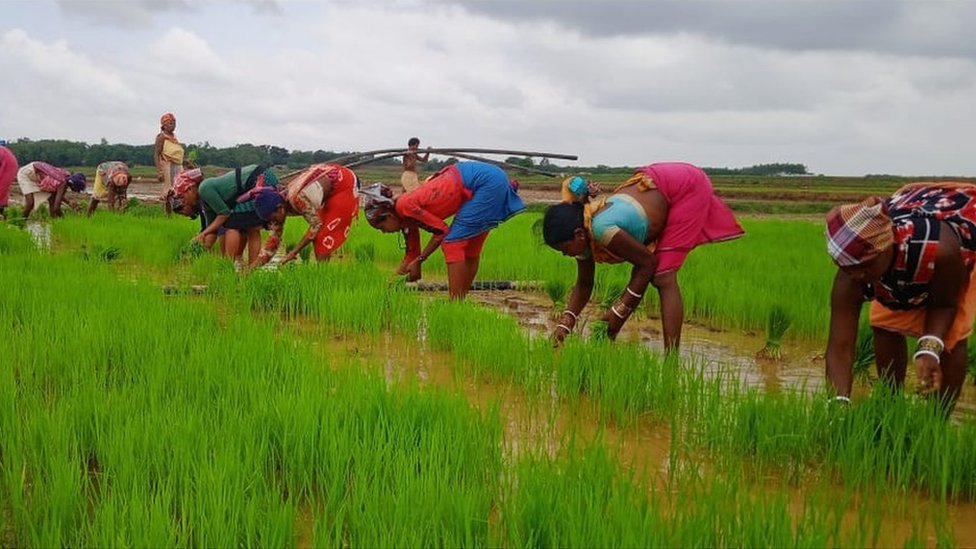

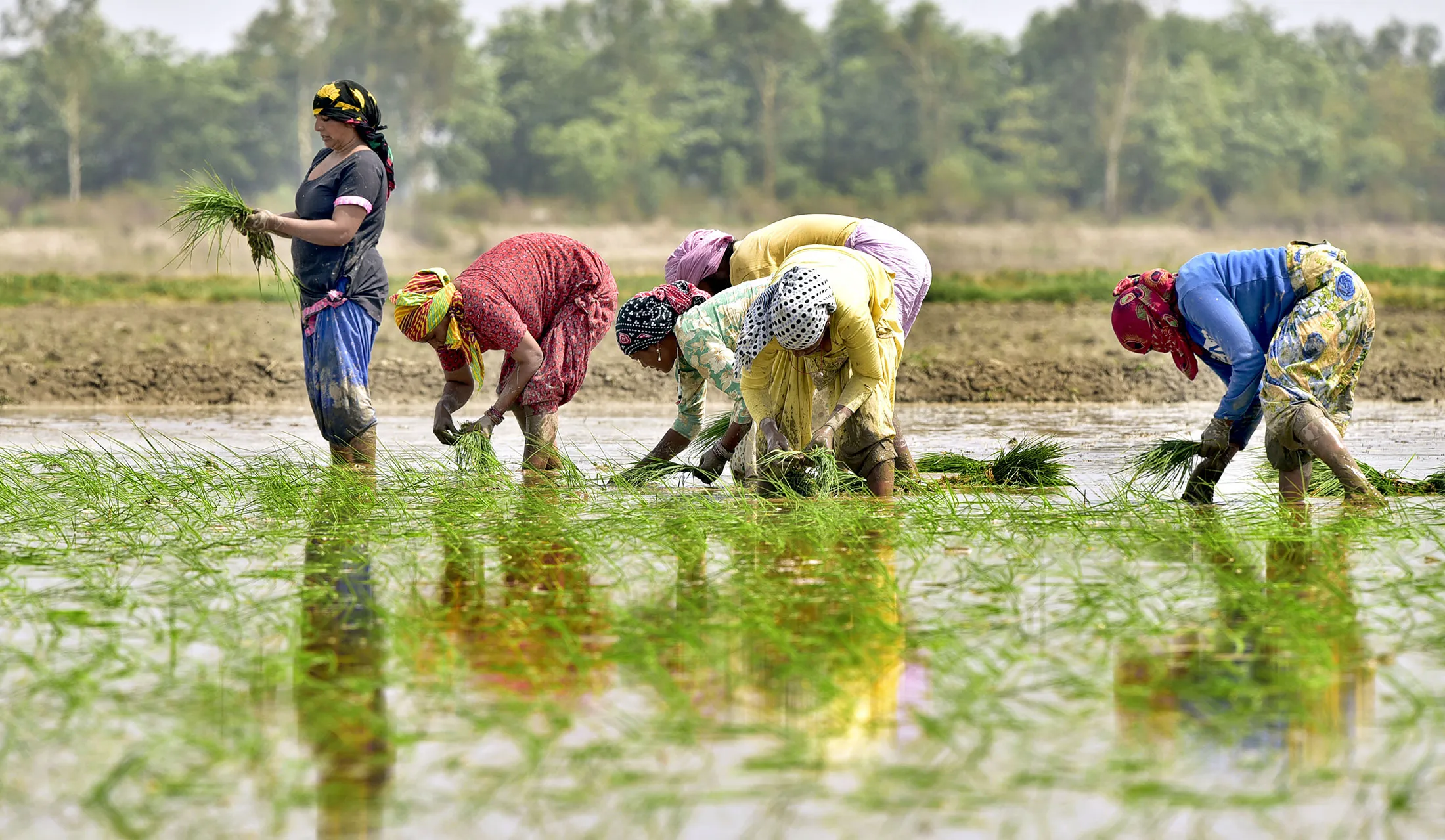
The primary sector involves agriculture, forestry, fishing, and mining. Agriculture plays a vital role as it provides employment to a large portion of the population.
Major crops include:
- Rice
- Wheat
- Sugarcane
- Cotton
- Tea
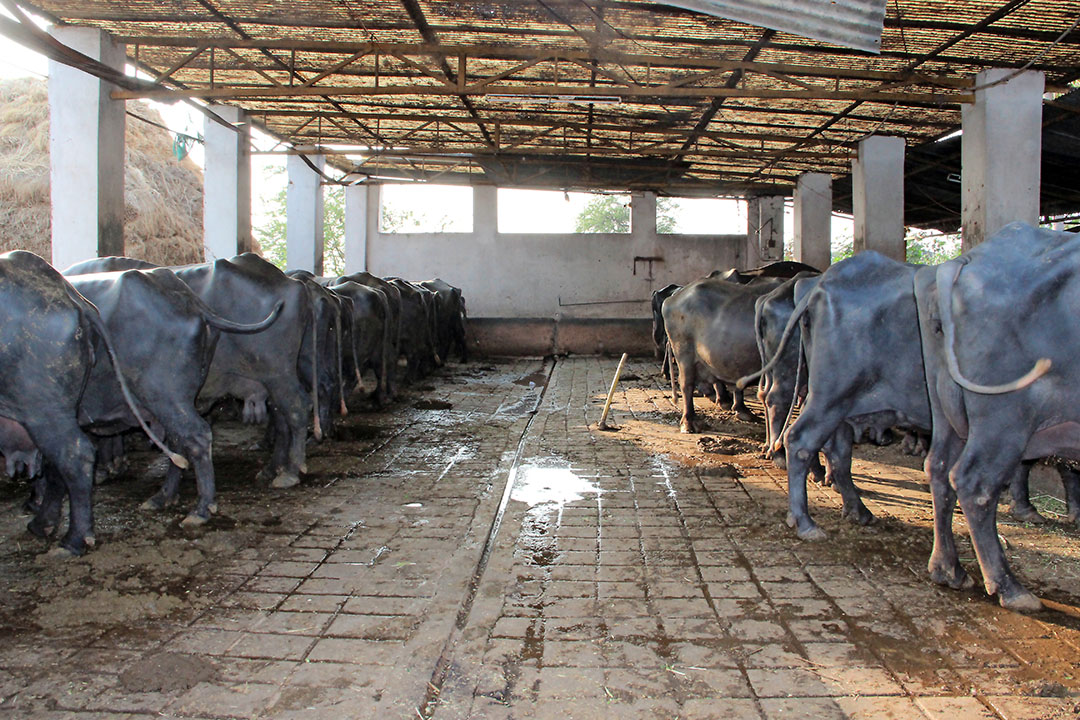
India is one of the largest producers of milk, pulses, and spices in the world. The Green Revolution of the 1960s increased food grain production significantly. However, agriculture still faces challenges such as dependence on monsoons, small landholdings, and low productivity.
2. Secondary Sector (Industry)
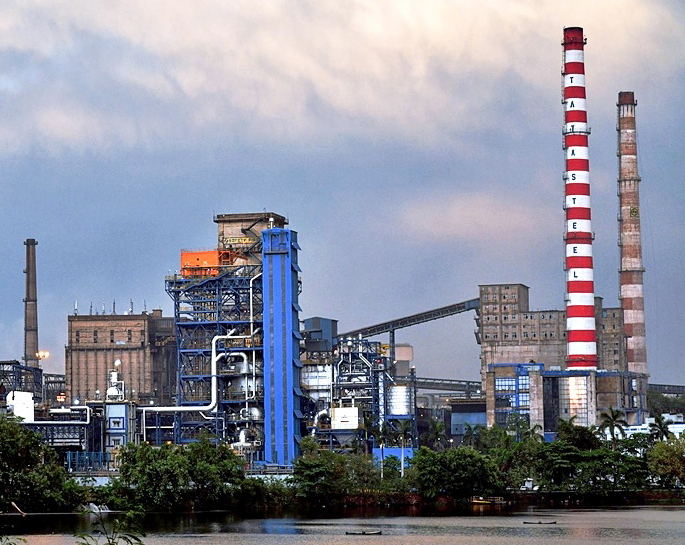
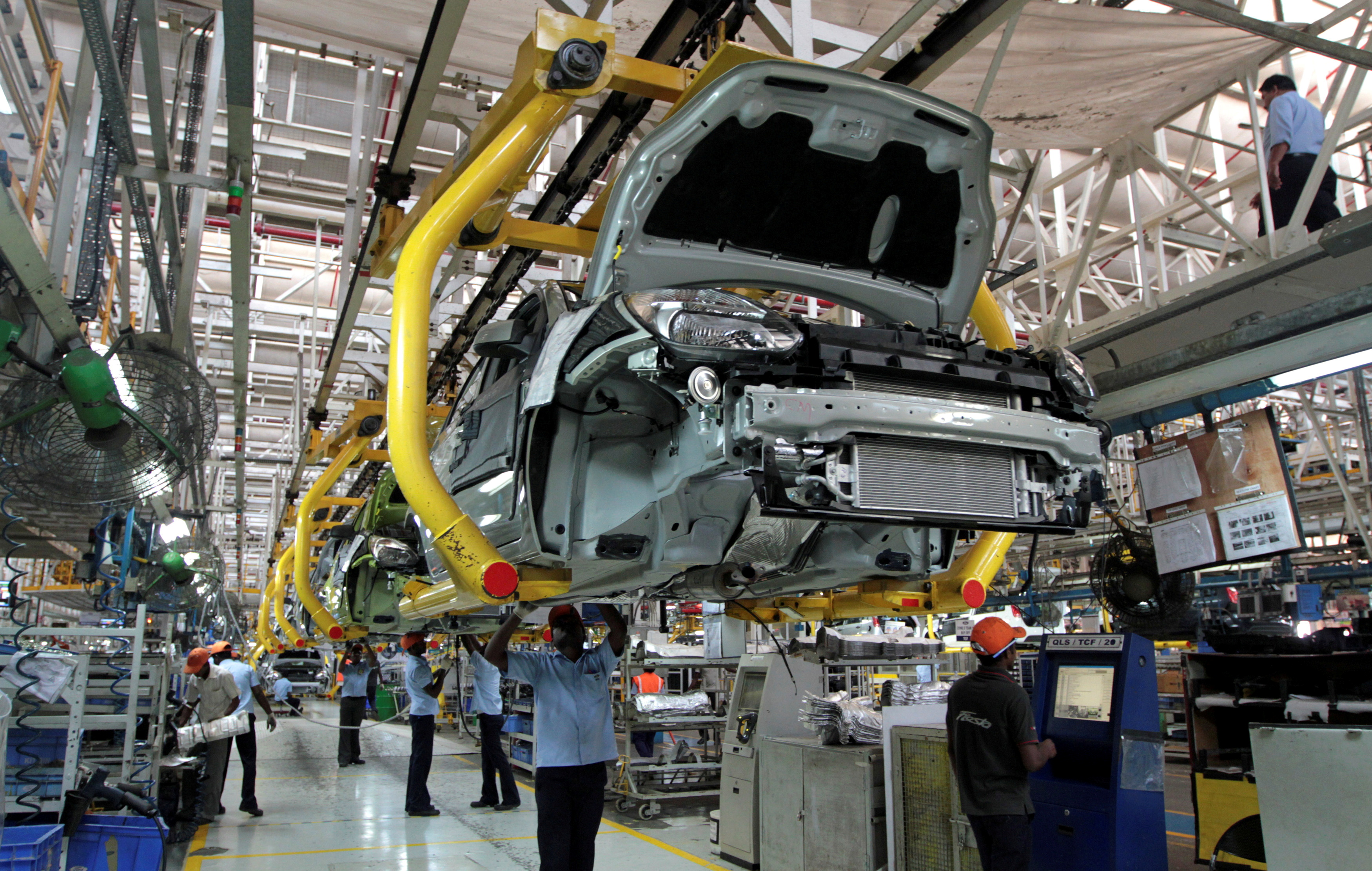

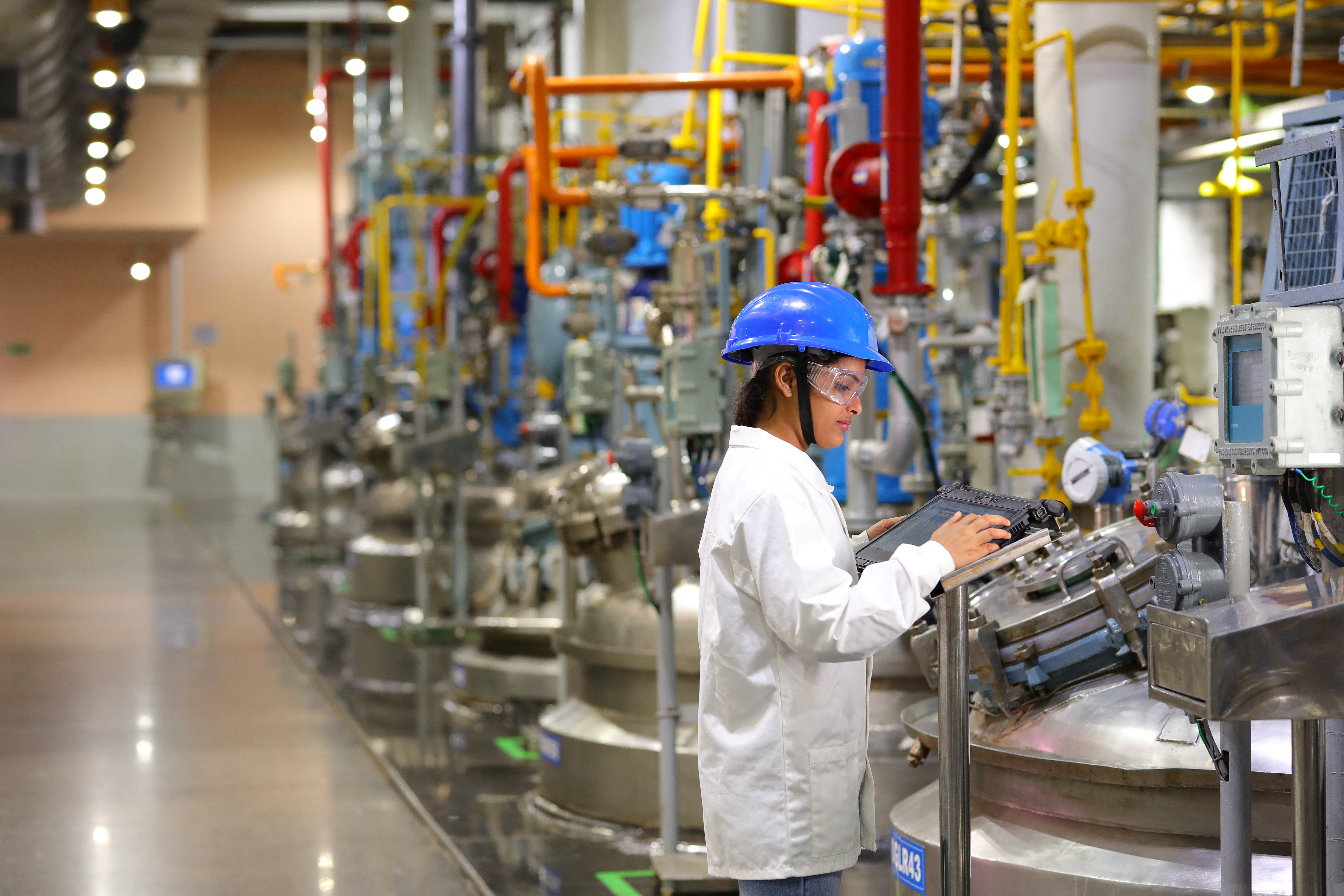
The secondary sector includes manufacturing, construction, and industrial production. Important industries in India include:
- Steel
- Textiles
- Automobiles
- Pharmaceuticals
- Cement
Companies like Tata Group have played a major role in industrial development. The government launched the “Make in India” initiative to boost manufacturing and attract foreign investment.
3. Tertiary Sector (Services)


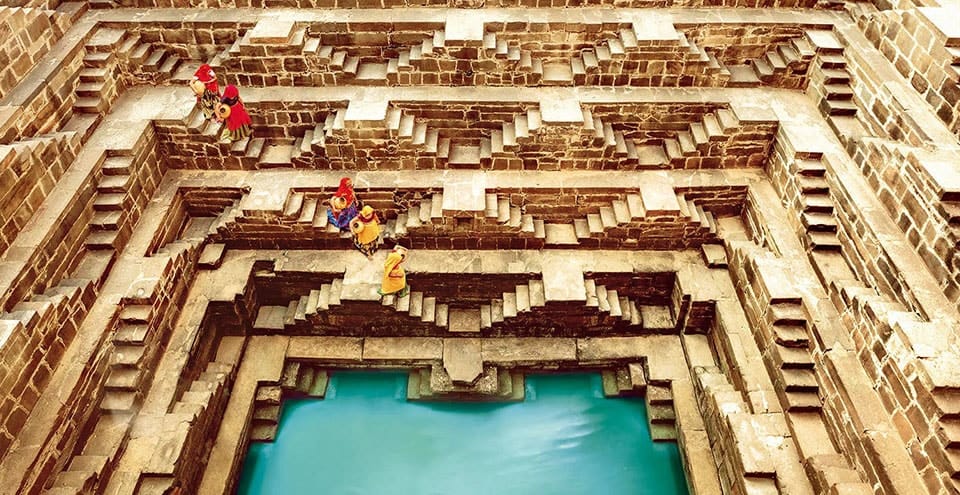
The service sector is the fastest-growing sector of the Indian economy. It includes:
- Banking
- Insurance
- Tourism
- Information Technology (IT)
- Education and Healthcare
India’s IT industry has gained global recognition. Companies like Infosys and Tata Consultancy Services provide services worldwide. The service sector contributes the largest share to India’s GDP.
Major Features of the Indian Economy
- Mixed Economy – Both public and private sectors operate.
- Developing Economy – Rapid growth but still facing development challenges.
- Large Population – Provides a vast labor force and market.
- Income Inequality – Unequal distribution of wealth.
- Agricultural Dependence – A significant population still depends on farming.
- Demographic Dividend – A young population offers growth opportunities.
Role of Government in Economic Development
The government plays an important role in:
- Policy formulation
- Infrastructure development
- Poverty alleviation programs
- Financial regulation
Institutions such as the Reserve Bank of India regulate monetary policy. The introduction of the Goods and Services Tax (GST) unified the indirect tax system across the country.
Government schemes like Digital India, Skill India, and Atmanirbhar Bharat aim to strengthen the economy.
Banking and Financial Sector
India has a well-developed banking system, including public sector banks, private banks, and cooperative banks. The Reserve Bank of India controls currency supply and interest rates.
Stock exchanges like the Bombay Stock Exchange and National Stock Exchange of India facilitate capital market operations.
The rise of digital payments through UPI has transformed financial transactions in India.
Foreign Trade and Global Position
India participates actively in global trade. Major exports include:
- IT services
- Petroleum products
- Pharmaceuticals
- Textiles
- Gems and jewelry
Major trading partners include the USA, China, and the European Union.
India is also a member of international organizations like:
- World Trade Organization
- International Monetary Fund
- World Bank
Foreign Direct Investment (FDI) has increased significantly after economic reforms.
Poverty and Unemployment
Despite growth, poverty remains a major challenge. The government has implemented schemes such as:
- MGNREGA
- Public Distribution System (PDS)
- Pradhan Mantri Awas Yojana
Unemployment, especially among youth, is another issue. Skill development programs aim to improve employability.
Infrastructure Development
Infrastructure plays a key role in economic growth. India has improved:
- Roadways (National Highways)
- Railways (including metro systems)
- Airports
- Ports
- Digital infrastructure
Projects like Bharatmala and Sagarmala aim to enhance connectivity.
Digital Economy and Startups
India is rapidly becoming a digital economy. The introduction of Aadhaar, UPI, and Digital India has increased transparency and efficiency.
India is one of the largest startup ecosystems globally. Cities like Bengaluru, Mumbai, and Delhi are startup hubs.
Challenges Facing the Indian Economy
- Population pressure
- Unemployment
- Inflation
- Rural-urban divide
- Environmental degradation
- Agricultural distress
- Global economic uncertainties
Addressing these challenges is crucial for sustainable development.
Future Prospects of the Indian Economy
India has strong growth potential due to:
- Young workforce
- Expanding middle class
- Technological advancement
- Increasing foreign investment
- Strong domestic market
With proper policy implementation, India can become a developed nation in the coming decades. Focus on education, innovation, green energy, and inclusive growth will determine its success.
Conclusion
The Indian economy has undergone significant transformation since independence. From a slow-growing, agriculture-dominated economy to a fast-growing, service-oriented one, India’s progress is commendable. The 1991 reforms opened the doors to globalization and rapid development. The service sector now drives growth, while agriculture and industry continue to support millions of livelihoods.
However, economic growth must be inclusive and sustainable. Issues like poverty, unemployment, and inequality require urgent attention. Infrastructure development, digital transformation, and policy reforms are paving the way for progress. The role of institutions like the Reserve Bank of India and global organizations like the IMF and WTO remains crucial in maintaining economic stability.
India stands at a crucial juncture. With its demographic advantage, technological capabilities, and reform-oriented policies, the country has the potential to become one of the leading economies of the world. If growth is balanced with social justice and environmental sustainability, the Indian economy will not only grow in size but also in quality and equity.
In conclusion, the Indian economy reflects resilience, diversity, and dynamism. Its journey from colonial exploitation to global prominence is inspiring. The coming decades will determine whether India can transform its potential into lasting prosperity for all its citizens.
🇮🇳 Indian Economy – 100 MCQs with Answers
1–20: Basic Concepts
- The Indian economy is best described as:
A) Capitalist
B) Socialist
C) Mixed
D) Communist
Answer: C - The main objective of economic planning in India was:
A) Profit maximization
B) Self-reliance
C) Colonization
D) Privatization
Answer: B - India’s first Five-Year Plan was launched in:
A) 1947
B) 1950
C) 1951
D) 1956
Answer: C - The Planning Commission was replaced by:
A) RBI
B) NITI Aayog
C) SEBI
D) NABARD
Answer: B - The economic reforms in India were introduced in:
A) 1985
B) 1991
C) 2000
D) 1975
Answer: B - LPG stands for:
A) Liberalization, Privatization, Globalization
B) Local Production Growth
C) Legal Policy Growth
D) Labour Public Growth
Answer: A - The central bank of India is:
A) SBI
B) NABARD
C) RBI
D) SEBI
Answer: C - GDP stands for:
A) Gross Domestic Product
B) General Domestic Production
C) Global Development Product
D) Gross Development Plan
Answer: A - Agriculture belongs to which sector?
A) Primary
B) Secondary
C) Tertiary
D) Quaternary
Answer: A - Manufacturing sector belongs to:
A) Primary
B) Secondary
C) Tertiary
D) Service
Answer: B - IT industry belongs to:
A) Primary
B) Secondary
C) Tertiary
D) Agricultural
Answer: C - Green Revolution is associated with:
A) Industrial growth
B) Agricultural growth
C) IT sector
D) Banking sector
Answer: B - The Hindu Rate of Growth was approximately:
A) 1%
B) 3–4%
C) 7–8%
D) 10%
Answer: B - Liberalization means:
A) More restrictions
B) Removal of restrictions
C) Nationalization
D) Tax increase
Answer: B - Privatization means:
A) Increase public control
B) Transfer to private sector
C) Remove trade
D) Close industries
Answer: B - Globalization refers to:
A) Local trade
B) Isolation
C) Integration with world economy
D) Nationalization
Answer: C - The largest sector contributing to India’s GDP is:
A) Agriculture
B) Industry
C) Services
D) Mining
Answer: C - MGNREGA provides:
A) Education
B) Healthcare
C) Employment
D) Pension
Answer: C - Inflation means:
A) Fall in prices
B) Rise in prices
C) Rise in income
D) Fall in GDP
Answer: B - Per capita income means:
A) National income
B) Income per person
C) Tax per person
D) Bank deposit
Answer: B
21–40: Banking & Financial Sector
- RBI was established in:
A) 1935
B) 1947
C) 1950
D) 1969
Answer: A - The headquarters of RBI is in:
A) Delhi
B) Mumbai
C) Kolkata
D) Chennai
Answer: B - BSE stands for:
A) Bombay Stock Exchange
B) Bharat Stock Exchange
C) Business Stock Exchange
D) Bank Stock Exchange
Answer: A - NSE stands for:
A) National Stock Exchange
B) New Stock Exchange
C) National Service Exchange
D) None
Answer: A - SEBI regulates:
A) Banks
B) Agriculture
C) Stock Market
D) Insurance
Answer: C - Repo rate is decided by:
A) SBI
B) RBI
C) NABARD
D) SEBI
Answer: B - UPI is related to:
A) Agriculture
B) Digital payments
C) Railways
D) Banking loans
Answer: B - GST was implemented in:
A) 2015
B) 2016
C) 2017
D) 2018
Answer: C - NABARD is related to:
A) Agriculture and rural development
B) Industry
C) IT
D) Tourism
Answer: A - Demonetization happened in:
A) 2014
B) 2015
C) 2016
D) 2017
Answer: C - Fiscal policy is related to:
A) Taxes and expenditure
B) Interest rates
C) Banking
D) Inflation only
Answer: A - Monetary policy is controlled by:
A) Government
B) RBI
C) SEBI
D) Banks
Answer: B - FDI stands for:
A) Foreign Direct Investment
B) Financial Domestic Investment
C) Foreign Development Income
D) Fiscal Direct Income
Answer: A - Balance of Payments records:
A) Domestic trade
B) International transactions
C) Taxes
D) GDP
Answer: B - IMF stands for:
A) Indian Monetary Fund
B) International Monetary Fund
C) Internal Money Fund
D) None
Answer: B - World Bank provides:
A) Military support
B) Financial assistance
C) Education only
D) Trade license
Answer: B - WTO deals with:
A) Health
B) Trade
C) Defense
D) Tourism
Answer: B - Capital market deals with:
A) Short-term funds
B) Long-term funds
C) Agriculture
D) Industry only
Answer: B - Money market deals with:
A) Long-term loans
B) Short-term funds
C) Shares
D) Bonds only
Answer: B - Direct tax example:
A) GST
B) Excise
C) Income Tax
D) VAT
Answer: C
41–60: Agriculture & Industry
- Green Revolution started in:
A) 1950s
B) 1960s
C) 1970s
D) 1980s
Answer: B - Father of Green Revolution in India:
A) M.S. Swaminathan
B) Verghese Kurien
C) Amartya Sen
D) C. Rangarajan
Answer: A - White Revolution is related to:
A) Rice
B) Milk
C) Wheat
D) Cotton
Answer: B - Operation Flood is associated with:
A) Wheat
B) Milk
C) Tea
D) Jute
Answer: B - Make in India was launched in:
A) 2012
B) 2013
C) 2014
D) 2015
Answer: C - MSME stands for:
A) Medium Small Micro Enterprises
B) Micro Small Medium Enterprises
C) Main Sector Medium Enterprises
D) None
Answer: B - Industrial policy resolution was first introduced in:
A) 1948
B) 1956
C) 1991
D) 2000
Answer: A - PSU means:
A) Public Sector Undertaking
B) Private Sector Unit
C) Public Service Unit
D) None
Answer: A - Disinvestment means:
A) Buying shares
B) Selling government stake
C) Closing industry
D) Increasing tax
Answer: B - Startup India was launched in:
A) 2014
B) 2015
C) 2016
D) 2017
Answer: C
61–100: Miscellaneous & Advanced
- Human Development Index measures:
A) Income only
B) Health, education, income
C) GDP
D) Population
Answer: B - Poverty line is defined by:
A) SEBI
B) RBI
C) Government
D) IMF
Answer: C - Inflation is measured by:
A) CPI
B) GDP
C) BOP
D) FDI
Answer: A - Unemployment rate measures:
A) Employed people
B) Jobless people
C) GDP
D) Income
Answer: B - Service tax is now included in:
A) VAT
B) GST
C) Excise
D) Customs
Answer: B - Economic Survey is presented by:
A) RBI
B) Finance Minister
C) President
D) SEBI
Answer: B - Budget is presented annually in:
A) January
B) February
C) March
D) April
Answer: B - National income is calculated by:
A) RBI
B) SEBI
C) NSO
D) SBI
Answer: C - Atmanirbhar Bharat aims at:
A) Globalization
B) Self-reliance
C) Privatization
D) Nationalization
Answer: B - Digital India promotes:
A) Agriculture
B) Digital services
C) Textile
D) Mining
Answer: B
- Primary sector mainly depends on: A) Nature ✔
- Secondary sector transforms: A) Raw materials ✔
- Tertiary sector provides: A) Services ✔
- Inflation reduces: A) Purchasing power ✔
- Fiscal deficit occurs when: A) Expenditure > Revenue ✔
- Direct tax is paid by: A) Individual ✔
- Indirect tax is paid by: A) Consumer ✔
- Per capita income indicates: A) Standard of living ✔
- GDP growth shows: A) Economic performance ✔
- SEZ means: A) Special Economic Zone ✔
- Trade deficit means: A) Imports > Exports ✔
- Capitalism supports: A) Private ownership ✔
- Socialism supports: A) Public ownership ✔
- Mixed economy combines: A) Both systems ✔
- Economic planning aims at: A) Growth ✔
- Liberalization reduces: A) Controls ✔
- Globalization increases: A) Foreign trade ✔
- Privatization improves: A) Efficiency ✔
- Agriculture provides: A) Employment ✔
- Industry creates: A) Goods ✔
- Services sector grows due to: A) IT ✔
- RBI controls: A) Money supply ✔
- GST is a: A) Indirect tax ✔
- Economic reforms improved: A) Growth ✔
- Inflation affects: A) Poor people ✔
- Poverty alleviation reduces: A) Inequality ✔
- Infrastructure includes: A) Roads ✔
- FDI brings: A) Capital ✔
- Human capital means: A) Skilled people ✔
- Sustainable development ensures: A) Future growth ✔
🇮🇳 Indian Economy – 100 Very Short Questions with Answers
1–20: Basic Concepts
- What type of economy does India have?
Answer: India has a mixed economy. - When did India gain independence?
Answer: India gained independence in 1947. - What is GDP?
Answer: Gross Domestic Product measures total value of goods and services. - What is per capita income?
Answer: Income earned per person in a country. - What is economic planning?
Answer: Government strategy for economic development and growth. - When was the first Five-Year Plan launched?
Answer: In 1951. - What are the three sectors of the economy?
Answer: Primary, Secondary, and Tertiary sectors. - What is liberalization?
Answer: Removal of government restrictions on businesses. - What is privatization?
Answer: Transfer of public sector enterprises to private ownership. - What is globalization?
Answer: Integration of domestic economy with global markets. - What is inflation?
Answer: Continuous rise in general price level. - What is unemployment?
Answer: Condition when people willing to work cannot find jobs. - What is poverty line?
Answer: Minimum income required to meet basic needs. - What is national income?
Answer: Total income earned by a country’s residents. - What is fiscal deficit?
Answer: When government expenditure exceeds revenue. - What is revenue?
Answer: Income earned by the government. - What is capital market?
Answer: Market for long-term financial securities. - What is money market?
Answer: Market for short-term financial instruments. - What is sustainable development?
Answer: Development without harming future generations. - What is demographic dividend?
Answer: Economic growth from a large working-age population.
21–40: Banking & Finance
- What is the central bank of India?
Answer: Reserve Bank of India. - When was RBI established?
Answer: In 1935. - What does RBI control?
Answer: Money supply and monetary policy. - What is repo rate?
Answer: Rate at which RBI lends to banks. - What is GST?
Answer: Goods and Services Tax, a unified indirect tax. - When was GST implemented?
Answer: In 2017. - What is direct tax?
Answer: Tax paid directly to government, like income tax. - What is indirect tax?
Answer: Tax collected through intermediaries, like GST. - What is FDI?
Answer: Foreign Direct Investment from other countries. - What is BOP?
Answer: Balance of Payments record of international transactions. - What is SEBI?
Answer: Regulator of Indian stock markets. - What is UPI?
Answer: Digital payment system for instant money transfer. - What is inflation measured by?
Answer: Consumer Price Index (CPI). - What is disinvestment?
Answer: Selling government shares in public enterprises. - What is budget?
Answer: Annual financial statement of government income and expenditure. - What is economic survey?
Answer: Annual review of India’s economic performance. - What is bank nationalization?
Answer: Government takeover of private banks. - What is credit?
Answer: Loan given by banks to borrowers. - What is saving?
Answer: Income not spent but kept for future use. - What is investment?
Answer: Spending money to earn future returns.
41–60: Agriculture & Industry
- Which sector includes agriculture?
Answer: Primary sector. - What was the Green Revolution?
Answer: Increase in agricultural production using HYV seeds. - Who led Green Revolution in India?
Answer: M. S. Swaminathan. - What is White Revolution?
Answer: Growth of milk production in India. - What is Operation Flood?
Answer: Dairy development program. - What is MSME?
Answer: Micro, Small and Medium Enterprises. - What is Make in India?
Answer: Initiative to boost manufacturing. - What is industrialization?
Answer: Development of industries in an economy. - What is urbanization?
Answer: Growth of population in urban areas. - What is rural economy?
Answer: Economic activities in villages. - What is agricultural subsidy?
Answer: Government financial support to farmers. - What is crop insurance?
Answer: Insurance protecting farmers from crop loss. - What is irrigation?
Answer: Artificial supply of water to crops. - What is productivity?
Answer: Output produced per unit input. - What is labor force?
Answer: People working or seeking work. - What is capital?
Answer: Wealth used to produce more wealth. - What is entrepreneurship?
Answer: Ability to organize and run a business. - What is startup?
Answer: Newly established innovative business. - What is infrastructure?
Answer: Basic facilities like roads, power, transport. - What is industrial policy?
Answer: Government strategy for industrial development.
61–80: Trade & Development
- What is export?
Answer: Selling goods to other countries. - What is import?
Answer: Buying goods from other countries. - What is trade deficit?
Answer: Imports exceed exports. - What is WTO?
Answer: World Trade Organization regulating global trade. - What is IMF?
Answer: International Monetary Fund providing financial support. - What is World Bank?
Answer: World Bank providing development loans. - What is HDI?
Answer: Human Development Index measuring health, education, income. - What is poverty alleviation?
Answer: Measures to reduce poverty. - What is economic growth?
Answer: Increase in GDP over time. - What is economic development?
Answer: Growth with improvement in living standards. - What is service sector?
Answer: Sector providing services instead of goods. - What is industrial sector?
Answer: Sector producing manufactured goods. - What is primary sector?
Answer: Sector using natural resources. - What is inflation rate?
Answer: Percentage rise in prices. - What is unemployment rate?
Answer: Percentage of jobless labor force. - What is capital formation?
Answer: Increase in capital stock. - What is skill development?
Answer: Training to improve employability. - What is public sector?
Answer: Enterprises owned by government. - What is private sector?
Answer: Enterprises owned by individuals. - What is cooperative sector?
Answer: Enterprises owned by members jointly.
81–100: Miscellaneous
- What is economic reform?
Answer: Policy change to improve economy. - What is liberal economy?
Answer: Economy with minimal government control. - What is planned economy?
Answer: Economy controlled by government planning. - What is mixed economy?
Answer: Combination of public and private sectors. - What is financial inclusion?
Answer: Access to banking for all citizens. - What is digital economy?
Answer: Economy based on digital transactions. - What is subsidy?
Answer: Government financial assistance. - What is taxation?
Answer: Government collection of revenue. - What is income inequality?
Answer: Unequal distribution of income. - What is rural development?
Answer: Improving living standards in villages. - What is urban development?
Answer: Improving city infrastructure and services. - What is self-reliance?
Answer: Reducing dependence on imports. - What is Atmanirbhar Bharat?
Answer: Initiative promoting self-reliant India. - What is labor-intensive industry?
Answer: Industry using more human labor. - What is capital-intensive industry?
Answer: Industry using more machinery and capital. - What is public debt?
Answer: Government borrowing from public. - What is fiscal policy?
Answer: Government policy on taxes and spending. - What is monetary policy?
Answer: RBI policy controlling money supply. - What is economic stability?
Answer: Steady growth without major fluctuations. - What is inclusive growth?
Answer: Growth benefiting all sections of society.
🇮🇳 Indian Economy – 30 Short Answer Questions with Answers
1. What is a mixed economy?
A mixed economy combines features of capitalism and socialism. In India, both the government and private sector operate businesses. The public sector controls essential services, while private enterprises run profit-oriented activities, ensuring balanced economic development.
2. What were the objectives of Five-Year Plans?
The Five-Year Plans aimed at economic growth, poverty reduction, self-reliance, modernization, and employment generation. They focused on agriculture, industry, infrastructure, and social welfare to strengthen India’s economy after independence.
3. What were the 1991 Economic Reforms?
The 1991 reforms introduced Liberalization, Privatization, and Globalization (LPG). They reduced government control, encouraged private investment, opened markets to foreign trade, and improved economic efficiency after a balance of payments crisis.
4. What is GDP and why is it important?
Gross Domestic Product (GDP) measures the total value of goods and services produced in a country. It indicates economic performance and growth. A higher GDP reflects a stronger economy and better living standards.
5. Explain the primary sector in India.
The primary sector involves activities related to natural resources like agriculture, fishing, forestry, and mining. It provides raw materials and employment to a large population, especially in rural areas.
6. Describe the role of the service sector in India.
The service sector includes banking, IT, tourism, education, and healthcare. It contributes the largest share to India’s GDP and generates employment, especially in urban areas, making it the fastest-growing sector.
7. What is inflation and its impact?
Inflation is the continuous rise in general price levels. It reduces purchasing power, affects savings, and creates uncertainty in the economy. Moderate inflation supports growth, but high inflation harms consumers.
8. What is the role of the Reserve Bank of India?
The Reserve Bank of India regulates the country’s monetary policy, controls money supply, issues currency, and supervises banks. It ensures financial stability and controls inflation through various policy tools.
9. What is fiscal policy?
Fiscal policy refers to government decisions regarding taxation and public expenditure. It is used to manage economic growth, control inflation, reduce unemployment, and stabilize the economy.
10. What is monetary policy?
Monetary policy is managed by the RBI to control money supply and credit conditions. Tools like repo rate, reverse repo rate, and open market operations help regulate inflation and economic stability.
11. What is the Green Revolution?
The Green Revolution was a program in the 1960s that increased agricultural production using high-yielding variety seeds, fertilizers, and irrigation. It made India self-sufficient in food grains.
12. What is the White Revolution?
The White Revolution focused on increasing milk production through Operation Flood. It made India one of the largest milk producers and improved rural incomes.
13. What is disinvestment?
Disinvestment refers to the sale of government shares in public sector enterprises to private investors. It aims to improve efficiency, reduce government burden, and generate revenue.
14. What is GST?
Goods and Services Tax (GST) is a unified indirect tax system introduced in 2017. It replaced multiple taxes, simplified taxation, and created a single national market.
15. What is FDI?
Foreign Direct Investment (FDI) occurs when foreign companies invest in Indian businesses. It brings capital, technology, and employment opportunities, promoting economic growth.
16. What is poverty and how is it measured?
Poverty refers to the inability to meet basic needs like food, shelter, and clothing. It is measured using the poverty line based on income or consumption expenditure.
17. What are MSMEs?
MSMEs (Micro, Small, and Medium Enterprises) are small-scale businesses that contribute significantly to employment, exports, and economic growth in India.
18. What is the importance of infrastructure?
Infrastructure includes roads, railways, electricity, and communication. It supports industrial growth, trade, and overall economic development by improving connectivity and productivity.
19. What is the demographic dividend?
Demographic dividend refers to economic growth resulting from a large working-age population. India benefits from a young workforce that can boost productivity and development.
20. What is unemployment?
Unemployment occurs when people who are willing and able to work cannot find jobs. It affects income levels and slows economic growth.
21. What is globalization?
Globalization is the integration of India’s economy with the global market through trade, investment, and technology exchange. It increases competition and economic opportunities.
22. What is capital formation?
Capital formation refers to the increase in physical assets like machinery, buildings, and infrastructure. It enhances production capacity and economic growth.
23. What is human capital?
Human capital means skilled and educated people who contribute to economic productivity. Investment in education and health improves human capital.
24. What is sustainable development?
Sustainable development means meeting present needs without harming future generations. It balances economic growth with environmental protection.
25. What is a trade deficit?
A trade deficit occurs when a country’s imports exceed its exports. It affects foreign exchange reserves and economic stability.
26. What is inclusive growth?
Inclusive growth ensures that economic benefits reach all sections of society, reducing poverty and inequality.
27. What is industrialization?
Industrialization is the development of industries in an economy. It increases production, employment, and economic growth.
28. What is urbanization?
Urbanization is the movement of people from rural to urban areas, leading to city growth and development.
29. What is Atmanirbhar Bharat?
Atmanirbhar Bharat is an initiative promoting self-reliance by strengthening domestic industries and reducing import dependence.
30. What are the main challenges of the Indian economy?
Major challenges include poverty, unemployment, inflation, income inequality, population growth, agricultural distress, and environmental degradation.
🇮🇳 Indian Economy – 15 Long Answer Questions with Answers
1. Explain the features of the Indian economy.
The Indian economy is a mixed economy where both public and private sectors operate together. It is one of the fastest-growing developing economies in the world. Agriculture still employs a large portion of the population, while the service sector contributes the highest share to GDP. India has a large population, which provides both challenges and opportunities in the form of demographic dividend. Income inequality, unemployment, and poverty remain major concerns. The economy has shown resilience through reforms, digitalization, and globalization. Government planning, economic reforms, and strong financial institutions have contributed significantly to development. Despite challenges, India continues to move toward sustainable and inclusive growth with expanding industrialization and infrastructure development.
2. Discuss the role of agriculture in the Indian economy.
Agriculture is the backbone of the Indian economy as it provides employment to a large section of the population, especially in rural areas. It supplies raw materials to industries such as textiles and food processing. Agriculture ensures food security and contributes to exports. The Green Revolution improved food grain production and reduced dependency on imports. However, agriculture faces challenges like small landholdings, dependence on monsoon, low productivity, and lack of modern technology. Government initiatives such as irrigation projects, crop insurance, and subsidies aim to support farmers. Modernization and diversification into allied activities like dairy and fisheries are essential for improving agricultural income and rural development.
3. Explain the 1991 Economic Reforms and their impact.
In 1991, India faced a severe balance of payments crisis, leading to the introduction of economic reforms under the LPG model—Liberalization, Privatization, and Globalization. Liberalization reduced government controls and licensing requirements. Privatization encouraged private sector participation and disinvestment in public enterprises. Globalization opened the Indian economy to foreign trade and investment. These reforms improved GDP growth, increased foreign direct investment, enhanced industrial productivity, and expanded the service sector, especially IT. However, they also led to challenges such as increased competition and income inequality. Overall, the reforms transformed India into a globally integrated and rapidly growing economy.
4. Describe the role of the Reserve Bank of India in economic development.
The Reserve Bank of India (RBI) is the central bank responsible for regulating monetary policy and maintaining financial stability. It controls money supply through tools like repo rate, reverse repo rate, and open market operations. RBI issues currency, supervises banks, and manages foreign exchange reserves. It plays a crucial role in controlling inflation and ensuring economic stability. By regulating credit and interest rates, RBI influences investment and consumption. It also promotes financial inclusion and digital payments. During economic crises, RBI adopts measures to stabilize markets. Thus, the RBI is vital in maintaining a sound financial system and supporting sustainable economic growth.
5. Explain the importance of the service sector in India.
The service sector is the largest contributor to India’s GDP. It includes banking, insurance, education, tourism, healthcare, and information technology. The rapid growth of IT companies has made India a global outsourcing hub. The sector generates significant employment, particularly in urban areas. It attracts foreign exchange through exports of IT and business services. The expansion of digital infrastructure has further boosted this sector. The service sector supports industrial and agricultural activities by providing essential services like transportation and finance. Its continuous growth has been a key driver of India’s economic progress and global competitiveness.
6. Discuss poverty and unemployment in India.
Poverty and unemployment are major challenges facing the Indian economy. Poverty refers to the inability to meet basic needs such as food, clothing, and shelter. Unemployment occurs when people willing to work cannot find suitable jobs. Rapid population growth and lack of skill development contribute to these problems. The government has introduced schemes like MGNREGA, skill development programs, and poverty alleviation initiatives to address these issues. Economic growth and industrialization create employment opportunities. Improving education, promoting entrepreneurship, and enhancing rural development are essential for reducing poverty and unemployment in India.
7. What is fiscal policy and its importance?
Fiscal policy refers to government decisions regarding taxation and public expenditure to influence economic conditions. It is used to control inflation, reduce unemployment, and stimulate growth. During recession, the government increases spending and reduces taxes to boost demand. In times of inflation, it may reduce expenditure or increase taxes. Fiscal policy also helps in redistributing income and promoting social welfare. Budget presentation is a major instrument of fiscal policy. Effective fiscal management ensures economic stability and sustainable development. Thus, fiscal policy plays a crucial role in maintaining balanced economic growth.
8. Explain monetary policy and its tools.
Monetary policy is formulated by the RBI to control money supply and credit in the economy. Its main objective is to maintain price stability and economic growth. Tools include repo rate, reverse repo rate, cash reserve ratio (CRR), and open market operations. By changing interest rates, RBI influences borrowing and spending patterns. During inflation, it increases rates to reduce money supply. During recession, it lowers rates to encourage investment. Monetary policy helps in controlling inflation, stabilizing currency, and promoting financial discipline. It is essential for maintaining macroeconomic stability in India.
9. Discuss the importance of infrastructure development.
Infrastructure includes roads, railways, airports, electricity, communication, and ports. It forms the backbone of economic growth by facilitating trade, transportation, and industrial development. Good infrastructure reduces production costs and improves efficiency. It attracts foreign investment and enhances connectivity between rural and urban areas. Government initiatives like highway expansion and metro projects improve mobility. Digital infrastructure has strengthened online services and financial inclusion. Strong infrastructure is necessary for balanced regional development and economic competitiveness. Therefore, investment in infrastructure is crucial for long-term growth and development.
10. Explain globalization and its effects on India.
Globalization refers to the integration of India’s economy with global markets through trade, investment, and technology exchange. It has increased exports, foreign direct investment, and technological advancement. Indian companies now compete globally, especially in IT and pharmaceuticals. Consumers benefit from a wider variety of goods and services. However, globalization also increases competition for domestic industries and may widen income inequality. It exposes the economy to global financial risks. Overall, globalization has accelerated economic growth but requires careful regulation to protect domestic interests.
11. What is inclusive growth and why is it important?
Inclusive growth ensures that economic benefits are shared among all sections of society, including the poor and marginalized. It focuses on reducing poverty, unemployment, and income inequality. Inclusive policies improve access to education, healthcare, and employment opportunities. Government schemes for rural development and financial inclusion promote equitable growth. Without inclusion, economic growth may benefit only a few. Inclusive growth strengthens social harmony and sustainable development. Therefore, balanced development is necessary to ensure long-term prosperity for all citizens.
12. Discuss the importance of MSMEs in India.
MSMEs (Micro, Small, and Medium Enterprises) play a vital role in employment generation and industrial growth. They contribute significantly to exports and GDP. MSMEs promote entrepreneurship and regional development, especially in rural and semi-urban areas. They require less capital and provide large employment opportunities. Government support through loans, subsidies, and skill programs helps them grow. Despite challenges like limited access to finance and competition, MSMEs remain the backbone of India’s industrial sector. Strengthening MSMEs is essential for economic stability and inclusive growth.
13. Explain the concept of sustainable development in India.
Sustainable development means meeting present needs without compromising the ability of future generations to meet theirs. It balances economic growth with environmental protection. Rapid industrialization and urbanization have increased pollution and resource depletion. India promotes renewable energy, afforestation, and eco-friendly practices to ensure sustainability. Government policies focus on clean energy and waste management. Sustainable development ensures long-term economic stability, environmental conservation, and improved quality of life. It is essential for maintaining ecological balance while achieving economic progress.
14. Discuss the challenges facing the Indian economy.
The Indian economy faces several challenges including poverty, unemployment, inflation, income inequality, and population growth. Agricultural distress and dependence on monsoon create instability. Environmental degradation and climate change pose risks to sustainable development. Global economic uncertainties also impact trade and investment. Infrastructure gaps and skill shortages limit productivity. Addressing these challenges requires policy reforms, investment in education and technology, and inclusive growth strategies. With proper planning and implementation, India can overcome these obstacles and sustain its growth momentum.
15. Explain the future prospects of the Indian economy.
India has strong growth potential due to its young population, expanding middle class, and technological advancement. Increasing foreign investment and digital transformation support development. Government initiatives promoting manufacturing, startups, and self-reliance strengthen economic resilience. Infrastructure expansion and financial inclusion further boost growth. If India focuses on skill development, innovation, and sustainable practices, it can become one of the world’s leading economies. Balanced and inclusive growth will ensure long-term prosperity and global competitiveness.
🇮🇳 Indian Economy – 50 Assertion–Reason Questions with Answers
Directions:
A) Both A and R are true and R is the correct explanation of A.
B) Both A and R are true but R is not the correct explanation of A.
C) A is true but R is false.
D) A is false but R is true.
1.
Assertion (A): India follows a mixed economy.
Reason (R): Both public and private sectors operate in India.
Answer: A
2.
Assertion (A): Agriculture is important for India.
Reason (R): It employs a large portion of the population.
Answer: A
3.
Assertion (A): The service sector contributes the highest share to India’s GDP.
Reason (R): IT and banking sectors have grown rapidly.
Answer: A
4.
Assertion (A): The 1991 reforms increased foreign investment.
Reason (R): Liberalization reduced government restrictions.
Answer: A
5.
Assertion (A): Inflation reduces purchasing power.
Reason (R): Prices of goods and services rise continuously.
Answer: A
6.
Assertion (A): Fiscal policy is controlled by RBI.
Reason (R): It deals with taxation and government spending.
Answer: D
7.
Assertion (A): Monetary policy controls money supply.
Reason (R): It is implemented by the Reserve Bank of India.
Answer: A
8.
Assertion (A): GST created a single national market.
Reason (R): It replaced multiple indirect taxes.
Answer: A
9.
Assertion (A): Disinvestment improves efficiency.
Reason (R): Private ownership increases accountability.
Answer: A
10.
Assertion (A): Poverty reduces economic growth.
Reason (R): Poor people have limited purchasing power.
Answer: A
11.
Assertion (A): Green Revolution increased food grain production.
Reason (R): High-yielding variety seeds were introduced.
Answer: A
12.
Assertion (A): White Revolution improved milk production.
Reason (R): Operation Flood promoted dairy cooperatives.
Answer: A
13.
Assertion (A): FDI brings capital and technology.
Reason (R): Foreign companies invest directly in businesses.
Answer: A
14.
Assertion (A): Trade deficit occurs when exports exceed imports.
Reason (R): Imports are greater than exports.
Answer: D
15.
Assertion (A): Infrastructure development boosts economic growth.
Reason (R): It improves connectivity and productivity.
Answer: A
16.
Assertion (A): Inclusive growth reduces inequality.
Reason (R): It ensures benefits reach all sections of society.
Answer: A
17.
Assertion (A): MSMEs generate large employment.
Reason (R): They require less capital and are labor-intensive.
Answer: A
18.
Assertion (A): Sustainable development protects the environment.
Reason (R): It balances growth with environmental care.
Answer: A
19.
Assertion (A): Repo rate increase reduces inflation.
Reason (R): Borrowing becomes costlier.
Answer: A
20.
Assertion (A): Economic growth always ensures development.
Reason (R): Development includes improvement in living standards.
Answer: C
21.
Assertion (A): Urbanization increases demand for services.
Reason (R): More people shift to cities.
Answer: A
22.
Assertion (A): National income measures total earnings of citizens.
Reason (R): It includes value of goods and services produced.
Answer: B
23.
Assertion (A): Direct taxes are progressive.
Reason (R): Higher income groups pay higher tax rates.
Answer: A
24.
Assertion (A): Indirect taxes affect all consumers equally.
Reason (R): They are included in prices of goods.
Answer: A
25.
Assertion (A): Atmanirbhar Bharat promotes self-reliance.
Reason (R): It reduces dependence on imports.
Answer: A
26.
Assertion (A): Service sector depends on agriculture.
Reason (R): Agriculture provides raw materials.
Answer: B
27.
Assertion (A): Capital formation increases production capacity.
Reason (R): It increases stock of machinery and equipment.
Answer: A
28.
Assertion (A): Human capital improves productivity.
Reason (R): Education and skills enhance efficiency.
Answer: A
29.
Assertion (A): High inflation benefits fixed-income earners.
Reason (R): Their purchasing power increases.
Answer: D
30.
Assertion (A): Economic planning was adopted after independence.
Reason (R): It aimed to ensure balanced development.
Answer: A
31.
Assertion (A): Globalization increases competition.
Reason (R): Foreign companies enter domestic markets.
Answer: A
32.
Assertion (A): Poverty alleviation programs improve living standards.
Reason (R): They provide employment and basic facilities.
Answer: A
33.
Assertion (A): Banking sector supports economic growth.
Reason (R): It provides credit to businesses.
Answer: A
34.
Assertion (A): Population growth can be an advantage.
Reason (R): Large workforce creates demographic dividend.
Answer: A
35.
Assertion (A): Fiscal deficit leads to borrowing.
Reason (R): Government expenditure exceeds revenue.
Answer: A
36.
Assertion (A): Industrialization increases employment.
Reason (R): Industries produce goods and services.
Answer: B
37.
Assertion (A): Digital economy promotes transparency.
Reason (R): Digital transactions reduce cash dealings.
Answer: A
38.
Assertion (A): Cooperative sector supports rural development.
Reason (R): It is owned and managed by members.
Answer: B
39.
Assertion (A): High unemployment slows economic growth.
Reason (R): Productive resources remain unused.
Answer: A
40.
Assertion (A): Exports increase foreign exchange reserves.
Reason (R): They bring income from other countries.
Answer: A
41.
Assertion (A): Public sector enterprises aim only at profit.
Reason (R): They focus on social welfare also.
Answer: D
42.
Assertion (A): Monetary policy affects interest rates.
Reason (R): RBI changes repo rate.
Answer: A
43.
Assertion (A): Inclusive growth strengthens social stability.
Reason (R): It reduces inequality and poverty.
Answer: A
44.
Assertion (A): Environmental degradation harms economy.
Reason (R): It reduces natural resource availability.
Answer: A
45.
Assertion (A): Capital-intensive industries employ more labor.
Reason (R): They use more machines than labor.
Answer: D
46.
Assertion (A): Economic Survey is presented before the Budget.
Reason (R): It reviews the previous year’s performance.
Answer: A
47.
Assertion (A): Imports help meet domestic shortages.
Reason (R): Countries cannot produce all goods.
Answer: A
48.
Assertion (A): Skill development reduces unemployment.
Reason (R): Skilled workers are more employable.
Answer: A
49.
Assertion (A): Inflation can reduce savings.
Reason (R): Value of money decreases over time.
Answer: A
50.
Assertion (A): Balanced regional development is important.
Reason (R): It reduces economic disparities between states.
Answer: A



Leave a Reply