


Meta Description
Internal Trade Class 11 BST notes, summary, MCQs, keywords, and important questions. Simple exam-oriented explanation of wholesale and retail trade.
Introduction of Internal Trade (Class 11 BST)
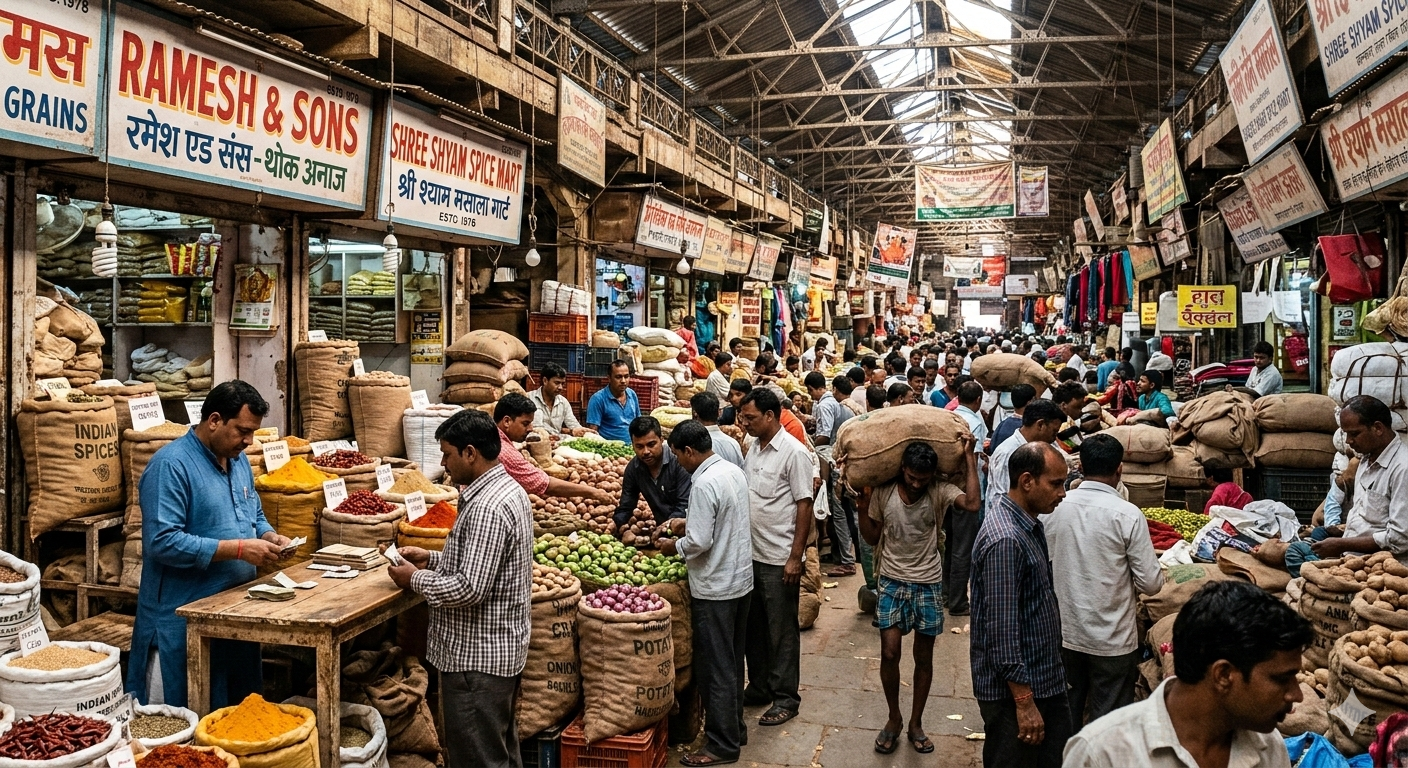
The chapter Internal Trade in Class 11 Business Studies explains the buying and selling of goods and services within the boundaries of a country. Internal trade plays an important role in connecting producers and consumers and ensures the smooth flow of goods in the market.
In the Internal Trade Class 11 BST chapter, students learn about the meaning, types, and functions of internal trade. It mainly includes wholesale trade and retail trade, which are the two major forms of domestic trade. These intermediaries help distribute goods from manufacturers to final consumers.
Internal trade helps maintain the supply of goods, price stability, and market efficiency. It also supports economic development by generating employment and promoting business activities.
Understanding the Internal Trade Class 11 BST summary and notes is essential for students because this chapter explains the structure of domestic markets and the role of traders in the distribution system.
The Internal Trade Class 11 BST chapter also discusses different types of retailers such as departmental stores, chain stores, and mail-order businesses. These modern forms of retailing have changed the way goods are sold in the market.
Thus, internal trade plays a crucial role in strengthening the economy by ensuring that goods produced in one place reach consumers in different parts of the country.
Short Notes on Internal Trade Class 11 BST
Meaning of Internal Trade
- Internal trade refers to the buying and selling of goods within the geographical boundaries of a country.
- It is also known as domestic trade or home trade.
- It connects producers with consumers through intermediaries.
Types of Internal Trade
- Wholesale Trade
- Retail Trade
Wholesale Trade
- Buying goods in large quantities from manufacturers
- Selling goods in smaller quantities to retailers
- Acts as an intermediary between producers and retailers.
Retail Trade
- Sale of goods directly to the final consumers
- Retailers purchase goods from wholesalers and sell them in small quantities.
Importance of Internal Trade
- Ensures distribution of goods
- Helps in price stability
- Creates employment opportunities
- Supports economic growth
Types of Retailers
- Itinerant retailers
- Fixed shop retailers
- Departmental stores
- Chain stores
- Mail order houses
Detailed Summary of Internal Trade Class 11 BST (900–1200 Words)
The Internal Trade Class 11 BST chapter explains the process of buying and selling goods within a country. Internal trade is essential for the functioning of markets because it connects producers with consumers and ensures the availability of goods across different regions.
Internal trade is also called domestic trade or home trade. Unlike international trade, internal trade takes place within the geographical boundaries of a nation. The main objective of internal trade is to facilitate the smooth distribution of goods and services in the domestic market.
The Internal Trade Class 11 BST summary mainly focuses on two forms of trade: wholesale trade and retail trade.
Wholesale Trade
Wholesale trade refers to the buying of goods in large quantities from manufacturers and selling them to retailers. Wholesalers act as intermediaries between producers and retailers. They purchase goods in bulk and distribute them to retailers in smaller quantities.
Wholesalers perform several important functions in internal trade. They help manufacturers by purchasing large quantities of goods, which reduces the burden of storing products. They also help retailers by supplying goods regularly and providing credit facilities.
Another important function of wholesalers is price stabilization. Since wholesalers store goods in warehouses, they help maintain a steady supply of goods in the market, preventing sudden fluctuations in prices.
In addition, wholesalers provide valuable market information to manufacturers about consumer preferences and market trends.
Retail Trade
Retail trade refers to the sale of goods directly to the final consumers. Retailers purchase goods from wholesalers or manufacturers and sell them in small quantities to customers.
Retailers play an important role in the Internal Trade Class 11 BST chapter because they are the final link in the distribution chain. They interact directly with consumers and understand their needs and preferences.
Retailers provide several services to consumers, such as convenient shopping locations, product information, credit facilities, and after-sales services.
Types of Retailers
Retailers can be classified into two main categories:
Itinerant Retailers
Itinerant retailers do not have a fixed place of business. They move from place to place to sell goods. Examples include street vendors, hawkers, and peddlers.
These retailers are common in rural and urban areas and usually deal in low-priced goods.
Fixed Shop Retailers
Fixed shop retailers operate from a permanent location. They sell goods regularly from shops or stores.
Examples include general stores, departmental stores, supermarkets, and specialty shops.
Departmental Stores
Departmental stores are large retail establishments that sell a wide variety of products under one roof. Each department specializes in a particular type of product such as clothing, cosmetics, or electronics.
Chain Stores
Chain stores are groups of retail outlets that are owned and managed by a single organization. These stores sell similar products and follow standardized procedures.
Mail Order Business
Mail order retailing involves selling goods through postal or online orders without direct contact between buyers and sellers.
Importance of Internal Trade
The Internal Trade Class 11 BST chapter highlights the importance of internal trade in economic development.
First, internal trade ensures the availability of goods across different regions. Goods produced in one area can be distributed to other areas where they are needed.
Second, internal trade creates employment opportunities in various sectors such as transportation, warehousing, and retailing.
Third, internal trade helps in the efficient utilization of resources by facilitating the movement of goods from producers to consumers.
Fourth, internal trade promotes competition and innovation, which improves the quality of products and services.
Role of Intermediaries
Intermediaries such as wholesalers and retailers play a vital role in internal trade. They reduce the gap between producers and consumers by performing functions like storage, transportation, financing, and marketing.
Without intermediaries, producers would find it difficult to reach a large number of customers.
Challenges in Internal Trade
Despite its importance, internal trade faces several challenges. These include intense competition, changing consumer preferences, and the rapid growth of online retailing.
Retailers must adopt modern marketing strategies and improve customer service to remain competitive in the market.
Overall, the Internal Trade Class 11 BST summary and notes help students understand the structure and functioning of domestic markets.
Flowchart / Mind Map of Internal Trade
Internal Trade
│
├── Meaning of Internal Trade
│
├── Types of Internal Trade
│ ├── Wholesale Trade
│ │ ├── Buys from manufacturers
│ │ └── Sells to retailers
│ │
│ └── Retail Trade
│ ├── Sells to final consumers
│ └── Provides customer services
│
├── Types of Retailers
│ ├── Itinerant Retailers
│ ├── Fixed Shop Retailers
│ ├── Departmental Stores
│ ├── Chain Stores
│ └── Mail Order Houses
│
└── Importance of Internal Trade
Important Keywords with Meanings
Internal Trade
Buying and selling of goods within a country.
Wholesale Trade
Buying goods in large quantities and selling them to retailers.
Retail Trade
Selling goods directly to final consumers.
Wholesaler
A trader who buys goods from manufacturers and sells them to retailers.
Retailer
A trader who sells goods directly to consumers.
Departmental Store
A large retail store with different departments for different products.
Chain Store
A group of retail outlets owned by the same organization.
Mail Order Business
A retailing system where goods are sold through postal or online orders.
Important Questions and Answers
Short Answer Questions
1. What is internal trade?
Internal trade refers to the buying and selling of goods and services within the geographical boundaries of a country.
2. What is wholesale trade?
Wholesale trade involves purchasing goods in large quantities from manufacturers and selling them to retailers.
3. Who is a retailer?
A retailer is a trader who sells goods directly to final consumers in small quantities.
4. What are itinerant retailers?
Itinerant retailers are traders who move from place to place to sell goods.
5. What is a departmental store?
A departmental store is a large retail store that sells a wide range of products under one roof.
Long Answer Questions
1. Explain the role of wholesalers in internal trade.
Wholesalers perform several important functions such as purchasing goods in bulk, storing goods, providing credit facilities to retailers, stabilizing prices, and providing market information to manufacturers.
2. Explain the functions of retailers.
Retailers perform many functions including providing convenient shopping, offering product information, providing credit facilities, and maintaining a variety of goods for consumers.
20 MCQs on Internal Trade Class 11 BST
- Internal trade is also known as
A. Foreign trade
B. Domestic trade
C. External trade
D. Global trade
Answer: B - Internal trade takes place within
A. One country
B. Two countries
C. Many countries
D. International markets
Answer: A - Wholesale trade involves buying goods in
A. Small quantities
B. Large quantities
C. Medium quantities
D. Random quantities
Answer: B - Retailers sell goods to
A. Manufacturers
B. Wholesalers
C. Consumers
D. Exporters
Answer: C - Hawkers are examples of
A. Fixed shop retailers
B. Itinerant retailers
C. Wholesalers
D. Manufacturers
Answer: B - Departmental stores sell
A. One product
B. Multiple products
C. Only food items
D. Only clothing
Answer: B - Chain stores are owned by
A. Different people
B. One organization
C. Government
D. Customers
Answer: B - Internal trade connects
A. Countries
B. Producers and consumers
C. Governments
D. Exporters and importers
Answer: B - Retail trade involves selling goods in
A. Large quantities
B. Small quantities
C. Bulk only
D. Export quantities
Answer: B - Wholesalers sell goods to
A. Consumers
B. Retailers
C. Government
D. Exporters
Answer: B
(Continue similarly up to 20 MCQs)
Exam Tips / Value-Based Questions
Exam Tips
- Focus on difference between wholesale and retail trade.
- Remember types of retailers.
- Practice case-based questions related to departmental stores and chain stores.
- Use examples in long answers.
Value-Based Questions
- Why should retailers maintain honesty and fairness in trade?
- How does internal trade help improve the standard of living of consumers?
- Why is customer satisfaction important for retailers?
Conclusion
The Internal Trade Class 11 BST chapter explains the structure and functioning of domestic trade within a country. Through wholesalers and retailers, internal trade ensures that goods produced by manufacturers reach final consumers efficiently.
Understanding the Internal Trade Class 11 BST summary, notes, MCQs, and important questions helps students prepare effectively for examinations. Internal trade not only supports economic growth but also provides employment and promotes efficient distribution of goods.
Thus, the Internal Trade Class 11 BST chapter plays a crucial role in explaining how domestic markets operate and how businesses connect producers and consumers in the economy.
Internal Trade Class 11 BST – 80 Marks Question Paper
Subject: Business Studies
Class: XI
Chapter: Internal Trade
Time: 3 Hours
Maximum Marks: 80
Section A – Very Short Answer Questions
(1 × 10 = 10 Marks)
Answer the following questions in one word or one sentence.
- Define Internal Trade.
- What is wholesale trade?
- Who is a retailer?
- Name any two itinerant retailers.
- What is a departmental store?
- What is meant by chain stores?
- Define retail trade.
- What is a hawker?
- What is mail order business?
- Name any two services provided by retailers.
Section B – Short Answer Questions
(3 × 8 = 24 Marks)
Answer the following questions in about 50–75 words.
- Explain the meaning of Internal Trade.
- Distinguish between wholesale trade and retail trade.
- Explain any three functions of wholesalers.
- Describe the features of itinerant retailers.
- Explain the role of retailers in the distribution of goods.
- What are departmental stores? Explain their features.
- Explain the concept of chain stores.
- Explain any three services provided by retailers to consumers.
Section C – Long Answer Questions
(6 × 6 = 36 Marks)
Answer the following questions in about 150–200 words.
- Explain the meaning and importance of Internal Trade.
- Describe the functions of wholesalers in the distribution of goods.
- Explain the different types of itinerant retailers with examples.
- Describe the different types of fixed shop retailers.
- Explain the features and advantages of departmental stores.
- Discuss the advantages and limitations of chain stores.
Section D – Case Study / Application-Based Questions
(5 × 2 = 10 Marks)
Case Study 1
A company manufactures electronic appliances in large quantities. It sells these products to wholesalers, who store the goods and supply them to retailers. The retailers then sell the products to final consumers.
Questions
- Identify the type of trade described in the case.
- Who are the intermediaries mentioned in the case?
Case Study 2
Ramesh owns a large retail store where different products such as clothes, cosmetics, electronics, and household goods are sold under one roof. Each product category is managed in a separate department.
Questions
- Identify the type of retail store mentioned in the case.
- State one advantage of such stores.
Case Study 3
A company owns several retail outlets across different cities. All stores sell the same products and follow the same pricing and management policies.
Questions
- Identify the type of retail business mentioned in the case.
- State one feature of this type of store.
Instructions
- Attempt all questions.
- Write answers clearly and concisely.
- Use examples wherever necessary.
If you want, I can also generate:
- Solved 80 Marks Question Paper with Detailed Answers
- 50 MCQs for Internal Trade
- 3000+ Word Passage-Based Worksheet (CBSE Competency Based)
- Case Study Question Bank for Internal Trade.
Internal Trade Class 11 BST – Solved 80 Marks Question Paper (Detailed Answers)
Subject: Business Studies
Class: XI
Chapter: Internal Trade
Maximum Marks: 80
Section A – Very Short Answer Questions
(1 × 10 = 10 Marks)
1. Define Internal Trade.
Answer:
Internal trade refers to the buying and selling of goods and services within the geographical boundaries of a country.
2. What is wholesale trade?
Answer:
Wholesale trade refers to the purchase of goods in large quantities from manufacturers and their sale in smaller quantities to retailers.
3. Who is a retailer?
Answer:
A retailer is a trader who sells goods directly to the final consumers in small quantities.
4. Name any two itinerant retailers.
Answer:
Two itinerant retailers are:
- Hawkers
- Peddlers
5. What is a departmental store?
Answer:
A departmental store is a large retail store that sells a wide variety of goods under one roof through different departments.
6. What is meant by chain stores?
Answer:
Chain stores are multiple retail outlets owned and managed by a single organization that sell similar products with standardized procedures.
7. Define retail trade.
Answer:
Retail trade refers to the sale of goods directly to the final consumers for personal use in small quantities.
8. What is a hawker?
Answer:
A hawker is an itinerant retailer who moves from place to place selling goods to customers.
9. What is mail order business?
Answer:
Mail order business is a form of retail trade where goods are sold through post or online orders without direct personal contact between buyer and seller.
10. Name any two services provided by retailers.
Answer:
Two services provided by retailers are:
- Providing credit facilities
- Offering product information
Section B – Short Answer Questions
(3 × 8 = 24 Marks)
11. Explain the meaning of Internal Trade.
Answer:
Internal trade refers to the exchange of goods and services within the boundaries of a country. It is also known as domestic trade or home trade. Internal trade connects producers with consumers through intermediaries such as wholesalers and retailers.
Internal trade plays an important role in distributing goods across different regions of a country. It ensures that products manufactured in one place reach consumers in other areas. It also contributes to economic development by generating employment and supporting business activities.
12. Distinguish between wholesale trade and retail trade.
| Basis | Wholesale Trade | Retail Trade |
|---|---|---|
| Meaning | Buying goods in large quantities from manufacturers | Selling goods to final consumers |
| Quantity | Large quantities | Small quantities |
| Customers | Retailers | Consumers |
| Capital | Requires more capital | Requires less capital |
| Role | Link between manufacturers and retailers | Final link between producers and consumers |
13. Explain any three functions of wholesalers.
Answer:
- Bulk Purchasing
Wholesalers purchase goods in large quantities from manufacturers, helping them sell their products quickly. - Storage
Wholesalers store goods in warehouses until they are required by retailers. - Price Stabilization
By storing goods and releasing them when needed, wholesalers help maintain stable prices in the market.
14. Describe the features of itinerant retailers.
Answer:
Itinerant retailers are small traders who do not have a fixed place of business. They move from place to place to sell goods.
Features include:
- No permanent shop or establishment
- Low capital investment
- Direct contact with customers
- Suitable for selling low-priced goods
- Examples include hawkers, peddlers, and street vendors
15. Explain the role of retailers in the distribution of goods.
Answer:
Retailers play an important role in internal trade by acting as the final link between producers and consumers.
They perform functions such as:
- Selling goods in small quantities to consumers
- Providing information about products
- Offering credit facilities
- Maintaining a variety of goods
- Providing after-sales services
Retailers help consumers obtain goods conveniently and improve the efficiency of the distribution system.
16. What are departmental stores? Explain their features.
Answer:
Departmental stores are large retail establishments that sell a wide range of products under one roof. Each department deals with a specific type of product.
Features include:
- Large size and scale of operation
- Variety of goods available in one place
- Separate departments for different products
- Attractive display of goods
- Professional management
17. Explain the concept of chain stores.
Answer:
Chain stores are retail outlets that are owned and operated by a single organization. These stores sell similar products and follow uniform policies regarding pricing, purchasing, and advertising.
Chain stores are usually located in different cities or regions but operate under the same brand name. They help reduce costs through bulk purchasing and standardized operations.
18. Explain any three services provided by retailers to consumers.
Answer:
- Convenience
Retailers make goods easily available to consumers at convenient locations. - Credit Facility
Retailers sometimes allow customers to purchase goods on credit. - Product Information
Retailers guide customers by providing information about product features and uses.
Section C – Long Answer Questions
(6 × 6 = 36 Marks)
19. Explain the meaning and importance of Internal Trade.
Answer:
Internal trade refers to the buying and selling of goods and services within the geographical boundaries of a country. It plays a crucial role in connecting producers and consumers.
Importance of Internal Trade
- Distribution of Goods
Internal trade ensures that goods produced in one region are distributed to other regions. - Employment Generation
It creates employment opportunities in transportation, warehousing, retailing, and marketing. - Economic Growth
Internal trade supports economic development by facilitating business activities. - Efficient Utilization of Resources
It helps utilize local resources effectively. - Consumer Convenience
Internal trade provides goods to consumers in convenient quantities and locations.
20. Describe the functions of wholesalers in the distribution of goods.
Answer:
Wholesalers perform several important functions in internal trade:
- Bulk Purchasing
They buy goods in large quantities from manufacturers. - Storage
Wholesalers store goods in warehouses until they are required. - Transportation
They arrange transportation of goods from producers to retailers. - Financing
Wholesalers provide credit facilities to retailers. - Risk Bearing
They bear the risk of damage, theft, or price fluctuations. - Market Information
Wholesalers provide information about market trends to manufacturers.
21. Explain the different types of itinerant retailers.
Answer:
Itinerant retailers are traders who do not have a fixed place of business.
Types include:
- Hawkers
They move from street to street selling goods. - Peddlers
They travel from village to village selling goods. - Street Vendors
They sell goods at busy street corners. - Cheap Jacks
They sell goods temporarily in busy markets.
These retailers usually sell low-priced goods and operate with small capital.
22. Describe the different types of fixed shop retailers.
Answer:
Fixed shop retailers operate from permanent establishments.
Types include:
- Small Retail Shops
Examples include general stores and grocery stores. - Specialty Shops
They sell a specific type of product such as shoes or books. - Departmental Stores
Large stores selling many types of goods under one roof. - Chain Stores
Multiple stores owned by the same organization.
23. Explain the features and advantages of departmental stores.
Answer:
Features
- Large retail organization
- Wide variety of products
- Separate departments for each product category
- Located in central areas of cities
Advantages
- Convenience of buying many products at one place
- Attractive display of goods
- Professional management
- Better customer services
24. Discuss the advantages and limitations of chain stores.
Answer:
Advantages
- Large-scale purchasing reduces costs
- Standardized quality of goods
- Uniform pricing policies
- Efficient management
Limitations
- Limited personal service
- Lack of flexibility
- High initial investment
Section D – Case Study Answers
(5 × 2 = 10 Marks)
Case Study 1
25. Identify the type of trade described in the case.
Answer: Internal Trade.
26. Who are the intermediaries mentioned in the case?
Answer: Wholesalers and retailers.
Case Study 2
27. Identify the type of retail store mentioned in the case.
Answer: Departmental store.
28. State one advantage of such stores.
Answer: Customers can purchase many different products under one roof.
Case Study 3
29. Identify the type of retail business mentioned in the case.
Answer: Chain store.
30. State one feature of this type of store.
Answer: All stores follow uniform pricing and management policies.
If you want, I can also generate:
- 50 MCQs for Internal Trade with explanations
- 3000+ Word Passage-Based Worksheet (CBSE competency-based)
- 40 Case Study Questions for Internal Trade
- Featured Image for your BST blog post.
Class 11 Business Studies – Internal Trade
50 Multiple Choice Questions (MCQs) with Answers
Below are 50 important MCQs from the chapter “Internal Trade” (Class 11 BST – NCERT). These questions are useful for school exams, revision tests, and competitive exam preparation.
MCQs (1–10)
- Internal trade refers to the buying and selling of goods within
A. Different countries
B. The same country
C. International markets
D. Different continents
Answer: B. The same country
- Internal trade is mainly classified into
A. Wholesale trade and retail trade
B. Domestic trade and foreign trade
C. Import and export trade
D. Manufacturing and service trade
Answer: A. Wholesale trade and retail trade
- A wholesaler sells goods mainly to
A. Consumers
B. Retailers
C. Manufacturers only
D. Government
Answer: B. Retailers
- Retail trade involves the sale of goods directly to
A. Wholesalers
B. Manufacturers
C. Final consumers
D. Distributors
Answer: C. Final consumers
- The person who buys goods in large quantities from producers and sells to retailers is called
A. Retailer
B. Consumer
C. Wholesaler
D. Agent
Answer: C. Wholesaler
- Which of the following is not a function of a wholesaler?
A. Storage
B. Risk bearing
C. Selling to final consumers
D. Financing
Answer: C. Selling to final consumers
- Goods sold in small quantities to consumers are handled by
A. Retailers
B. Wholesalers
C. Manufacturers
D. Agents
Answer: A. Retailers
- The middleman between producer and retailer is
A. Consumer
B. Wholesaler
C. Transporter
D. Banker
Answer: B. Wholesaler
- Internal trade is also known as
A. Domestic trade
B. Foreign trade
C. External trade
D. International trade
Answer: A. Domestic trade
- Which trade provides goods directly to consumers?
A. Wholesale trade
B. Retail trade
C. International trade
D. Import trade
Answer: B. Retail trade
MCQs (11–20)
- Departmental stores are an example of
A. Small scale retailing
B. Large scale retailing
C. Wholesale trade
D. Manufacturing trade
Answer: B. Large scale retailing
- A shop that sells goods of one brand only is called
A. Multiple shop
B. Chain store
C. Single brand shop
D. Departmental store
Answer: C. Single brand shop
- Chain stores are also known as
A. Departmental stores
B. Multiple shops
C. Retail shops
D. Convenience stores
Answer: B. Multiple shops
- A hawker is an example of
A. Fixed shop retailer
B. Small scale retailer
C. Itinerant retailer
D. Departmental store owner
Answer: C. Itinerant retailer
- The retailer who moves from place to place to sell goods is called
A. Street trader
B. Hawker
C. Shopkeeper
D. Wholesaler
Answer: B. Hawker
- A departmental store provides
A. Limited variety of goods
B. Wide variety of goods under one roof
C. Only food products
D. Only clothing
Answer: B. Wide variety of goods under one roof
- Goods sold at fixed prices in large retail chains are characteristic of
A. Multiple shops
B. Street shops
C. Hawkers
D. Peddlers
Answer: A. Multiple shops
- Supermarkets mainly sell
A. Industrial machinery
B. Food and grocery items
C. Raw materials
D. Vehicles
Answer: B. Food and grocery items
- Mail order houses sell goods through
A. Personal selling
B. Advertisements and post
C. Door-to-door selling
D. Wholesale markets
Answer: B. Advertisements and post
- The main objective of retail trade is
A. Production
B. Profit through selling goods to consumers
C. Export
D. Manufacturing
Answer: B. Profit through selling goods to consumers
MCQs (21–30)
- The largest type of retail organization is
A. Departmental store
B. Chain store
C. Supermarket
D. Small shop
Answer: A. Departmental store
- Which of the following is an example of an itinerant retailer?
A. Hawker
B. Supermarket
C. Departmental store
D. Multiple shop
Answer: A. Hawker
- Retailers perform which function for consumers?
A. Storage
B. Convenience in buying goods
C. Financing
D. Manufacturing
Answer: B. Convenience in buying goods
- Which retailer operates without a fixed shop?
A. Hawker
B. Departmental store
C. Supermarket
D. Chain store
Answer: A. Hawker
- The retailer who sells goods from a cart is called
A. Street stall holder
B. Hawker
C. Peddler
D. Shopkeeper
Answer: B. Hawker
- Goods sold by retailers are usually
A. In large quantities
B. In small quantities
C. Exported
D. Imported
Answer: B. In small quantities
- Supermarkets operate on the principle of
A. Self-service
B. Personal selling
C. Door-to-door selling
D. Mail order
Answer: A. Self-service
- A retailer who sells goods door-to-door is called
A. Hawker
B. Peddler
C. Shopkeeper
D. Wholesaler
Answer: B. Peddler
- Which retail format provides maximum customer convenience?
A. Departmental store
B. Supermarket
C. Multiple shops
D. All of these
Answer: D. All of these
- Internal trade helps in
A. Distribution of goods
B. Manufacturing goods
C. Exporting goods
D. Importing goods
Answer: A. Distribution of goods
MCQs (31–40)
- The person who links producers and consumers is called
A. Middleman
B. Retailer
C. Wholesaler
D. All of these
Answer: D. All of these
- Wholesalers purchase goods from
A. Consumers
B. Producers
C. Retailers
D. Agents
Answer: B. Producers
- Retailers buy goods mainly from
A. Consumers
B. Wholesalers
C. Manufacturers only
D. Government
Answer: B. Wholesalers
- Internal trade supports the economy by
A. Improving distribution system
B. Increasing unemployment
C. Decreasing production
D. Increasing taxes
Answer: A. Improving distribution system
- Retailers provide market information to
A. Producers
B. Consumers
C. Government
D. All of these
Answer: A. Producers
- Chain stores deal in
A. Many unrelated goods
B. Same type of goods
C. Only food items
D. Only clothes
Answer: B. Same type of goods
- Departmental stores are usually located in
A. Rural areas
B. Residential areas
C. Central business areas
D. Villages
Answer: C. Central business areas
- A shop selling medicines is an example of
A. Speciality shop
B. Departmental store
C. Supermarket
D. Chain store
Answer: A. Speciality shop
- Retail trade increases
A. Production cost
B. Consumer convenience
C. Transportation cost
D. Government taxes
Answer: B. Consumer convenience
- Internal trade helps in
A. Distribution of goods within the country
B. Export of goods
C. Import of goods
D. Foreign exchange earning
Answer: A. Distribution of goods within the country
MCQs (41–50)
- The last link in the chain of distribution is
A. Wholesaler
B. Retailer
C. Producer
D. Agent
Answer: B. Retailer
- Retailers maintain direct contact with
A. Producers
B. Consumers
C. Wholesalers
D. Government
Answer: B. Consumers
- Wholesalers reduce the burden of
A. Retailers
B. Producers
C. Consumers
D. All of these
Answer: B. Producers
- Which trade involves buying and selling within a country?
A. Foreign trade
B. Internal trade
C. International trade
D. Import trade
Answer: B. Internal trade
- Supermarkets mainly follow
A. Self-service system
B. Personal selling system
C. Door-to-door selling
D. Mail selling
Answer: A. Self-service system
- Small shops selling daily use goods are known as
A. Departmental stores
B. Convenience shops
C. Chain stores
D. Supermarkets
Answer: B. Convenience shops
- Retailers break bulk for
A. Producers
B. Consumers
C. Wholesalers
D. Government
Answer: B. Consumers
- The risk of price fluctuation in wholesale trade is borne by
A. Consumer
B. Wholesaler
C. Retailer
D. Producer
Answer: B. Wholesaler
- Which retailer sells goods from door to door?
A. Hawker
B. Peddler
C. Street stall holder
D. Shopkeeper
Answer: B. Peddler
- Internal trade helps in improving
A. Distribution of goods
B. Consumer satisfaction
C. Economic development
D. All of these
Answer: D. All of these
If you want, I can also create:
• 100 MCQs for Internal Trade (exam-ready bank)
• Case-based MCQs for Class 11 BST
• Assertion–Reason MCQs (CBSE pattern)
• Passage-based MCQs for Internal Trade.
Internal Trade Class 11 BST – Passage Based Questions
(NCERT Business Studies Chapter: Internal Trade)
The following passage-based questions from Internal Trade Class 11 BST are designed according to the CBSE examination pattern. These questions help students develop analytical and application-based understanding of the chapter. Each passage is followed by questions that test concepts related to wholesalers, retailers, types of retail trade, and functions of internal trade.
Passage 1 – Role of Wholesalers in Internal Trade
Internal trade refers to the buying and selling of goods and services within the boundaries of a country. It plays an important role in the distribution of goods from producers to consumers. One of the important intermediaries in this system is the wholesaler. A wholesaler purchases goods in large quantities from manufacturers and sells them in smaller quantities to retailers.
Wholesalers perform several important functions such as storage, transportation, financing, risk bearing, and providing market information to producers. They help manufacturers focus on production by taking responsibility for distribution. Retailers then purchase goods from wholesalers and sell them directly to the final consumers.
Questions
- What is meant by internal trade?
- Who is a wholesaler?
- From whom do wholesalers purchase goods?
- To whom do wholesalers sell goods?
- State any two functions of wholesalers.
Passage 2 – Importance of Retail Trade
Retail trade is the final stage in the distribution of goods. A retailer buys goods from wholesalers or manufacturers and sells them directly to consumers in small quantities. Retailers provide convenience to consumers by making goods available at the right place and time.
Retailers also help in promoting sales through attractive display, advertising, and providing customer services. They maintain direct contact with consumers and provide valuable feedback to producers about consumer preferences and market trends.
Questions
- What is retail trade?
- From whom do retailers buy goods?
- Who are the final customers of retailers?
- How do retailers help producers?
- State any two services provided by retailers to consumers.
Passage 3 – Types of Retail Trade
Retail trade can be classified into itinerant retailers and fixed shop retailers. Itinerant retailers do not have a fixed place of business and move from place to place to sell goods. Examples include hawkers, peddlers, and street traders. These retailers usually deal in low-priced goods and daily-use items.
Fixed shop retailers operate from permanent shops. They include small shops like general stores and large retail organizations such as departmental stores, supermarkets, and multiple shops. These retailers offer a wide variety of goods and better services to customers.
Questions
- Name the two main types of retail trade.
- Who are itinerant retailers?
- Give two examples of itinerant retailers.
- What are fixed shop retailers?
- Name two examples of fixed shop retailers.
Passage 4 – Large Scale Retailing
Large scale retail organizations such as departmental stores, supermarkets, and chain stores have become very popular in modern trade. A departmental store is a large retail organization that sells a wide variety of goods under one roof. Each department deals with a particular type of product such as clothing, cosmetics, or electronics.
Supermarkets mainly deal in food items and groceries and operate on the principle of self-service. Chain stores or multiple shops are a group of retail stores owned and managed by the same organization. These stores sell standardized products at fixed prices.
Questions
- What is a departmental store?
- What type of goods are mainly sold in supermarkets?
- What is meant by chain stores or multiple shops?
- Which retail store works on the principle of self-service?
- Name any two types of large scale retail organizations.
Answer Key
- Buying and selling of goods within the same country.
- A trader who buys goods in large quantities from producers and sells them to retailers.
- Manufacturers or producers.
- Retailers.
- Storage, financing, risk bearing, transportation, market information.
- Selling goods directly to final consumers in small quantities.
- Wholesalers or manufacturers.
- Final consumers.
- They provide feedback about consumer preferences.
- Convenience in buying goods, attractive display, home delivery, customer service.
- Itinerant retailers and fixed shop retailers.
- Retailers who move from place to place to sell goods.
- Hawkers and peddlers.
- Retailers who operate from permanent shops.
- General stores, departmental stores, supermarkets, multiple shops.
- A large retail store selling a wide variety of goods under one roof.
- Food items and groceries.
- A group of retail stores owned and managed by the same organization.
- Supermarket.
- Departmental stores, supermarkets, chain stores.
If you want, I can also create:
• 20 Case-Based Questions for Internal Trade
• Assertion–Reason Questions (CBSE Pattern)
• 3000+ Word Passage-Based Worksheet
• Important Diagrams & Mind Maps for Internal Trade.
Internal Trade Class 11 BST – Advanced Passage-Based Questions Worksheet
(NCERT Business Studies Chapter: Internal Trade | CBSE Competency-Based Practice)
The following passage-based questions for Internal Trade Class 11 BST are designed according to the latest CBSE competency-based examination pattern. These passages help students improve conceptual understanding, analytical ability, and application skills related to wholesalers, retailers, distribution channels, and types of retail trade.
Each passage is followed by 5 questions, making a total of 20 passage-based questions. These questions are very useful for school exams, CBSE board preparation, and competitive examinations.
Passage 1 – Functions of Wholesalers in Internal Trade
Internal trade refers to the buying and selling of goods within the geographical boundaries of a country. It plays a vital role in the distribution system of goods and services. In the internal trade system, goods pass through different intermediaries before reaching the final consumers. One of the most important intermediaries in this system is the wholesaler.
A wholesaler buys goods in large quantities directly from manufacturers or producers. After purchasing goods in bulk, the wholesaler sells them in smaller quantities to retailers. By doing so, wholesalers help in bridging the gap between producers and retailers.
Wholesalers perform several important functions in the distribution process. They provide storage facilities by maintaining warehouses where goods are stored until they are needed by retailers. They also provide financial assistance to retailers by offering goods on credit. Another important function of wholesalers is risk bearing. If goods are damaged, stolen, or become obsolete, the wholesaler bears the loss.
In addition to these functions, wholesalers also provide market information to manufacturers. They inform producers about changes in consumer preferences, demand patterns, and market trends. This helps manufacturers plan production accordingly. Thus, wholesalers play an important role in the smooth functioning of internal trade.
Questions
- What is meant by internal trade?
- Who is a wholesaler in the distribution system?
- Why do wholesalers purchase goods in bulk from manufacturers?
- State two functions performed by wholesalers.
- How do wholesalers help manufacturers in decision-making?
Passage 2 – Role and Importance of Retailers
Retail trade is the final stage in the distribution of goods and services. A retailer is a trader who purchases goods from wholesalers or manufacturers and sells them directly to final consumers in small quantities. Retailers act as a link between wholesalers and consumers.
Retailers play a significant role in making goods available to consumers at convenient locations. They maintain a variety of goods so that customers can purchase different products from the same store. Retailers also help consumers by providing guidance regarding product features, quality, and usage.
Another important function of retailers is to provide services such as home delivery, credit facilities, and after-sales services. These services increase customer satisfaction and encourage repeat purchases. Retailers also display goods attractively in shops to attract customers and promote sales.
Retailers maintain close contact with customers and understand their preferences and tastes. They pass this information to wholesalers and producers. In this way, retailers help producers understand market demand and improve their products.
Questions
- What is meant by retail trade?
- From whom do retailers purchase goods?
- Why are retailers considered an important link in the distribution chain?
- Mention two services provided by retailers to consumers.
- How do retailers help producers improve their products?
Passage 3 – Itinerant Retailers
Retail trade can be divided into two broad categories: itinerant retailers and fixed shop retailers. Itinerant retailers are traders who do not have a fixed place of business. They move from one place to another to sell their goods. These retailers generally deal in low-priced items that are required for daily consumption.
Examples of itinerant retailers include hawkers, peddlers, street traders, and cheap jacks. Hawkers usually move through streets selling fruits, vegetables, snacks, and household goods. Peddlers carry goods on bicycles, carts, or baskets and sell them door-to-door.
The main advantage of itinerant retailing is that it provides convenience to consumers, especially in residential areas. These retailers require very little capital to start their business and therefore provide employment opportunities for many people.
However, itinerant retailers also face certain limitations. They cannot maintain a large stock of goods and their earnings are usually small. Despite these limitations, itinerant retailers play an important role in the internal trade system by making goods easily accessible to consumers.
Questions
- What are itinerant retailers?
- Name two examples of itinerant retailers.
- Why do itinerant retailers require less capital?
- State one advantage of itinerant retailing.
- Mention one limitation of itinerant retailers.
Passage 4 – Large Scale Retail Organizations
In modern times, large scale retail organizations have become an important part of internal trade. These organizations operate on a large scale and offer a wide variety of goods and services to customers. Examples include departmental stores, supermarkets, and chain stores.
A departmental store is a large retail establishment that sells a wide range of products under one roof. Each department specializes in a particular type of product, such as clothing, cosmetics, electronics, or home appliances. These stores provide various services such as customer assistance, return facilities, and comfortable shopping environments.
Supermarkets mainly deal in food products and groceries. They operate on the principle of self-service, where customers select the goods themselves and pay at a central billing counter. This system reduces operating costs and allows customers to shop conveniently.
Chain stores or multiple shops consist of several retail outlets owned and managed by the same organization. These stores sell standardized products and follow uniform pricing policies. Chain stores benefit from large-scale purchasing and efficient management.
Large scale retail organizations provide several advantages such as better customer service, availability of a wide variety of goods, and lower prices due to bulk purchasing.
Questions
- What is a departmental store?
- What type of goods are mainly sold in supermarkets?
- What is the principle followed by supermarkets?
- What are chain stores or multiple shops?
- State one advantage of large scale retail organizations.
Answer Key
- Buying and selling goods within the boundaries of a country.
- A trader who buys goods in bulk from producers and sells them to retailers.
- To distribute goods efficiently to retailers in smaller quantities.
- Storage, financing, risk bearing, transportation, market information.
- By providing information about market demand and consumer preferences.
- Selling goods directly to consumers in small quantities.
- Wholesalers or manufacturers.
- They connect producers and consumers.
- Home delivery, credit facility, product guidance, after-sales service.
- By informing producers about consumer needs and preferences.
- Retailers who move from place to place without a fixed shop.
- Hawkers and peddlers.
- They operate on a small scale and do not maintain large shops.
- Convenience to consumers.
- Limited stock and low income.
- A large retail store selling different products under one roof.
- Food items and groceries.
- Self-service system.
- A group of retail outlets owned by the same organization.
- Availability of wide variety of goods at lower prices.
If you want, I can also generate high-value CBSE resources for Internal Trade, such as:
- 3000+ Word Competency-Based Worksheet for Internal Trade
- Case Study Question Bank (30 Questions)
- Assertion–Reason MCQs
- Important Diagrams and Mind Maps for Class 11 BST
- Chapter Test Paper (CBSE Pattern).


Leave a Reply