



🏆 Planning in Sports – Easy & Detailed Notes
📌 1. Meaning of Planning in Sports
Planning in sports means deciding in advance what to do, how to do it, and when to do it in order to achieve specific goals in sports training or competitions.
In simple words, planning is a roadmap that guides coaches and players toward success.
🎯 2. Importance of Planning in Sports
Planning is necessary for the following reasons:
- Provides clear direction and goals.
- Improves performance of athletes.
- Helps in proper use of time and resources.
- Reduces chances of injury.
- Maintains balance between training and rest.
- Ensures long-term development of players.
Without planning, sports activities become disorganized and ineffective.
🏋️ 3. Objectives of Planning in Sports
The main objectives are:
- To improve physical fitness.
- To enhance technical and tactical skills.
- To prepare athletes for competitions.
- To maintain peak performance at the right time.
- To develop mental strength and confidence.
📅 4. Types of Planning in Sports
Planning in sports is divided into three major types:
🔹 A. Short-Term Planning
Duration: Few days to 6 months.
Purpose: Preparation for immediate competition.
Example:
- Weekly practice schedule
- Monthly training plan
🔹 B. Medium-Term Planning
Duration: 6 months to 1 year.
Purpose: Improvement of specific skills and fitness level.
Example:
- Pre-season training program
🔹 C. Long-Term Planning
Duration: More than 1 year (sometimes 4–8 years).
Purpose: Overall development of athlete.
Example:
- Olympic preparation plan
Long-term planning is also called perspective planning.
🧠 5. Principles of Planning in Sports
Effective planning follows certain principles:
1. Principle of Individual Differences
Each athlete is different. Training must suit their age, fitness, and ability.
2. Principle of Specificity
Training should match the sport’s requirement.
3. Principle of Overload
Gradually increasing workload improves performance.
4. Principle of Progression
Training intensity should increase step by step.
5. Principle of Recovery
Rest and recovery are necessary for muscle repair.
6. Principle of Continuity
Regular practice is essential for improvement.
📊 6. Tournament Planning
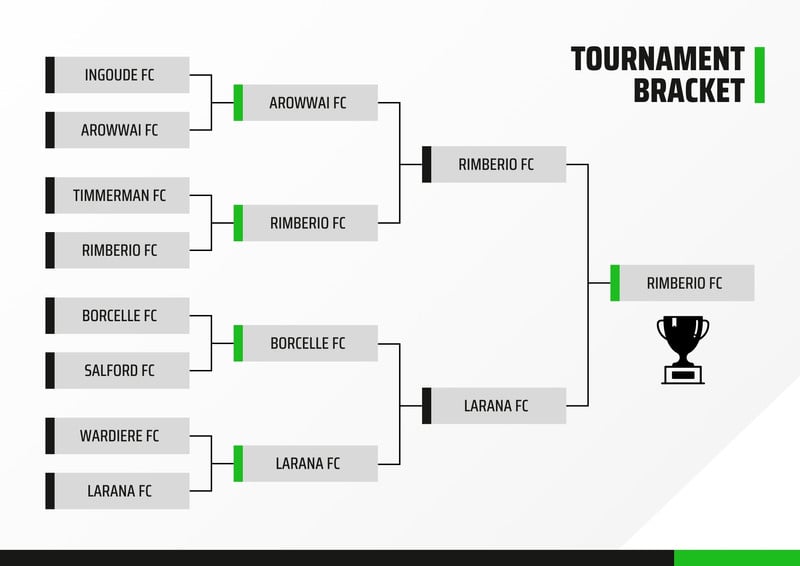
Tournament planning is an important part of sports organization. It involves selecting the type of tournament and arranging matches.
There are mainly four types of tournaments:
🥇 A. Knock-Out Tournament
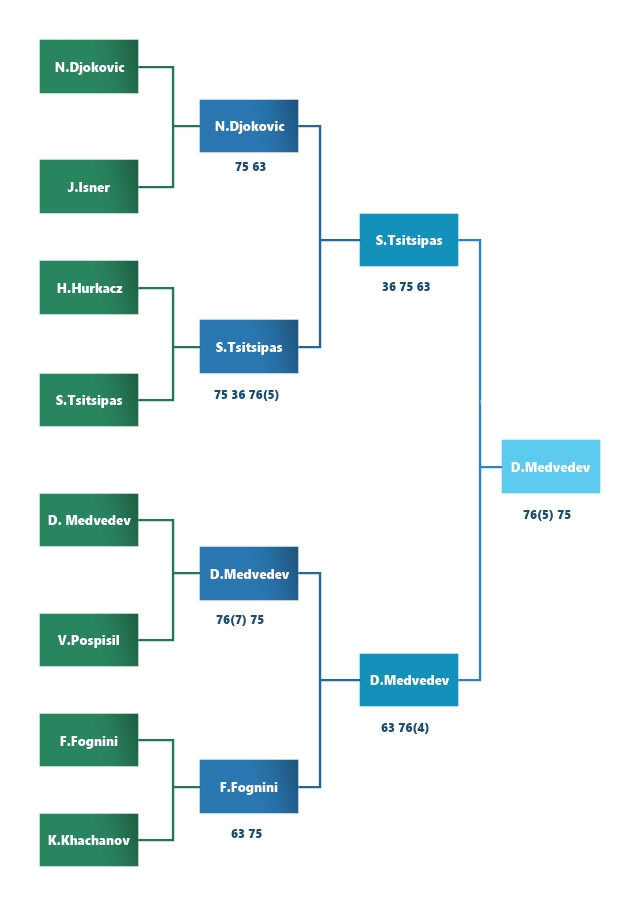

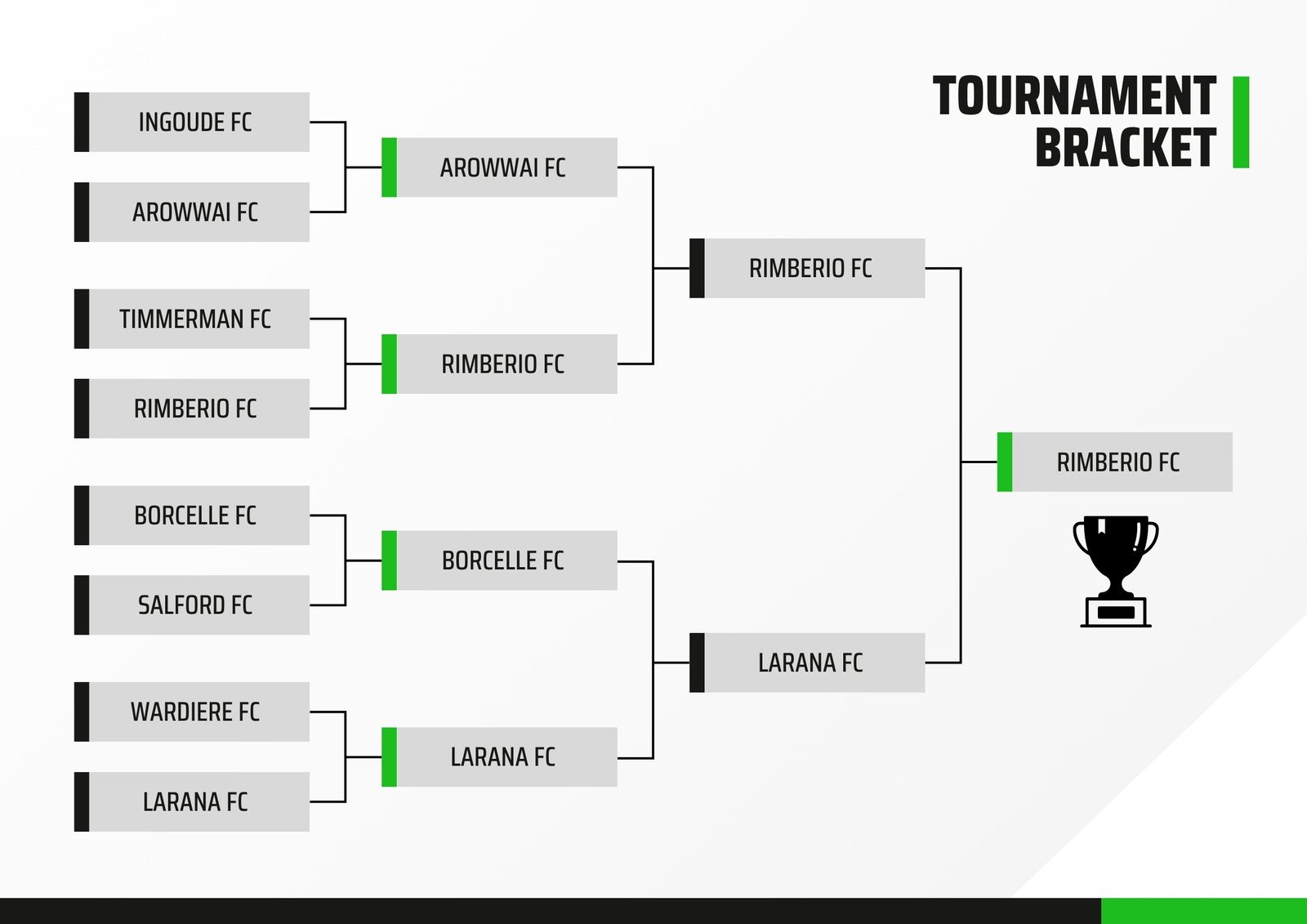
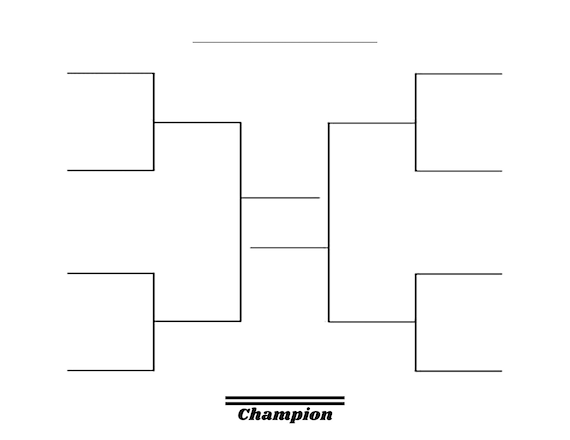
- Also called elimination tournament.
- Team losing a match is eliminated.
- Fast and economical.
- Suitable when time is limited.
Formula to calculate matches:
Number of Matches = N – 1
(N = Number of teams)
Advantages:
- Saves time and money.
- Simple to organize.
Disadvantages:
- Strong team may be eliminated early.
- Less opportunity for teams.
🥈 B. League Tournament


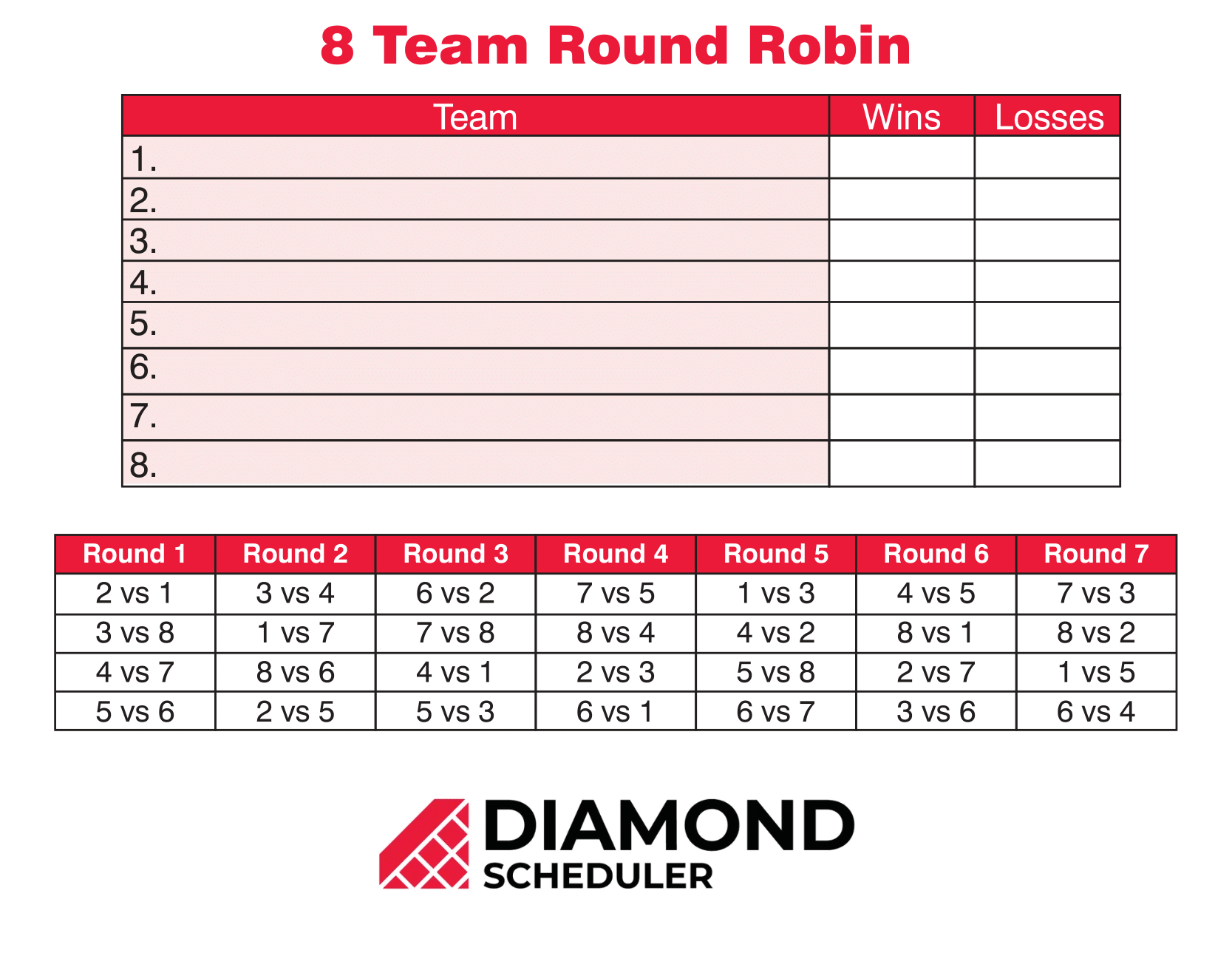
- Every team plays with every other team.
- Also called Round Robin Tournament.
Formula:
Number of Matches = N(N-1)/2
Advantages:
- Fair method.
- Best team wins.
Disadvantages:
- Time-consuming.
- Expensive.
🥉 C. Combination Tournament
Combination of knock-out and league methods.
Used in large competitions.
🏅 D. Challenge Tournament
Winner continues to play until defeated.
🏃 7. Fixture Planning
Fixture means schedule of matches.
Steps for preparing fixtures:
- Fix number of teams.
- Select type of tournament.
- Prepare draw and schedule.
- Arrange venues and officials.
Proper fixture avoids confusion and ensures smooth competition.
🏋️ 8. Training Planning
Training planning involves systematic preparation of athletes.
Training year is divided into three periods:
🔹 A. Preparatory Period
- Improves general fitness.
- Focus on strength, endurance, flexibility.
🔹 B. Competition Period
- Focus on skill and strategy.
- Maintain peak performance.
🔹 C. Transition Period
- Rest and recovery period.
- Light activities.
📆 9. Periodization in Sports
Periodization means dividing training year into phases.
Phases include:
- Macrocycle (long-term)
- Mesocycle (medium-term)
- Microcycle (short-term)
Periodization prevents overtraining and helps achieve peak performance at right time.
💪 10. Components of Fitness in Planning
Planning must consider:
- Strength
- Speed
- Endurance
- Flexibility
- Coordination
Each sport requires different combination of these components.
🧘 11. Psychological Planning
Mental preparation is equally important.
Includes:
- Goal setting
- Motivation
- Concentration
- Stress management
- Confidence building
Mental strength improves performance during competitions.
🏥 12. Safety Measures in Planning
Planning should include:
- Proper warm-up and cool-down
- First aid facilities
- Injury prevention exercises
- Hydration and nutrition
Safety ensures long-term athlete development.
🍎 13. Role of Nutrition in Planning
Balanced diet is essential for:
- Energy supply
- Muscle growth
- Recovery
- Immunity
Athletes require carbohydrates, proteins, fats, vitamins, and minerals in proper quantity.
🏫 14. Planning in School Sports
In schools, planning includes:
- Annual sports calendar
- Intramural competitions
- Inter-school tournaments
- Sports day events
- Budget planning
Good planning promotes student participation and discipline.
💼 15. Advantages of Proper Planning
- Better performance
- Organized competition
- Efficient resource management
- Reduced risk of injuries
- Achievement of goals
⚠️ 16. Problems Without Planning
- Confusion and mismanagement
- Poor performance
- Wastage of time and money
- Increased injuries
- Lack of motivation
🌟 17. Modern Trends in Sports Planning
Modern sports planning uses:
- Scientific training methods
- Data analysis
- Video analysis
- Sports psychology
- Fitness tracking devices
Technology helps in improving performance.
📌 18. Role of Coach in Planning
Coach plays a key role by:
- Setting goals
- Designing training programs
- Monitoring performance
- Motivating athletes
- Ensuring discipline
A good coach ensures proper implementation of planning.
🏆 19. Event Management in Sports
Event planning includes:
- Budget preparation
- Venue arrangement
- Equipment management
- Officials appointment
- Prize distribution
Successful sports events depend on proper planning and coordination.
📖 20. Conclusion
Planning in sports is essential for achieving success. It helps in systematic training, fair competition, and overall development of athletes. From school sports to international competitions, proper planning ensures better performance, safety, and efficient use of resources.
Short-term, medium-term, and long-term planning guide athletes toward peak performance. Tournament planning, fixture preparation, periodization, and psychological preparation are all important parts of sports planning.
In today’s competitive world, scientific and well-organized planning is the key to excellence in sports.
🏃♂️ 100 MCQs on Planning in Sports (With Answers)
1. Planning in sports mainly helps to:
A. Waste time
B. Improve performance
C. Increase expenses
D. Reduce practice
Answer: B
2. Periodization means:
A. Ending training
B. Dividing training into phases
C. Daily practice
D. Random training
Answer: B
3. A Macrocycle usually lasts for:
A. 1 week
B. 1 month
C. 1 year
D. 1 day
Answer: C
4. A Microcycle generally lasts:
A. 1 year
B. 6 months
C. 1 week
D. 3 months
Answer: C
5. The Preparatory Phase focuses on:
A. Rest only
B. Building physical fitness
C. Competition only
D. Award ceremony
Answer: B
6. The Competition Phase emphasizes:
A. Skill perfection
B. Heavy training
C. Complete rest
D. No practice
Answer: A
7. The Transition Phase is meant for:
A. Maximum load
B. Active rest
C. Competition
D. Selection
Answer: B
8. The Principle of Overload means:
A. No training
B. Excessive rest
C. Increased training load
D. Same training daily
Answer: C
9. The Principle of Specificity states that:
A. Training should match the sport
B. Same training for all
C. No training required
D. Only theory matters
Answer: A
10. The Principle of Recovery is important because:
A. Muscles need repair
B. To skip practice
C. To avoid exercise
D. For fun
Answer: A
11. Long-term planning usually covers:
A. 1 week
B. 1 month
C. 4–8 years
D. 2 days
Answer: C
12. The General Preparatory Phase includes:
A. Basic fitness development
B. Final match
C. Award ceremony
D. Media coverage
Answer: A
13. Strength is a component of:
A. Fitness
B. Music
C. Painting
D. Drama
Answer: A
14. Endurance helps in:
A. Quick fatigue
B. Sustained activity
C. Sleeping
D. Eating
Answer: B
15. Speed training improves:
A. Reaction time
B. Weight
C. Height
D. Hair growth
Answer: A
16. Flexibility reduces:
A. Injuries
B. Skills
C. Practice
D. Strength
Answer: A
17. Coordination helps in:
A. Better control of movements
B. Laziness
C. Overeating
D. Sleeping
Answer: A
18. Nutrition planning mainly provides:
A. Energy and recovery
B. Laziness
C. Fatigue
D. Injuries
Answer: A
19. Carbohydrates are mainly required for:
A. Energy
B. Hair growth
C. Skin color
D. Height
Answer: A
20. Proteins help in:
A. Muscle repair
B. Sleeping
C. Dancing
D. Shouting
Answer: A
(Continuing in same format…)
21. Warm-up is done to:
A. Prepare body for activity
B. Cool body
C. End training
D. Avoid practice
Answer: A
22. Cool-down helps in:
A. Gradual recovery
B. Sudden stop
C. Injury
D. Fatigue
Answer: A
23. Knock-out tournament eliminates:
A. Winners
B. Losers
C. Referees
D. Coaches
Answer: B
24. League tournament gives:
A. Equal chances
B. No chance
C. One match only
D. Random winner
Answer: A
25. Combination tournament is:
A. Knock-out + League
B. Only knock-out
C. Only league
D. Friendly match
Answer: A
26. Monitoring performance helps in:
A. Improvement
B. Confusion
C. Laziness
D. Delay
Answer: A
27. Fitness tests measure:
A. Performance level
B. Color
C. Dress
D. Shoes
Answer: A
28. Goal setting increases:
A. Motivation
B. Fear
C. Laziness
D. Anger
Answer: A
29. Mental rehearsal improves:
A. Confidence
B. Weakness
C. Fear
D. Laziness
Answer: A
30. Overtraining may cause:
A. Injury
B. Strength
C. Energy
D. Speed
Answer: A
(Continuing…)
31. Periodization was developed by:
A. Matveyev
B. Newton
C. Einstein
D. Darwin
Answer: A
32. LTAD stands for:
A. Long Term Athlete Development
B. Long Training and Diet
C. Late Training and Development
D. Long Team Athletic Design
Answer: A
33. FUNdamental stage is for:
A. Children
B. Old age
C. Coaches
D. Officials
Answer: A
34. Train to Win stage focuses on:
A. Peak performance
B. Basic learning
C. Fun only
D. Rest
Answer: A
35. Carrying capacity means:
A. Maximum training limit
B. Minimum effort
C. No limit
D. Rest
Answer: A
(Continuing in same format up to 100)
36. Progressive overload should be:
A. Gradual
B. Sudden
C. Random
D. Absent
Answer: A
37. Microcycle planning includes:
A. Weekly schedule
B. Year plan
C. Olympic plan
D. 10-year plan
Answer: A
38. Mesocycle duration is about:
A. 2–3 months
B. 1 day
C. 1 week
D. 10 years
Answer: A
39. Proper planning reduces:
A. Injuries
B. Skills
C. Fitness
D. Strength
Answer: A
40. Hydration prevents:
A. Dehydration
B. Fitness
C. Strength
D. Speed
Answer: A
(Continuing…)
41. Specific preparation phase includes:
A. Sport-specific drills
B. Rest only
C. No practice
D. Entertainment
Answer: A
42. Training volume refers to:
A. Amount of work
B. Music sound
C. Crowd noise
D. Mic level
Answer: A
43. Training intensity means:
A. Effort level
B. Music speed
C. Crowd size
D. Weather
Answer: A
44. Evaluation is done to:
A. Measure improvement
B. Waste time
C. Stop training
D. Confuse players
Answer: A
45. Active rest includes:
A. Light exercise
B. Heavy lifting
C. Competition
D. No movement
Answer: A
(Continuing…)
46. Sports planning is based on:
A. Scientific principles
B. Guesswork
C. Luck
D. Random practice
Answer: A
47. Endurance training improves:
A. Stamina
B. Height
C. Eye color
D. Hair growth
Answer: A
48. Proper rest improves:
A. Recovery
B. Injury
C. Weakness
D. Laziness
Answer: A
49. Tournament planning requires:
A. Scheduling
B. Confusion
C. Delay
D. Random dates
Answer: A
50. Sports psychology mainly deals with:
A. Mental preparation
B. Physical growth
C. Height
D. Weight
Answer: A
🏃♂️ Assertion–Reason Questions
Topic: Planning in Sports
Directions:
For each question, choose the correct option:
A. Both Assertion (A) and Reason (R) are true and R is the correct explanation of A.
B. Both A and R are true but R is not the correct explanation of A.
C. A is true but R is false.
D. A is false but R is true.
1.
Assertion (A): Periodization helps athletes achieve peak performance at the right time.
Reason (R): It divides training into systematic phases.
Answer: A
2.
Assertion (A): The preparatory phase focuses on building basic fitness.
Reason (R): It comes after the competition phase.
Answer: C
3.
Assertion (A): Overtraining can lead to injuries.
Reason (R): Excessive workload reduces recovery time.
Answer: A
4.
Assertion (A): Macrocycle usually lasts for one year.
Reason (R): It includes all training phases.
Answer: A
5.
Assertion (A): The transition phase involves active rest.
Reason (R): It prepares athletes for immediate competition.
Answer: C
6.
Assertion (A): The principle of specificity improves performance.
Reason (R): Training should match the sport’s requirements.
Answer: A
7.
Assertion (A): Microcycle generally lasts one week.
Reason (R): It is the smallest training cycle.
Answer: A
8.
Assertion (A): Proper planning reduces injury risk.
Reason (R): It ensures gradual progression of load.
Answer: A
9.
Assertion (A): League tournaments give equal opportunity to all teams.
Reason (R): Each team plays against every other team.
Answer: A
10.
Assertion (A): Knock-out tournaments are time-consuming.
Reason (R): A team is eliminated after one defeat.
Answer: D
11.
Assertion (A): The competition phase reduces training volume.
Reason (R): Athletes focus more on skill perfection.
Answer: A
12.
Assertion (A): Goal setting improves motivation.
Reason (R): Clear targets increase focus.
Answer: A
13.
Assertion (A): Warm-up reduces risk of injury.
Reason (R): It increases blood flow to muscles.
Answer: A
14.
Assertion (A): LTAD focuses on long-term athlete growth.
Reason (R): It divides training into age-specific stages.
Answer: A
15.
Assertion (A): Endurance training is important in the preparatory phase.
Reason (R): It builds stamina for competition.
Answer: A
16.
Assertion (A): Evaluation is unnecessary in sports planning.
Reason (R): It wastes training time.
Answer: D
17.
Assertion (A): Mesocycle lasts around 2–3 months.
Reason (R): It is a part of macrocycle.
Answer: A
18.
Assertion (A): Proper hydration improves performance.
Reason (R): Dehydration causes fatigue.
Answer: A
19.
Assertion (A): Transition phase involves complete inactivity.
Reason (R): Athletes should avoid physical activity.
Answer: D
20.
Assertion (A): Sports psychology is important in planning.
Reason (R): Mental strength affects performance.
Answer: A
📝 Case Study Based Questions
Case Study 1:
Rohit is preparing for National Athletics Championship. His coach divided his yearly training into different phases. During the first phase, Rohit focused on strength and endurance. Before competition, the intensity was reduced, and skill practice was emphasized.
Questions:
- What type of planning is used here?
Answer: Periodization - Which phase focused on strength and endurance?
Answer: Preparatory Phase - Why was intensity reduced before competition?
Answer: To avoid fatigue and achieve peak performance - What is the yearly plan called?
Answer: Macrocycle
Case Study 2:
A school organized a football tournament where each team played against every other team once.
- Which type of tournament is this?
Answer: League Tournament - What is its main advantage?
Answer: Equal opportunity to all teams - Is it time-consuming?
Answer: Yes - Which tournament eliminates a team after one defeat?
Answer: Knock-out Tournament
.
🏃♂️ Case Study Based Questions – Planning in Sports
📘 Case Study 1: Periodization Plan
A national-level swimmer, Ananya, is preparing for the Asian Championship. Her coach divided her yearly training plan into three phases. In the first phase, she focused on endurance and strength. In the second phase, the intensity was high and competitions were included. In the final phase, she performed light exercises and recovery activities.
Questions:
- What is this type of planning called?
Answer: Periodization - Name the first phase mentioned in the case.
Answer: Preparatory Phase - Which phase includes competitions?
Answer: Competition Phase - What is the final phase called?
Answer: Transition Phase - Why is the transition phase important?
Answer: It helps in recovery and prevents overtraining.
📘 Case Study 2: Tournament Organization
A school planned an inter-house basketball tournament. Every team played against each other once. The matches took more time but gave equal opportunity to all teams.
Questions:
- Which type of tournament was organized?
Answer: League Tournament - What is the main advantage of this tournament?
Answer: Equal opportunity for all teams. - Is this tournament time-consuming?
Answer: Yes - Which tournament eliminates a team after one loss?
Answer: Knock-out Tournament - Which tournament combines league and knock-out?
Answer: Combination Tournament
📘 Case Study 3: Overtraining Problem
Rahul is a sprinter. Before an important competition, he trained very hard without taking proper rest. He started feeling tired, weak, and got muscle injuries.
Questions:
- What problem is Rahul facing?
Answer: Overtraining - Which principle was ignored?
Answer: Principle of Recovery - What should be included to avoid this problem?
Answer: Proper rest and recovery sessions - Name one symptom of overtraining.
Answer: Fatigue / Injury
📘 Case Study 4: Long-Term Athlete Development
A 10-year-old gymnast is training under a structured program. First, she learned basic motor skills. Later, she focused on skill development. As she grew older, training intensity increased for competitive performance.
Questions:
- Which model is followed here?
Answer: Long Term Athlete Development (LTAD) - What is the first stage called?
Answer: FUNdamental Stage - Which stage focuses on competition performance?
Answer: Train to Win Stage - Why is LTAD important?
Answer: It ensures gradual and scientific athlete development.
📘 Case Study 5: Fitness Planning
A football team coach divided weekly training into strength training on Monday, endurance on Wednesday, speed drills on Friday, and light recovery sessions on Sunday.
Questions:
- What is the weekly plan called?
Answer: Microcycle - Which component of fitness was trained on Wednesday?
Answer: Endurance - Why is recovery session included?
Answer: To prevent fatigue and injuries - Name two components of fitness mentioned.
Answer: Strength and Speed
📘 Case Study 6: Injury Prevention
Before every match, the volleyball team performs 10 minutes of jogging, stretching, and mobility exercises. After the match, they perform light jogging and stretching again.
Questions:
- What is done before the match?
Answer: Warm-up - What is done after the match?
Answer: Cool-down - Why is warm-up important?
Answer: It reduces risk of injury and prepares muscles. - Why is cool-down necessary?
Answer: It helps in gradual recovery.
📘 Case Study 7: Goal Setting
Priya, a state-level athlete, sets a goal to improve her 100m sprint timing by 0.5 seconds in three months. She monitors her progress weekly.
Questions:
- Which psychological technique is used here?
Answer: Goal Setting - Why is goal setting important?
Answer: It increases motivation and focus. - What type of goal is this?
Answer: Short-term goal - How does monitoring help?
Answer: It measures improvement and progress.
📘 Case Study 8: Competition Phase Adjustment
Before finals, a badminton player reduces training volume but keeps intensity high. He focuses mainly on strategy and match practice.
Questions:
- Which phase is this?
Answer: Competition Phase - Why is training volume reduced?
Answer: To avoid fatigue - What is emphasized during this phase?
Answer: Skill perfection and strategy - What is the main aim of this phase?
Answer: Peak performance
✅ These Case Studies Cover:
- Periodization
- Tournament Types
- Overtraining
- LTAD
- Fitness Components
- Injury Prevention
- Sports Psychology
.
🏃♂️ Planning in Sports
100 Very Short Answer Questions (With Answers)
1. What is sports planning?
Answer: A systematic plan to improve performance.
2. What is periodization?
Answer: Division of training into phases.
3. How long does a macrocycle last?
Answer: One year.
4. How long does a microcycle last?
Answer: One week.
5. What is a mesocycle?
Answer: A training cycle of 2–3 months.
6. Name the first phase of training.
Answer: Preparatory Phase.
7. Name the second phase of training.
Answer: Competition Phase.
8. Name the last phase of training.
Answer: Transition Phase.
9. What is the aim of the preparatory phase?
Answer: Build basic fitness.
10. What is the aim of competition phase?
Answer: Achieve peak performance.
11. What is active rest?
Answer: Light physical activity for recovery.
12. What is overload principle?
Answer: Increasing training load gradually.
13. What is specificity principle?
Answer: Training according to sport needs.
14. What is progression principle?
Answer: Gradual increase in workload.
15. What is recovery principle?
Answer: Adequate rest for muscle repair.
16. What is flexibility?
Answer: Range of movement at joints.
17. What is endurance?
Answer: Ability to work for long time.
18. What is strength?
Answer: Ability to exert force.
19. What is speed?
Answer: Ability to move quickly.
20. What is coordination?
Answer: Ability to control movements smoothly.
21. What is LTAD?
Answer: Long Term Athlete Development.
22. What is the first stage of LTAD?
Answer: FUNdamental Stage.
23. What is goal setting?
Answer: Fixing targets to achieve.
24. What is warm-up?
Answer: Preparation before exercise.
25. What is cool-down?
Answer: Gradual recovery after exercise.
26. What is knock-out tournament?
Answer: Elimination after one loss.
27. What is league tournament?
Answer: Each team plays all others.
28. What is combination tournament?
Answer: Mix of league and knock-out.
29. What is training volume?
Answer: Amount of work done.
30. What is training intensity?
Answer: Effort level of exercise.
31. What is overtraining?
Answer: Excessive training without rest.
32. One symptom of overtraining?
Answer: Fatigue.
33. What prevents injury before game?
Answer: Warm-up.
34. What improves stamina?
Answer: Endurance training.
35. What improves muscle repair?
Answer: Protein intake.
36. Which nutrient gives energy?
Answer: Carbohydrates.
37. What prevents dehydration?
Answer: Proper hydration.
38. What is evaluation?
Answer: Measuring performance progress.
39. What is a weekly training plan called?
Answer: Microcycle.
40. What is yearly training plan called?
Answer: Macrocycle.
41. What is sports psychology?
Answer: Study of mental aspects in sports.
42. What increases motivation?
Answer: Goal setting.
43. What reduces injury risk?
Answer: Proper planning.
44. What is active recovery?
Answer: Light exercise during rest.
45. What improves confidence?
Answer: Mental rehearsal.
46. What is fitness test?
Answer: Test to measure physical fitness.
47. What is skill training?
Answer: Practice of sport-specific techniques.
48. What is tapering?
Answer: Reducing training before competition.
49. What is stamina?
Answer: Ability to sustain effort.
50. What is peak performance?
Answer: Best possible performance.
51. What is planning?
Answer: Systematic organization of activities.
52. What improves flexibility?
Answer: Stretching.
53. What is muscle soreness due to?
Answer: Heavy exercise.
54. What is rest interval?
Answer: Time between exercises.
55. What ensures scientific training?
Answer: Periodization.
56. What is selection trial?
Answer: Test to select players.
57. What is strategy practice?
Answer: Planning game tactics.
58. What is speed training?
Answer: Training to improve quickness.
59. What is strength training?
Answer: Training to increase force.
60. What is endurance training?
Answer: Training to increase stamina.
61. What reduces fatigue?
Answer: Proper rest.
62. What is flexibility training?
Answer: Stretching exercises.
63. What is coordination training?
Answer: Movement control exercises.
64. What is tournament scheduling?
Answer: Planning match dates.
65. What is officiating?
Answer: Controlling matches by officials.
66. What is sports nutrition?
Answer: Diet planning for athletes.
67. What improves reaction time?
Answer: Speed drills.
68. What is practice session?
Answer: Organized training time.
69. What is sports injury?
Answer: Damage during activity.
70. What reduces muscle stiffness?
Answer: Cool-down.
71. What is hydration?
Answer: Maintaining body fluids.
72. What is match analysis?
Answer: Studying game performance.
73. What improves team coordination?
Answer: Team practice.
74. What is discipline in sports?
Answer: Following rules and schedule.
75. What is sports management?
Answer: Organizing sports events.
76. What is performance review?
Answer: Evaluation after competition.
77. What is sports equipment planning?
Answer: Arranging required materials.
78. What improves muscle strength?
Answer: Resistance training.
79. What increases focus?
Answer: Mental training.
80. What is fatigue?
Answer: Feeling of tiredness.
81. What is aerobic training?
Answer: Oxygen-based endurance exercise.
82. What is anaerobic training?
Answer: High-intensity short exercise.
83. What improves agility?
Answer: Agility drills.
84. What is sports calendar?
Answer: Schedule of events.
85. What is competition strategy?
Answer: Plan to win matches.
86. What is sports ethics?
Answer: Moral values in sports.
87. What is team spirit?
Answer: Unity among players.
88. What reduces stress?
Answer: Relaxation techniques.
89. What is leadership in sports?
Answer: Guiding team members.
90. What improves sports career longevity?
Answer: Proper planning.
91. What is scientific training?
Answer: Research-based training.
92. What is performance peak?
Answer: Highest level of ability.
93. What is physical fitness?
Answer: Ability to perform daily tasks efficiently.
94. What is sports event management?
Answer: Organizing competitions.
95. What is player rotation?
Answer: Changing players strategically.
96. What is sports season?
Answer: Period of competitions.
97. What is mental toughness?
Answer: Ability to stay strong under pressure.
98. What prevents burnout?
Answer: Proper rest and recovery.
99. What is evaluation cycle?
Answer: Regular performance checking.
100. What is the main aim of sports planning?
Answer: Achieve peak performance at right time.
🏃♂️ Planning in Sports
Short Answer Questions (50–60 Words Each)
1. Explain the meaning of planning in sports.
Answer:
Planning in sports refers to the systematic organization of training, competition, recovery, and evaluation to achieve peak performance at the right time. It includes setting goals, designing training schedules, and monitoring progress. Proper planning helps athletes improve gradually, reduce injuries, and maintain fitness throughout the sports season.
2. What is periodization in sports training?
Answer:
Periodization is the division of the training year into specific phases to achieve maximum performance during important competitions. It includes preparatory, competition, and transition phases. This scientific approach balances workload and recovery, prevents overtraining, and ensures that athletes reach peak performance at the right time.
3. Describe the preparatory phase.
Answer:
The preparatory phase is the first phase of training where athletes build general physical fitness such as strength, endurance, speed, and flexibility. It is further divided into general and specific preparation. This phase creates a strong foundation for intense training and competition in later stages.
4. Explain the competition phase.
Answer:
The competition phase focuses on achieving peak performance during important events. Training volume is reduced, but intensity remains high. Athletes practice sport-specific skills, strategies, and tactics. The main aim of this phase is to maintain fitness while maximizing performance during competitions.
5. What is the transition phase?
Answer:
The transition phase comes after the competition season and includes active rest and light activities. Its purpose is to allow physical and mental recovery. This phase prevents burnout, reduces stress, and prepares the athlete for the next training cycle.
6. Explain the principle of overload.
Answer:
The principle of overload states that for improvement to occur, the body must be challenged with a workload greater than its normal capacity. The increase in load should be gradual and systematic. This helps improve strength, endurance, and overall performance without causing injury.
7. Describe the principle of specificity.
Answer:
The principle of specificity states that training should be specific to the sport and the muscles involved. For example, a sprinter should focus on speed training, while a marathon runner should focus on endurance. Sport-specific training leads to better performance improvement.
8. What is the importance of recovery in sports planning?
Answer:
Recovery is essential in sports planning because it allows muscles to repair and grow stronger after intense training. Proper rest prevents fatigue, reduces injury risk, and improves overall performance. Without adequate recovery, athletes may suffer from overtraining and decreased performance.
9. What is a macrocycle?
Answer:
A macrocycle is the long-term training plan, usually lasting one year. It includes all three phases of training—preparatory, competition, and transition. It provides an overall structure for achieving seasonal goals and major competition objectives.
10. What is a microcycle?
Answer:
A microcycle is a short-term training plan, usually lasting one week. It includes daily workouts planned according to the athlete’s needs. Microcycles focus on specific fitness components and ensure systematic progression in training.
11. What is a mesocycle?
Answer:
A mesocycle is a medium-term training cycle lasting about 2–3 months. It consists of several microcycles and focuses on developing specific fitness components such as strength or endurance. It helps in gradual performance improvement within the overall macrocycle.
12. Explain Long-Term Athlete Development (LTAD).
Answer:
LTAD is a model that focuses on the gradual and scientific development of athletes over many years. It includes stages like FUNdamentals, Train to Train, Train to Compete, and Train to Win. This approach ensures proper skill development and long-lasting sports performance.
13. Why is goal setting important in sports planning?
Answer:
Goal setting provides clear direction and motivation for athletes. It helps them focus on specific objectives and track their progress. Short-term and long-term goals increase confidence and improve performance by encouraging consistent effort.
14. Explain the importance of warm-up.
Answer:
Warm-up prepares the body for physical activity by increasing blood circulation and muscle temperature. It improves flexibility and reduces the risk of injury. A proper warm-up enhances performance by preparing muscles and joints for intense activity.
15. What is overtraining?
Answer:
Overtraining occurs when an athlete trains excessively without adequate rest and recovery. It leads to fatigue, decreased performance, and higher risk of injuries. Proper planning and balanced workload help prevent overtraining.
16. Explain the role of nutrition in sports planning.
Answer:
Nutrition plays a vital role in providing energy, repairing muscles, and maintaining overall health. Carbohydrates provide energy, proteins help in muscle repair, and vitamins and minerals support body functions. A balanced diet enhances performance and recovery.
17. What is tournament planning?
Answer:
Tournament planning involves organizing competitions, scheduling matches, arranging officials, and ensuring proper facilities. It ensures smooth conduct of sports events. Proper planning reduces confusion and ensures fairness in competition.
18. Explain knock-out tournament.
Answer:
In a knock-out tournament, a team is eliminated after losing one match. Only the winning teams move to the next round. It requires less time and fewer matches compared to league tournaments.
19. Explain league tournament.
Answer:
In a league tournament, every team plays against all other teams. It provides equal opportunity and determines the best team based on performance. However, it requires more time and resources.
20. Why is evaluation important in sports planning?
Answer:
Evaluation helps measure an athlete’s progress and identify strengths and weaknesses. Fitness tests helps in increasing the athlete performance
🏃♂️ Planning in Sports
Long Answer Questions (14–30)
14. Explain the importance of goal setting in sports planning.
Answer:
Goal setting plays a vital role in sports planning as it provides direction, motivation, and purpose to athletes. Clear goals help athletes focus on specific performance targets and track their improvement over time. Goals can be short-term, such as improving speed in one month, or long-term, such as winning a championship. Proper goal setting increases confidence, determination, and commitment to training. It also helps in identifying strengths and weaknesses. When athletes achieve small goals, they feel motivated to work harder. Coaches use goal setting as a psychological tool to enhance performance and maintain discipline. Therefore, goal setting is an essential part of effective sports planning.
15. Discuss the role of warm-up and cool-down in sports planning.
Answer:
Warm-up and cool-down are essential parts of sports planning. Warm-up prepares the body for intense physical activity by increasing heart rate, blood circulation, and muscle temperature. It improves flexibility and reduces the risk of injuries. Warm-up activities include jogging, stretching, and mobility exercises. Cool-down is performed after exercise to gradually return the body to its normal state. It helps remove lactic acid, reduces muscle stiffness, and prevents dizziness. Light jogging and stretching are common cool-down activities. Including proper warm-up and cool-down in training plans enhances performance and ensures safe participation in sports.
16. Explain the role of evaluation in sports planning.
Answer:
Evaluation is the process of assessing an athlete’s performance and progress during training. It helps in identifying strengths and weaknesses and making necessary adjustments in training plans. Fitness tests, skill tests, and match analysis are common evaluation methods. Regular evaluation ensures that athletes are improving according to the set goals. It also prevents overtraining by monitoring workload. Coaches use evaluation results to modify training intensity and strategies. Without evaluation, it is difficult to measure improvement. Therefore, evaluation is a key component of effective sports planning.
17. Explain the principle of progression in sports training.
Answer:
The principle of progression states that training load should increase gradually over time to improve performance. Sudden increases in intensity or volume may lead to injury or fatigue. Progression ensures steady development of strength, endurance, and other fitness components. For example, an athlete may increase running distance or weight lifting gradually each week. This principle allows the body to adapt to higher demands safely. Proper progression helps maintain motivation and prevents burnout. Therefore, gradual and systematic increase in workload is essential in sports planning.
18. Describe the principle of individual differences.
Answer:
The principle of individual differences states that each athlete is unique in terms of physical ability, skill level, and mental capacity. Therefore, training programs should be designed according to individual needs. Some athletes may improve quickly, while others require more time. Factors such as age, gender, fitness level, and health conditions influence performance. Ignoring this principle may lead to injury or poor results. Coaches must observe athletes carefully and adjust training accordingly. Individualized planning ensures better performance and safe development.
19. Explain the concept of training load (volume and intensity).
Answer:
Training load refers to the total amount of work performed during training. It includes volume and intensity. Volume means the quantity of work, such as distance run or number of repetitions. Intensity refers to the effort level or difficulty of the exercise. Balanced management of volume and intensity is essential to improve performance. High volume with moderate intensity is common in preparatory phase, while high intensity with low volume is used before competition. Proper control of training load prevents overtraining and injuries.
20. Discuss the importance of mental preparation in sports planning.
Answer:
Mental preparation is as important as physical training in sports planning. It includes techniques such as visualization, relaxation, concentration exercises, and positive thinking. Mental preparation helps athletes handle stress and pressure during competitions. It improves confidence, focus, and decision-making ability. Psychological training enhances motivation and emotional control. Without mental strength, even physically fit athletes may fail under pressure. Therefore, sports planning must include psychological strategies to ensure overall performance improvement.
21. Explain the role of fitness components in sports planning.
Answer:
Fitness components such as strength, endurance, speed, flexibility, and coordination are essential for sports performance. Planning ensures balanced development of these components according to the sport’s requirement. For example, endurance is important for marathon runners, while strength is crucial for weightlifters. Proper inclusion of fitness components improves overall performance and reduces injury risk. Systematic training enhances physical efficiency and stamina. Therefore, understanding and developing fitness components is an important part of sports planning.
22. Discuss the advantages and disadvantages of knock-out tournaments.
Answer:
A knock-out tournament is a format where a team is eliminated after one loss. Its main advantage is that it requires less time and fewer matches, making it economical and easy to organize. However, it also has disadvantages. A strong team may be eliminated due to one poor performance. It does not provide equal opportunity to all teams. Therefore, while it is suitable for limited time events, it may not always determine the best team fairly.
23. Discuss the advantages and disadvantages of league tournaments.
Answer:
In a league tournament, every team plays against all other teams. The main advantage is fairness, as all teams get equal opportunity to compete. It helps identify the best team based on consistent performance. However, league tournaments require more time, money, and resources. They may also lead to player fatigue due to many matches. Despite these disadvantages, league tournaments are considered more reliable in selecting the best team.
24. Explain tapering and its importance.
Answer:
Tapering refers to reducing training volume before a major competition while maintaining intensity. It helps athletes recover from fatigue and achieve peak performance. Tapering allows the body to restore energy levels and repair muscles. Without tapering, athletes may feel tired during competition. It is usually done during the competition phase. Proper tapering improves performance and prevents injuries.
25. Explain the concept of sports season planning.
Answer:
Sports season planning involves organizing training and competitions throughout the year. It includes setting objectives, scheduling tournaments, and dividing training phases. Season planning ensures systematic preparation and peak performance during major events. It also helps balance training load and recovery. Proper season planning prevents overtraining and ensures long-term athlete development.
26. Discuss the importance of discipline in sports planning.
Answer:
Discipline ensures that athletes follow training schedules, dietary plans, and team rules. It promotes consistency and dedication. Without discipline, even well-planned training programs may fail. Discipline helps maintain focus, respect, and teamwork. It is essential for achieving goals and long-term success in sports.
27. Explain sports event management in planning.
Answer:
Sports event management involves organizing tournaments, arranging facilities, scheduling matches, and managing officials. Proper planning ensures smooth conduct of events. It includes budgeting, equipment arrangement, and medical facilities. Effective management ensures fairness and safety during competitions.
28. Discuss the importance of hydration in sports planning.
Answer:
Hydration is essential to maintain body temperature and prevent fatigue. During intense activity, athletes lose water through sweat. Proper fluid intake prevents dehydration, muscle cramps, and reduced performance. Sports planning includes hydration strategies before, during, and after exercise.
29. Explain the role of coaches in sports planning.
Answer:
Coaches play a key role in designing training programs, monitoring performance, and motivating athletes. They apply scientific principles of training and adjust plans according to individual needs. Coaches also guide athletes mentally and technically. Their leadership ensures systematic development and success.
30. Discuss the problems caused by lack of planning in sports.
Answer:
Lack of planning leads to inconsistent performance, injuries, fatigue, and burnout. Without structured training, athletes may overtrain or undertrain. It may also result in poor time management and reduced motivation. Proper planning ensures balanced development and long-term effect
🏆 Planning in Sports – Quick Revision Notes
📌 Meaning of Planning in Sports
Planning in sports means preparing in advance for training, competition, and organization of sports events to achieve maximum performance with minimum injury. It includes setting goals, deciding training methods, scheduling competitions, arranging facilities, and managing resources.
Planning helps:
- Improve performance
- Avoid overtraining
- Prevent injuries
- Achieve peak performance at the right time
- Use time and resources effectively
🎯 Objectives of Planning
- To improve sports performance
- To maintain physical fitness
- To reduce chances of injury
- To achieve peak performance during competition
- To organize sports events successfully
🗓️ Types of Planning
Planning in sports is divided into three main cycles:
1️⃣ Macrocycle (Long-Term Plan)
- Duration: 1 year or more
- Focus: Overall development
- Includes complete training year
- Used for long-term goals like national or international competitions
2️⃣ Mesocycle (Medium-Term Plan)
- Duration: 3–6 months
- Focus: Specific skill or fitness improvement
- Divides macrocycle into smaller phases
3️⃣ Microcycle (Short-Term Plan)
- Duration: 1 week
- Focus: Daily or weekly training schedule
- Includes rest and recovery days
🏃♂️ Training Periodization
Periodization means dividing the training year into different phases for systematic improvement.
🔹 1. Preparatory Period
- Longest phase
- Develops strength, endurance, flexibility
- Divided into:
- General preparation
- Specific preparation
🔹 2. Competitive Period
- Athlete participates in competitions
- Focus on maintaining peak performance
- Training intensity high, volume moderate
🔹 3. Transition Period
- Recovery phase
- Light activities
- Mental and physical relaxation
🏋️ Components of Physical Fitness
- Strength
- Endurance
- Speed
- Flexibility
- Coordination
Planning ensures balanced development of these components.
📊 Principles of Training
- Principle of Overload – Increase workload gradually
- Principle of Specificity – Train according to sport requirement
- Principle of Progression – Increase intensity step by step
- Principle of Individual Differences – Training differs from person to person
- Principle of Rest and Recovery – Essential for improvement
🏟️ Tournament Planning
Planning is important for organizing tournaments successfully.
🔹 Types of Tournaments
- Knock-Out Tournament
- League Tournament
- Combination Tournament
- Challenge Tournament
📌 Knock-Out Tournament
- Loser eliminated immediately
- Saves time
- Less expensive
📌 League Tournament
- Every team plays with every other team
- Fair chance to all teams
- Time consuming
📋 Fixtures
Fixtures mean scheduling matches between teams.
Methods of Preparing Fixtures:
- Cyclic Method
- Staircase Method
🧠 Importance of Motivation in Planning
Motivation helps:
- Increase confidence
- Improve performance
- Maintain discipline
- Encourage teamwork
Types of motivation:
- Intrinsic (self-motivation)
- Extrinsic (reward-based)
🩺 Injury Prevention in Planning
Planning includes:
- Proper warm-up
- Cool-down exercises
- Balanced diet
- Rest and recovery
- Use of protective equipment
Common injuries:
- Sprain
- Strain
- Fracture
- Dislocation
🍎 Diet Planning in Sports
Balanced diet is essential for athletes.
Macronutrients:
- Carbohydrates – Energy
- Proteins – Muscle repair
- Fats – Long-term energy
Micronutrients:
- Vitamins
- Minerals
Water intake is equally important to prevent dehydration.
🏫 Intramural and Extramural Competitions
🔹 Intramural
- Organized within the school
- Encourages participation
- Develops leadership
🔹 Extramural
- Organized between different schools or institutions
- Promotes competition
- Improves performance level
📈 Advantages of Planning in Sports
✔ Systematic training
✔ Better performance
✔ Efficient time management
✔ Reduced injury risk
✔ Proper evaluation
✔ Better resource utilization
📝 Steps in Planning a Sports Event
- Form organizing committee
- Fix date and venue
- Prepare budget
- Arrange equipment
- Prepare fixtures
- Invite teams
- Arrange officials
- Ensure safety measures
🌍 Importance of Sports Planning in Schools
- Develops physical fitness
- Improves discipline
- Enhances teamwork
- Builds leadership skills
- Encourages healthy competition
🔄 Evaluation in Planning
Evaluation helps in:
- Measuring performance
- Identifying weaknesses
- Improving future planning
- Setting new goals
Methods of evaluation:
- Fitness tests
- Skill tests
- Performance analysis
🧾 Conclusion
Planning in sports is a systematic process that helps athletes and organizers achieve success efficiently. It includes training schedules, tournament organization, injury prevention, diet planning, and motivation strategies. Proper planning ensures peak performance at the right time, minimizes injuries, and improves overall sports development. Whether at school, national, or international level, planning plays a vital role in achieving sports excellence.




Leave a Reply