


Pollution: A Comprehensive Overview
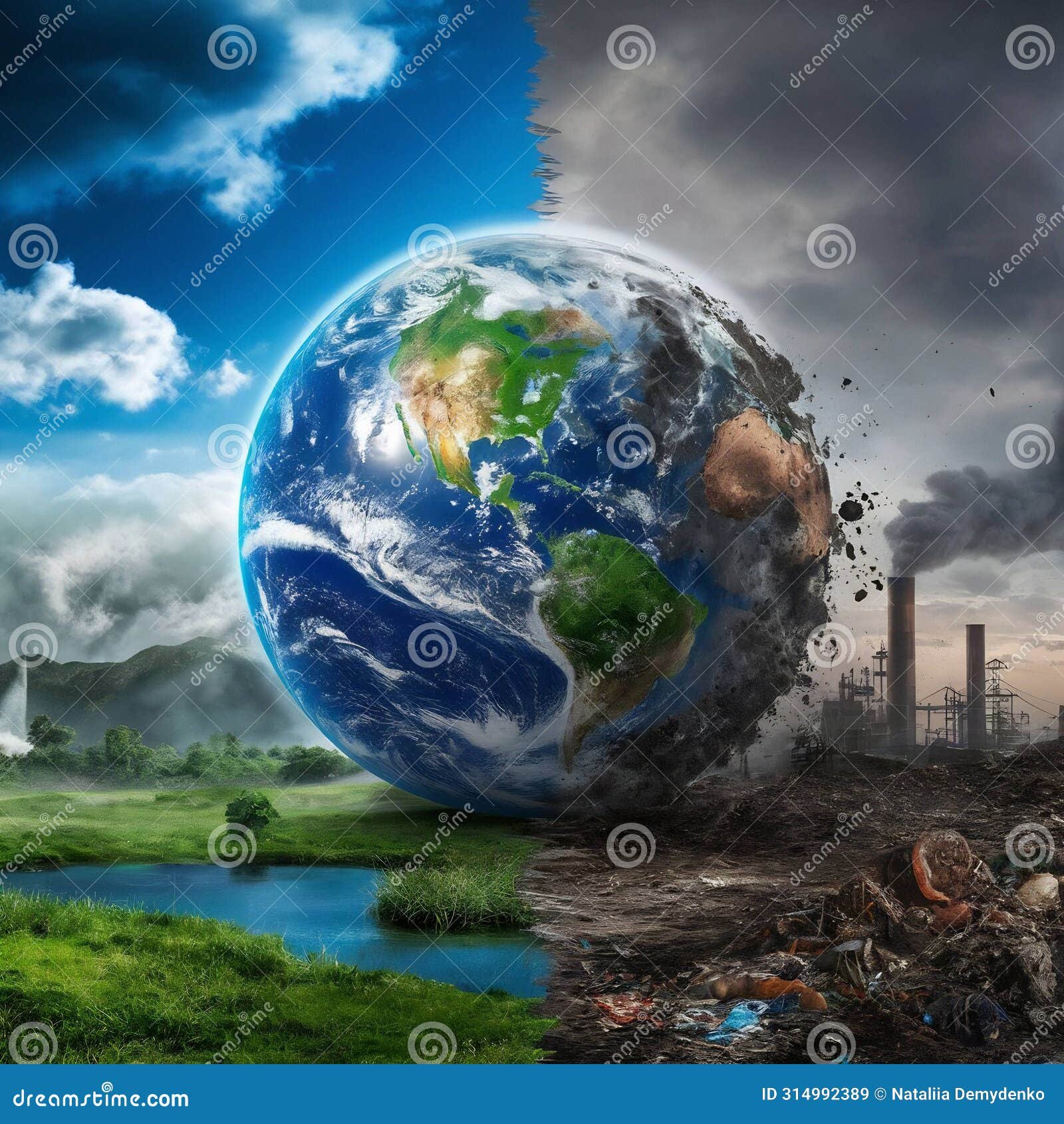
Pollution is one of the most serious environmental challenges facing the modern world. It refers to the introduction of harmful substances or contaminants into the natural environment, causing adverse changes and affecting living organisms, ecosystems, and human health. With rapid industrialization, urbanization, and population growth, pollution levels have increased significantly, threatening the balance of nature and the sustainability of life on Earth.
What is Pollution?
Pollution is the contamination of air, water, soil, or the environment by harmful substances such as chemicals, waste materials, noise, or radiation. These pollutants disrupt natural processes and harm living organisms.
Pollutants are substances that cause pollution. They can be:
- Primary pollutants – emitted directly (e.g., smoke, carbon monoxide).
- Secondary pollutants – formed by reactions in the environment (e.g., ozone formed from vehicle emissions).
Major Types of Pollution
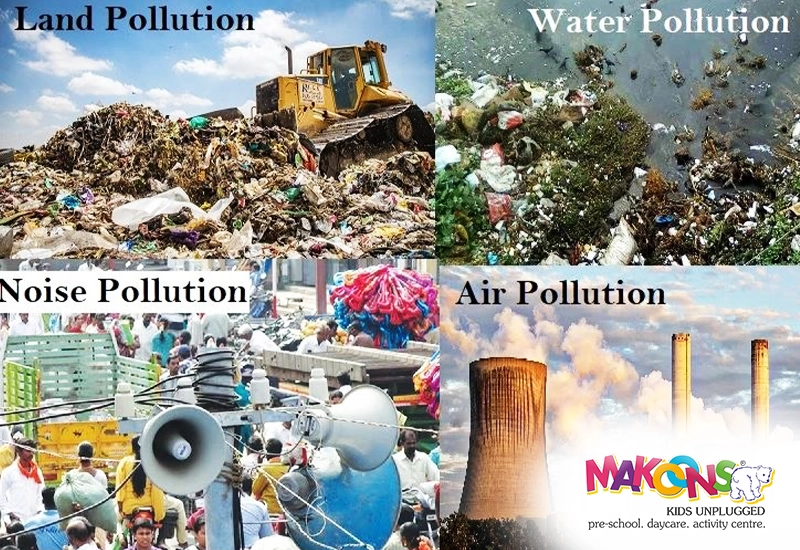
1. Air Pollution
Air pollution occurs when harmful gases, dust, smoke, and particulate matter contaminate the atmosphere.
Causes:
- Vehicle emissions
- Industrial smoke and gases
- Burning of fossil fuels (coal, petrol, diesel)
- Forest fires and agricultural burning
- Construction dust
Major Air Pollutants:
- Carbon monoxide (CO)
- Sulfur dioxide (SO₂)
- Nitrogen oxides (NOₓ)
- Particulate matter (PM2.5 & PM10)
- Ozone (O₃)
- Lead and toxic metals
Effects:
- Respiratory diseases such as asthma and bronchitis
- Heart problems
- Eye irritation
- Global warming and climate change
- Acid rain formation
2. Water Pollution
Water pollution occurs when harmful substances contaminate rivers, lakes, oceans, and groundwater, making water unsafe for use.
Causes:
- Industrial waste discharge
- Sewage and domestic waste
- Agricultural runoff (fertilizers and pesticides)
- Oil spills
- Plastic waste dumping
Types:
- Surface water pollution
- Groundwater pollution
- Marine pollution
Effects:
- Spread of waterborne diseases (cholera, typhoid)
- Harm to aquatic life
- Drinking water contamination
- Ecosystem imbalance
- Bioaccumulation of toxic substances in food chains
3. Soil (Land) Pollution
Soil pollution refers to contamination of land due to the disposal of solid waste and chemicals.
Causes:
- Excessive use of pesticides and fertilizers
- Industrial waste dumping
- Plastic waste accumulation
- Mining activities
- Landfills and improper waste disposal
Effects:
- Reduced soil fertility
- Contamination of food crops
- Harm to soil organisms
- Entry of toxins into the food chain
- Land degradation and desertification
4. Noise Pollution
Noise pollution is excessive or disturbing sound that affects human health and environmental quality.
Sources:
- Traffic and transportation
- Construction activities
- Industrial machinery
- Loudspeakers and music systems
- Airplanes and trains
Effects:
- Hearing loss
- Stress and anxiety
- Sleep disturbances
- Reduced concentration
- High blood pressure
5. Thermal Pollution
Thermal pollution occurs when industries release heated water into natural water bodies, raising their temperature.
Causes:
- Power plants
- Industrial cooling processes
Effects:
- Reduced oxygen levels in water
- Harm to aquatic organisms
- Disruption of ecosystems
6. Radioactive Pollution
Radioactive pollution involves the release of harmful radioactive substances into the environment.
Causes:
- Nuclear power plant accidents
- Improper disposal of radioactive waste
- Nuclear weapon testing
Effects:
- Cancer and genetic mutations
- Environmental contamination
- Long-term ecosystem damage
Causes of Pollution
Pollution is mainly caused by human activities, although natural events also contribute.
Human Causes:
- Industrialization and urbanization
- Burning fossil fuels
- Deforestation
- Improper waste disposal
- Plastic overuse
- Agricultural chemicals
- Mining and construction
Natural Causes:
- Volcanic eruptions
- Dust storms
- Forest fires
- Decomposition of organic matter
Effects of Pollution
Pollution affects humans, wildlife, ecosystems, and the global climate.
Effects on Human Health:
- Respiratory diseases
- Heart conditions
- Cancer risks
- Waterborne diseases
- Neurological damage
Environmental Effects:
- Climate change and global warming
- Ozone layer depletion
- Acid rain
- Loss of biodiversity
- Ecosystem imbalance
Effects on Wildlife:
- Habitat destruction
- Poisoning of animals
- Marine life death due to plastic waste
- Disruption of food chains
Pollution and Climate Change
Air pollution contributes significantly to climate change through greenhouse gases such as carbon dioxide (CO₂) and methane (CH₄). These gases trap heat in the atmosphere, leading to global warming.
Consequences include:
- Rising sea levels
- Extreme weather events
- Melting glaciers
- Heat waves and droughts
Pollution in Urban vs Rural Areas
Urban Pollution:
- Traffic emissions
- Industrial waste
- Construction dust
- Noise pollution
Rural Pollution:
- Pesticide use
- Crop burning
- Poor waste management
- Water contamination from agriculture
Prevention and Control of Pollution
Pollution control requires individual, community, governmental, and global efforts.
1. Controlling Air Pollution
- Use public transport and carpooling
- Promote electric vehicles
- Plant trees (afforestation)
- Use renewable energy sources (solar, wind)
- Reduce burning of waste
2. Preventing Water Pollution
- Treat sewage before discharge
- Reduce plastic use
- Avoid dumping waste in water bodies
- Promote rainwater harvesting
- Use eco-friendly detergents
3. Reducing Soil Pollution
- Proper waste segregation and recycling
- Limit chemical fertilizers
- Promote organic farming
- Safe disposal of hazardous waste
4. Controlling Noise Pollution
- Use silencers in vehicles
- Restrict loudspeakers
- Create silent zones near hospitals and schools
- Plant trees to absorb sound
5. Managing Plastic Pollution
- Follow the 3 Rs: Reduce, Reuse, Recycle
- Use cloth bags instead of plastic
- Avoid single-use plastics
- Promote biodegradable materials
Role of Government and Laws
Governments play a vital role in controlling pollution through regulations and environmental laws.
Examples include:
- Setting emission standards
- Waste management rules
- Banning single-use plastics
- Environmental impact assessments
- Promoting clean energy
International efforts such as the Paris Agreement aim to reduce global greenhouse gas emissions and combat climate change.
Role of Individuals
Every person can contribute to reducing pollution by adopting eco-friendly habits:
- Save electricity and water
- Use bicycles or walk for short distances
- Avoid littering
- Plant trees
- Reduce plastic usage
- Spread environmental awareness
Importance of Environmental Awareness
Education and awareness encourage responsible behavior and sustainable living. Schools, media, and community programs play an important role in promoting environmental protection.
Celebrations like World Environment Day (June 5) help raise global awareness about environmental protection.
Conclusion
Pollution is a global environmental crisis that threatens human health, wildlife, and the planet’s ecological balance. It results from rapid industrial growth, urban expansion, and unsustainable human practices. Air, water, soil, noise, thermal, and radioactive pollution each have serious consequences that affect ecosystems and future generations.
However, pollution is preventable and controllable through responsible actions, sustainable development, technological innovation, and strict environmental policies. Governments must enforce environmental laws, industries must adopt cleaner technologies, and individuals must embrace eco-friendly lifestyles.
Protecting the environment is not the responsibility of a single person or nation but a collective duty. By reducing waste, conserving resources, and promoting green practices, humanity can create a cleaner, healthier, and more sustainable planet for present and future generations.
“A clean environment is essential for a healthy life.”
Harmful Effects of Pollution
Pollution is one of the greatest threats to life on Earth. It occurs when harmful substances contaminate the environment, affecting air, water, soil, and ecosystems. Rapid industrial growth, population increase, and modern lifestyles have intensified pollution levels worldwide. The harmful effects of pollution extend beyond environmental damage—they directly impact human health, wildlife, climate, agriculture, and the global economy.
Understanding the adverse effects of pollution is essential for raising awareness and promoting sustainable practices.
1. Effects of Air Pollution
Air pollution is caused by harmful gases, particulate matter, and toxic substances released into the atmosphere.
Impact on Human Health
Air pollution severely affects the respiratory and cardiovascular systems.
Major health problems include:
- Asthma and bronchitis
- Chronic obstructive pulmonary disease (COPD)
- Lung cancer
- Heart disease and stroke
- Eye and throat irritation
Fine particulate matter (PM2.5) can penetrate deep into the lungs and bloodstream, causing long-term health complications.
Effects on Children and Elderly
Children and older adults are especially vulnerable. Pollution can cause:
- Reduced lung development in children
- Increased respiratory infections
- Weak immune responses
- Higher mortality risk among elderly populations
Environmental Effects
Air pollution contributes to:
- Smog formation
- Acid rain
- Global warming
- Ozone layer depletion
Acid rain damages forests, crops, buildings, and water bodies.
2. Effects of Water Pollution
Water pollution occurs when contaminants enter rivers, lakes, oceans, and groundwater.
Impact on Human Health
Polluted water spreads dangerous diseases such as:
- Cholera
- Typhoid
- Dysentery
- Hepatitis A
- Diarroheal illnesses
Drinking contaminated water can cause poisoning due to heavy metals like mercury and lead.
Effects on Aquatic Life
Pollution disrupts aquatic ecosystems by:
- Killing fish and marine organisms
- Reducing oxygen levels in water
- Causing algal blooms that suffocate aquatic life
- Destroying coral reefs
Oil spills coat marine animals, damaging feathers and fur, leading to death from hypothermia.
Bioaccumulation and Food Chain Contamination
Toxic chemicals accumulate in aquatic organisms and move up the food chain. Humans consuming contaminated fish may suffer neurological damage and poisoning.
3. Effects of Soil (Land) Pollution
Soil pollution results from the accumulation of toxic chemicals, pesticides, plastics, and industrial waste.
Impact on Agriculture
- Reduced soil fertility
- Poor crop yield
- Loss of essential nutrients
- Contamination of food crops
Crops grown in polluted soil may absorb harmful chemicals, which enter the human body through consumption.
Effects on Ecosystems
- Death of beneficial soil organisms
- Disruption of nutrient cycles
- Land degradation and desertification
Groundwater Contamination
Chemicals in soil can seep into groundwater, making it unsafe for drinking and irrigation.
4. Effects of Noise Pollution
Noise pollution is excessive or disturbing sound that negatively affects human health and wildlife.
Impact on Human Health
- Hearing impairment
- Stress and irritability
- Sleep disturbances
- High blood pressure
- Reduced productivity and concentration
Long-term exposure to loud noise can cause permanent hearing damage.
Effects on Wildlife
Animals rely on sound for communication, navigation, and hunting. Noise pollution can:
- Disorient birds and marine animals
- Disrupt breeding patterns
- Force wildlife to abandon habitats
5. Effects of Plastic Pollution
Plastic pollution has become a major environmental crisis due to non-biodegradable waste.
Harm to Marine Life
Marine animals often mistake plastic for food. This can lead to:
- Internal injuries
- Starvation
- Death
Sea turtles, fish, and seabirds are especially vulnerable.
Microplastics Threat
Plastic breaks down into tiny particles called microplastics, which contaminate water, soil, and food. These particles enter the human body through drinking water and seafood.
6. Effects of Thermal Pollution
Thermal pollution occurs when industries release heated water into natural water bodies.
Environmental Effects
- Decreased oxygen levels in water
- Stress and death of aquatic organisms
- Disruption of breeding cycles
Fish and aquatic species require specific temperature ranges for survival.
7. Effects of Radioactive Pollution
Radioactive pollution results from nuclear accidents, improper waste disposal, or radiation leaks.
Health Effects
- Cancer and tumors
- Genetic mutations
- Birth defects
- Immune system damage
Environmental Impact
Radiation can remain in the environment for decades, making land and water unsafe.
8. Effects of Pollution on Climate
Pollution plays a significant role in climate change.
Global Warming
Greenhouse gases trap heat in the atmosphere, leading to:
- Rising global temperatures
- Melting glaciers
- Sea-level rise
- Extreme weather events
Ozone Layer Damage
Air pollutants contribute to ozone depletion, increasing exposure to harmful ultraviolet (UV) radiation.
Acid Rain
Pollutants like sulfur dioxide and nitrogen oxides cause acid rain, which:
- Damages forests and crops
- Acidifies lakes and rivers
- Corrodes buildings and monuments
9. Effects on Wildlife and Biodiversity
Pollution threatens biodiversity and disrupts ecosystems.
Habitat Destruction
Pollution destroys natural habitats, forcing species to migrate or face extinction.
Poisoning of Animals
Wildlife may ingest toxic substances, leading to illness or death.
Disruption of Food Chains
When pollutants affect one species, the entire food chain becomes unstable.
10. Effects on Agriculture and Food Security
Pollution directly affects food production and quality.
- Air pollution reduces crop productivity.
- Acid rain damages crops and soil.
- Contaminated water harms irrigation systems.
- Toxic chemicals in soil enter food crops.
This threatens global food security and increases the risk of malnutrition.
11. Economic Effects of Pollution
Pollution creates financial burdens on governments and societies.
Healthcare Costs
Treating pollution-related diseases increases medical expenses.
Loss of Productivity
Illness and poor health reduce workforce productivity.
Environmental Cleanup Costs
Cleaning polluted water bodies, restoring ecosystems, and managing waste require significant financial resources.
Impact on Tourism
Polluted beaches, rivers, and cities discourage tourism, reducing income.
12. Psychological and Social Effects
Pollution also affects mental well-being and quality of life.
- Stress and anxiety due to noise and smog
- Reduced outdoor activities
- Poor quality of life in polluted cities
- Increased urban discomfort
Clean environments contribute to better mental health and happiness.
13. Effects on Future Generations
Pollution poses long-term risks to future generations.
- Climate instability
- Loss of natural resources
- Health risks from contaminated environments
- Reduced biodiversity
If pollution continues unchecked, future generations may face severe environmental crises.
14. Urban vs Rural Impact
Urban Areas:
- High air pollution from vehicles and industries
- Noise pollution
- Waste accumulation
Rural Areas:
- Agricultural chemical pollution
- Water contamination
- Crop burning effects
Both regions face different but serious consequences.
Conclusion
Pollution has wide-ranging harmful effects on human health, ecosystems, wildlife, agriculture, climate, and the economy. Air pollution causes respiratory and heart diseases, water pollution spreads deadly illnesses, soil pollution contaminates food, and noise pollution affects mental and physical well-being. Plastic waste harms marine life, while greenhouse gases drive climate change and extreme weather.
The impact of pollution is not limited to the present—it threatens the well-being of future generations and the sustainability of the planet. If immediate action is not taken, pollution will continue to degrade the environment and endanger life on Earth.
Reducing pollution requires collective responsibility. Governments must enforce environmental laws, industries must adopt cleaner technologies, and individuals must embrace eco-friendly habits such as reducing waste, conserving energy, and protecting natural resources.
A cleaner environment ensures healthier lives, stable ecosystems, and a sustainable future. Protecting the planet from pollution is not just an environmental necessity—it is a responsibility toward humanity and future generations.
Important Question on Pollution
1. What is pollution? Define pollutants and explain their types.
This question tests understanding of the basic concept and classification of pollutants.
2. What are the major types of pollution? Explain any four with examples.
Focus on air, water, soil, and noise pollution with causes and effects.
3. What are the main causes of air pollution? How does it affect human health?
Include sources like vehicles, industries, and burning fossil fuels, along with respiratory diseases.
4. Explain water pollution and its harmful effects on aquatic life and humans.
Discuss contamination sources, waterborne diseases, and ecosystem damage.
5. What is soil pollution? How does it affect agriculture and food quality?
Mention pesticides, industrial waste, and contamination of crops.
6. Describe the causes and harmful effects of noise pollution.
Include health effects such as stress, hearing loss, and sleep disturbance.
7. How does pollution contribute to global warming and climate change?
Explain greenhouse gases, rising temperatures, and extreme weather events.
8. What are the harmful effects of plastic pollution on the environment?
Include marine life harm, microplastics, and non-biodegradability.
9. Suggest effective measures to control pollution.
Discuss renewable energy, waste management, recycling, public awareness, and laws.
10. What role can individuals play in reducing pollution?
Include eco-friendly habits like reducing plastic use, saving energy, planting trees, and using public transport.
Multiple Choice Questions 💫
1. Pollution is defined as:
A. Addition of useful substances to the environment
B. Contamination of environment by harmful substances
C. Increase in oxygen in air
D. Natural weather changes
Answer: B
2. Which of the following is a primary pollutant?
A. Ozone
B. Carbon monoxide
C. Acid rain
D. Smog
Answer: B
3. The major source of air pollution in cities is:
A. Forests
B. Vehicles
C. Rivers
D. Mountains
Answer: B
4. Which gas is mainly responsible for global warming?
A. Oxygen
B. Nitrogen
C. Carbon dioxide
D. Hydrogen
Answer: C
5. PM2.5 refers to:
A. Water particles
B. Fine air particles
C. Soil nutrients
D. Sound waves
Answer: B
6. Water pollution can cause:
A. Malaria
B. Cholera
C. Diabetes
D. Cancer
Answer: B
7. Which of the following causes water pollution?
A. Rainwater harvesting
B. Sewage discharge
C. Tree plantation
D. Solar energy
Answer: B
8. Soil pollution mainly affects:
A. Air pressure
B. Crop quality
C. Cloud formation
D. Wind speed
Answer: B
9. Excessive use of fertilizers leads to:
A. Air purification
B. Soil pollution
C. Rainfall
D. Ozone formation
Answer: B
10. Noise pollution is measured in:
A. Meters
B. Liters
C. Decibels
D. Kilograms
Answer: C
11. Which of the following can cause hearing loss?
A. Fresh air
B. Loud noise
C. Clean water
D. Sunlight
Answer: B
12. Acid rain is caused by:
A. Oxygen and nitrogen
B. Sulfur dioxide and nitrogen oxides
C. Hydrogen and helium
D. Carbon and hydrogen
Answer: B
13. The thinning of the ozone layer is mainly due to:
A. Oxygen
B. Carbon dioxide
C. Chlorofluorocarbons (CFCs)
D. Nitrogen
Answer: C
14. Which pollution affects marine life the most?
A. Noise pollution
B. Plastic pollution
C. Thermal pollution
D. Light pollution
Answer: B
15. The main cause of thermal pollution is:
A. Cold water release
B. Heated industrial water discharge
C. Rainwater
D. Snowfall
Answer: B
16. Which disease is caused by polluted air?
A. Asthma
B. Typhoid
C. Malaria
D. Dengue
Answer: A
17. Bioaccumulation refers to:
A. Cleaning water
B. Accumulation of toxins in living organisms
C. Growth of plants
D. Soil formation
Answer: B
18. Which material takes the longest time to decompose?
A. Paper
B. Food waste
C. Plastic
D. Cotton
Answer: C
19. Which of the following helps reduce air pollution?
A. Burning waste
B. Using public transport
C. Cutting trees
D. Using more fuel
Answer: B
20. Smog is a combination of:
A. Smoke and fog
B. Sun and fog
C. Dust and water
D. Gas and oxygen
Answer: A
21. The main source of indoor air pollution is:
A. Computers
B. Cooking smoke
C. Books
D. Fans
Answer: B
22. Oil spills mainly affect:
A. Deserts
B. Mountains
C. Oceans
D. Forests
Answer: C
23. Which gas causes acid rain?
A. Oxygen
B. Sulfur dioxide
C. Hydrogen
D. Helium
Answer: B
24. Noise pollution can cause:
A. Improved sleep
B. Stress and anxiety
C. Better hearing
D. Increased concentration
Answer: B
25. Which practice helps control soil pollution?
A. Excess fertilizers
B. Organic farming
C. Dumping waste
D. Burning plastic
Answer: B
26. The major source of groundwater pollution is:
A. Rainwater
B. Industrial waste seepage
C. Sunlight
D. Wind
Answer: B
27. Which of the following is a greenhouse gas?
A. Nitrogen
B. Carbon dioxide
C. Oxygen
D. Neon
Answer: B
28. What is the full form of the 3Rs in waste management?
A. Read, Write, Recite
B. Reduce, Reuse, Recycle
C. Run, Rest, Repeat
D. Rise, Rotate, Return
Answer: B
29. Planting trees helps reduce:
A. Soil fertility
B. Air pollution
C. Oxygen levels
D. Water supply
Answer: B
30. Which day is celebrated to promote environmental protection?
A. Earth Day
B. World Environment Day
C. Independence Day
D. Science Day
Answer: B




Leave a Reply