



Introduction
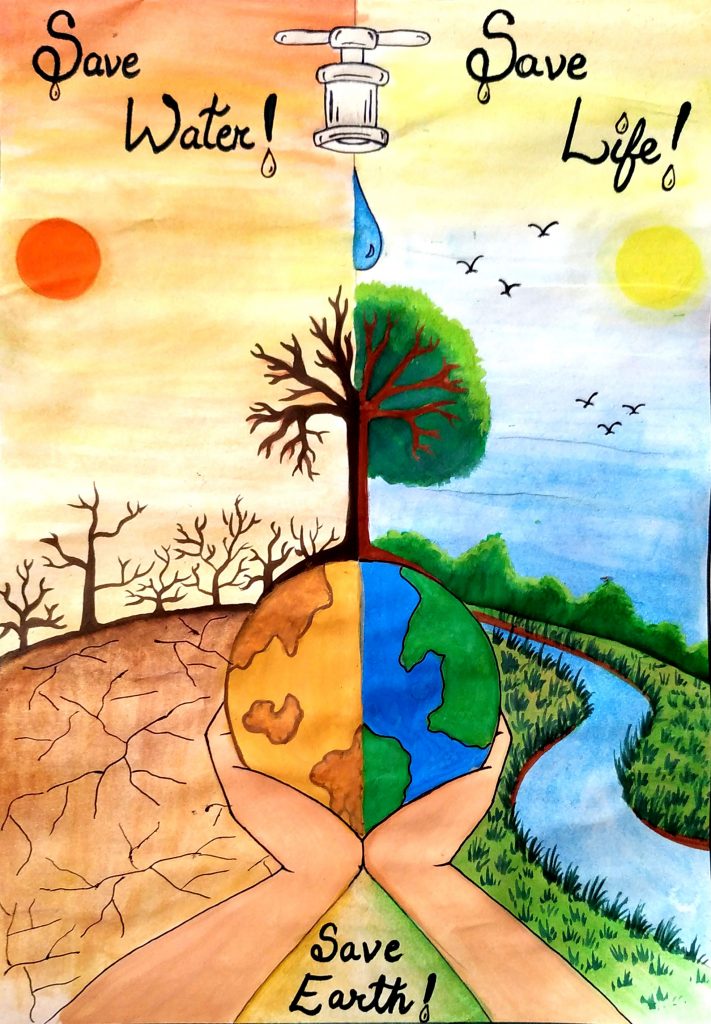
Water is the most essential natural resource for life on Earth. Every living organism—humans, animals, and plants—depends on water for survival. It is rightly said, “Water is life.” From drinking and cooking to agriculture, industry, and electricity generation, water plays a vital role in every aspect of our lives. Despite covering about 71% of the Earth’s surface, only a small fraction of this water is fresh and suitable for human use. Today, the world is facing a serious water crisis due to rapid population growth, pollution, climate change, and careless consumption. Therefore, the message “Save Water, Save Life” is not just a slogan but a necessity for survival.
This essay discusses the importance of water, causes of water scarcity, effects of water shortage, and practical measures to conserve water at individual, community, and national levels.
Importance of Water in Human Life
Water is fundamental to human existence. The human body is made up of approximately 60–70% water. It helps regulate body temperature, transport nutrients, remove waste, and support various biological functions. Without water, humans cannot survive for more than a few days.
Water is essential for:
- Drinking and maintaining health
- Cooking food
- Cleaning and sanitation
- Agriculture and irrigation
- Industrial production
- Generating electricity (hydropower)
- Transportation
Agriculture, which feeds the global population, depends heavily on water. Crops require adequate irrigation for growth. In countries like India, where a large portion of the population depends on farming, water availability directly affects food security and the economy.
Water Distribution on Earth
Although Earth appears as a “blue planet,” most of its water is saline and found in oceans and seas. Approximately:
- 97% of water is salty and not fit for drinking.
- Only about 3% is freshwater.
- Out of this 3%, nearly 2% is locked in glaciers and ice caps.
- Less than 1% is available for human use in rivers, lakes, and groundwater.
This limited availability makes water conservation extremely important.
Causes of Water Scarcity
Water scarcity is becoming a global problem. Several factors contribute to this crisis:
1. Rapid Population Growth
As the population increases, the demand for water rises. More people mean more need for drinking water, food production, and sanitation. This leads to overuse of available water resources.
2. Urbanization and Industrialization
Cities consume huge amounts of water for domestic and industrial purposes. Industries often discharge untreated waste into water bodies, polluting freshwater sources and making them unsafe.
3. Climate Change
Climate change has disturbed rainfall patterns. Some regions experience excessive rainfall and floods, while others face droughts. Irregular monsoons affect water storage and groundwater recharge.
4. Deforestation
Trees play a major role in maintaining the water cycle. Deforestation reduces rainfall and increases soil erosion, affecting groundwater levels.
5. Wastage of Water
Careless habits such as leaving taps running, washing vehicles with hoses, and over-irrigating fields lead to unnecessary wastage.
6. Pollution
Pollution from domestic sewage, plastic waste, chemicals, and fertilizers contaminates rivers and lakes. Polluted water cannot be used for drinking or agriculture without treatment.
Effects of Water Scarcity
Water scarcity has serious consequences for individuals, communities, and nations.
1. Health Problems
Lack of clean drinking water leads to water-borne diseases such as cholera, typhoid, and diarrhea. Poor sanitation increases infection rates.
2. Food Shortage
Water is essential for farming. Droughts reduce crop production, leading to food scarcity and higher prices.
3. Economic Loss
Industries that depend on water, such as agriculture, textiles, and power generation, suffer during water shortages. This affects employment and national income.
4. Social Conflicts
Water disputes between states and countries have increased. Competition over limited water resources can lead to tension and conflicts.
5. Environmental Damage
Lakes and rivers dry up, affecting aquatic life. Many species face extinction due to habitat loss.
Importance of Water Conservation
Water conservation means using water wisely and preventing unnecessary wastage. It ensures that future generations will also have access to clean water.
Conserving water helps to:
- Maintain ecological balance
- Reduce energy consumption (less pumping and treatment required)
- Protect wildlife
- Ensure food security
- Support sustainable development
Saving water is not only a personal responsibility but also a social duty.
Methods of Water Conservation
Water conservation can be practiced at different levels:
🌧️ 1. Rainwater Harvesting
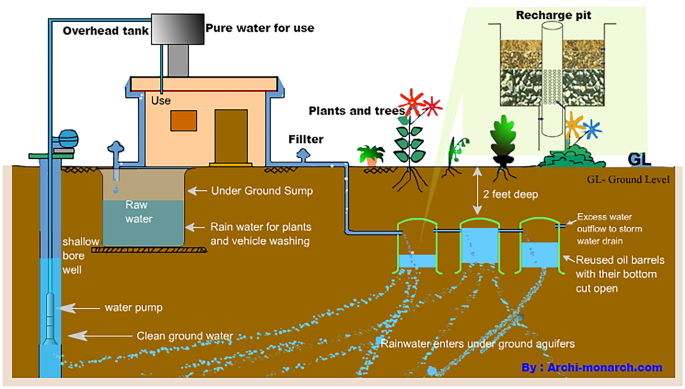


Rainwater harvesting involves collecting and storing rainwater for future use. Rooftop systems collect rainwater and store it in tanks or recharge groundwater.
Benefits:
- Reduces dependence on groundwater
- Prevents flooding
- Recharges water tables
- Provides water during dry seasons
Many schools, houses, and buildings can adopt this system easily.
🚿 2. Avoiding Water Wastage at Home
Simple habits can save large amounts of water:
- Turn off taps while brushing teeth.
- Repair leaking taps and pipes immediately.
- Use buckets instead of showers.
- Reuse water used for washing vegetables for plants.
- Use water-efficient appliances.
Every drop saved at home contributes to national conservation.
🌾 3. Efficient Irrigation Techniques
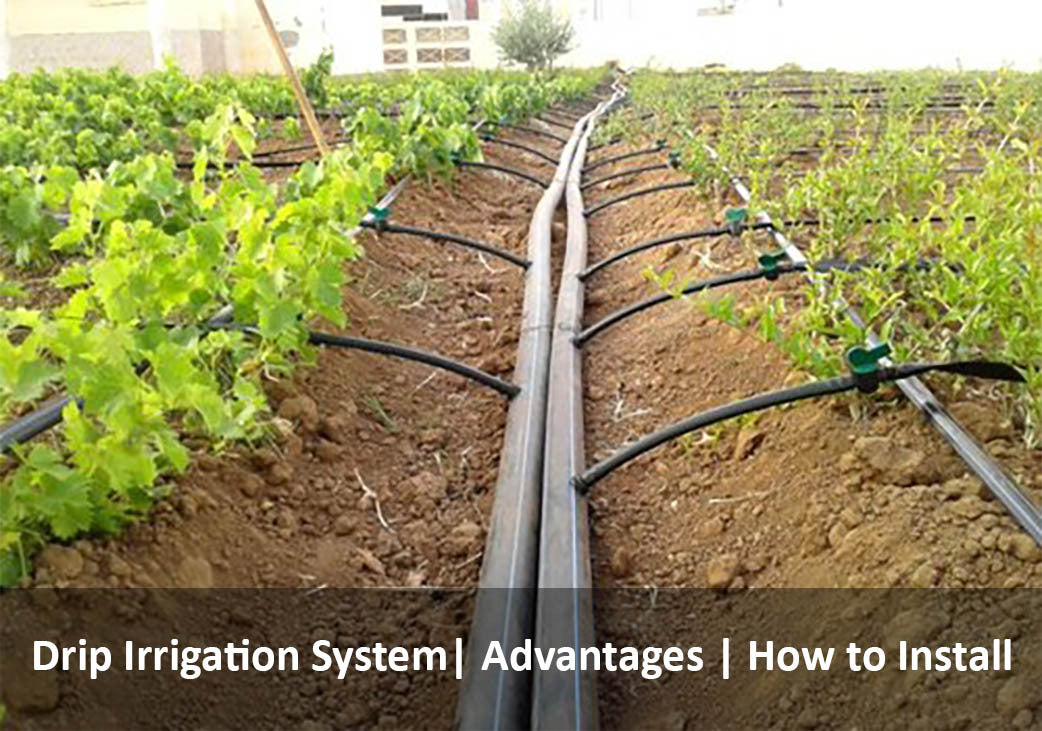
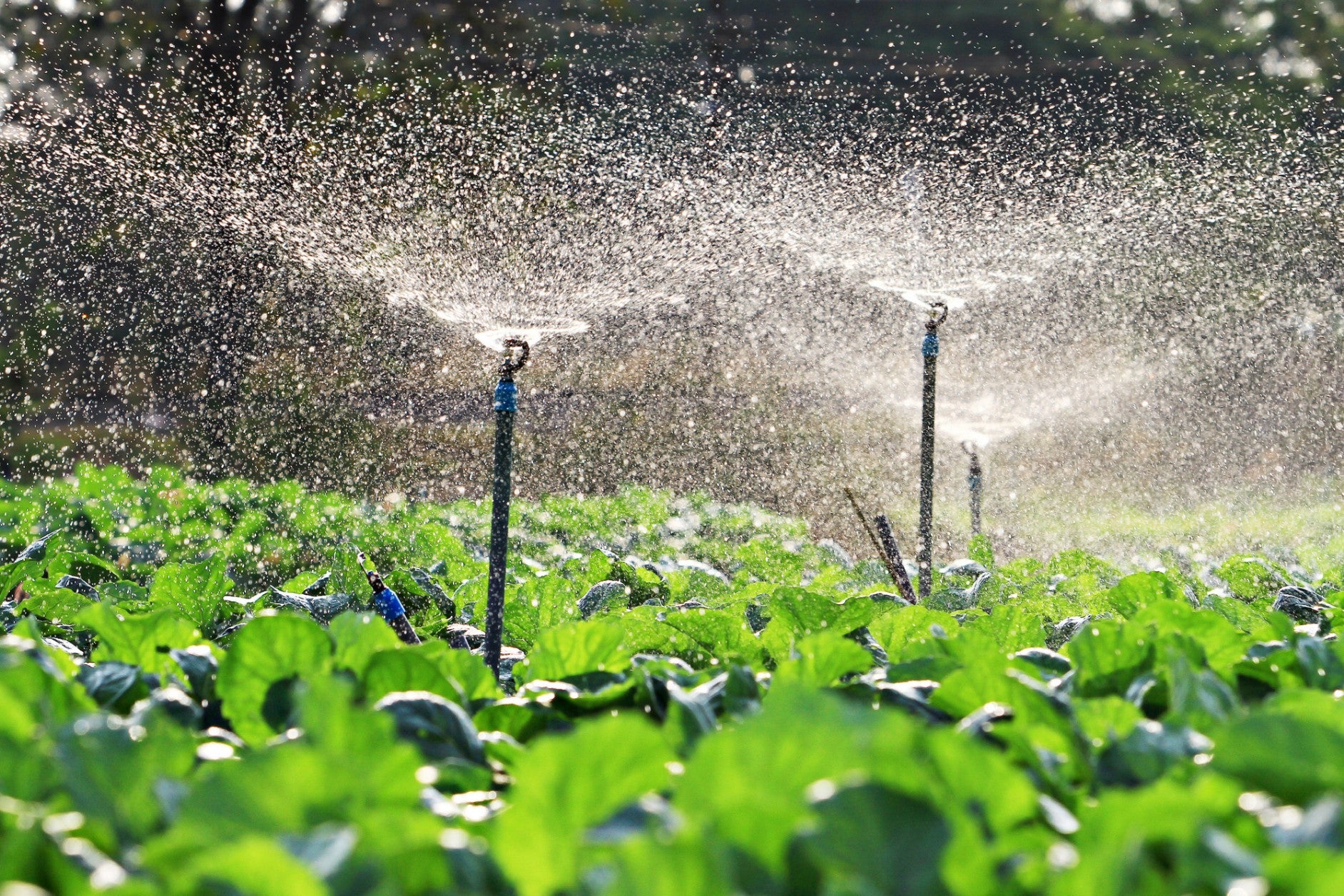
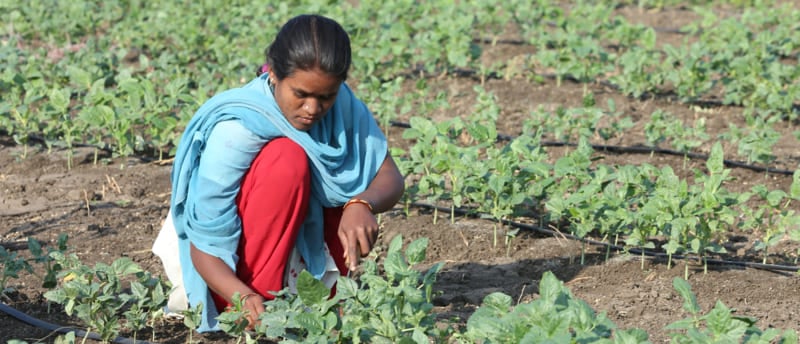

Agriculture consumes the largest share of freshwater. Using modern irrigation methods like:
- Drip irrigation
- Sprinkler systems
- Laser land leveling
These methods reduce water wastage and increase crop yield.
🏭 4. Industrial Water Management
Industries should:
- Recycle wastewater
- Use water-efficient technologies
- Treat sewage before discharge
- Adopt zero-liquid discharge systems
Proper management reduces pollution and conserves freshwater.
🌳 5. Afforestation and Environmental Protection
Planting trees increases rainfall and improves groundwater recharge. Forests help maintain the water cycle. Protecting wetlands and rivers is also essential.
🏛️ Government Initiatives
Governments worldwide are implementing programs to conserve water:
- Awareness campaigns
- Building dams and reservoirs
- Promoting rainwater harvesting
- Strict pollution control laws
- Smart water supply systems
Public participation is necessary for the success of these policies.
Role of Students and Youth
Students can play a crucial role in spreading awareness. They can:
- Organize water conservation rallies
- Educate family members
- Participate in plantation drives
- Avoid wasting water in schools
Young minds can influence society positively.
Water and Sustainable Development
Sustainable development means meeting present needs without compromising future generations. Water conservation is central to sustainability. Clean water supports health, agriculture, energy, and economic growth.
The United Nations has included “Clean Water and Sanitation” as one of the Sustainable Development Goals (SDGs). This highlights the global importance of water conservation.
Moral Responsibility Towards Water
Water is a gift of nature. It is not man-made, and once polluted or depleted, it takes years to restore. Our careless behavior can destroy this precious resource. Conserving water reflects responsibility, discipline, and respect for nature.
Every individual must understand that water is limited and priceless. Instead of thinking that small actions do not matter, we must remember that millions of small actions together create a big impact.
🎤 Speech on “Save Water, Save Life”
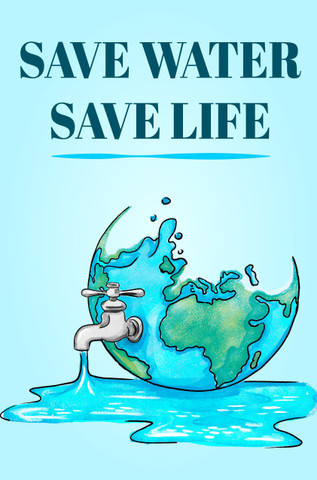


Water is the most precious gift of nature. Every living being on this planet depends on water for survival. The human body is made up of nearly 70% water. We need water to drink, cook, clean, grow food, generate electricity, and run industries. Without water, life on Earth would be impossible.
Although our planet is called the “Blue Planet,” most of the water available is salty and found in oceans. Only a small percentage of water is fresh and suitable for drinking. Out of that small amount, much of it is frozen in glaciers. This means the water available for human use is very limited. Yet, we continue to waste it carelessly.
Today, many parts of the world are facing severe water shortages. Rivers are drying up, groundwater levels are falling, and lakes are disappearing. Climate change has disturbed rainfall patterns. Some areas face floods, while others suffer from droughts. Rapid population growth, urbanization, pollution, and deforestation have worsened the situation.
In many villages and cities, people walk long distances just to fetch a bucket of water. Imagine a day without water — no drinking water, no food, no cleanliness, no electricity. Life would come to a standstill. This shows how important water is for us.
Water scarcity not only affects humans but also animals and plants. Farmers depend on water for irrigation. When there is no water, crops fail, leading to food shortages and rising prices. Industries also suffer losses. Lack of clean water causes diseases like cholera and typhoid. Thus, water shortage affects health, economy, and the environment.
But the good news is that we can prevent this crisis. Saving water is not difficult. Small steps taken by each one of us can make a big difference.
We can:
- Turn off taps while brushing teeth.
- Fix leaking pipes immediately.
- Use a bucket instead of a shower.
- Reuse water whenever possible.
- Avoid wasting water while washing vehicles.
- Promote rainwater harvesting in our homes and schools.
Rainwater harvesting is one of the best methods to conserve water. By collecting rainwater, we can recharge groundwater levels and reduce dependency on freshwater sources. Planting more trees also helps maintain the water cycle and increases rainfall.
Students and youth play a crucial role in spreading awareness. We can educate our families, participate in cleanliness drives, and support water conservation campaigns. Change begins with us.
Water is life. It is more precious than gold because we can live without gold, but not without water. If we waste water today, future generations will suffer tomorrow. It is our moral duty to protect and conserve this valuable resource.
Conclusion
“Save Water, Save Life” is more than a slogan; it is a call for survival. Water is the foundation of life, health, agriculture, industry, and development. However, due to population growth, pollution, climate change, and irresponsible usage, water scarcity is becoming a major global crisis.
We must adopt water-saving habits, promote rainwater harvesting, use efficient irrigation systems, reduce pollution, and support government initiatives. Awareness and collective effort can protect our water resources for future generations.
If we fail to conserve water today, we risk a future where clean drinking water becomes rare and conflicts over water increase. But if we act responsibly, we can ensure a sustainable and prosperous world.
“Save Water, Save Life” is not merely a phrase meant for posters, speeches, or school competitions—it is a powerful reminder of our collective responsibility toward the planet and future generations. Water is the foundation of all life forms. It sustains ecosystems, supports agriculture, drives industries, and maintains human health. From the smallest microorganism to the largest mammal, every living being depends on water for survival. Without it, Earth would become a barren and lifeless planet. Therefore, protecting and conserving water is not a choice; it is an urgent necessity.
Throughout history, civilizations have flourished near rivers and water bodies. The availability of water has always determined the growth and prosperity of societies. Even today, cities develop around lakes and rivers because water is central to human settlement. However, the very resource that has nurtured humanity for centuries is now under severe threat. Rapid population growth, excessive consumption, pollution, deforestation, climate change, and irresponsible human behavior have pushed water resources to the brink of depletion. If immediate action is not taken, the consequences may be irreversible.
One of the most alarming aspects of the water crisis is the misconception that water is unlimited. Because oceans cover most of the Earth’s surface, many assume that water is abundant. However, only a tiny fraction of the planet’s water is freshwater suitable for human use. Even this small percentage is unevenly distributed across regions. Some areas experience floods, while others suffer from severe droughts. This imbalance highlights the fragile nature of water availability and the importance of managing it wisely.
Water scarcity affects every aspect of life. It threatens food security, as agriculture depends heavily on irrigation. Without adequate water, crops fail, livestock suffers, and farmers face financial hardship. In many developing regions, the lack of water forces children to walk miles each day to collect it, often missing school in the process. Women and girls are disproportionately affected, as they bear the burden of fetching water for their families. Thus, water scarcity is not just an environmental issue; it is a social and economic challenge as well.
Health is another critical area impacted by water shortages. Clean drinking water and proper sanitation are essential for preventing diseases. When water sources are contaminated or insufficient, communities face outbreaks of water-borne illnesses such as cholera, dysentery, and typhoid. Poor sanitation due to limited water further worsens public health conditions. Ensuring access to safe water is fundamental to improving quality of life and reducing mortality rates.
Environmental consequences of water depletion are equally concerning. Rivers drying up, wetlands shrinking, and groundwater levels falling disrupt ecosystems and endanger countless species. Aquatic plants and animals lose their habitats, leading to biodiversity loss. Forests, which rely on regular rainfall and healthy water cycles, also suffer when water systems are disturbed. Nature operates on a delicate balance, and water is at the heart of this balance. Protecting water resources means protecting the environment itself.
Climate change adds another layer of complexity to the water crisis. Rising global temperatures have intensified evaporation rates and altered rainfall patterns. Some regions experience extreme rainfall and floods, while others endure prolonged droughts. Melting glaciers, which serve as natural freshwater reservoirs, threaten long-term water supplies for millions of people. These changes demand immediate and adaptive water management strategies to secure future availability.
Despite the severity of the situation, there is hope. Solutions exist, and progress is possible if individuals, communities, industries, and governments work together. Water conservation begins with awareness. When people understand the value of water and recognize its scarcity, they are more likely to adopt responsible habits. Simple actions—such as turning off taps when not in use, repairing leaks, using water-efficient appliances, and reusing water whenever possible—can collectively make a significant difference.
Rainwater harvesting is one of the most effective and sustainable solutions to water scarcity. By collecting and storing rainwater, households and communities can reduce their dependence on groundwater and municipal supplies. This practice not only conserves water but also helps recharge aquifers and prevent flooding. Similarly, modern irrigation methods like drip and sprinkler systems can dramatically reduce water wastage in agriculture while increasing crop productivity.
Industries must also play their part. Water recycling, wastewater treatment, and efficient production processes can significantly reduce industrial water consumption. Governments should enforce strict regulations to prevent pollution and encourage sustainable practices. Investments in infrastructure, such as dams, reservoirs, and smart water distribution systems, are essential for managing resources effectively. Public policies must prioritize water conservation and ensure equitable access for all citizens.
Education is perhaps the most powerful tool in promoting long-term water sustainability. Schools and colleges should integrate water conservation topics into their curriculum to instill environmental responsibility from a young age. Awareness campaigns, community programs, and social initiatives can spread the message widely. When people are informed and motivated, they become agents of change in their homes and neighborhoods.
Youth play a particularly important role in shaping a water-secure future. Young people have the energy, creativity, and passion needed to drive environmental movements. By participating in awareness campaigns, tree plantation drives, and conservation projects, they can inspire others to take action. Small initiatives taken today can grow into large-scale transformations tomorrow.
At its core, saving water is about respecting nature and recognizing our interconnectedness with it. Humans are not separate from the environment; we are part of it. When we exploit natural resources without thought, we ultimately harm ourselves. Conserving water reflects gratitude for nature’s gifts and a commitment to safeguarding them for future generations.
The phrase “Save Water, Save Life” also reminds us of intergenerational responsibility. The water we waste today could have sustained future communities. Our actions have long-term consequences. If we continue to misuse water, the next generation may face severe shortages and conflicts over resources. On the other hand, if we act responsibly and conserve water, we can ensure a stable and prosperous future for all.
Moreover, water conservation promotes economic stability. Efficient water management reduces costs in agriculture and industry, boosts productivity, and minimizes disaster-related losses caused by droughts and floods. Sustainable practices create opportunities for innovation and green technologies, contributing to economic growth while protecting the environment.
Ultimately, the water crisis is not a distant problem—it is happening now. Many regions already experience “water stress,” and the number continues to rise. The decisions we make today will determine whether the situation improves or worsens. Every drop of water saved is a step toward sustainability. Every effort counts, no matter how small it may seem.
In reflecting on the importance of water, we must remember that it is irreplaceable. Unlike other resources, there is no substitute for water. It cannot be manufactured or artificially created in sufficient quantities to meet global needs. Once polluted or depleted, restoring water sources requires immense time, effort, and cost. Prevention is far better than cure.
Therefore, let us adopt a mindset of conservation rather than consumption. Let us treat water as a precious treasure rather than a limitless commodity. Let us encourage innovation, support environmental policies, and practice responsible usage in our daily lives. Through collective effort, awareness, and commitment, we can overcome the challenges of water scarcity.
In the end, the message remains simple yet profound: saving water means saving life. It means protecting our health, ensuring food security, preserving ecosystems, supporting economic growth, and securing the future of our planet. Water is the essence of existence. By conserving it, we honor life itself.
“How to Save Water”
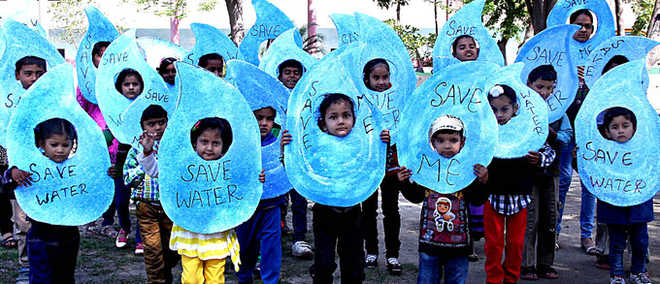

“How to Save Water.” Water is not just a natural resource; it is the foundation of life. Every living being on Earth depends on water to survive. Without water, there would be no plants, no animals, and no human life.
We often hear the phrase, “Water is life.” But do we truly understand its meaning? Water is used in everything we do — drinking, cooking, bathing, cleaning, farming, producing electricity, and manufacturing goods. Yet, despite its importance, we waste it carelessly every day.
Although about 71% of the Earth’s surface is covered with water, only a small percentage is freshwater suitable for human use. Most of the water is salty and found in oceans. Out of the small amount of freshwater available, much is locked in glaciers. This means the water available for daily use is very limited. That is why saving water is not just important — it is necessary.
Today, I will share practical and effective ways in which we can save water in our daily lives.
1️⃣ Save Water at Home
The first and most important step begins at home. Small habits can make a big difference.
- Turn off the tap while brushing your teeth or washing your hands.
- Use a bucket instead of a shower while bathing.
- Fix leaking taps and pipes immediately. A small leak can waste hundreds of liters of water in a month.
- Do not let the tap run while washing utensils.
- Use a broom instead of water to clean driveways and sidewalks.
- Wash vehicles with a bucket instead of a hosepipe.
- Reuse water used for washing vegetables to water plants.
If every household follows these simple steps, millions of liters of water can be saved every day.
2️⃣ Practice Rainwater Harvesting
Rainwater harvesting is one of the most effective methods to save water. It involves collecting and storing rainwater for future use. Rooftops can be used to collect rainwater and store it in tanks. This water can be used for gardening, cleaning, and even drinking after proper filtration.
Rainwater harvesting helps:
- Recharge groundwater levels
- Reduce water bills
- Prevent flooding
- Provide water during dry seasons
Schools, offices, and homes should install rainwater harvesting systems to conserve water.
3️⃣ Use Water Efficiently in Agriculture
Agriculture consumes the largest amount of freshwater. Farmers can save water by:
- Using drip irrigation systems
- Installing sprinkler systems
- Avoiding over-irrigation
- Growing crops suitable for the local climate
Modern irrigation techniques reduce water wastage and increase crop yield. This ensures food security while conserving water.
4️⃣ Reduce Water Pollution
Saving water also means keeping it clean. Polluted water cannot be used without expensive treatment.
We can reduce pollution by:
- Not throwing garbage into rivers and lakes
- Avoiding plastic use
- Using eco-friendly detergents
- Treating industrial waste before disposal
Clean water sources ensure healthy communities and protect aquatic life.
5️⃣ Plant More Trees
Trees play an important role in maintaining the water cycle. They help in rainfall and groundwater recharge. Deforestation leads to drought and soil erosion.
Planting trees is one of the simplest and most powerful ways to save water for the future.
6️⃣ Spread Awareness
Awareness is the key to change. We must educate our friends, family members, and neighbors about the importance of water conservation. Schools can organize rallies, poster-making competitions, and seminars to spread the message.
When people understand the seriousness of water scarcity, they become more responsible.
7️⃣ Support Government Initiatives
Governments are implementing policies and programs to conserve water. As responsible citizens, we should support these initiatives and follow rules related to water usage and pollution control.
Community participation is essential for success.
Why Saving Water Is Important
Saving water protects us from:
- Water shortages
- Food scarcity
- Health problems
- Environmental damage
- Economic losses
Water scarcity can lead to serious conflicts between regions and countries. If we do not act now, future generations will suffer.
Role of Students and Youth
As students, we have a special responsibility. We can:
- Avoid wasting water at school
- Report leaking taps
- Participate in plantation drives
- Spread awareness through social media
Save Water – 100 MCQs
1. Water is essential for:
A) Life
B) Decoration
C) Entertainment
D) Luxury
Answer: A
2. About how much of the Earth’s surface is covered with water?
A) 50%
B) 60%
C) 71%
D) 90%
Answer: C
3. Most of the Earth’s water is found in:
A) Rivers
B) Lakes
C) Oceans
D) Glaciers
Answer: C
4. The percentage of freshwater on Earth is approximately:
A) 3%
B) 10%
C) 20%
D) 50%
Answer: A
5. Water used for farming is called:
A) Irrigation
B) Filtration
C) Sedimentation
D) Evaporation
Answer: A
6. The best method to conserve rainwater is:
A) Boiling
B) Rainwater harvesting
C) Distillation
D) Chlorination
Answer: B
7. Leaving the tap open while brushing wastes:
A) Air
B) Electricity
C) Water
D) Soil
Answer: C
8. Drip irrigation helps to:
A) Increase wastage
B) Reduce water use
C) Pollute soil
D) Stop farming
Answer: B
9. Water-borne diseases are caused by:
A) Clean water
B) Polluted water
C) Air
D) Sunlight
Answer: B
10. The main cause of groundwater depletion is:
A) Saving water
B) Overuse
C) Recycling
D) Plantation
Answer: B
11. Fixing leaking taps helps to:
A) Waste water
B) Save water
C) Increase bills
D) None
Answer: B
12. Trees help in:
A) Reducing rainfall
B) Maintaining water cycle
C) Polluting water
D) Blocking rivers
Answer: B
13. Water is important for generating:
A) Sound
B) Electricity
C) Light
D) Plastic
Answer: B
14. Water scarcity leads to:
A) Health problems
B) Good crops
C) Clean air
D) None
Answer: A
15. The slogan “Save Water, Save Life” promotes:
A) Wastage
B) Conservation
C) Pollution
D) None
Answer: B
16. The major user of freshwater is:
A) Agriculture
B) Cinema
C) Sports
D) Banking
Answer: A
17. Turning off the tap while washing hands saves:
A) Gas
B) Electricity
C) Water
D) Food
Answer: C
18. Deforestation affects:
A) Water cycle
B) Music
C) Internet
D) Transport
Answer: A
19. Rainwater harvesting helps recharge:
A) Oceans
B) Groundwater
C) Clouds
D) Icebergs
Answer: B
20. Water pollution is mainly caused by:
A) Garbage
B) Trees
C) Wind
D) Rocks
Answer: A
21. Water is needed for human body to:
A) Grow plants
B) Regulate temperature
C) Produce plastic
D) None
Answer: B
22. The process of water turning into vapor is:
A) Condensation
B) Evaporation
C) Filtration
D) Irrigation
Answer: B
23. The water cycle includes evaporation, condensation, and:
A) Pollution
B) Precipitation
C) Filtration
D) Distillation
Answer: B
24. The largest source of usable freshwater is:
A) Oceans
B) Groundwater
C) Sea
D) Clouds
Answer: B
25. Which activity wastes more water?
A) Bucket bath
B) Shower bath
C) Turning off tap
D) Rainwater harvesting
Answer: B
26. Using a bucket instead of a hose to wash a car can:
A) Waste more water
B) Save water
C) Pollute water
D) Increase rainfall
Answer: B
27. Water stored underground is called:
A) Surface water
B) Groundwater
C) Sea water
D) River water
Answer: B
28. Over-irrigation leads to:
A) Water conservation
B) Water wastage
C) Rainfall
D) Clean rivers
Answer: B
29. Which is a modern irrigation method?
A) Flooding fields
B) Drip irrigation
C) Overflowing canals
D) Wasting water
Answer: B
30. The main reason for water crisis is:
A) Saving water
B) Overuse and pollution
C) Plantation
D) Low population
Answer: B
31. Water conservation helps future:
A) Problems
B) Generations
C) Pollution
D) Droughts
Answer: B
32. Rivers dry up mainly due to:
A) Conservation
B) Overuse
C) Planting trees
D) Rain
Answer: B
33. The best time to water plants is:
A) Afternoon
B) Midnight
C) Early morning
D) Noon
Answer: C
34. Water used again after treatment is called:
A) Polluted water
B) Recycled water
C) Waste water
D) Sea water
Answer: B
35. Excessive use of groundwater causes:
A) Recharge
B) Depletion
C) Rain
D) Flood
Answer: B
36. Saving water reduces:
A) Sustainability
B) Availability
C) Water bills
D) Cleanliness
Answer: C
37. A leaking tap can waste water in:
A) Minutes
B) Months
C) Years
D) All of these
Answer: D
38. Rainwater harvesting prevents:
A) Groundwater recharge
B) Flooding
C) Crop growth
D) Rainfall
Answer: B
39. Clean water prevents:
A) Diseases
B) Education
C) Growth
D) Farming
Answer: A
40. Which is NOT a water-saving habit?
A) Turning off tap
B) Fixing leaks
C) Letting water run
D) Reusing water
Answer: C
41. Water conservation supports:
A) Environment
B) Pollution
C) Wastage
D) None
Answer: A
42. Global warming affects:
A) Water cycle
B) Music
C) Books
D) Roads
Answer: A
43. Less rainfall leads to:
A) Flood
B) Drought
C) Clean water
D) Recharge
Answer: B
44. The process of cleaning water is called:
A) Pollution
B) Filtration
C) Irrigation
D) Evaporation
Answer: B
45. Which sector uses most water?
A) IT
B) Agriculture
C) Cinema
D) Banking
Answer: B
46. Planting trees helps in:
A) Soil erosion
B) Rainfall
C) Pollution
D) Drought
Answer: B
47. Oceans contain water that is:
A) Fresh
B) Salty
C) Clean
D) Filtered
Answer: B
48. Saving water is a:
A) Waste
B) Responsibility
C) Problem
D) Hobby
Answer: B
49. The main aim of “Save Water” campaign is:
A) Waste water
B) Conserve water
C) Pollute water
D) Stop rain
Answer: B
50. Water is important for:
A) Survival
B) Decoration
C) Luxury
D) None
Answer: A
51. Turning off the shower while applying soap helps to:
A) Waste water
B) Increase water use
C) Save water
D) Stop rainfall
Answer: C
52. Water scarcity mainly affects:
A) Human health
B) Television
C) Fashion
D) Sports
Answer: A
53. Smart irrigation methods help to:
A) Increase wastage
B) Reduce water wastage
C) Stop crop growth
D) Pollute soil
Answer: B
54. Clean rivers are important for:
A) Aquatic life
B) Plastic dumping
C) Wastage
D) Pollution
Answer: A
55. Water crisis is considered a:
A) Local issue only
B) Temporary problem
C) Global issue
D) Seasonal hobby
Answer: C
56. Running a washing machine with a full load helps to:
A) Waste more water
B) Increase bills
C) Save water
D) Damage clothes
Answer: C
57. Industrial waste should be treated before entering:
A) Playground
B) Rivers
C) Roads
D) Markets
Answer: B
58. Water conservation ensures:
A) Pollution
B) Sustainability
C) Scarcity
D) Flood
Answer: B
59. Drip irrigation supplies water directly to the:
A) Leaves
B) Flowers
C) Roots
D) Sky
Answer: C
60. Cutting too many trees may result in:
A) Heavy rainfall
B) Less rainfall
C) Clean air
D) More groundwater
Answer: B
61. Water is renewable but:
A) Unlimited
B) Limited
C) Artificial
D) Colorful
Answer: B
62. Wasting water today affects:
A) Past generations
B) Future generations
C) Only animals
D) Only industries
Answer: B
63. Which method saves more water?
A) Long shower
B) Bucket bath
C) Hose washing
D) Open tap
Answer: B
64. Major source of drinking water in many areas is:
A) Ocean
B) Groundwater
C) Desert
D) Cloud
Answer: B
65. Fixing leaks immediately prevents:
A) Water loss
B) Rainfall
C) Pollution
D) Flood
Answer: A
66. Water is essential for:
A) Plants only
B) Animals only
C) Humans only
D) All living beings
Answer: D
67. Rainwater harvesting helps to:
A) Increase pollution
B) Store rainwater
C) Waste water
D) Stop rain
Answer: B
68. Excessive use of water leads to:
A) Abundance
B) Clean rivers
C) Scarcity
D) Growth
Answer: C
69. Water supports agriculture, industry, and:
A) Pollution
B) Entertainment
C) Human survival
D) Decoration
Answer: C
70. Saving water also saves:
A) Energy
B) Sand
C) Smoke
D) Plastic
Answer: A
71. Water pollution harms:
A) Fish
B) Humans
C) Plants
D) All of these
Answer: D
72. Sustainable development requires:
A) Wastage
B) Water conservation
C) Deforestation
D) Pollution
Answer: B
73. Earth is called the Blue Planet because of:
A) Water
B) Trees
C) Clouds
D) Sand
Answer: A
74. Freshwater is mainly found in:
A) Oceans
B) Rivers and lakes
C) Deserts
D) Seas
Answer: B
75. Drought is caused by:
A) Heavy rain
B) Flood
C) Lack of rainfall
D) Storm
Answer: C
76. Pure water is generally:
A) Black
B) Colorless
C) Yellow
D) Green
Answer: B
77. Proper sanitation depends on:
A) Clean water
B) Air
C) Dust
D) Smoke
Answer: A
78. Excess pumping of groundwater lowers the:
A) Mountain
B) Water table
C) Cloud level
D) Sea level
Answer: B
79. Conservation means:
A) Destroying resources
B) Wasting resources
C) Saving resources
D) Ignoring resources
Answer: C
80. Every drop of water is:
A) Precious
B) Useless
C) Dirty
D) Harmful
Answer: A
81. Saving water benefits:
A) Environment
B) People
C) Animals
D) All of these
Answer: D
82. The water cycle is powered by the:
A) Moon
B) Sun
C) Wind
D) Soil
Answer: B
83. Repairing broken pipes promotes:
A) Pollution
B) Conservation
C) Scarcity
D) Flood
Answer: B
84. Students can help save water by:
A) Reporting leaks
B) Spreading awareness
C) Avoiding wastage
D) All of these
Answer: D
85. Water is needed for agriculture and:
A) Factories
B) Music
C) Dance
D) Sports
Answer: A
86. Maximum water wastage occurs in:
A) Agriculture
B) Cinema
C) Schools
D) Parks
Answer: A
87. Recycling wastewater reduces demand for:
A) Plastic
B) Freshwater
C) Oil
D) Sand
Answer: B
88. Water scarcity can lead to:
A) Peace
B) Conflicts
C) Celebration
D) Festivals
Answer: B
89. The slogan promoting conservation is:
A) Waste Water
B) Save Water Save Life
C) Use More Water
D) Ignore Water
Answer: B
90. A dripping tap may waste water:
A) Once a year
B) Never
C) Daily
D) Once a month
Answer: C
91. Water conservation begins at:
A) Market
B) Home
C) Airport
D) Mall
Answer: B
92. Water is required for:
A) Drinking
B) Cooking
C) Cleaning
D) All of these
Answer: D
93. Awareness about water saving can be spread through:
A) Campaigns
B) Schools
C) Media
D) All of these
Answer: D
94. Lack of water causes:
A) Good harvest
B) Crop failure
C) Abundance
D) Growth
Answer: B
95. Water security depends on:
A) Pollution
B) Wastage
C) Conservation
D) Ignorance
Answer: C
96. Most freshwater is locked in:
A) Oceans
B) Glaciers
C) Rivers
D) Lakes
Answer: B
97. Saving water protects the:
A) Environment
B) Pollution
C) Smoke
D) Dust
Answer: A
98. Treating wastewater makes it:
A) Reusable
B) Polluted
C) Salty
D) Dirty
Answer: A
99. Water is a natural:
A) Problem
B) Decoration
C) Resource
D) Toy
Answer: C
100. Saving water ultimately saves:
A) Life
B) Plastic
C) Sand
D) Smoke
Answer: A
Directions:
Choose the correct option:
A) Both Assertion and Reason are true, and Reason is the correct explanation of Assertion.
B) Both Assertion and Reason are true, but Reason is not the correct explanation of Assertion.
C) Assertion is true, but Reason is false.
D) Assertion is false, but Reason is true.
Assertion–Reason Questions
1.
Assertion (A): Water is essential for all living organisms.
Reason (R): All biological processes require water.
Answer: A
2.
A: Most of Earth’s water is fit for drinking.
R: Oceans contain saline water.
Answer: D
3.
A: Rainwater harvesting helps conserve water.
R: It stores rainwater for future use.
Answer: A
4.
A: Fixing leaking taps saves water.
R: Leaks cause continuous water loss.
Answer: A
5.
A: Agriculture consumes a large amount of freshwater.
R: Crops require irrigation for growth.
Answer: A
6.
A: Drip irrigation reduces water wastage.
R: It supplies water directly to plant roots.
Answer: A
7.
A: Water pollution reduces availability of clean water.
R: Polluted water cannot be used without treatment.
Answer: A
8.
A: Groundwater levels are decreasing in many regions.
R: Excessive pumping is common.
Answer: A
9.
A: Deforestation affects rainfall.
R: Trees help maintain the water cycle.
Answer: A
10.
A: Saving water helps future generations.
R: Water is unlimited.
Answer: C
11.
A: Using a bucket bath saves water.
R: Showers generally use more water.
Answer: A
12.
A: Water scarcity can cause conflicts.
R: Water is an essential resource.
Answer: A
13.
A: Oceans are a major source of freshwater.
R: Ocean water is salty.
Answer: D
14.
A: Recycled water can reduce freshwater demand.
R: Treated wastewater can be reused.
Answer: A
15.
A: Water is a renewable resource.
R: It is part of the water cycle.
Answer: A
16.
A: Turning off taps while brushing saves water.
R: Continuous flow wastes water unnecessarily.
Answer: A
17.
A: Climate change affects water availability.
R: It alters rainfall patterns.
Answer: A
18.
A: Clean water prevents diseases.
R: Polluted water spreads infections.
Answer: A
19.
A: Sustainable development requires water conservation.
R: Water supports economic growth.
Answer: A
20.
A: Over-irrigation is beneficial for crops.
R: It leads to water wastage.
Answer: D
21. A: Rainwater harvesting reduces flooding.
R: It collects excess rainwater.
Answer: A
22. A: Water is needed for electricity generation.
R: Hydropower plants use flowing water.
Answer: A
23. A: Water scarcity affects food security.
R: Crops need sufficient water.
Answer: A
24. A: Saving water reduces energy consumption.
R: Pumping and treating water requires energy.
Answer: A
25. A: Water conservation is everyone’s responsibility.
R: Individual actions make no difference.
Answer: C
26. A: Glaciers store freshwater.
R: Most freshwater is frozen in ice caps.
Answer: A
27. A: Polluting rivers harms aquatic life.
R: Fish need clean water to survive.
Answer: A
28. A: Dripping taps waste significant water.
R: A small leak can waste liters daily.
Answer: A
29. A: Population growth increases water demand.
R: More people require more water.
Answer: A
30. A: Oceans provide drinking water directly.
R: Ocean water must be desalinated first.
Answer: D
31. A: Planting trees supports groundwater recharge.
R: Roots help water seep into soil.
Answer: A
32. A: Water-borne diseases spread through clean water.
R: Polluted water carries pathogens.
Answer: D
33. A: Water is vital for sanitation.
R: Clean water maintains hygiene.
Answer: A
34. A: Flood irrigation wastes water.
R: It spreads water unevenly.
Answer: A
35. A: Recycling wastewater is harmful.
R: Treated wastewater can be reused safely.
Answer: D
36. A: Saving water lowers utility bills.
R: Less consumption reduces charges.
Answer: A
37. A: Water table decreases due to overuse.
R: Excess extraction reduces groundwater levels.
Answer: A
38. A: Rainwater harvesting increases groundwater levels.
R: Stored rainwater recharges aquifers.
Answer: A
39. A: Water conservation reduces drought risk.
R: Stored water is available during dry periods.
Answer: A
40. A: Oceans contain most of Earth’s water.
R: About 97% of water is saline.
Answer: A
41. A: Saving water protects ecosystems.
R: Aquatic life depends on water availability.
Answer: A
42. A: Water crisis is only a rural issue.
R: Urban areas also face shortages.
Answer: D
43. A: Industrial waste should be treated.
R: Untreated waste pollutes water bodies.
Answer: A
44. A: Drip irrigation improves crop yield.
R: Efficient water supply enhances growth.
Answer: A
45. A: Water is needed for digestion.
R: Body processes require water.
Answer: A
46. A: Drought occurs due to excess rainfall.
R: Drought is caused by lack of rain.
Answer: D
47. A: Conserving water is costly and useless.
R: Conservation ensures sustainability.
Answer: D
48. A: Turning off leaking taps saves water.
R: Continuous dripping wastes water.
Answer: A
49. A: Climate change melts glaciers.
R: Rising temperatures cause melting.
Answer: A
50. A: Water is essential for agriculture.
R: Plants need water for photosynthesis.
Answer: A
51. A: Water pollution reduces biodiversity.
R: Aquatic organisms need clean habitats.
Answer: A
52. A: Overuse of water causes scarcity.
R: Resources are limited.
Answer: A
53. A: Water supports industry.
R: Manufacturing requires water.
Answer: A
54. A: Rainwater harvesting wastes water.
R: It stores rainwater.
Answer: D
55. A: Clean water improves health.
R: It prevents disease spread.
Answer: A
56. A: Water conservation promotes sustainability.
R: It ensures long-term availability.
Answer: A
57. A: Groundwater recharge is important.
R: It maintains water table levels.
Answer: A
58. A: Water is replaceable by other liquids.
R: No substitute for water exists.
Answer: D
59. A: Efficient irrigation saves water.
R: It reduces unnecessary flow.
Answer: A
60. A: Water scarcity affects economy.
R: Industries depend on water.
Answer: A
Here are Assertion–Reason Questions 61 to 100 on Save Water / Water Conservation in full proper format.
🔹 Directions:
Choose the correct option:
A) Both Assertion and Reason are true, and Reason is the correct explanation of Assertion.
B) Both Assertion and Reason are true, but Reason is not the correct explanation of Assertion.
C) Assertion is true, but Reason is false.
D) Assertion is false, but Reason is true.
61.
Assertion (A): Water pollution reduces biodiversity in rivers.
Reason (R): Aquatic organisms need clean water to survive.
Answer: A
62.
A: Overuse of freshwater leads to water scarcity.
R: Freshwater resources are limited.
Answer: A
63.
A: Water is necessary for industrial production.
R: Many manufacturing processes require water.
Answer: A
64.
A: Rainwater harvesting increases water wastage.
R: It collects and stores rainwater.
Answer: D
65.
A: Clean drinking water improves public health.
R: Contaminated water spreads diseases.
Answer: A
66.
A: Water conservation supports sustainable development.
R: Sustainable development ensures resources for future generations.
Answer: A
67.
A: Excessive groundwater extraction lowers the water table.
R: Continuous pumping reduces underground water levels.
Answer: A
68.
A: Oceans provide usable freshwater for direct consumption.
R: Ocean water is saline and requires desalination.
Answer: D
69.
A: Drip irrigation conserves water in farming.
R: It supplies water directly to plant roots.
Answer: A
70.
A: Water scarcity negatively affects economic growth.
R: Industries and agriculture depend heavily on water.
Answer: A
71.
A: Saving water reduces pressure on natural resources.
R: Less extraction preserves water sources.
Answer: A
72.
A: Deforestation decreases groundwater recharge.
R: Trees help water seep into the soil.
Answer: A
73.
A: Turning off taps while brushing teeth conserves water.
R: Continuous water flow during brushing wastes water.
Answer: A
74.
A: Climate change impacts global water distribution.
R: It alters rainfall patterns and glacier melting.
Answer: A
75.
A: Flood irrigation is the most efficient irrigation method.
R: It causes uneven water distribution and wastage.
Answer: D
76.
A: Recycling wastewater reduces freshwater demand.
R: Treated water can be reused for various purposes.
Answer: A
77.
A: Water is essential for photosynthesis in plants.
R: Plants require water to produce food.
Answer: A
78.
A: A leaking tap can waste large amounts of water over time.
R: Even small drips add up to significant water loss.
Answer: A
79.
A: Proper sanitation depends on clean water availability.
R: Hygiene practices require sufficient water supply.
Answer: A
80.
A: Water conservation reduces energy consumption.
R: Pumping and treating water require electricity.
Answer: A
81.
A: Water crisis is only a rural issue.
R: Urban areas also face severe water shortages.
Answer: D
82.
A: Planting trees contributes to maintaining the water cycle.
R: Trees release water vapor through transpiration.
Answer: A
83.
A: Conserving water helps prevent drought impact.
R: Stored water can be used during dry periods.
Answer: A
84.
A: Industrial discharge without treatment pollutes rivers.
R: Chemicals and waste contaminate water bodies.
Answer: A
85.
A: Using buckets instead of showers saves water.
R: Showers usually consume more water than buckets.
Answer: A
86.
A: Water scarcity can lead to social conflicts.
R: Communities compete for limited water resources.
Answer: A
87.
A: Glaciers are important sources of freshwater.
R: They store a large percentage of Earth’s freshwater.
Answer: A
88.
A: Saving water at home has no impact globally.
R: Individual actions collectively create large change.
Answer: D
89.
A: Pollution makes water unsuitable for drinking.
R: Contaminants make water unsafe without treatment.
Answer: A
90.
A: Water is a non-renewable resource.
R: Water continuously circulates through the water cycle.
Answer: D
91.
A: Efficient irrigation improves crop productivity.
R: Adequate water supply enhances plant growth.
Answer: A
92.
A: Rainwater harvesting helps recharge groundwater.
R: Stored rainwater seeps into underground aquifers.
Answer: A
93.
A: Water pollution benefits aquatic ecosystems.
R: Pollutants damage aquatic life.
Answer: D
94.
A: Conserving water lowers household expenses.
R: Reduced water usage decreases utility bills.
Answer: A
95.
A: Excessive water use today affects future availability.
R: Freshwater sources are limited and depleting.
Answer: A
96.
A: Oceans contain about 97% of Earth’s water.
R: Most of this water is saline.
Answer: A
97.
A: Drought occurs due to prolonged lack of rainfall.
R: Insufficient rainfall reduces water availability.
Answer: A
98.
A: Water is essential for digestion in humans.
R: It helps in nutrient absorption and waste removal.
Answer: A
99.
A: Water conservation protects natural ecosystems.
R: Ecosystems depend on adequate water supply.
Answer: A
100.
Assertion (A): Saving water today ensures a better tomorrow.
Reason (R): Responsible usage secures resources for future generations.
Answer: A




Leave a Reply