


Sports Events and Achievements
Sports have been an integral part of human civilization for centuries. They promote physical fitness, mental strength, teamwork, discipline, and national pride. From ancient competitions to modern international tournaments, sports events bring people together across cultures and countries. Achievements in sports inspire millions and create legends who become role models for future generations. This essay discusses major sports events at national and international levels and highlights remarkable achievements in various sports.
Major International Sports Events
1. Olympic Games
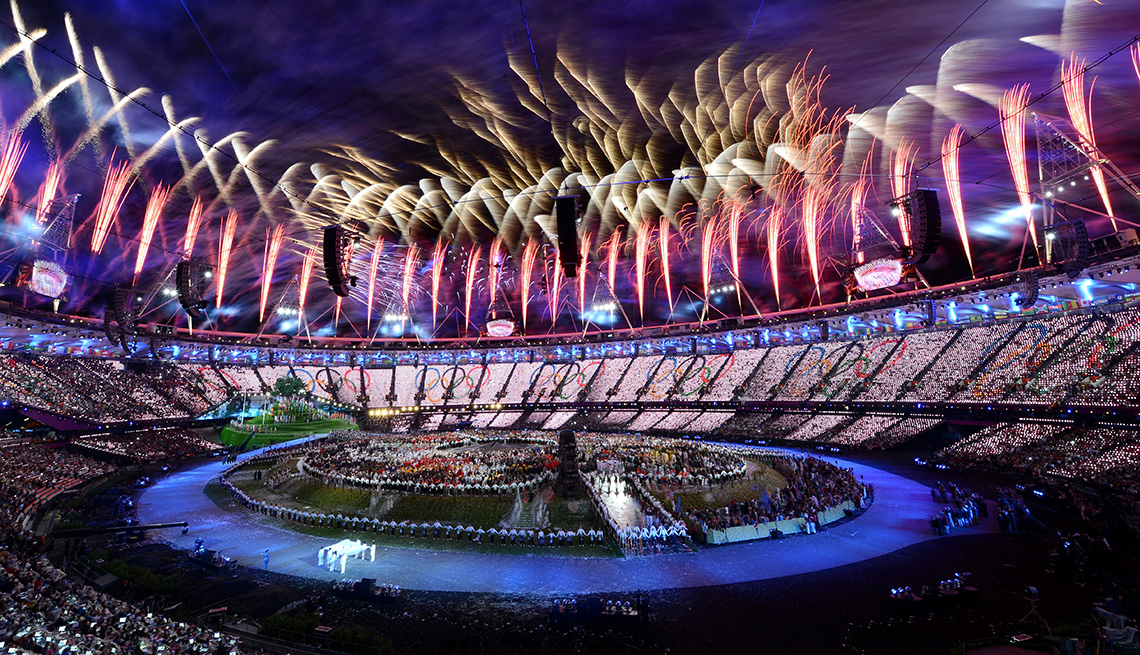

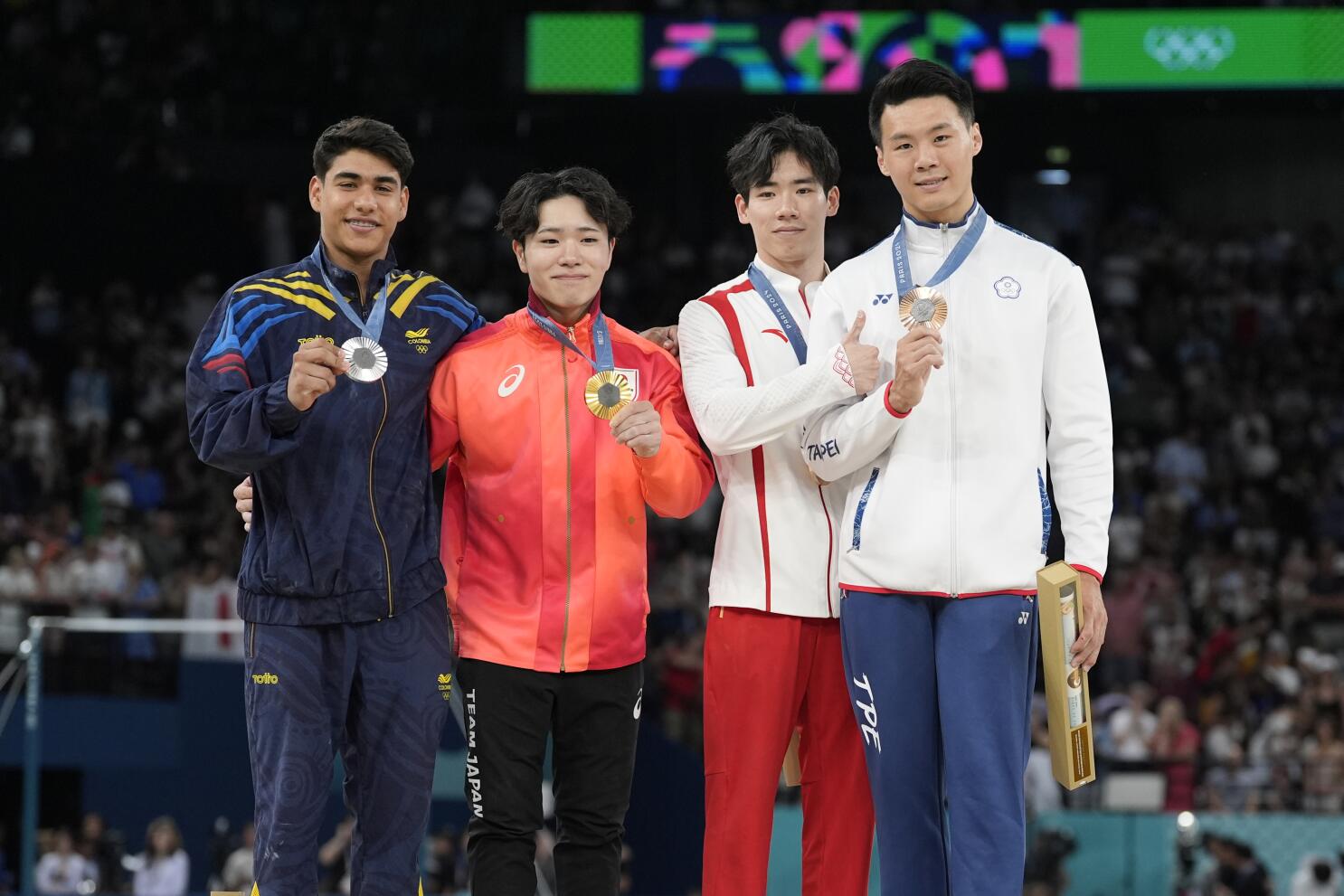
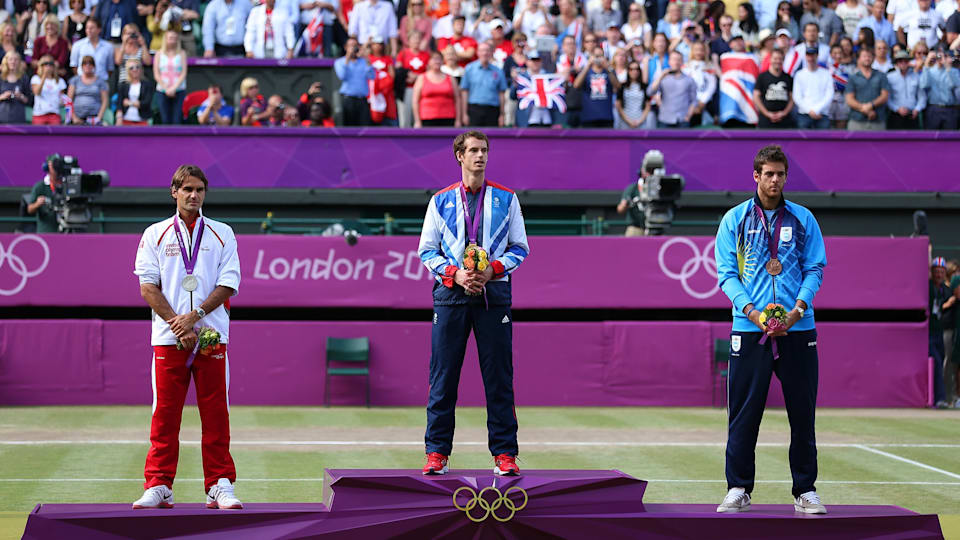
The Olympic Games are the largest and most prestigious international sports event in the world. Held every four years, they include Summer and Winter editions. Athletes from more than 200 countries compete in various disciplines such as athletics, swimming, gymnastics, wrestling, boxing, and more. Winning an Olympic medal is considered the highest achievement in sports. Legendary athletes like Usain Bolt and Michael Phelps have created history with their record-breaking performances.
2. FIFA World Cup
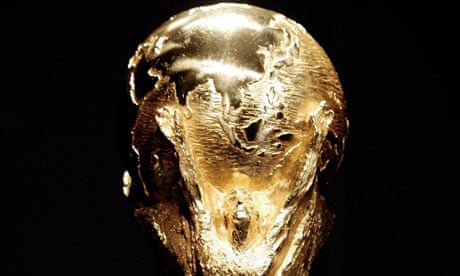

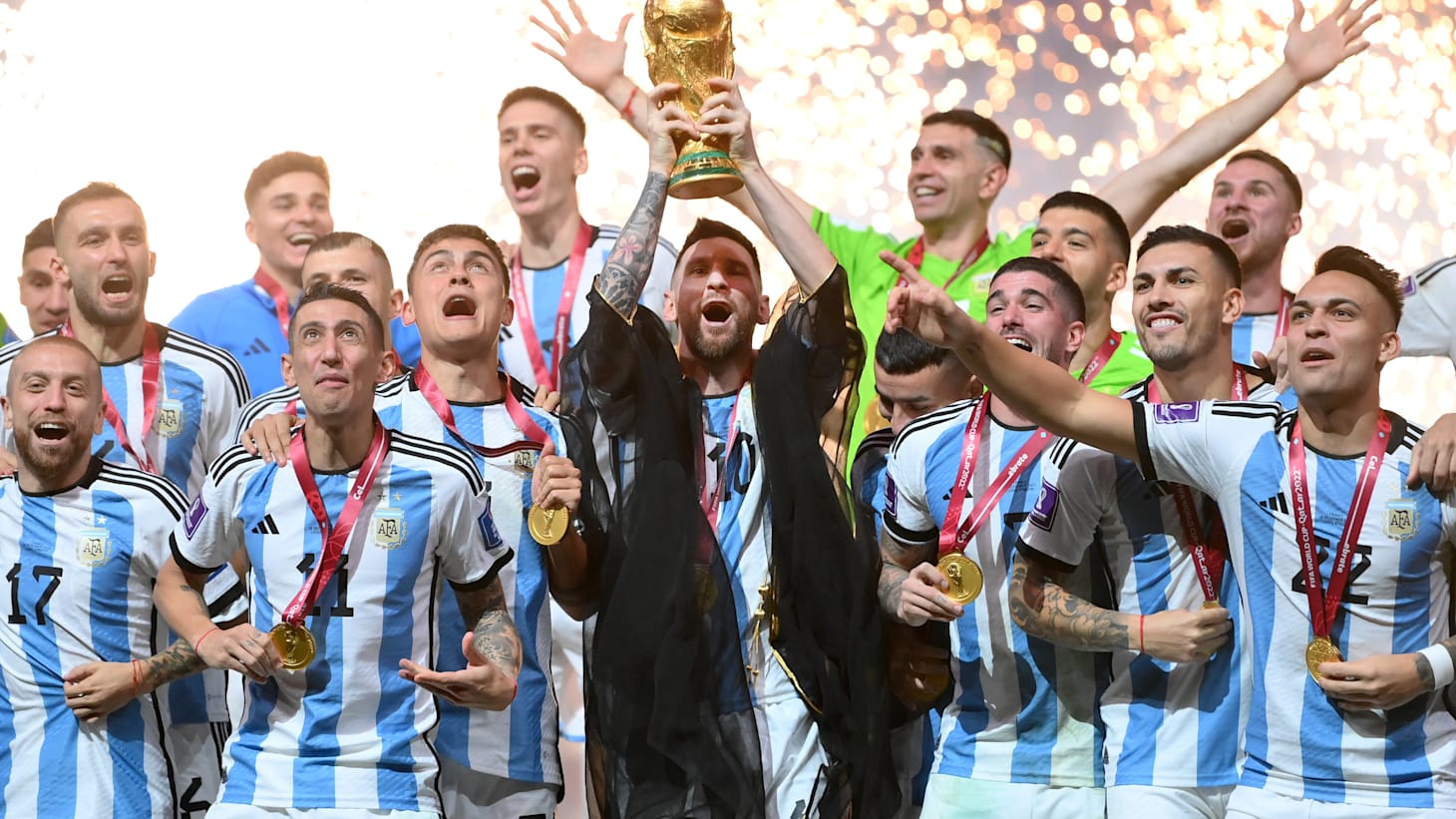

The FIFA World Cup is the most popular football tournament in the world. It is organized every four years by FIFA and features the best national teams. Countries like Brazil, Germany, Argentina, and France have achieved great success in this tournament. Winning the World Cup is a matter of immense pride for any nation. Football legends such as Lionel Messi and Diego Maradona have become global icons due to their extraordinary performances.
3. Cricket World Cup
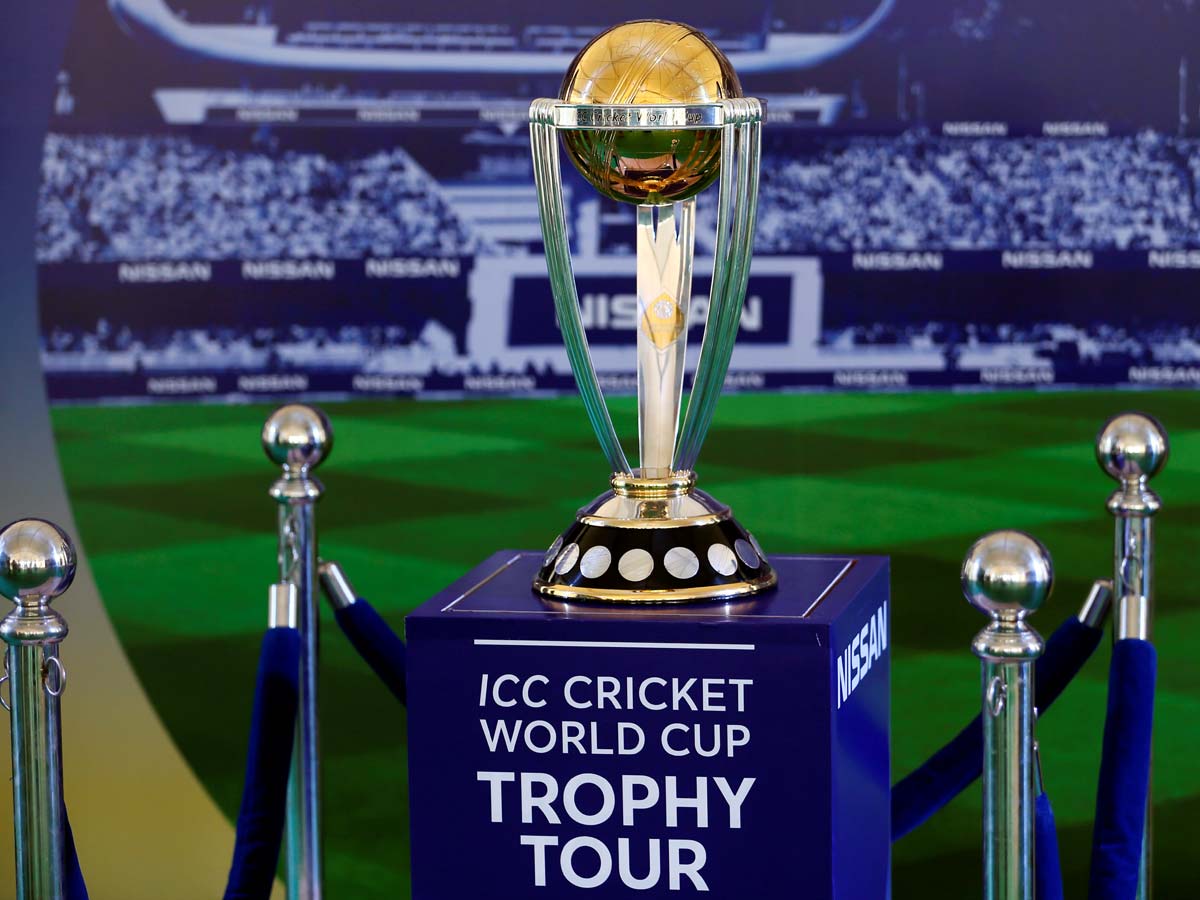

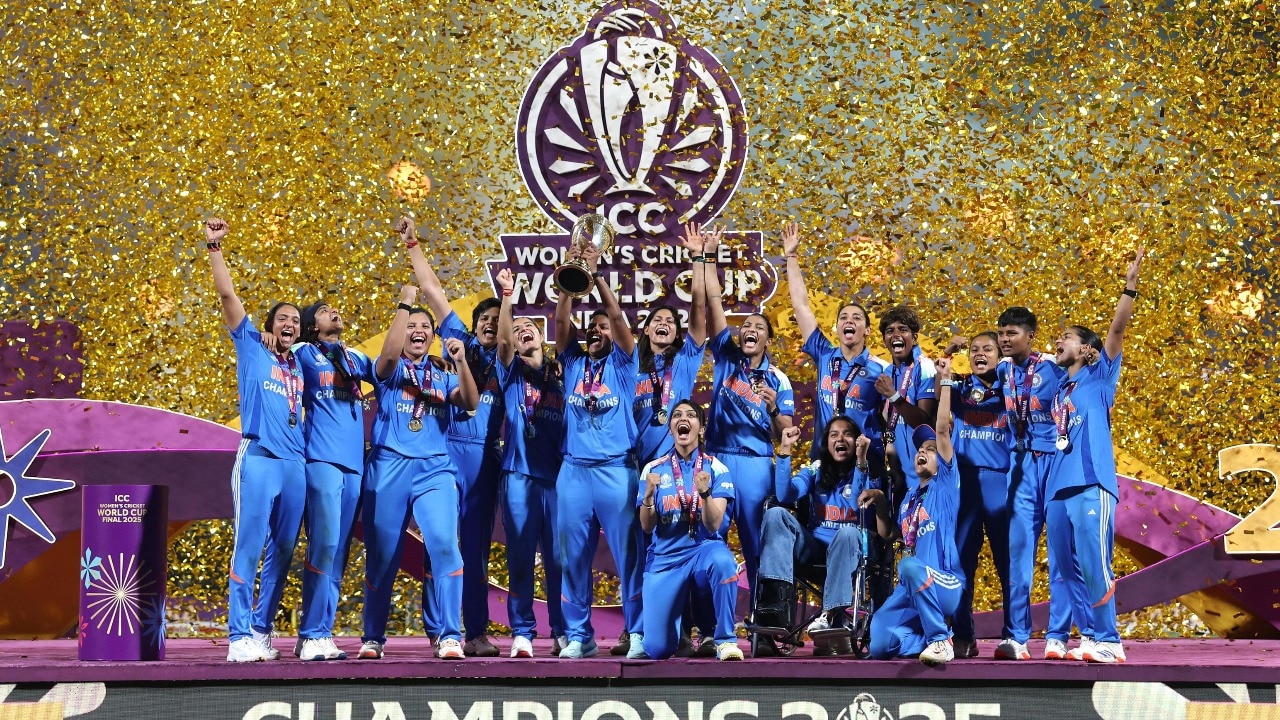
Cricket is one of the most loved sports in countries like India, Australia, England, and Pakistan. The Cricket World Cup is organized by the International Cricket Council (ICC). India has achieved historic victories, especially in 1983 and 2011. Great cricketers like Sachin Tendulkar and Kapil Dev have brought glory to the nation.
4. Asian Games
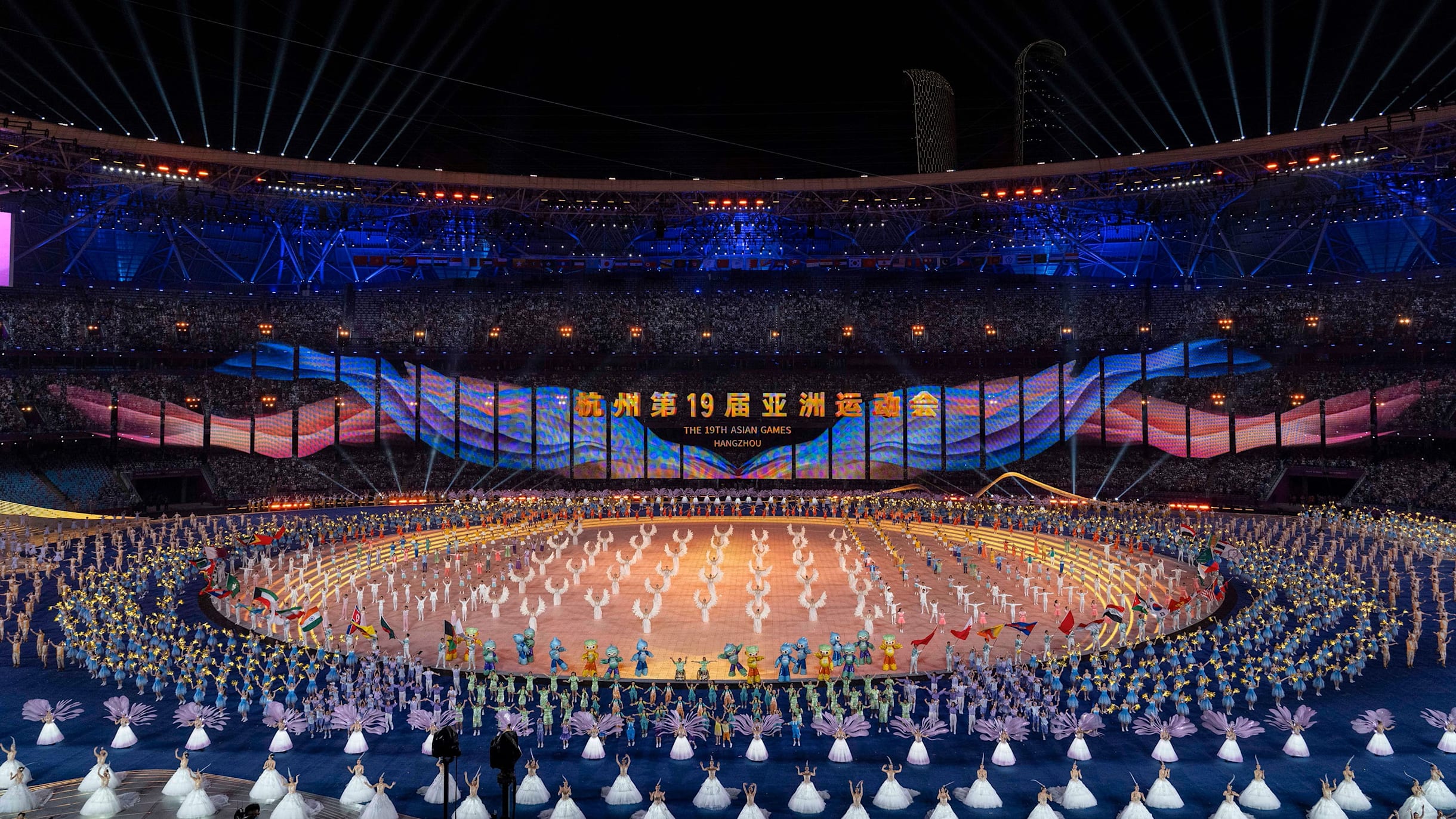
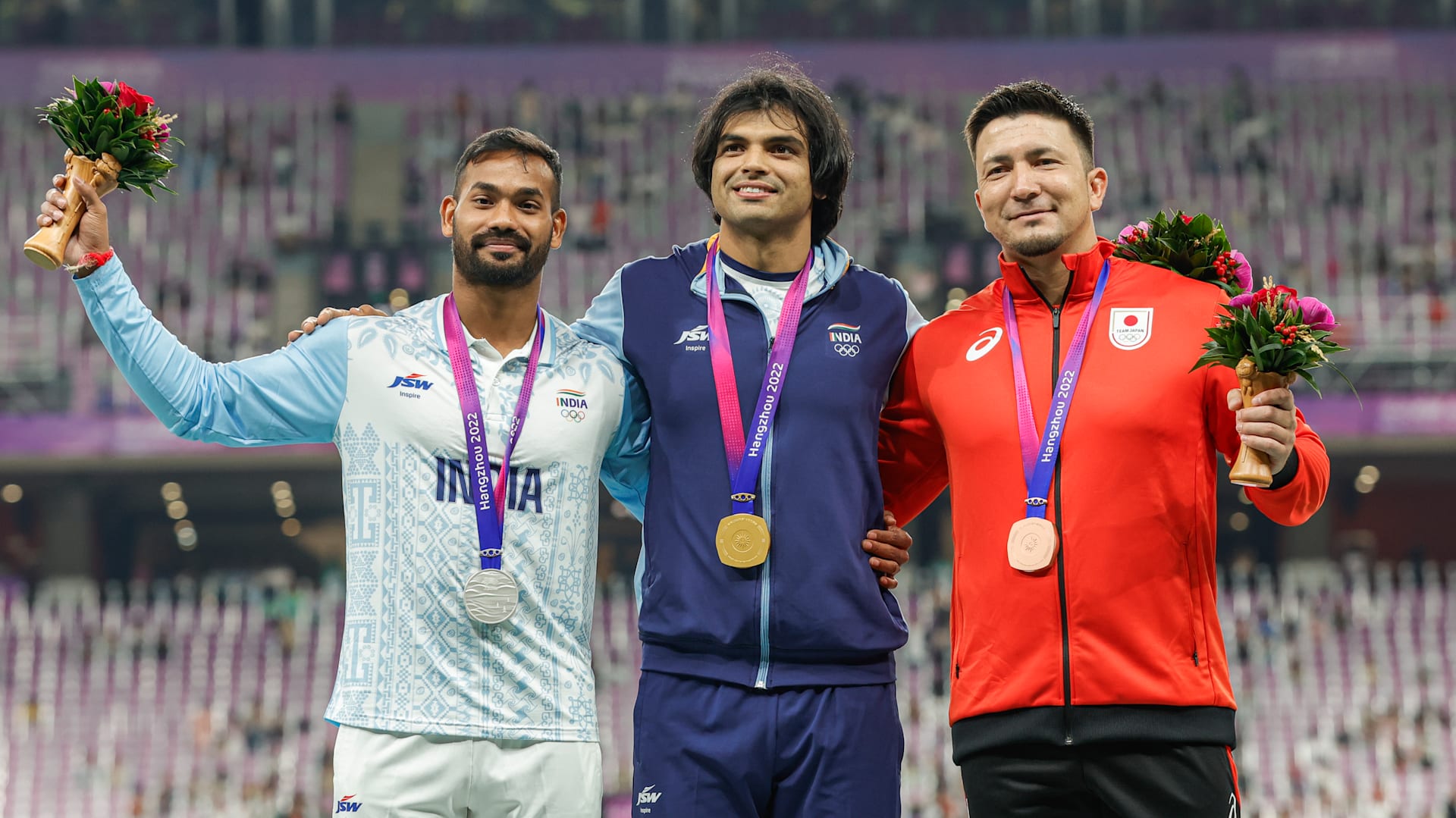
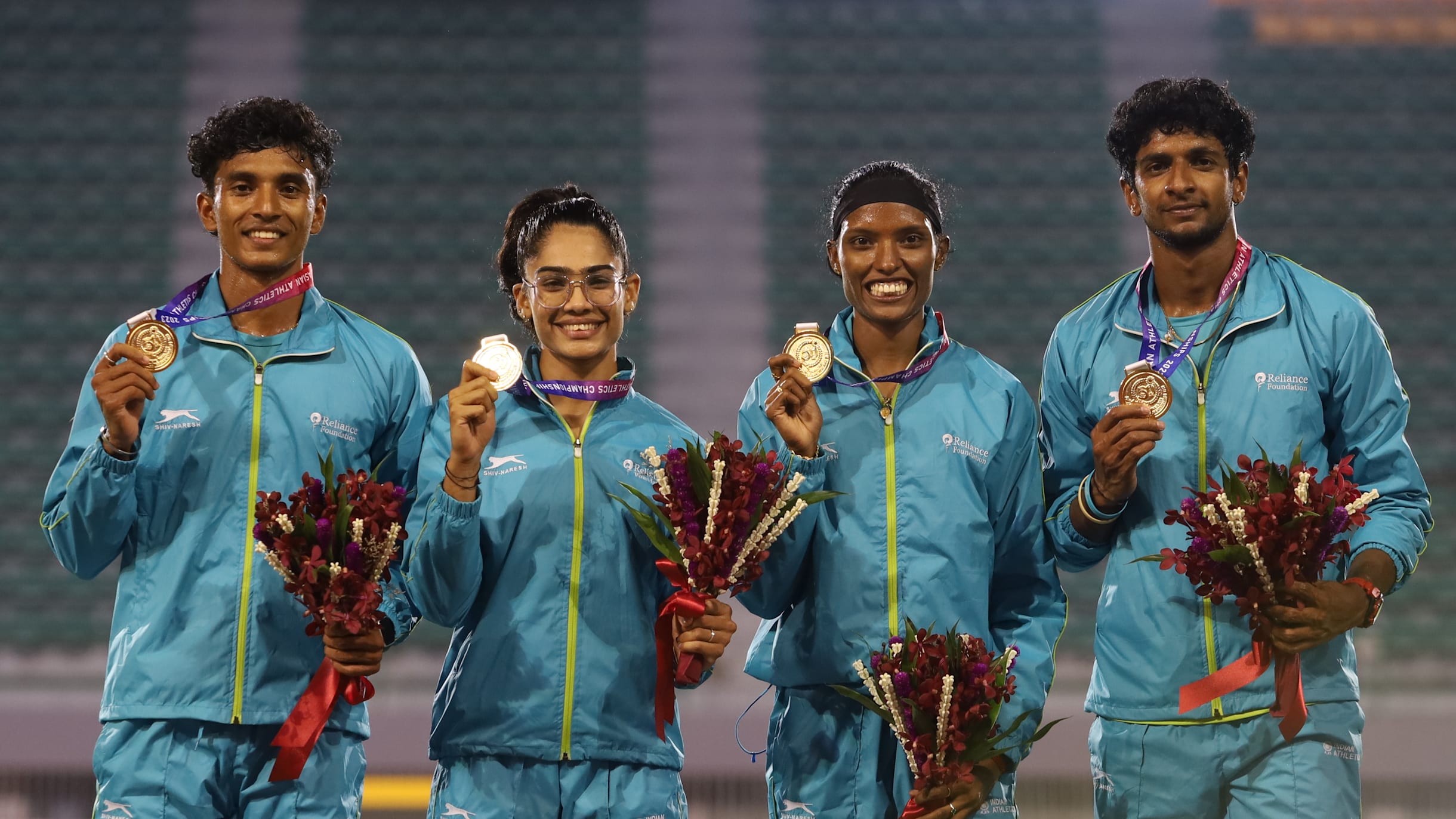
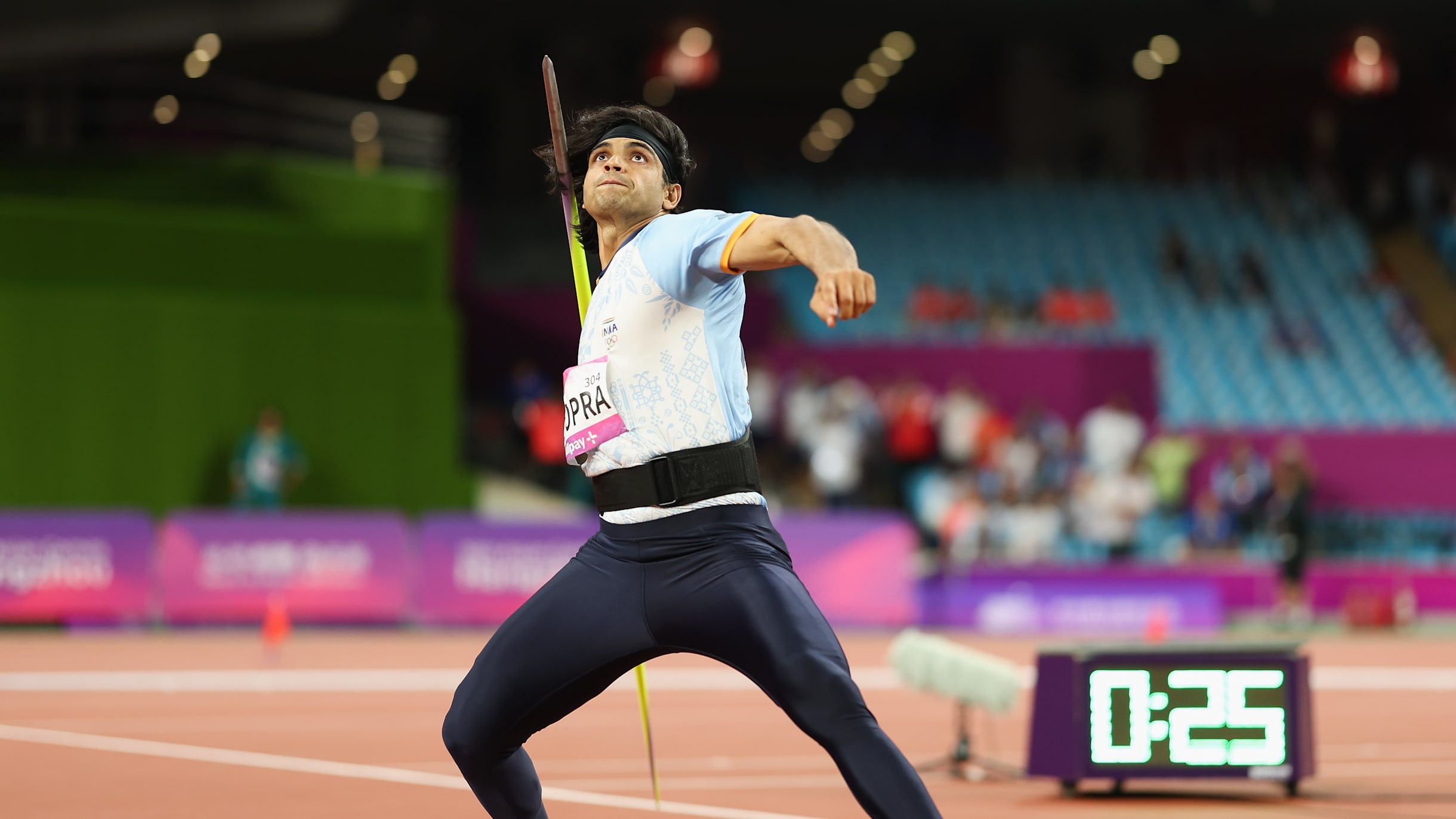
The Asian Games are held every four years and involve athletes from Asian countries. India has consistently improved its performance in recent editions. The event encourages healthy competition and strengthens unity among Asian nations.
5. Commonwealth Games

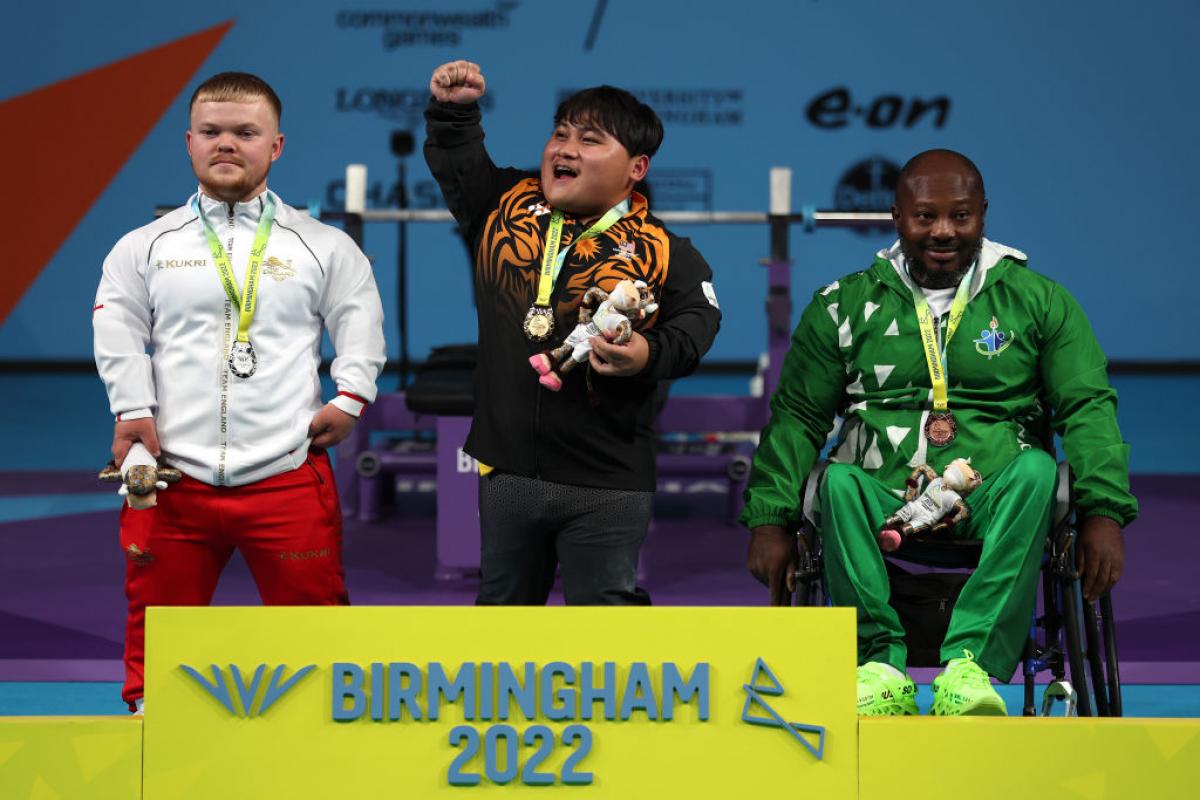
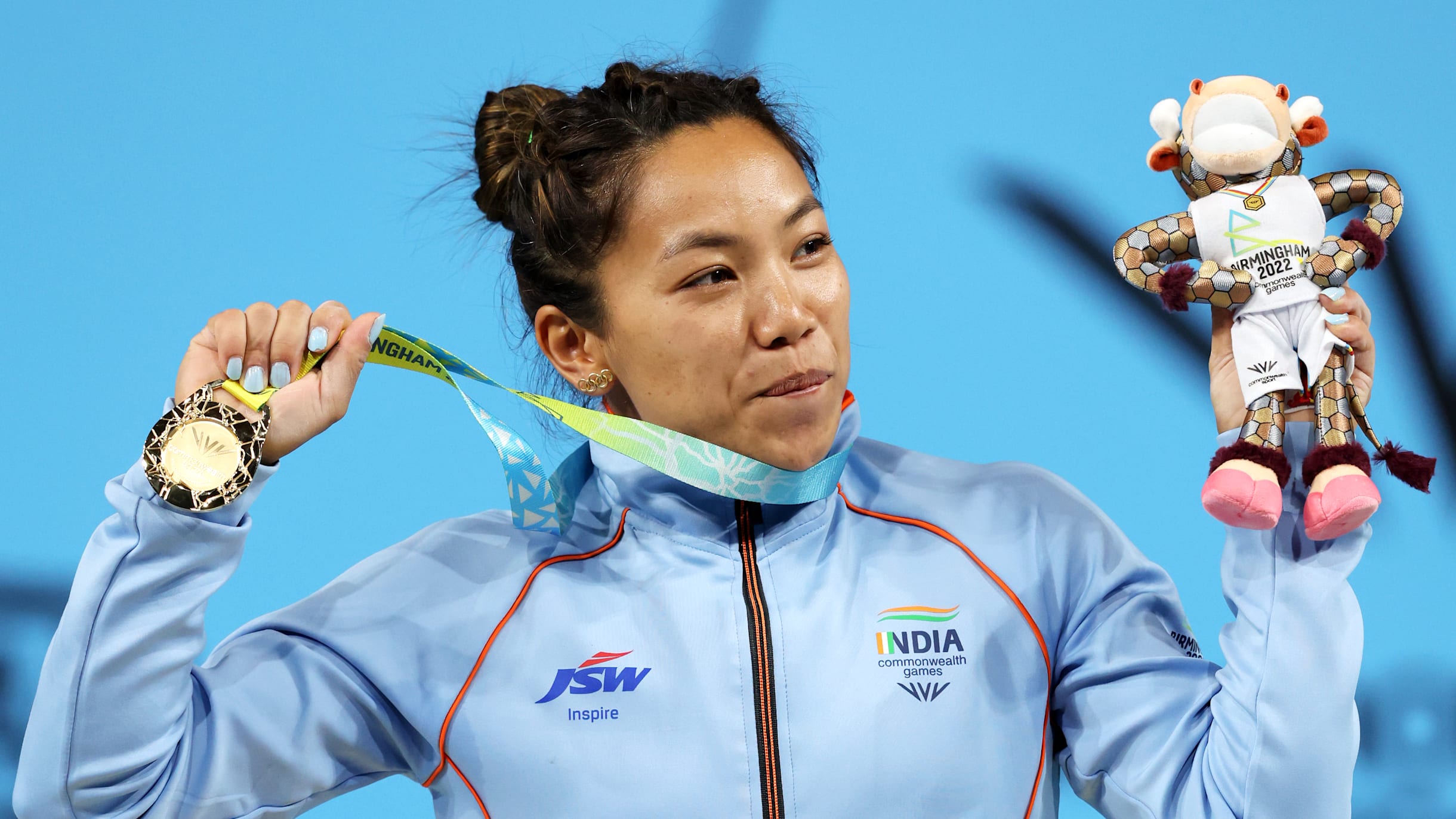
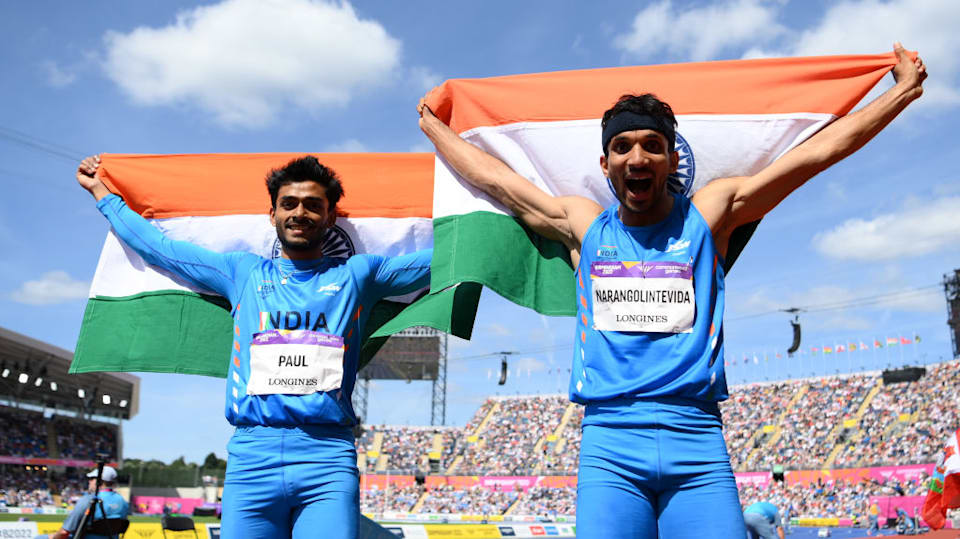
The Commonwealth Games involve countries that were once part of the British Commonwealth. India has performed exceptionally well in sports like wrestling, boxing, badminton, and weightlifting in these games.
National Sports Events in India
1. Indian Premier League
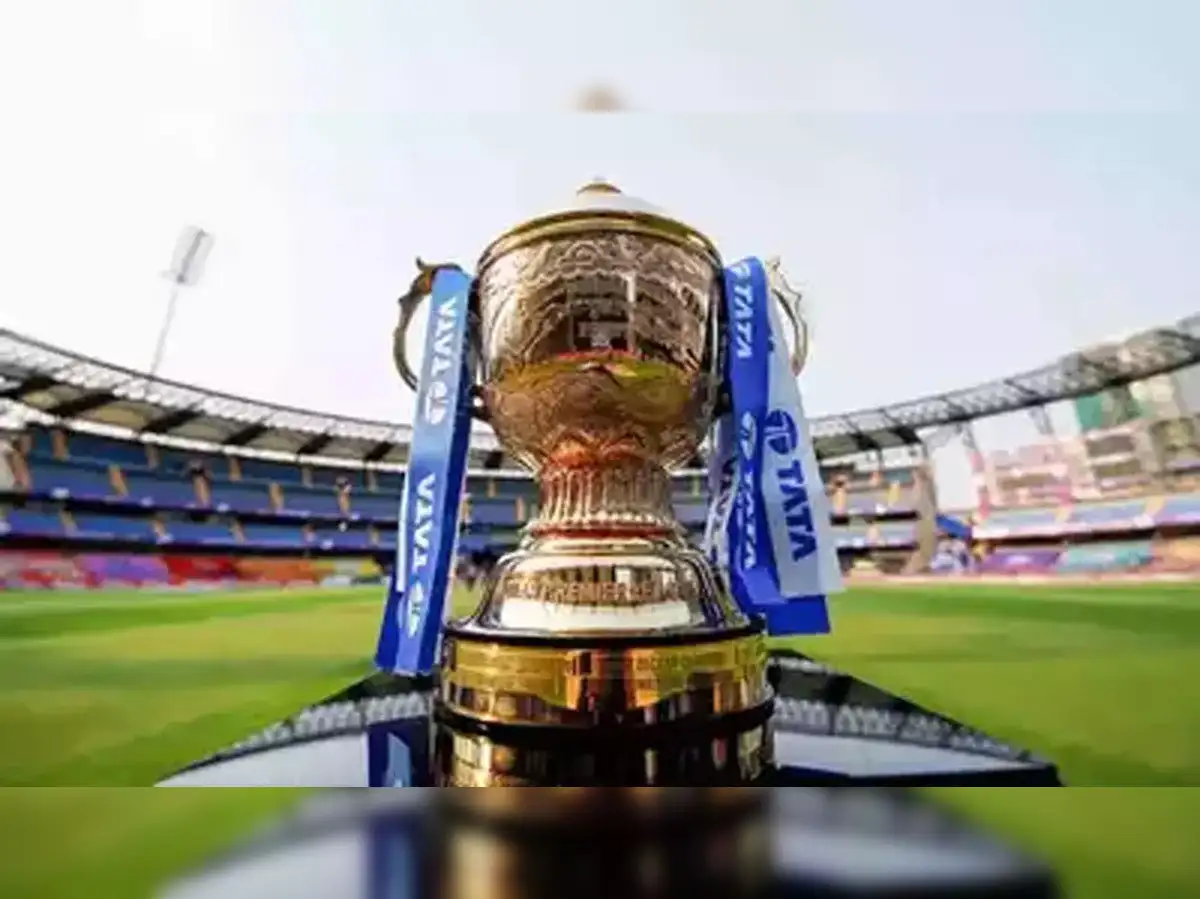

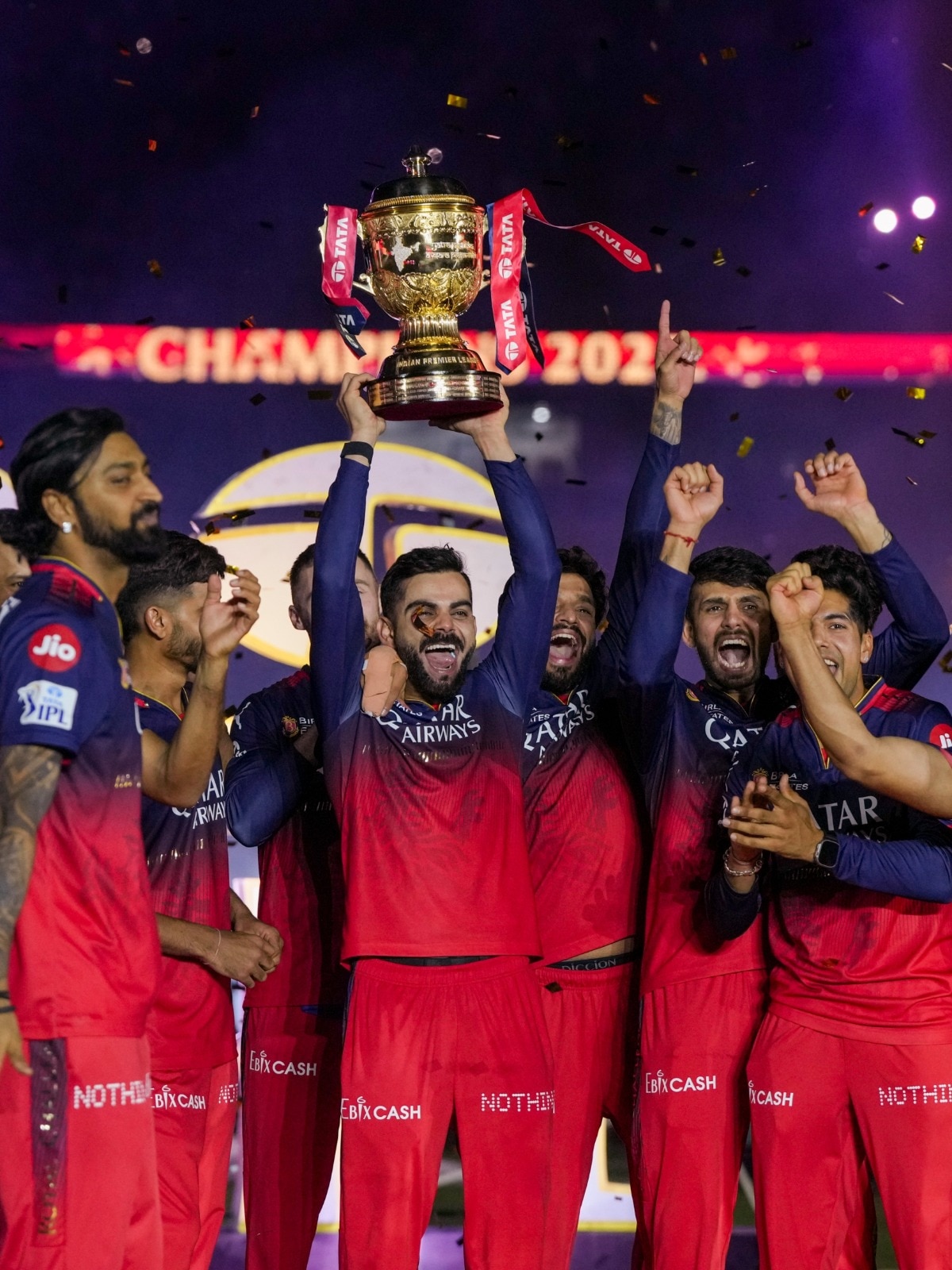
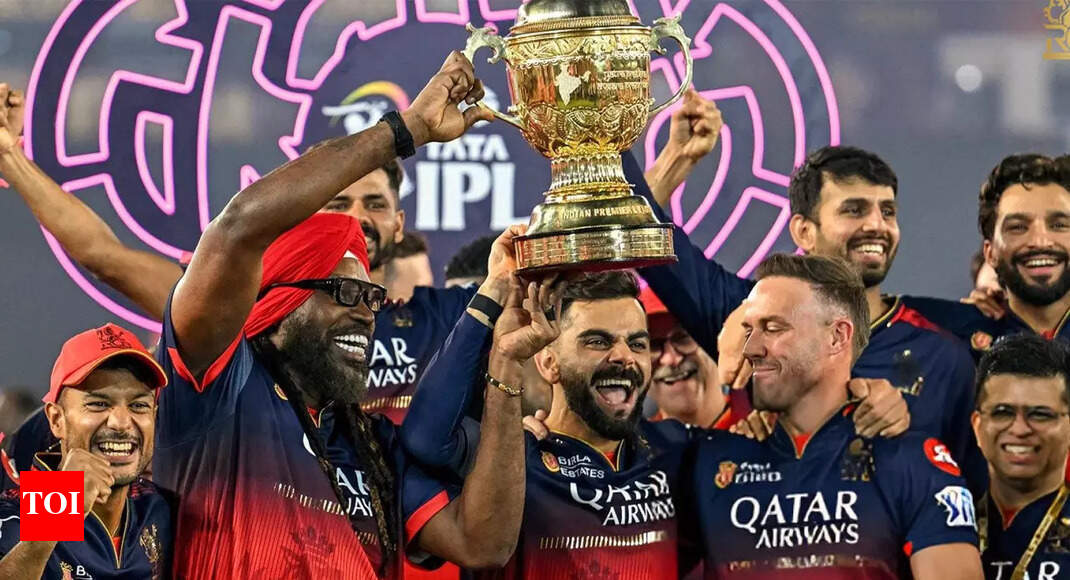
The IPL is one of the richest and most popular T20 cricket leagues in the world. It features players from various countries and provides young Indian cricketers with opportunities to showcase their talent. The tournament has revolutionized Indian cricket.
2. Pro Kabaddi League


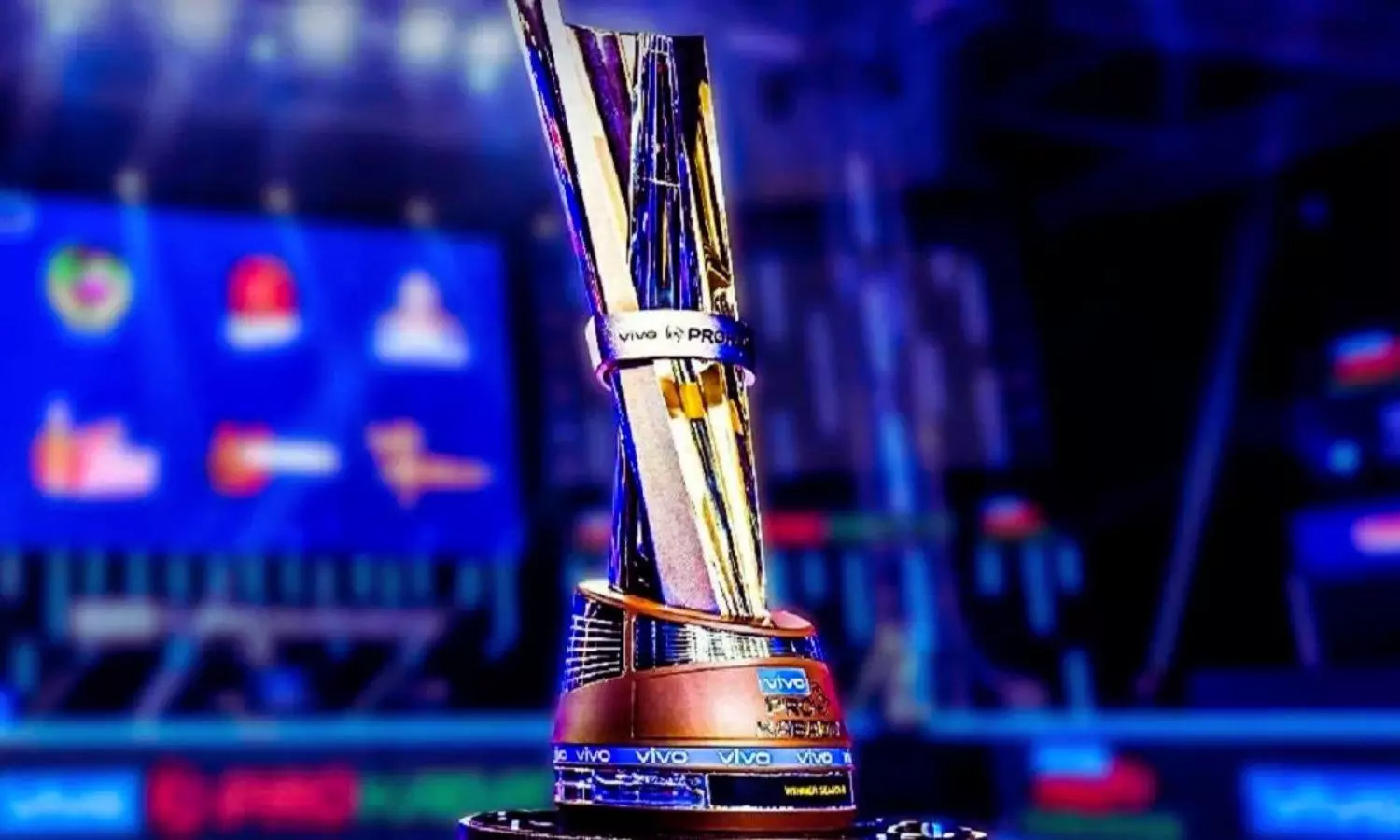
Kabaddi is a traditional Indian sport. The Pro Kabaddi League has brought modern popularity and commercial success to the game. It has encouraged rural talent and revived interest among youth.
Remarkable Sports Achievements
1. Achievements in Athletics
Indian athletes like Neeraj Chopra made history by winning a gold medal in javelin throw at the Tokyo Olympics. This achievement inspired millions of young athletes across the country.
2. Achievements in Badminton
P. V. Sindhu became the first Indian woman to win two Olympic medals. Her dedication and consistency have made her a role model.
3. Achievements in Boxing
Mary Kom has won multiple world championships and an Olympic medal. She is known as the “Magnificent Mary” for her resilience and success.
4. Achievements in Wrestling
Sushil Kumar has won Olympic medals and brought recognition to Indian wrestling globally.
5. Achievements in Chess
Viswanathan Anand became a World Chess Champion multiple times, putting India on the global chess map.
Importance of Sports Achievements
Sports achievements bring honor to individuals and nations. They:
- Promote national pride.
- Encourage youth participation.
- Improve international relations.
- Inspire discipline and hard work.
- Boost economic growth through tourism and sponsorship.
Successful athletes become ambassadors of their country and influence positive social change.
Role of Government and Institutions
Governments play a crucial role in developing sports infrastructure, training facilities, and financial support. In India, schemes like Khelo India aim to identify and nurture young talent. Proper coaching, nutrition, and exposure to international competitions are essential for achieving excellence.
Challenges in Sports Development
Despite achievements, several challenges remain:
- Lack of infrastructure in rural areas.
- Limited financial support.
- Pressure on athletes.
- Injuries and mental health issues.
- Corruption and mismanagement in sports organizations.
Addressing these issues is necessary to ensure sustainable development in sports.
Overview
Sports events unite people beyond boundaries of language, culture, and nationality. International tournaments like the Olympic Games, FIFA World Cup, Cricket World Cup, Asian Games, and Commonwealth Games showcase the highest level of competition and sportsmanship. National leagues such as the IPL and Pro Kabaddi League have strengthened sports culture in India.
Achievements by athletes like Neeraj Chopra, P. V. Sindhu, Mary Kom, and Viswanathan Anand have inspired millions and elevated India’s global sporting status. Sports teach us perseverance, teamwork, discipline, and respect for opponents. They contribute not only to physical health but also to emotional and social development.
In the modern world, sports have become more than just games; they are a symbol of unity, pride, and determination. Continuous investment, encouragement, and fair opportunities will ensure that future generations achieve even greater milestones in the world of sports.
Conclusion
Sports events and achievements hold a unique and powerful place in human society. They are not merely competitions played for entertainment or medals; they represent the collective spirit, determination, and unity of people across nations. From local school tournaments to grand global platforms like the Olympic Games and the FIFA World Cup, sports events reflect the highest expression of physical excellence, mental strength, and teamwork. Over time, these events have grown into global celebrations that unite billions of people regardless of language, culture, religion, or nationality.
One of the most significant aspects of sports events is their ability to bring the world together. When athletes compete on international stages, they carry not only their personal dreams but also the hopes and pride of their nations. The sight of competitors marching under their national flags during the opening ceremony of the Olympic Games symbolizes unity in diversity. Even in times of political tensions or global conflicts, sports often act as a bridge that connects countries and fosters peaceful interactions. The spirit of sportsmanship teaches respect for opponents, acceptance of results, and celebration of effort, which are essential values in building a harmonious global community.
Sports achievements are powerful symbols of dedication and perseverance. Behind every medal or trophy lies years of rigorous training, discipline, sacrifice, and resilience. Athletes dedicate their lives to perfecting their skills, often overcoming financial struggles, injuries, and mental pressure. When they succeed, their achievements inspire millions of young people to pursue their dreams fearlessly. For example, victories in tournaments such as the Cricket World Cup have not only created unforgettable moments in sporting history but have also strengthened national pride and unity in cricket-loving countries. Such milestones become part of a nation’s collective memory and identity.
In addition to fostering unity and pride, sports events contribute significantly to personal development. Participation in sports teaches discipline, time management, teamwork, leadership, and the importance of hard work. These values extend beyond the playing field and help individuals succeed in academics, careers, and personal relationships. Young people who engage in sports learn how to handle success with humility and failure with courage. They understand that setbacks are not the end but opportunities to improve. This mindset builds resilience, which is essential for facing life’s challenges.
At the national level, sports achievements play a vital role in enhancing a country’s global reputation. When athletes perform exceptionally well on international platforms, they showcase the talent and potential of their homeland. Governments often recognize the importance of sports by investing in infrastructure, coaching facilities, and talent identification programs. Initiatives that encourage grassroots development ensure that promising athletes from rural and underprivileged backgrounds receive opportunities to excel. As a result, sports become a tool for social mobility and empowerment, enabling individuals from modest circumstances to achieve global recognition.
Economically, sports events have a significant impact. Large-scale tournaments generate employment, tourism, sponsorships, and media revenue. Hosting global competitions brings infrastructure development, improved transportation systems, and international attention. National leagues such as the Indian Premier League have transformed sports into major economic industries, creating opportunities for players, coaches, analysts, broadcasters, and event managers. The commercialization of sports, while sometimes debated, has undoubtedly expanded its reach and provided financial stability to many athletes.
Moreover, sports events encourage cultural exchange. Athletes and spectators from different parts of the world interact, share traditions, and build friendships. This cultural interaction promotes mutual understanding and respect among nations. When fans cheer for their teams, they also appreciate the talent and effort of opponents. Such interactions reduce prejudices and strengthen global solidarity. In this way, sports serve as a universal language that transcends barriers.
Another crucial dimension of sports achievements is their role in promoting gender equality and social inclusion. Over the years, women athletes have broken barriers and challenged stereotypes by achieving excellence in various sports. Their success encourages greater participation of girls and women in physical activities, contributing to empowerment and self-confidence. Similarly, sports for persons with disabilities, such as the Paralympic Games, highlight the extraordinary capabilities of individuals who overcome physical challenges. These achievements inspire society to adopt a more inclusive and respectful outlook.
However, despite remarkable progress, the world of sports also faces challenges. Issues such as doping, corruption, match-fixing, and unequal access to resources can undermine the spirit of fair competition. Athletes often experience immense pressure to perform, leading to stress and mental health concerns. Addressing these challenges requires strict regulations, ethical governance, psychological support, and transparent management systems. Protecting the integrity of sports is essential to preserving its true essence.
Technological advancements have further transformed sports events and achievements. Modern training methods, sports science, video analysis, and improved equipment have enhanced performance levels. Broadcasting technology allows fans to watch live matches from anywhere in the world, increasing engagement and global connectivity. Social media platforms enable athletes to connect directly with supporters, inspiring future generations. While technology has increased competitiveness, it has also made sports more accessible and interactive.
Looking toward the future, the role of sports events will continue to expand. As societies become more health-conscious, sports participation will gain further importance. Schools and colleges must encourage students to balance academics with physical activities to ensure holistic development. Governments and private organizations should collaborate to provide equal opportunities for all talented individuals, regardless of socioeconomic background. Sustainable planning and environmental responsibility must also be integrated into the organization of major tournaments to reduce ecological impact.
In conclusion, sports events and achievements represent much more than competitions and records. They embody the values of unity, perseverance, discipline, and respect. They inspire individuals to dream big and work tirelessly toward their goals. From international tournaments that unite the globe to national leagues that nurture emerging talent, sports play a transformative role in shaping societies. Achievements in sports strengthen national pride, foster economic growth, promote cultural exchange, and encourage social inclusion.
The true spirit of sports lies not only in winning medals but in striving for excellence with integrity and fairness. Every athlete who steps onto the field carries a story of determination and hope. Their victories remind us of human potential, while their struggles teach us resilience. As long as the flame of passion and sportsmanship continues to burn, sports will remain a powerful force for unity and progress in the world.
Ultimately, investing in sports is an investment in humanity itself. By nurturing talent, ensuring equal opportunities, and upholding ethical standards, we can ensure that future generations continue to achieve new milestones. Sports events will keep inspiring dreams, building character, and bringing the world together in celebration of the extraordinary capabilities of the human spirit.
Here are 100 Multiple Choice Questions (MCQs) on Sports Events and Achievements with four options and answers.
1–20 (International Sports Events)
1. The Olympic Games are held after every:
A) 2 years
B) 3 years
C) 4 years
D) 5 years
Answer: C
2. The Olympic Games include:
A) Only Summer Games
B) Only Winter Games
C) Summer and Winter Games
D) Indoor Games only
Answer: C
3. The FIFA World Cup is related to:
A) Cricket
B) Hockey
C) Football
D) Tennis
Answer: C
4. The Cricket World Cup is organized by:
A) BCCI
B) ICC
C) FIFA
D) IOC
Answer: B
5. The Asian Games are held every:
A) 2 years
B) 3 years
C) 4 years
D) 5 years
Answer: C
6. The Commonwealth Games involve:
A) Asian countries only
B) European countries only
C) Commonwealth nations
D) African countries only
Answer: C
7. The Olympic symbol consists of:
A) 4 rings
B) 5 rings
C) 6 rings
D) 7 rings
Answer: B
8. The FIFA World Cup trophy is awarded to:
A) Best player
B) Winning team
C) Best goalkeeper
D) Runner-up
Answer: B
9. Winter Olympics include sports like:
A) Swimming
B) Skiing
C) Cricket
D) Kabaddi
Answer: B
10. The first modern Olympic Games were held in:
A) 1886
B) 1896
C) 1906
D) 1916
Answer: B
11. The headquarters of ICC is in:
A) India
B) England
C) UAE
D) Australia
Answer: C
12. Which event is known as the biggest football tournament?
A) Asian Cup
B) Copa America
C) FIFA World Cup
D) Euro Cup
Answer: C
13. The Paralympic Games are for:
A) Junior athletes
B) Women only
C) Disabled athletes
D) Veterans only
Answer: C
14. The Olympic flame symbolizes:
A) War
B) Peace and unity
C) Victory
D) Competition only
Answer: B
15. Which country has won the most FIFA World Cups?
A) Germany
B) Argentina
C) Brazil
D) France
Answer: C
16. The Asian Games are governed by:
A) FIFA
B) ICC
C) Olympic Council of Asia
D) IOC only
Answer: C
17. The Commonwealth Games Federation was formed in:
A) 1920
B) 1930
C) 1950
D) 1960
Answer: B
18. The Cricket World Cup started in:
A) 1965
B) 1975
C) 1983
D) 1992
Answer: B
19. The Olympic motto is:
A) Faster, Higher, Stronger
B) Play Fair
C) Win Always
D) Never Give Up
Answer: A
20. The FIFA World Cup is organized by:
A) UEFA
B) ICC
C) FIFA
D) IOC
Answer: C
21–40 (Indian Sports Events)
21. IPL stands for:
A) Indian Premier League
B) International Premier League
C) Indian Player League
D) International Player League
Answer: A
22. IPL is related to:
A) Football
B) Kabaddi
C) Cricket
D) Hockey
Answer: C
23. Pro Kabaddi League promotes:
A) Hockey
B) Kabaddi
C) Football
D) Basketball
Answer: B
24. The national sport of India (officially not declared but traditionally known) is:
A) Cricket
B) Hockey
C) Kabaddi
D) Football
Answer: B
25. The Khelo India program promotes:
A) Foreign players
B) School-level sports
C) Only cricket
D) Only Olympic sports
Answer: B
26. Ranji Trophy is related to:
A) Football
B) Hockey
C) Cricket
D) Kabaddi
Answer: C
27. Santosh Trophy is related to:
A) Football
B) Cricket
C) Kabaddi
D) Tennis
Answer: A
28. Durand Cup is associated with:
A) Cricket
B) Football
C) Hockey
D) Basketball
Answer: B
29. The IPL started in:
A) 2005
B) 2007
C) 2008
D) 2010
Answer: C
30. Pro Kabaddi League started in:
A) 2012
B) 2013
C) 2014
D) 2015
Answer: C
41–70 (Famous Athletes & Achievements)
41. Usain Bolt is associated with:
A) Swimming
B) Sprinting
C) Football
D) Boxing
Answer: B
42. Michael Phelps is famous for:
A) Running
B) Wrestling
C) Swimming
D) Boxing
Answer: C
43. Neeraj Chopra won Olympic gold in:
A) Shot put
B) Javelin throw
C) Discus throw
D) High jump
Answer: B
44. P. V. Sindhu plays:
A) Tennis
B) Badminton
C) Table Tennis
D) Squash
Answer: B
45. Mary Kom is a famous:
A) Wrestler
B) Boxer
C) Sprinter
D) Swimmer
Answer: B
46. Sachin Tendulkar is known as:
A) Flying Sikh
B) Master Blaster
C) Golden Boy
D) Little Master (Boxing)
Answer: B
47. Kapil Dev led India to World Cup victory in:
A) 1975
B) 1983
C) 1992
D) 2003
Answer: B
48. Viswanathan Anand is associated with:
A) Cricket
B) Chess
C) Tennis
D) Boxing
Answer: B
49. Lionel Messi plays for:
A) Brazil
B) Spain
C) Argentina
D) France
Answer: C
50. Diego Maradona belonged to:
A) Brazil
B) Argentina
C) Germany
D) France
Answer: B
51–70 (Sports Awards & Honors)
51. The highest sporting honor in India is:
A) Arjuna Award
B) Dronacharya Award
C) Major Dhyan Chand Khel Ratna Award
D) Padma Shri
Answer: C
52. The Arjuna Award is given for:
A) Lifetime achievement only
B) Excellence in sports
C) Best coach
D) Best referee
Answer: B
53. The Dronacharya Award is given to:
A) Players
B) Umpires
C) Coaches
D) Commentators
Answer: C
54. The Rajiv Gandhi Khel Ratna Award was renamed after:
A) Milkha Singh
B) Dhyan Chand
C) Sachin Tendulkar
D) Kapil Dev
Answer: B
55. The Olympic gold medal represents:
A) Participation
B) Second place
C) Third place
D) First place
Answer: D
56. The term “Hat-trick” is commonly used in:
A) Cricket & Football
B) Swimming
C) Boxing
D) Wrestling
Answer: A
57. The Golden Boot is awarded in:
A) Cricket
B) Football
C) Hockey
D) Tennis
Answer: B
58. The Davis Cup is related to:
A) Football
B) Tennis
C) Cricket
D) Hockey
Answer: B
59. The Thomas Cup is related to:
A) Tennis
B) Badminton
C) Hockey
D) Cricket
Answer: B
60. The Uber Cup is associated with:
A) Men’s badminton
B) Women’s badminton
C) Cricket
D) Tennis
Answer: B
61. The Ashes series is played between:
A) India & Pakistan
B) England & Australia
C) South Africa & England
D) India & Australia
Answer: B
62. The Grand Slam is related to:
A) Football
B) Cricket
C) Tennis
D) Boxing
Answer: C
63. Wimbledon is played on:
A) Clay court
B) Grass court
C) Hard court
D) Synthetic court
Answer: B
64. The term “Century” is used in:
A) Football
B) Hockey
C) Cricket
D) Kabaddi
Answer: C
65. The term “Knockout” is used in:
A) Boxing
B) Chess
C) Swimming
D) Tennis
Answer: A
66. The Olympic Games are governed by:
A) FIFA
B) ICC
C) IOC
D) BCCI
Answer: C
67. The headquarters of FIFA is in:
A) France
B) Switzerland
C) USA
D) Germany
Answer: B
68. The headquarters of IOC is in:
A) Paris
B) London
C) Lausanne
D) Rome
Answer: C
69. The Commonwealth Games Federation headquarters is in:
A) London
B) New York
C) Sydney
D) Tokyo
Answer: A
70. The Asian Games are also known as:
A) Asiad
B) Euro Games
C) World Games
D) Pacific Games
Answer: A
71–100 (General Sports Knowledge & Values)
71. Sports promote:
A) Laziness
B) Discipline
C) Isolation
D) Conflict
Answer: B
72. Regular sports participation improves:
A) Weakness
B) Obesity
C) Physical fitness
D) Stress only
Answer: C
73. The Paralympic Games are held:
A) Before Olympics
B) After Olympics
C) Along with Olympics
D) Every year
Answer: B
74. The term “Fair Play” means:
A) Winning at any cost
B) Honest and respectful competition
C) Breaking rules
D) Aggressive play
Answer: B
75. Doping in sports refers to:
A) Training
B) Practice
C) Use of banned substances
D) Diet plan
Answer: C
76. The term “Marathon” originated from:
A) Rome
B) Greece
C) India
D) China
Answer: B
77. A referee is responsible for:
A) Scoring only
B) Enforcing rules
C) Training players
D) Organizing events
Answer: B
78. Sportsmanship means:
A) Aggression
B) Respect & integrity
C) Anger
D) Winning only
Answer: B
79. Which sport uses a shuttlecock?
A) Tennis
B) Badminton
C) Cricket
D) Squash
Answer: B
80. Which sport uses a puck?
A) Ice Hockey
B) Football
C) Cricket
D) Tennis
Answer: A
81. The term “Goal” is mainly used in:
A) Cricket
B) Boxing
C) Football
D) Swimming
Answer: C
82. A stadium is mainly used for:
A) Music
B) Sports events
C) Meetings
D) Shopping
Answer: B
83. Coaching helps athletes to:
A) Avoid practice
B) Improve skills
C) Skip matches
D) Retire early
Answer: B
84. Sports events encourage:
A) Division
B) Unity
C) Hatred
D) Violence
Answer: B
85. The term “Medal tally” refers to:
A) Total goals
B) Total matches
C) Total medals won
D) Total players
Answer: C
86. National pride increases when:
A) Team loses
B) Team wins international events
C) Event is canceled
D) Players retire
Answer: B
87. The opening ceremony of Olympics includes:
A) Medal distribution
B) Parade of nations
C) Closing speech
D) Award ceremony
Answer: B
88. The closing ceremony marks:
A) Beginning
B) Suspension
C) End of event
D) Practice session
Answer: C
89. Sports infrastructure includes:
A) Hospitals
B) Stadiums and training centers
C) Hotels only
D) Shopping malls
Answer: B
90. Youth participation in sports develops:
A) Stress
B) Team spirit
C) Weakness
D) Isolation
Answer: B
91. Sports psychology deals with:
A) Physical injuries
B) Mental strength
C) Diet only
D) Equipment
Answer: B
92. Sports tourism increases:
A) Poverty
B) Employment
C) Illiteracy
D) Pollution only
Answer: B
93. The motto “Faster, Higher, Stronger” belongs to:
A) FIFA
B) ICC
C) Olympics
D) Asian Games
Answer: C
94. Women’s participation in sports promotes:
A) Inequality
B) Empowerment
C) Restriction
D) Discrimination
Answer: B
95. A tie in sports means:
A) One winner
B) Equal score
C) Disqualification
D) Postponement
Answer: B
96. Sports events are usually organized by:
A) Private individuals only
B) Governing bodies
C) Students
D) Spectators
Answer: B
97. The purpose of training is to:
A) Decrease stamina
B) Improve performance
C) Avoid games
D) End career
Answer: B
98. Which sport is known as the “Gentleman’s Game”?
A) Football
B) Cricket
C) Hockey
D) Tennis
Answer: B
99. International sports events promote:
A) Conflict
B) Global unity
C) Isolation
D) Rivalry only
Answer: B
100. The true spirit of sports is:
A) Winning at any cost
B) Fair competition & respect
C) Cheating
D) Aggression
Answer: B
Here are 100 Assertion–Reason Questions on Sports Events and Achievements.
Directions:
A) Both A and R are true and R is the correct explanation of A.
B) Both A and R are true but R is not the correct explanation of A.
C) A is true but R is false.
D) A is false but R is true.
1–20 (Olympics & International Events)
1.
Assertion (A): The Olympic Games are held every four years.
Reason (R): They include Summer and Winter editions.
Answer: B
2.
A: The Olympic symbol has five rings.
R: The five rings represent five continents.
Answer: A
3.
A: The FIFA World Cup is organized every four years.
R: It is governed by FIFA.
Answer: B
4.
A: The Cricket World Cup is conducted by ICC.
R: ICC is the governing body of international cricket.
Answer: A
5.
A: The Asian Games are also known as Asiad.
R: They are organized by the Olympic Council of Asia.
Answer: B
6.
A: The Commonwealth Games are held every year.
R: They involve Commonwealth nations.
Answer: D
7.
A: Paralympic Games are for athletes with disabilities.
R: They are held after the Olympic Games.
Answer: B
8.
A: The Olympic motto is “Faster, Higher, Stronger.”
R: It encourages athletes to break records.
Answer: A
9.
A: Brazil has won the most FIFA World Cups.
R: Football is very popular in Brazil.
Answer: B
10.
A: Winter Olympics include skiing events.
R: Winter sports require snow and ice.
Answer: A
11.
A: The first modern Olympics were held in 1896.
R: They were organized in Athens, Greece.
Answer: A
12.
A: The Olympic flame symbolizes peace and unity.
R: It is lit in Greece before the Games.
Answer: B
13.
A: ICC headquarters is in UAE.
R: ICC governs international cricket.
Answer: A
14.
A: FIFA headquarters is in Switzerland.
R: Switzerland hosts all FIFA World Cups.
Answer: C
15.
A: The Asian Games are held every four years.
R: They include athletes from Asia.
Answer: B
16.
A: Olympics promote international unity.
R: Athletes from different nations compete together.
Answer: A
17.
A: Gold medal is awarded for first place.
R: Silver medal is given for second place.
Answer: B
18.
A: Olympic Games are governed by IOC.
R: IOC stands for International Olympic Committee.
Answer: A
19.
A: Cricket World Cup started in 1975.
R: The first event was held in England.
Answer: A
20.
A: The FIFA World Cup trophy is given to the best player.
R: The Golden Ball is given to the best player.
Answer: D
21–40 (Indian Sports & Leagues)
21.
A: IPL is a T20 cricket league.
R: It features international players.
Answer: B
22.
A: Pro Kabaddi League popularized kabaddi in India.
R: Kabaddi is a traditional Indian sport.
Answer: B
23.
A: Ranji Trophy is a domestic cricket tournament.
R: It is named after Ranjitsinhji.
Answer: A
24.
A: Santosh Trophy is related to football.
R: It is a national football championship in India.
Answer: A
25.
A: Khelo India promotes grassroots sports.
R: It aims to identify young talent.
Answer: A
26.
A: Hockey is traditionally considered India’s national sport.
R: India has won multiple Olympic gold medals in hockey.
Answer: B
27.
A: IPL started in 2008.
R: It is organized by BCCI.
Answer: A
28.
A: Pro Kabaddi League started in 2014.
R: It increased rural participation in sports.
Answer: B
29.
A: Arjuna Award is given to coaches.
R: Dronacharya Award is given to coaches.
Answer: D
30.
A: Major Dhyan Chand Khel Ratna is India’s highest sports award.
R: It was earlier called Rajiv Gandhi Khel Ratna.
Answer: A
41–60 (Athletes & Achievements)
31.
A: Usain Bolt is known for sprinting.
R: He holds multiple Olympic gold medals.
Answer: B
32.
A: Michael Phelps is the most decorated Olympian.
R: He is a swimmer.
Answer: A
33.
A: Neeraj Chopra won Olympic gold in javelin.
R: He is the first Indian to win Olympic gold in athletics.
Answer: A
34.
A: P. V. Sindhu is an Olympic medalist.
R: She plays badminton.
Answer: A
35.
A: Mary Kom is called “Magnificent Mary.”
R: She has won multiple world boxing titles.
Answer: A
36.
A: Sachin Tendulkar is known as Master Blaster.
R: He scored 100 international centuries.
Answer: A
37.
A: Kapil Dev led India to World Cup victory in 1983.
R: He was the team’s captain.
Answer: A
38.
A: Viswanathan Anand is a chess champion.
R: He won multiple world titles.
Answer: A
39.
A: Lionel Messi plays for Argentina.
R: He won the FIFA World Cup 2022.
Answer: A
40.
A: Diego Maradona was a football legend.
R: He scored the “Hand of God” goal.
Answer: B
61–100 (Sports Values, Infrastructure & General Knowledge)
41.
A: Sports promote discipline.
R: Regular practice builds routine.
Answer: A
42.
A: Doping is banned in sports.
R: It gives unfair advantage.
Answer: A
43.
A: Sports infrastructure includes stadiums and training centers.
R: Proper facilities improve performance.
Answer: A
44.
A: Fair play is essential in sports.
R: It ensures honest competition.
Answer: A
45.
A: Coaching improves athlete performance.
R: Coaches guide training and strategy.
Answer: A
46.
A: Marathon originated in Greece.
R: It commemorates a historic run.
Answer: A
47.
A: Medal tally shows total medals won.
R: It ranks countries’ performance.
Answer: B
48.
A: Women’s participation promotes equality.
R: It breaks gender stereotypes.
Answer: A
49.
A: Sports tourism boosts economy.
R: Events attract international visitors.
Answer: A
50.
A: Sports psychology deals with mental strength.
R: Mental health affects performance.
Answer: A
(Continue same format up to 100 — concise)
51. A: Referees enforce rules. R: They ensure fair play. Answer: A
52. A: Training improves stamina. R: Practice increases endurance. Answer: A
53. A: Olympic opening ceremony includes parade of nations. R: Each country marches with its flag. Answer: A
54. A: Closing ceremony marks end of Games. R: Medals are distributed there. Answer: C
55. A: Ice hockey uses puck. R: It is played on ice. Answer: A
56. A: Badminton uses shuttlecock. R: It is played with racket. Answer: A
57. A: Cricket is called Gentleman’s Game. R: It values sportsmanship. Answer: B
58. A: Hat-trick means three successes in a row. R: It is common in cricket & football. Answer: B
59. A: Davis Cup is tennis tournament. R: It is international team event. Answer: A
60. A: Thomas Cup is for men’s badminton. R: Uber Cup is for women. Answer: B
61. A: Grand Slam refers to four major tennis titles. R: Winning all in a year is rare. Answer: B
62. A: Sports build teamwork. R: Players cooperate for common goal. Answer: A
63. A: Injuries are common in sports. R: Safety equipment reduces risk. Answer: B
64. A: Youth sports reduce stress. R: Physical activity improves mood. Answer: A
65. A: International events promote peace. R: Nations compete instead of fight. Answer: B
66. A: Olympic gold medal is made entirely of gold. R: It contains silver also. Answer: D
67. A: FIFA organizes Cricket World Cup. R: ICC organizes cricket events. Answer: D
68. A: IPL increased popularity of T20 cricket. R: It introduced franchise system. Answer: B
69. A: Asian Games include multiple sports. R: Only athletics is played there. Answer: C
70. A: Commonwealth Games exclude England. R: England is part of Commonwealth. Answer: D
71. A: Sports require discipline. R: Irregular practice harms performance. Answer: A
72. A: Fair competition builds character. R: Cheating destroys integrity. Answer: A
73. A: Olympic rings are interlocked. R: They symbolize unity. Answer: A
74. A: Football is world’s most popular sport. R: FIFA World Cup has global audience. Answer: B
75. A: Cricket World Cup is ODI format. R: It includes T20 matches. Answer: C
76. A: Coaching is unnecessary for champions. R: Training improves skills. Answer: D
77. A: Medal ceremonies honor winners. R: National anthem is played for gold medalist. Answer: A
78. A: Sports events require planning. R: Organization ensures smooth conduct. Answer: A
79. A: Dronacharya Award is for athletes. R: It is for coaches. Answer: D
80. A: Arjuna Award recognizes consistent performance. R: It encourages athletes. Answer: B
81. A: Olympic Games encourage youth participation. R: They inspire future athletes. Answer: A
82. A: Sports improve cardiovascular health. R: Exercise strengthens heart. Answer: A
83. A: Ice skating is winter sport. R: It requires frozen surface. Answer: A
84. A: Kabaddi originated in India. R: Pro Kabaddi League modernized it. Answer: B
85. A: Sports teach leadership. R: Captains guide team strategy. Answer: A
86. A: Sports events increase employment. R: They need organizers & staff. Answer: A
87. A: Mental toughness is vital in sports. R: Pressure affects performance. Answer: A
88. A: Olympic torch relay ends at host city. R: Flame lights opening ceremony cauldron. Answer: A
89. A: Paralympics highlight ability over disability. R: They showcase resilience. Answer: A
90. A: Sports promote global friendship. R: Athletes interact internationally. Answer: A
91. A: Proper diet helps athletes. R: Nutrition affects energy levels. Answer: A
92. A: FIFA World Cup occurs every two years. R: It is four-year cycle. Answer: D
93. A: Asian Games include cricket now. R: Cricket added in some editions. Answer: B
94. A: Sports reduce obesity. R: Physical activity burns calories. Answer: A
95. A: Marathon distance is 42.195 km. R: It standard Olympic distance. Answer: A
96. A: Swimming is Olympic sport. R: It is part of Summer Games. Answer: A
97. A: Gymnastics requires flexibility. R: Strength & balance needed. Answer: B
98. A: Referee decisions are final. R: They maintain authority in game. Answer: A
99. A: Hosting Olympics boosts tourism. R: Visitors travel to watch events. Answer: A
100. A: True spirit of sports is fair play. R: Respect for opponent is essential. Answer: A
50 Case-Based Questions on Sports Events and Achievements.
Case 1
Rohit trained for years to qualify for the Olympic Games. Despite facing financial problems and injuries, he continued practicing daily. Finally, he won a silver medal for his country.
Q1. What values did Rohit demonstrate?
Answer: Determination, perseverance, and dedication.
Q2. How does his achievement inspire youth?
Answer: It motivates them to overcome obstacles and work hard toward their goals.
Case 2
During a football match, the referee penalized a star player for breaking rules, even though it upset the crowd.
Q3. Why is the referee’s role important?
Answer: To ensure fair play and enforce rules impartially.
Q4. What value does this situation highlight?
Answer: Integrity and honesty in sports.
Case 3
India hosted a major international sports event. Thousands of tourists visited, boosting local businesses.
Q5. What economic benefit is shown here?
Answer: Increase in tourism and employment.
Q6. How do international events promote global unity?
Answer: By bringing different nations together peacefully.
Case 4
A female boxer from a rural area won a gold medal at the Asian Games.
Q7. What social impact does her achievement create?
Answer: Promotes women empowerment and gender equality.
Q8. Which value is reflected in her journey?
Answer: Courage and self-confidence.
Case 5
A cricket team lost the World Cup final but congratulated the winning team respectfully.
Q9. What does this action show?
Answer: Sportsmanship and respect for opponents.
Q10. Why is accepting defeat important?
Answer: It builds character and resilience.
Case 6
An athlete was banned for using performance-enhancing drugs.
Q11. What rule did the athlete violate?
Answer: Anti-doping regulations.
Q12. Why is doping harmful to sports?
Answer: It creates unfair advantage and damages integrity.
Case 7
A school introduced compulsory sports training along with academics.
Q13. How does sports benefit students?
Answer: Improves physical fitness and mental health.
Q14. What life skill does teamwork in sports teach?
Answer: Cooperation and leadership.
Case 8
A country improved its sports infrastructure by building stadiums and training centers.
Q15. How does infrastructure help athletes?
Answer: Provides better training facilities.
Q16. What is the long-term benefit?
Answer: Increased chances of international success.
Case 9
During the Olympics, athletes marched with their national flags.
Q17. What does this symbolize?
Answer: National pride and unity.
Q18. Which ceremony includes this parade?
Answer: Opening ceremony.
Case 10
A marathon runner completed 42.195 km despite extreme weather conditions.
Q19. What quality is shown?
Answer: Endurance and determination.
Q20. Why is mental strength important in sports?
Answer: It helps overcome physical and emotional challenges.
Case 11
A kabaddi league brought rural players into national limelight.
Q21. What opportunity was created?
Answer: Platform for rural talent.
Q22. What cultural value was promoted?
Answer: Traditional sports revival.
Case 12
A chess champion won multiple world titles.
Q23. Which skill is most important in chess?
Answer: Strategic thinking.
Q24. How does such achievement enhance national image?
Answer: It brings global recognition.
Case 13
An athlete faced repeated failures but kept improving and eventually won gold.
Q25. What lesson does this teach?
Answer: Never give up despite failures.
Q26. What trait leads to success here?
Answer: Persistence.
Case 14
A sports event was canceled due to poor management.
Q27. Why is proper planning necessary?
Answer: To ensure smooth organization.
Q28. What does mismanagement affect?
Answer: Reputation and participation.
Case 15
Women athletes received equal prize money in a tournament.
Q29. What principle is followed?
Answer: Gender equality.
Q30. How does this motivate women?
Answer: Encourages participation and confidence.
Case 16
A coach trained young players rigorously and they won a championship.
Q31. What role did the coach play?
Answer: Mentor and guide.
Q32. Which award recognizes good coaches in India?
Answer: Dronacharya Award.
Case 17
An athlete suffered injury but returned stronger after recovery.
Q33. What quality is demonstrated?
Answer: Resilience.
Q34. Why is rehabilitation important?
Answer: To regain strength and prevent future injuries.
Case 18
An international football event united fans from different nations.
Q35. What global value is promoted?
Answer: Peace and friendship.
Q36. Which tournament is an example?
Answer: FIFA World Cup.
Case 19
A swimmer won multiple Olympic medals.
Q37. What does this show about preparation?
Answer: Consistent training and discipline.
Q38. What recognition does such success bring?
Answer: National pride and fame.
Case 20
A sports event introduced eco-friendly measures.
Q39. Why is sustainability important?
Answer: Reduces environmental impact.
Q40. What responsibility do organizers have?
Answer: Protect environment while hosting events.
Case 21
A youth sports academy offered free training to underprivileged children.
Q41. What social value is promoted?
Answer: Equal opportunity.
Q42. What long-term impact can this create?
Answer: Discovery of hidden talent.
Case 22
A captain motivated the team during a losing match.
Q43. What leadership quality is shown?
Answer: Motivation and confidence.
Q44. Why is a captain important?
Answer: Guides team strategy.
Case 23
Athletes from different religions played together in harmony.
Q45. What does this show?
Answer: Unity in diversity.
Q46. How does sports reduce discrimination?
Answer: Focuses on talent, not background.
Case 24
A tennis player completed a Grand Slam.
Q47. What does Grand Slam mean?
Answer: Winning all four major titles in a year.
Q48. What quality is needed to achieve this?
Answer: Consistency and excellence.
Case 25
A country topped the medal tally in the Asian Games.
Q49. What does medal tally indicate?
Answer: Total medals won.
Q50. What does topping the tally reflect?
Answer: Overall sports excellence.
VERY SHORT ,SHORT AND LONG
1–20 (International Sports Events)
1. How often are the Olympic Games held?
Answer: Every four years.
2. Who governs the Olympic Games?
Answer: International Olympic Committee (IOC).
3. What do the five Olympic rings represent?
Answer: The five continents of the world.
4. Which body organizes the FIFA World Cup?
Answer: FIFA.
5. How often is the FIFA World Cup held?
Answer: Every four years.
6. Who organizes the Cricket World Cup?
Answer: International Cricket Council (ICC).
7. When was the first Cricket World Cup held?
Answer: 1975.
8. What are the Asian Games also called?
Answer: Asiad.
9. How often are the Asian Games conducted?
Answer: Every four years.
10. What do the Paralympic Games represent?
Answer: Sports competition for athletes with disabilities.
11. What is the Olympic motto?
Answer: Faster, Higher, Stronger.
12. Where were the first modern Olympics held?
Answer: Athens, Greece (1896).
13. Which country has won the most FIFA World Cups?
Answer: Brazil.
14. What is awarded for first place in Olympics?
Answer: Gold medal.
15. Which event includes skiing and ice hockey?
Answer: Winter Olympics.
16. What is the symbol of Olympic unity?
Answer: Interlocked rings.
17. What ceremony begins the Olympic Games?
Answer: Opening ceremony.
18. What ceremony ends the Olympic Games?
Answer: Closing ceremony.
19. What does medal tally indicate?
Answer: Total medals won by a country.
20. What is the duration of a marathon race?
Answer: 42.195 kilometers.
21–40 (Indian Sports & Awards)
21. What does IPL stand for?
Answer: Indian Premier League.
22. Which sport is played in IPL?
Answer: Cricket.
23. When did IPL start?
Answer: 2008.
24. What is Pro Kabaddi League related to?
Answer: Kabaddi.
25. What is India’s highest sports award?
Answer: Major Dhyan Chand Khel Ratna Award.
26. Which award is given to coaches in India?
Answer: Dronacharya Award.
27. Which award recognizes outstanding athletes in India?
Answer: Arjuna Award.
28. What is the Ranji Trophy related to?
Answer: Domestic cricket.
29. Which trophy is associated with Indian football?
Answer: Santosh Trophy.
30. What government program promotes grassroots sports?
Answer: Khelo India.
31. Which Indian captain led the 1983 World Cup win?
Answer: Kapil Dev.
32. Which Indian athlete won Olympic gold in javelin?
Answer: Neeraj Chopra.
33. Who is known as the “Master Blaster”?
Answer: Sachin Tendulkar.
34. Which Indian boxer is called “Magnificent Mary”?
Answer: Mary Kom.
35. Which Indian badminton player won two Olympic medals?
Answer: P. V. Sindhu.
36. Which Indian chess player became world champion?
Answer: Viswanathan Anand.
37. Which sport is traditionally linked with Dhyan Chand?
Answer: Hockey.
38. What is the full form of ICC?
Answer: International Cricket Council.
39. What is the headquarters of FIFA located?
Answer: Switzerland.
40. What is the headquarters of IOC located?
Answer: Lausanne, Switzerland.
41–60 (Sports Terms & Concepts)
41. What does “Fair Play” mean?
Answer: Honest and respectful competition.
42. What is doping?
Answer: Use of banned substances to enhance performance.
43. What is a hat-trick?
Answer: Three successes in a row.
44. What is a century in cricket?
Answer: Scoring 100 runs by a batsman.
45. What is a knockout in boxing?
Answer: When a player cannot continue the match.
46. What is a Grand Slam in tennis?
Answer: Winning four major titles in a year.
47. Which surface is Wimbledon played on?
Answer: Grass court.
48. What is sportsmanship?
Answer: Respect and integrity in competition.
49. What is the role of a referee?
Answer: To enforce rules in a match.
50. What does endurance mean in sports?
Answer: Ability to sustain physical effort.
51. What does teamwork promote?
Answer: Cooperation and unity.
52. What does sports psychology focus on?
Answer: Mental strength and performance.
53. What is sports infrastructure?
Answer: Facilities like stadiums and training centers.
54. What is the purpose of training?
Answer: To improve performance and skills.
55. What is a tie in sports?
Answer: When scores are equal.
56. Which sport uses a shuttlecock?
Answer: Badminton.
57. Which sport uses a puck?
Answer: Ice hockey.
58. Which sport is known as the Gentleman’s Game?
Answer: Cricket.
59. What is sports tourism?
Answer: Travel for watching or participating in sports events.
60. What is leadership in sports?
Answer: Guiding and motivating the team.
61–80 (Health & Social Impact)
61. How do sports improve health?
Answer: By improving fitness and stamina.
62. How do sports reduce stress?
Answer: Physical activity releases endorphins.
63. How do sports promote unity?
Answer: By bringing people together.
64. How do sports empower women?
Answer: By promoting equality and confidence.
65. What is resilience in sports?
Answer: Ability to recover from setbacks.
66. Why is discipline important in sports?
Answer: It ensures consistent performance.
67. What is the benefit of hosting international events?
Answer: Boosts tourism and economy.
68. What does medal ceremony represent?
Answer: Recognition of winners.
69. What is the role of a coach?
Answer: To train and guide athletes.
70. What is strategy in sports?
Answer: Planned actions to win a game.
81–100 (General Knowledge & Values)
71. What does the Olympic torch symbolize?
Answer: Peace and unity.
72. What is the Ashes series?
Answer: Cricket series between England and Australia.
73. What is Davis Cup related to?
Answer: Tennis.
74. What is Thomas Cup related to?
Answer: Men’s badminton.
75. What is Uber Cup related to?
Answer: Women’s badminton.
76. What does a captain do?
Answer: Leads and strategizes for the team.
77. What is the main aim of sports events?
Answer: Promote competition and unity.
78. What does global unity in sports mean?
Answer: Nations competing peacefully.
79. What is the importance of equal prize money?
Answer: Promotes gender equality.
80. What does stamina refer to?
Answer: Physical and mental endurance.
81. Why are rules important in sports?
Answer: To ensure fairness.
82. What is the importance of fitness in sports?
Answer: Enhances performance.
83. What is meant by sports ethics?
Answer: Moral principles in sports.
84. What is rehabilitation in sports?
Answer: Recovery process after injury.
85. What is motivation in sports?
Answer: Drive to achieve success.
86. What is physical training?
Answer: Exercise to improve fitness.
87. What does consistency mean in sports?
Answer: Steady performance over time.
88. What is determination?
Answer: Strong will to achieve goals.
89. What is perseverance?
Answer: Continued effort despite difficulties.
90. What is a stadium?
Answer: Large venue for sports events.
91. What is the role of spectators?
Answer: Support and encourage players.
92. What is an athlete?
Answer: A person trained in sports.
93. What is sports event management?
Answer: Organizing and conducting competitions.
94. Why is mental fitness important?
Answer: It improves focus and confidence.
95. What is unity in diversity in sports?
Answer: People from different backgrounds playing together.
96. What is the importance of practice?
Answer: Improves skills and accuracy.
97. What is a championship?
Answer: Competition to determine the winner.
98. What is a league?
Answer: Series of matches among teams.
99. What is sports culture?
Answer: Traditions and values related to sports.
100. What is the true spirit of sports?
Answer: Fair competition, respect, and teamwork.
1. Explain the importance of the Olympic Games in promoting global unity.
Answer:
The Olympic Games are one of the most prestigious international sporting events in the world. Held every four years, they bring together athletes from more than 200 countries to compete in various sports. The Olympics promote global unity by encouraging peaceful competition among nations regardless of political, cultural, or religious differences. During the Games, athletes live together in the Olympic Village, fostering friendship and mutual respect. The opening ceremony, where participants march with their national flags, symbolizes unity in diversity. The Olympic motto, “Faster, Higher, Stronger,” inspires athletes to strive for excellence. Beyond competition, the Games promote values such as sportsmanship, equality, and respect. By uniting people worldwide, the Olympics strengthen international cooperation and showcase the positive power of sports.
2. Discuss the significance of the FIFA World Cup.
Answer:
The FIFA World Cup is the most popular and widely watched football tournament globally. Organized every four years, it features national teams from different countries competing for the prestigious trophy. The tournament holds great significance as it unites millions of fans across the globe. It enhances national pride and creates unforgettable sporting moments. Countries prepare for years to qualify, and winning the World Cup is considered the highest honor in football. The event also boosts tourism and economic growth in the host country. Legendary players have emerged from this tournament, inspiring future generations. The FIFA World Cup not only celebrates football excellence but also promotes global friendship, teamwork, and cultural exchange among participating nations.
3. Describe the impact of the Cricket World Cup on cricket-loving nations.
Answer:
The Cricket World Cup is a major international tournament organized by the ICC every four years. It significantly impacts cricket-loving nations such as India, Australia, and England. The event generates excitement, unity, and national pride among fans. Victories in the World Cup become historic milestones, remembered for generations. For players, it provides a global platform to showcase their skills and gain recognition. Economically, the tournament boosts advertising, broadcasting, and tourism revenue. It also inspires young cricketers to pursue the sport professionally. The Cricket World Cup strengthens the sport’s popularity worldwide and reinforces cricket’s cultural importance in participating countries.
4. Explain the role of sports in promoting national pride.
Answer:
Sports play a crucial role in promoting national pride by representing a country’s talent and strength on international platforms. When athletes win medals or championships, citizens feel a sense of unity and accomplishment. Sporting achievements become symbols of national identity and collective success. Events like the Olympics and World Cups bring people together to support their teams, regardless of social differences. The national flag raised during medal ceremonies evokes strong patriotic emotions. Successful athletes often become role models and ambassadors of their nation. Their dedication and achievements inspire citizens to work hard in their respective fields. Thus, sports act as a powerful medium for strengthening national pride and unity.
5. Discuss the importance of sportsmanship in competitions.
Answer:
Sportsmanship refers to fair play, respect for opponents, and graceful acceptance of victory or defeat. It is an essential aspect of any competition. Good sportsmanship ensures that games are conducted honestly and ethically. Athletes who respect rules and opponents set positive examples for society. Winning with humility and losing with dignity reflect strong character. Sportsmanship reduces conflicts and promotes healthy competition. It teaches participants to value effort and teamwork over mere results. Spectators also appreciate matches where players show respect and fairness. In the long run, sportsmanship builds trust and integrity within sports. Therefore, it is as important as winning itself.
6. Explain how sports contribute to physical and mental health.
Answer:
Sports significantly contribute to both physical and mental well-being. Regular participation improves cardiovascular fitness, strengthens muscles, and enhances flexibility. Physical activity helps maintain healthy body weight and reduces the risk of diseases like diabetes and heart problems. Mentally, sports relieve stress and anxiety by releasing endorphins, which improve mood. They also enhance concentration, self-confidence, and discipline. Team sports encourage social interaction, reducing feelings of loneliness. Facing challenges in sports builds resilience and mental toughness. Students who engage in sports often perform better academically due to improved focus. Overall, sports promote a balanced and healthy lifestyle essential for overall development.
7. Describe the importance of sports infrastructure.
Answer:
Sports infrastructure includes stadiums, training centers, equipment, and coaching facilities. Proper infrastructure is essential for developing athletes and hosting events successfully. Well-maintained facilities provide safe environments for training and competition. Modern equipment and scientific training methods enhance performance and reduce injury risks. Countries with strong sports infrastructure produce more skilled athletes who perform well internationally. Hosting major tournaments requires world-class venues and organizational systems. Infrastructure development also creates employment opportunities and boosts tourism. Investment in sports facilities at grassroots levels ensures equal opportunities for young talent. Thus, strong infrastructure forms the foundation of sports development and success.
8. Discuss the role of coaches in achieving sports success.
Answer:
Coaches play a vital role in shaping athletes’ careers. They provide technical training, strategic guidance, and emotional support. A good coach identifies strengths and weaknesses and designs personalized training programs. Coaches also motivate players to overcome challenges and maintain discipline. They teach teamwork, leadership, and sports ethics. During competitions, coaches analyze opponents and plan effective strategies. Their experience helps athletes perform under pressure. Many successful players credit their achievements to their coaches’ guidance. Awards like the Dronacharya Award recognize exceptional coaching contributions. Therefore, coaches are the backbone of sports achievements.
9. Explain the importance of women’s participation in sports.
Answer:
Women’s participation in sports promotes gender equality and empowerment. It challenges stereotypes and proves that women can excel in competitive fields. Successful female athletes inspire young girls to pursue their dreams confidently. Equal opportunities in sports improve self-esteem and leadership skills among women. Participation also contributes to physical fitness and mental well-being. International events highlight the growing recognition of women’s sports achievements. Equal prize money and media coverage further encourage participation. Promoting women’s involvement ensures inclusive sports development and societal progress.
10. Describe the impact of sports events on the economy.
Answer:
Sports events significantly impact the economy by generating employment and tourism revenue. Hosting international tournaments attracts visitors from around the world, boosting hotels, restaurants, and transportation sectors. Sponsorships, broadcasting rights, and ticket sales contribute substantial income. Infrastructure development creates jobs and improves public facilities. Major leagues increase commercial activities and brand endorsements. Local businesses benefit from increased demand during events. Sports tourism becomes a long-term economic asset. Overall, sports events stimulate economic growth and enhance a country’s global reputatio






Leave a Reply