


Why Do We Fall Ill Class 9 Notes, Summary, MCQs & Important Questions
Meta Description
Comprehensive notes, summary, MCQs, keywords and exam questions for Class 9 Biology Chapter “Why Do We Fall Ill” – clear, exam-ready study material.
Introduction of the Chapter
Health is one of the most valuable assets in human life. The Class 9 Biology chapter Why Do We Fall Ill explains the meaning of health, causes of diseases, types of diseases, and methods of prevention. It highlights the relationship between good health and a healthy environment.
This chapter helps students understand how diseases affect the body, why prevention is better than cure, and how personal and community hygiene contribute to well-being. The chapter Why Do We Fall Ill also explains the difference between infectious and non-infectious diseases and the importance of immunity and public health measures.
Understanding Why Do We Fall Ill is essential not only for school exams but also for maintaining lifelong health and preventing disease.
Short Notes
- Health is a state of physical, mental, and social well-being.
- Disease is a condition that disrupts normal body functioning.
- Poor sanitation, malnutrition, and pollution contribute to illness.
- Diseases are classified as infectious and non-infectious.
- Infectious diseases are caused by microorganisms.
- Non-infectious diseases are caused by lifestyle, genetic, or environmental factors.
- Acute diseases last for a short duration.
- Chronic diseases last for long periods and affect body functioning.
- Immunity helps the body fight infections.
- Vaccination helps prevent diseases.
- Public hygiene and safe drinking water reduce disease spread.
Detailed Summary (Why Do We Fall Ill)
The chapter Why Do We Fall Ill focuses on understanding health and disease and the various factors responsible for illness. Health does not simply mean the absence of disease; it includes physical fitness, mental stability, and social well-being. A healthy individual can function efficiently and contribute to society.
Health and Its Importance
Health depends on balanced nutrition, clean surroundings, proper hygiene, and mental well-being. If a person lives in a polluted environment with poor sanitation and unsafe drinking water, their health will deteriorate. Economic conditions also influence health because poverty limits access to nutritious food and healthcare.
Community health is equally important. Even if one person maintains hygiene, diseases can spread if the surrounding environment is unhealthy. Therefore, public sanitation and waste management are essential.
Disease and Its Causes
A disease is a condition that disrupts normal body functions. Diseases may be caused by pathogens, nutritional deficiencies, genetic defects, or environmental factors. Improper diet, lack of exercise, and stress can also cause illness.
The chapter Why Do We Fall Ill explains that diseases affect tissues and organs, causing symptoms such as fever, pain, fatigue, and weakness.
Types of Diseases
Diseases are classified based on duration and cause.
1. Acute Diseases
These last for a short duration. Examples: cold, flu, diarrhea.
2. Chronic Diseases
These last for long periods and may permanently affect health. Examples: diabetes, tuberculosis, arthritis.
Chronic diseases reduce body efficiency and may lead to long-term disability.
Infectious Diseases
Infectious diseases are caused by microorganisms such as bacteria, viruses, fungi, and protozoa. These pathogens enter the body through air, water, food, or physical contact.
Examples include cholera, tuberculosis, malaria, and measles.
Modes of transmission:
- Air (common cold, tuberculosis)
- Water (cholera)
- Direct contact (skin infections)
- Vectors like mosquitoes (malaria, dengue)
Proper hygiene and vector control help prevent these diseases.
Non-Infectious Diseases
Non-infectious diseases are not caused by pathogens and do not spread between individuals.
Causes include:
- Genetic disorders
- Nutritional deficiencies
- Lifestyle habits
- Environmental pollution
Examples:
- Diabetes
- Cancer
- Scurvy
- Heart disease
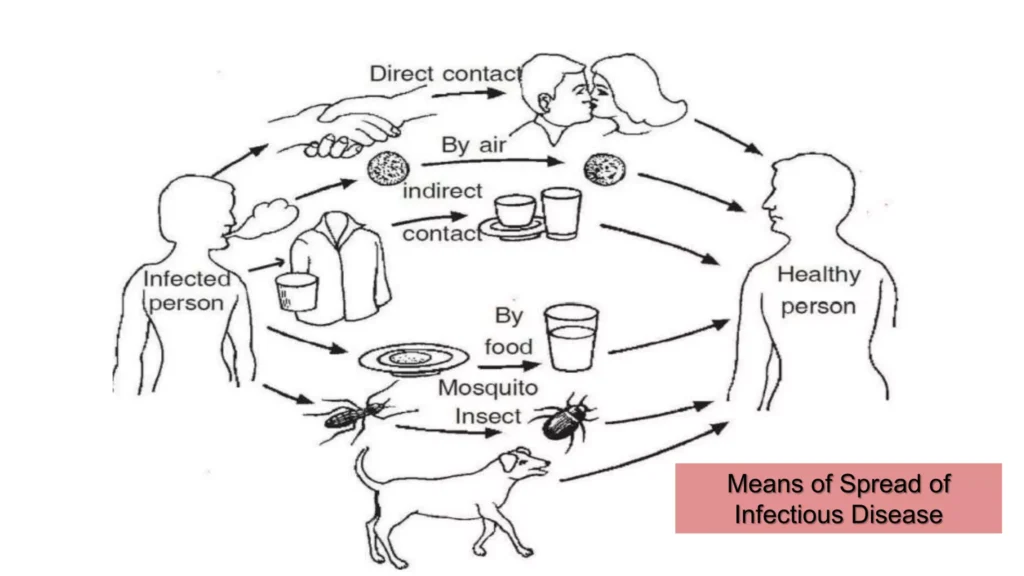
Means of Spread of Diseases
Microorganisms spread through various methods:
- Contaminated food and water
- Air droplets
- Insect vectors
- Physical contact
- Poor sanitation
Understanding these modes helps in prevention.
Prevention and Control of Diseases
The chapter Why Do We Fall Ill emphasizes prevention as the best strategy.
Personal Hygiene
- Regular handwashing
- Clean food habits
- Safe drinking water
Community Measures
- Proper waste disposal
- Clean surroundings
- Drainage systems
Immunization
Vaccines protect against infectious diseases by strengthening immunity.
Healthy Lifestyle
Balanced diet, exercise, and adequate rest strengthen resistance to diseases.
Principles of Treatment
Treatment involves:
- Killing disease-causing microbes.
- Reducing symptoms.
- Strengthening immunity.
Antibiotics work against bacteria but not viruses. Rest and proper nutrition support recovery.
Importance of Immunity
Immunity protects the body against pathogens. Vaccination develops immunity by preparing the body to fight infections.
Flowchart / Mind Map
Health
→ Physical + Mental + Social Well-being
Disease
→ Causes
→ Pathogens
→ Nutritional deficiency
→ Genetic factors
→ Environmental factors
Types of Diseases
→ Acute
→ Chronic
Based on Cause
→ Infectious
→ Air
→ Water
→ Contact
→ Vectors
→ Non-infectious
Prevention
→ Hygiene
→ Sanitation
→ Vaccination
→ Healthy lifestyle
Important Keywords with Meanings
- Health – State of complete well-being.
- Disease – Disturbance in normal body function.
- Acute disease – Short duration illness.
- Chronic disease – Long-lasting illness.
- Infectious disease – Disease caused by pathogens.
- Pathogen – Disease-causing microorganism.
- Immunity – Body’s ability to fight infection.
- Vaccination – Protection against diseases through vaccines.
- Vector – Organism that spreads disease.
- Deficiency disease – Disease caused by lack of nutrients.
Important Questions & Answers
Short Answer Questions
- What is health?
Health is a state of physical, mental, and social well-being. - Define disease.
A condition that disrupts normal body functioning. - What are infectious diseases?
Diseases caused by microorganisms. - Give two examples of chronic diseases.
Diabetes and tuberculosis. - What is immunity?
Body’s ability to resist infection. - Name one water-borne disease.
Cholera. - What are vectors?
Organisms that transmit pathogens. - What is vaccination?
A method of preventing disease using vaccines. - Name a deficiency disease.
Scurvy. - Why is sanitation important?
It prevents disease spread.
Long Answer Questions
- Explain the difference between health and disease.
Health refers to complete well-being, while disease disrupts normal body functioning. - Differentiate between acute and chronic diseases.
Acute diseases last short periods; chronic diseases persist long and affect health. - Explain infectious diseases and their modes of transmission.
They are caused by pathogens and spread via air, water, contact, or vectors. - Describe non-infectious diseases with examples.
They are not contagious and include diabetes and cancer. - Explain the importance of hygiene in disease prevention.
Clean habits prevent pathogen entry and spread. - How do vaccines protect us?
They stimulate immunity against specific diseases. - Explain the role of nutrition in maintaining health.
Balanced diet strengthens immunity and prevents deficiency diseases. - Describe factors affecting community health.
Sanitation, clean water, and waste management. - Explain how diseases spread through vectors.
Mosquitoes transmit malaria parasites. - Why is prevention better than cure?
Prevention reduces disease spread and healthcare costs.
MCQs with Answers
- Health includes
A. Physical well-being
B. Mental well-being
C. Social well-being
D. All of these
Answer: D - Tuberculosis spreads through
A. Water
B. Air
C. Food
D. Soil
Answer: B - Malaria is spread by
A. Housefly
B. Mosquito
C. Rat
D. Dog
Answer: B - Acute diseases last
A. Months
B. Years
C. Short duration
D. Lifetime
Answer: C - Pathogens include
A. Bacteria
B. Viruses
C. Fungi
D. All
Answer: D - Diabetes is a
A. Infectious disease
B. Chronic disease
C. Vector disease
D. Acute disease
Answer: B - Cholera spreads through
A. Air
B. Water
C. Contact
D. Vectors
Answer: B - Vaccines help develop
A. Weakness
B. Immunity
C. Infection
D. Allergy
Answer: B - Scurvy is caused by deficiency of
A. Vitamin A
B. Vitamin B
C. Vitamin C
D. Vitamin D
Answer: C - Clean surroundings help prevent
A. Disease spread
B. Pollution
C. Infections
D. Both A and C
Answer: D - Chronic diseases affect
A. Short period
B. Body efficiency
C. Only children
D. Only elders
Answer: B - Dengue spreads through
A. Air
B. Mosquito
C. Water
D. Contact
Answer: B - Immunity protects against
A. Injury
B. Pathogens
C. Weather
D. Pollution
Answer: B - Antibiotics work against
A. Viruses
B. Bacteria
C. Fungi
D. Worms
Answer: B - Balanced diet helps
A. Disease spread
B. Weakness
C. Good health
D. Infection
Answer: C - Vector-borne diseases spread through
A. Air
B. Insects
C. Water
D. Soil
Answer: B - Common cold is
A. Chronic
B. Acute
C. Genetic
D. Deficiency
Answer: B - Good health requires
A. Exercise
B. Nutrition
C. Hygiene
D. All
Answer: D - Pathogens enter body through
A. Air
B. Food
C. Water
D. All
Answer: D - Public sanitation helps
A. Disease spread
B. Disease prevention
C. Pollution
D. None
Answer: B
Exam Tips & Value-Based Questions
Exam Tips
- Learn differences: acute vs chronic, infectious vs non-infectious.
- Practice diagrams and flowcharts.
- Remember modes of transmission.
- Write prevention points for long answers.
- Use examples in answers.
Value-Based Questions
- Why should we keep our surroundings clean?
To prevent disease spread and protect community health. - Why is vaccination important for society?
It prevents epidemics and protects vulnerable groups. - Why should we drink safe water?
To avoid water-borne diseases. - How does personal hygiene show responsibility?
It protects both the individual and society. - Why should we avoid stagnant water?
It prevents mosquito breeding and vector diseases.
Conclusion (SEO Friendly)
The chapter Why Do We Fall Ill provides essential knowledge about health, disease, and prevention. It emphasizes that health is not merely the absence of illness but a complete state of physical, mental, and social well-being. Understanding Why Do We Fall Ill helps students recognize the importance of hygiene, nutrition, sanitation, and healthy living.
One of the key messages of Why Do We Fall Ill is that diseases arise due to multiple factors, including pathogens, environmental conditions, poor lifestyle choices, and nutritional deficiencies. The chapter clearly explains the classification of diseases into acute and chronic forms and infectious and non-infectious categories, helping learners understand their causes and effects.
The discussion of infectious diseases in Why Do We Fall Ill highlights how microorganisms spread through air, water, contact, and vectors. This knowledge encourages preventive habits such as handwashing, safe food consumption, and mosquito control. The chapter also explains the role of immunity and vaccination in disease prevention, emphasizing that prevention is more effective and economical than treatment.
Equally important is the focus on community health. Why Do We Fall Ill teaches that individual health depends on public hygiene, proper sanitation, and clean surroundings. Safe drinking water, waste disposal, and vector control are necessary for preventing epidemics and ensuring societal well-being.
The chapter also explores non-infectious diseases, including lifestyle disorders and deficiency diseases, reminding students that balanced nutrition, exercise, and healthy habits are essential for long-term health. By adopting a healthy lifestyle, individuals can prevent many chronic illnesses and improve quality of life.
Understanding Why Do We Fall Ill is crucial not only for examinations but also for everyday life. It encourages responsible behavior, promotes awareness about disease prevention, and inspires individuals to maintain cleanliness and hygiene. It also fosters awareness about public health responsibilities and community cooperation.
In conclusion, Why Do We Fall Ill is a foundational chapter that connects science with daily living. It empowers students with knowledge to protect themselves and others from diseases, promotes preventive healthcare, and encourages a healthier society.
Detailed Conclusion: Why Do We Fall Ill
The Class 9 Biology chapter Why Do We Fall Ill provides a deep understanding of health, disease, and preventive healthcare. It teaches that health is not merely the absence of disease but a complete state of physical fitness, mental stability, and social well-being. A healthy person can work efficiently, think clearly, and contribute positively to society. Therefore, maintaining good health is essential not only for individual happiness but also for national progress and community welfare.
One of the most important lessons from Why Do We Fall Ill is that diseases do not occur randomly. They are caused by identifiable factors such as pathogens, environmental conditions, poor sanitation, malnutrition, unhealthy lifestyle habits, and genetic influences. By understanding these causes, individuals can take preventive measures and reduce the risk of illness. This chapter emphasizes awareness and education as powerful tools for maintaining health.
The chapter clearly distinguishes between acute and chronic diseases, helping students understand their impact on the body. Acute diseases last for a short period and usually do not cause long-term harm, whereas chronic diseases persist for extended periods and may reduce body efficiency and quality of life. Understanding this distinction helps in early diagnosis and timely medical care.
Another significant concept explained in Why Do We Fall Ill is the difference between infectious and non-infectious diseases. Infectious diseases are caused by microorganisms such as bacteria, viruses, fungi, and protozoa. These diseases can spread through air, water, contaminated food, physical contact, or vectors like mosquitoes and flies. This knowledge encourages preventive practices such as maintaining personal hygiene, consuming safe drinking water, proper cooking of food, and controlling insect breeding.
Non-infectious diseases, on the other hand, do not spread from person to person. They may result from nutritional deficiencies, lifestyle choices, genetic factors, or environmental pollution. Diseases such as diabetes, heart disease, cancer, and deficiency disorders highlight the importance of balanced nutrition, physical activity, and a healthy lifestyle. The chapter reinforces that prevention through healthy habits is more effective than treatment after illness occurs.
A major highlight of Why Do We Fall Ill is the importance of immunity and vaccination. The human immune system protects the body from pathogens. Vaccines strengthen this defense system by preparing the body to fight infections before they occur. Immunization programs have successfully reduced the spread of many dangerous diseases, demonstrating that preventive healthcare saves lives and reduces healthcare costs.
The chapter also emphasizes the importance of public health and community hygiene. Individual health cannot be maintained in isolation. If surroundings are dirty, waste is unmanaged, and water sources are contaminated, diseases spread rapidly. Clean streets, proper sewage systems, waste disposal, and safe drinking water are essential for community health. Public awareness and collective responsibility are key to preventing epidemics and maintaining a healthy society.
Furthermore, the chapter teaches that economic and social conditions influence health. Poverty can limit access to nutritious food, clean water, and healthcare services, increasing vulnerability to diseases. Therefore, improving living conditions and ensuring healthcare accessibility are essential steps toward a healthier population.
The principle “prevention is better than cure” is strongly reinforced throughout Why Do We Fall Ill. Preventive measures such as vaccination, hygiene, balanced diet, regular exercise, and clean surroundings can significantly reduce disease occurrence. Prevention not only protects individuals but also reduces the burden on healthcare systems and improves overall quality of life.
In everyday life, the knowledge gained from Why Do We Fall Ill encourages responsible behavior. Simple habits like washing hands before meals, drinking clean water, covering food, maintaining cleanliness, and avoiding stagnant water can prevent many diseases. These small actions contribute to both personal health and community safety.
For students, understanding Why Do We Fall Ill is important for examinations as well as for developing life skills. It builds awareness about health management, disease prevention, and healthy living. It also promotes scientific thinking by helping learners understand the causes and prevention of diseases rather than relying on myths or misconceptions.
In conclusion, Why Do We Fall Ill is a vital chapter that connects science with daily life. It highlights the importance of maintaining health through hygiene, nutrition, vaccination, and community responsibility. By understanding the causes of diseases and adopting preventive measures, individuals can lead healthier lives and contribute to a safer, disease-free society. The knowledge gained from Why Do We Fall Ill empowers students to make informed health choices, promote cleanliness, and support public health initiatives, ensuring a healthier future for all.
100 MCQs – Why Do We Fall Ill (Class 9 Biology)
Multiple Choice Questions
1. Health is defined as a state of
A. Physical well-being
B. Mental well-being
C. Social well-being
D. All of these
Answer: D
2. Disease is a condition that
A. Improves body function
B. Disorganizes normal functioning
C. Increases strength
D. Enhances immunity
Answer: B
3. A healthy person is one who is
A. Disease-free only
B. Physically fit only
C. Mentally stable only
D. Physcially, mentally and socially fit
Answer: D
4. Which factor does NOT affect health?
A. Nutrition
B. Environment
C. Superstitions
D. Hygiene
Answer: C
5. Acute diseases last for
A. Long duration
B. Short duration
C. Lifetime
D. Permanent duration
Answer: B
6. Chronic diseases last for
A. Few days
B. Few hours
C. Long periods
D. Few minutes
Answer: C
7. Which is an acute disease?
A. Diabetes
B. Arthritis
C. Common cold
D. Cancer
Answer: C
8. Which is a chronic disease?
A. Cold
B. Flu
C. Tuberculosis
D. Headache
Answer: C
9. Infectious diseases are caused by
A. Nutrients
B. Pathogens
C. Weather
D. Exercise
Answer: B
10. Pathogens include
A. Bacteria
B. Viruses
C. Fungi
D. All of these
Answer: D
11. Tuberculosis is caused by
A. Virus
B. Bacteria
C. Fungus
D. Protozoa
Answer: B
12. Malaria is caused by
A. Virus
B. Bacteria
C. Protozoa
D. Worm
Answer: C
13. Dengue spreads through
A. Housefly
B. Mosquitos
C. Rats
D. Dogs
Answer: B
14. Cholera spreads through
A. Air
B. Water
C. Soil
D. Contact
Answer: B
15. Common cold spreads through
A. Air droplets
B. Soil
C. Vectors
D. Food
Answer: A
16. Which is NOT an infectious disease?
A. Measles
B. Tuberculosis
C. Diabetes
D. Cholera
Answer: C
17. Diabetes is a
A. Infectious disease
B. Chronic disease
C. Acute disease
D. Vector disease
Answer: B
18. Deficiency of Vitamin C causes
A. Rickets
B. Scurvy
C. Night blindness
D. Goitre
Answer: B
19. Rickets is caused by deficiency of
A. Vitamin A
B. Vitamin B
C. Vitamin C
D. Vitamin D
Answer: D
20. Night blindness occurs due to deficiency of
A. Vitamin A
B. Vitamin C
C. Iron
D. Iodine
Answer: A
21. A vector is
A. Disease
B. Carrier of pathogen
C. Medicine
D. Vaccine
Answer: B
22. Female Anopheles mosquito spreads
A. Dengue
B. Malaria
C. Cholera
D. Polio
Answer: B
23. Housefly spreads disease by
A. Biting
B. Carrying germs
C. Flying only
D. Drinking water
Answer: B
24. Which disease spreads by contaminated food?
A. Cholera
B. Typhoid
C. Both A & B
D. Malaria
Answer: C
25. Which disease spreads through direct contact?
A. Ringworm
B. Diabetes
C. Cancer
D. Asthma
Answer: A
26. Antibiotics are effective against
A. Viruses
B. Bacteria
C. Worms
D. Allergies
Answer: B
27. Antibiotics do NOT work against
A. Bacteria
B. Virues
C. Fungi
D. Parasites
Answer: B
28. Which organ system is most affected in tuberculosis?
A. Heart
B. Lungs
C. Liver
D. Kidneys
Answer: B
29. AIDS is caused by
A. Bacteria
B. Virus
C. Fungus
D. Protozoa
Answer: B
30. Polio affects the
A. Bones
B. Nerves
C. Muscles only
D. Skin
Answer: B
31. Good health requires
A. Balanced diet
B. Clean water
C. Hygiene
D. All of these
Answer: D
32. Balanced diet provides
A. Only carbohydrates
B. Only fats
C. Essential nutrients
D. Only proteins
Answer: C
33. Immunity helps the body to
A. Sleep
B. Fight infections
C. Grow hair
D. Digest food
Answer: B
34. Vaccination helps in
A. Cure of disease
B. Prevention of disease
C. Weakening immunity
D. Spreading disease
Answer: B
35. BCG vaccine protects against
A. Polio
B. Tuberculosis
C. Cholera
D. Measles
Answer: B
36. ORS is used to treat
A. Fever
B. Dehydration
C. Diabetes
D. Cough
Answer: B
37. Dehydration occurs due to loss of
A. Oxygen
B. Water & salts
C. Vitamins
D. Blood
Answer: B
38. Which disease spreads through unsafe injections?
A. AIDS
B. Malaria
C. Cholera
D. Cold
Answer: A
39. Which disease is airborne?
A. Cholera
B. Tuberculosis
C. Malaria
D. Typhoid
Answer: B
40. Which disease spreads through sexual contact?
A. AIDS
B. Malaria
C. Cholera
D. Polio
Answer: A
41. Personal hygiene includes
A. Washing hands
B. Clean clothes
C. Bathing regularly
D. All
Answer: D
42. Community health depends on
A. Clean surroundings
B. Drainage
C. Waste disposal
D. All
Answer: D
43. Stagnant water promotes breeding of
A. Flies
B. Mosquitoes
C. Worms
D. Ants
Answer: B
44. Which disease spreads by mosquito bites?
A. Dengue
B. Malaria
C. Chikungunya
D. All
Answer: D
45. Which disease is caused by bacteria?
A. Measles
B. TB
C. Dengue
D. Polio
Answer: B
46. Measles is caused by
A. Bacteria
B. Virus
C. Fungus
D. Protozoa
Answer: B
47. Typhoid is caused by
A. Virus
B. Bacteria
C. Fungus
D. Worm
Answer: B
48. Clean drinking water prevents
A. Malaria
B. Cholera
C. Dengue
D. TB
Answer: B
49. Which disease spreads through contaminated milk?
A. TB
B. Typhoid
C. Cholera
D. Cold
Answer: B
50. Which disease affects immune system?
A. AIDS
B. Malaria
C. Cold
D. Cholera
Answer: A
51. Lack of iodine causes
A. Scurvy
B. Goitre
C. Rickets
D. Anemia
Answer: B
52. Lack of iron causes
A. Rickets
B. Anemia
C. Goitre
D. Diabetes
Answer: B
53. Anemia results in
A. Weakness
B. Fatigue
C. Pale skin
D. All
Answer: D
54. Chronic diseases reduce
A. Body efficiency
B. Hair growth
C. Height
D. Teeth strength
Answer: A
55. Which disease is genetic?
A. Hemophilia
B. Malaria
C. TB
D. Dengue
Answer: A
56. Lifestyle diseases include
A. Diabetes
B. Hypertension
C. Heart disease
D. All
Answer: D
57. Exercise helps in
A. Improving immunity
B. Maintaining weight
C. Better health
D. All
Answer: D
58. Junk food leads to
A. Obesity
B. Malnutrition
C. Poor health
D. All
Answer: D
59. Clean air helps prevent
A. Respiratory diseases
B. Diabetes
C. Cholera
D. Malaria
Answer: A
60. TB spreads faster in
A. Clean areas
B. Crowded places
C. Mountains
D. Deserts
Answer: B
61. Which disease spreads through coughing?
A. TB
B. Diabetes
C. Cancer
D. Arthritis
Answer: A
62. Which disease is water-borne?
A. Cholera
B. Dengue
C. TB
D. Polio
Answer: A
63. Mosquitoes breed in
A. Flowing water
B. Stagnant water
C. Sea water
D. Ice
Answer: B
64. Which practice prevents disease spread?
A. Hand washing
B. Open defecation
C. Drinking dirty water
D. Littering
Answer: A
65. Which disease is prevented by polio vaccine?
A. Polio
B. Measles
C. Dengue
D. TB
Answer: A
66. Which disease causes severe dehydration?
A. Cholera
B. TB
C. Cold
D. Asthma
Answer: A
67. Deficiency diseases are caused by
A. Pathogens
B. Lack of nutrients
C. Mosquitoes
D. Viruses
Answer: B
68. Proper cooking of food kills
A. Nutrients
B. Germs
C. Vitamins
D. Minerals
Answer: B
69. Which disease spreads through blood transfusion?
A. AIDS
B. Malaria
C. Cold
D. Typhoid
Answer: A
70. Hygiene means
A. Cleanliness
B. Eating fast food
C. Sleeping late
D. Skipping bath
Answer: A
71. The best way to stay healthy is
A. Eat junk food
B. Avoid exercise
C. Balanced diet & hygiene
D. Sleep all day
Answer: C
72. Pathogens enter the body through
A. Air
B. Water
C. Food
D. All
Answer: D
73. Which disease affects lungs?
A. TB
B. Diabetes
C. Malaria
D. Cholera
Answer: A
74. Which disease is caused by Plasmodium?
A. Dengue
B. Malaria
C. TB
D. Measles
Answer: B
75. Which disease causes high fever with chills?
A. Malaria
B. Cholera
C. Diabetes
D. Cancer
Answer: A
76. Which organism causes cholera?
A. Virus
B. Bacteria
C. Protozoa
D. Fungus
Answer: B
77. Which is a viral disease?
A. Measles
B. TB
C. Typhoid
D. Cholera
Answer: A
78. Which disease spreads through sneezing?
A. Common cold
B. Diabetes
C. Cancer
D. Goitre
Answer: A
79. Safe disposal of waste helps prevent
A. Pollution
B. Disease
C. Infections
D. All
Answer: D
80. Which disease spreads in rainy season?
A. Malaria
B. Dengue
C. Both
D. Diabetes
Answer: C
81. Clean surroundings prevent
A. Vector breeding
B. Disease spread
C. Infection
D. All
Answer: D
82. Which nutrient strengthens immunity?
A. Vitamins
B. Proteins
C. Minerals
D. All
Answer: D
83. Which disease spreads by touching infected person?
A. Ringworm
B. Diabetes
C. Hypertension
D. Cancer
Answer: A
84. Which disease spreads by contaminated needles?
A. AIDS
B. TB
C. Malaria
D. Cholera
Answer: A
85. Which disease is prevented by measles vaccine?
A. Measles
B. TB
C. Cholera
D. Dengue
Answer: A
86. Which habit improves health?
A. Smoking
B. Exercise
C. Junk food
D. Skipping meals
Answer: B
87. Which disease spreads through contaminated food & water?
A. Typhoid
B. Cholera
C. Both
D. Cold
Answer: C
88. Which system protects body from pathogens?
A. Digestive system
B. Immune system
C. Respiratory system
D. Nervous system
Answer: B
89. Vaccines contain
A. Dead/weak pathogens
B. Vitamins
C. Antibiotics
D. Minerals
Answer: A
90. Which is NOT a preventive measure?
A. Vaccination
B. Hygiene
C. Drinking dirty water
D. Balanced diet
Answer: C
91. Which disease is caused by fungus?
A. Ringworm
B. TB
C. Malaria
D. Cholera
Answer: A
92. Which disease spreads through vectors?
A. Malaria
B. Dengue
C. Chikungunya
D. All
Answer: D
93. Which disease affects red blood cells?
A. Malaria
B. TB
C. Cholera
D. Diabetes
Answer: A
94. Overcrowding promotes spread of
A. Airborne diseases
B. Vector diseases
C. Deficiency diseases
D. Genetic diseases
Answer: A
95. Which disease causes persistent cough?
A. TB
B. Diabetes
C. Malaria
D. Cholera
Answer: A
96. Which disease is prevented by clean water?
A. Cholera
B. Typhoid
C. Both
D. TB
Answer: C
97. Which factor improves community health?
A. Sanitation
B. Clean water
C. Vaccination
D. All
Answer: D
98. Which disease spreads through poor sanitation?
A. Cholera
B. Typhoid
C. Diarrhea
D. All
Answer: D
99. Good nutrition helps
A. Immunity
B. Growth
C. Disease prevention
D. All
Answer: D
100. Prevention of disease is better than cure because it
A. Saves money
B. Reduces suffering
C. Prevents spread
D. All
Answer: D
100 Fill in the Blanks
Chapter: Why Do We Fall Ill (Class 9 Biology)
Fill in the blanks with suitable words.
- Health is a state of complete ______ well-being.
Answer: physical, mental and social - Disease is a condition that disturbs normal ______.
Answer: functioning - A person suffering from illness cannot perform daily ______ efficiently.
Answer: activities - Good health depends on proper ______ and hygiene.
Answer: nutrition - Infectious diseases are caused by ______.
Answer: pathogens - Pathogens include bacteria, viruses, fungi and ______.
Answer: protozoa - Diseases that last for a short time are called ______ diseases.
Answer: acute - Diseases that last for a long time are called ______ diseases.
Answer: chronic - Tuberculosis mainly affects the ______.
Answer: lungs - Malaria is caused by a ______.
Answer: protozoan - Malaria spreads through the bite of female ______ mosquito.
Answer: Anopheles - Cholera spreads through contaminated ______.
Answer: water - Common cold spreads through ______ droplets.
Answer: air - A disease that spreads from person to person is called ______.
Answer: infectious disease - Diabetes is a ______ disease.
Answer: non-infectious - Diseases caused due to lack of nutrients are called ______ diseases.
Answer: deficiency - Lack of Vitamin C causes ______.
Answer: scurvy - Lack of Vitamin D causes ______.
Answer: rickets - Lack of iron causes ______.
Answer: anemia - The body’s ability to fight disease is called ______.
Answer: immunity - Vaccination helps build ______ against diseases.
Answer: immunity - Microorganisms that cause disease are called ______.
Answer: pathogens - Organisms that transmit pathogens are called ______.
Answer: vectors - Dengue spreads through ______ mosquito.
Answer: Aedes - Dirty surroundings help ______ diseases spread.
Answer: infectious - Safe drinking water helps prevent ______ diseases.
Answer: water-borne - Typhoid spreads through contaminated ______ and water.
Answer: food - Antibiotics are effective against ______.
Answer: bacteria - Antibiotics do not work against ______.
Answer: viruses - The immune system protects the body from ______.
Answer: pathogens - Proper sanitation helps prevent disease ______.
Answer: spread - Diseases that do not spread are called ______ diseases.
Answer: non-infectious - Malaria affects the ______ cells.
Answer: red blood - Clean surroundings reduce ______ breeding.
Answer: mosquito - Overcrowding promotes ______ diseases.
Answer: airborne - AIDS is caused by a ______.
Answer: virus - AIDS weakens the ______ system.
Answer: immune - Measles is a ______ disease.
Answer: viral - Ringworm is caused by a ______.
Answer: fungus - TB spreads through ______.
Answer: air - ORS is used to prevent ______.
Answer: dehydration - Loss of water and salts causes ______.
Answer: dehydration - Balanced diet includes carbohydrates, proteins, fats, vitamins and ______.
Answer: minerals - A healthy body requires adequate ______.
Answer: rest - Exercise helps improve ______.
Answer: fitness - Mosquitoes breed in ______ water.
Answer: stagnant - Cholera bacteria spread through ______ sanitation.
Answer: poor - Clean food habits prevent ______ infections.
Answer: food-borne - Good hygiene includes washing ______ regularly.
Answer: hands - Community health depends on clean ______.
Answer: environment - Diseases caused by genetic defects are called ______ diseases.
Answer: hereditary - Goitre is caused due to deficiency of ______.
Answer: iodine - Night blindness is caused by deficiency of ______.
Answer: Vitamin A - Fever is a common ______ of disease.
Answer: symptom - Pain and fatigue are signs of ______.
Answer: illness - Treatment aims to reduce ______.
Answer: symptoms - Vaccines contain weakened or dead ______.
Answer: pathogens - Public health measures improve ______ health.
Answer: community - Germs enter the body through air, food and ______.
Answer: water - Handwashing reduces ______ transmission.
Answer: germ - The spread of disease through insects is called ______ transmission.
Answer: vector - Airborne diseases spread through ______.
Answer: droplets - Diabetes is related to ______ lifestyle.
Answer: unhealthy - Pollution affects ______ health.
Answer: respiratory - Clean water prevents ______ and typhoid.
Answer: cholera - Vaccination is a method of ______ disease.
Answer: preventing - A healthy person is more ______.
Answer: productive - Nutritional deficiency weakens ______.
Answer: immunity - Chronic diseases reduce body ______.
Answer: efficiency - Rest helps the body ______.
Answer: recover - Malaria parasite lives in ______ cells.
Answer: red blood - Flies spread germs from garbage to ______.
Answer: food - Good nutrition improves ______.
Answer: health - Community hygiene includes proper ______ disposal.
Answer: waste - Safe water should be ______ before drinking.
Answer: boiled - Clean surroundings prevent ______ diseases.
Answer: infectious - Personal hygiene protects ______ health.
Answer: individual - Immunization protects children from ______ diseases.
Answer: infectious - Pathogens multiply inside the ______.
Answer: body - Chronic diseases require long-term ______.
Answer: treatment - Good health increases life ______.
Answer: expectancy - Balanced diet prevents ______ diseases.
Answer: deficiency - Disease-causing organisms are too small to be seen with ______ eye.
Answer: naked - Health is affected by social and ______ factors.
Answer: economic - Safe food should be covered to prevent ______.
Answer: contamination - Exercise strengthens the ______ system.
Answer: immune - A clean environment promotes ______.
Answer: health - Pathogens can enter through cuts in the ______.
Answer: skin - Boiling water kills harmful ______.
Answer: germs - Public vaccination helps prevent ______.
Answer: epidemics - Typhoid is caused by ______ bacteria.
Answer: Salmonella - TB bacteria spread through ______.
Answer: coughing - Mosquito nets prevent ______ bites.
Answer: mosquito - A healthy diet should include fresh ______.
Answer: fruits - Poor hygiene leads to ______ infections.
Answer: skin - Chronic illness affects quality of ______.
Answer: life - Preventive healthcare reduces ______ costs.
Answer: medical - The best way to stay healthy is maintaining ______ habits.
Answer: healthy - Good health is essential for a happy ______.
Answer: life - Prevention is better than ______.
Answer: cure
100 True / False Questions
Chapter: Why Do We Fall Ill
Write True (T) or False (F).
- Health means absence of disease only. — F
- Health includes mental well-being. — T
- Disease disrupts normal body function. — T
- Infectious diseases spread from person to person. — T
- Diabetes is an infectious disease. — F
- Malaria is caused by bacteria. — F
- Malaria spreads through mosquito bites. — T
- TB spreads through air. — T
- Cholera spreads through contaminated water. — T
- Acute diseases last for many years. — F
- Chronic diseases last for long periods. — T
- Pathogens include viruses and bacteria. — T
- Vaccination weakens immunity. — F
- Immunity protects the body from infections. — T
- Mosquitoes breed in stagnant water. — T
- Clean surroundings prevent diseases. — T
- Antibiotics cure viral infections. — F
- AIDS is caused by a virus. — T
- Balanced diet is essential for good health. — T
- Deficiency of Vitamin C causes rickets. — F
- Rickets is caused by Vitamin D deficiency. — T
- Scurvy is caused by Vitamin C deficiency. — T
- Deficiency diseases are infectious. — F
- Houseflies can spread germs. — T
- Overcrowding promotes disease spread. — T
- Safe drinking water prevents cholera. — T
- Diabetes spreads through contact. — F
- Vaccines contain weakened pathogens. — T
- Personal hygiene reduces infection risk. — T
- Measles is a viral disease. — T
- Ringworm is caused by fungus. — T
- Antibiotics are effective against bacteria. — T
- ORS is used to treat dehydration. — T
- Chronic diseases reduce body efficiency. — T
- Exercise weakens the body. — F
- Pollution affects health negatively. — T
- Germs can enter through contaminated food. — T
- Malaria affects red blood cells. — T
- TB affects the lungs. — T
- Hygiene is not important for health. — F
- Dengue spreads through Aedes mosquito. — T
- Mosquito nets help prevent malaria. — T
- Handwashing helps prevent disease. — T
- Typhoid spreads through contaminated food. — T
- AIDS spreads through unsafe blood transfusion. — T
- Good nutrition strengthens immunity. — T
- Chronic diseases last for short periods. — F
- Vaccination prevents infectious diseases. — T
- Clean air prevents respiratory diseases. — T
- Community health depends on sanitation. — T
- Flies help in spreading food-borne diseases. — T
- Germs are visible to naked eye. — F
- Pathogens multiply inside the body. — T
- Boiling water kills germs. — T
- Safe food prevents infections. — T
- Poor hygiene can cause skin infections. — T
- Chronic illness improves efficiency. — F
- Immunization programs protect society. — T
- Clean surroundings prevent mosquito breeding. — T
- Vector-borne diseases spread through insects. — T
- Healthy lifestyle prevents many diseases. — T
- Diabetes is caused by pathogens. — F
- TB spreads through coughing. — T
- Vaccines cure diseases immediately. — F
- Pathogens can enter through cuts in skin. — T
- Balanced diet prevents deficiency diseases. — T
- Overeating junk food improves health. — F
- Safe water reduces disease risk. — T
- AIDS weakens the immune system. — T
- Chronic diseases need long-term treatment. — T
- Mosquitoes spread malaria parasites. — T
- Exercise improves immunity. — T
- Clean clothes are part of hygiene. — T
- TB is a bacterial disease. — T
- Typhoid is caused by bacteria. — T
- Malaria is a viral disease. — F
- Dengue spreads through contaminated food. — F
- Public sanitation prevents epidemics. — T
- Health is affected by economic conditions. — T
- Good rest supports recovery. — T
- Germs spread through air and water. — T
- Immunity is the body’s defense system. — T
- Preventive healthcare saves money. — T
- Chronic diseases affect quality of life. — T
- Hygiene is important only for children. — F
- Vaccination protects future health. — T
- Deficiency diseases spread from person to person. — F
- Mosquito control helps prevent dengue. — T
- Good health improves productivity. — T
- Clean environment promotes health. — T
- Antibiotics kill viruses. — F
- Vector control helps prevent disease spread. — T
- TB spreads faster in crowded places. — T
- Safe disposal of waste prevents diseases. — T
- Chronic diseases cannot be prevented. — F
- Proper cooking kills germs in food. — T
- Clean water prevents water-borne diseases. — T
- Healthy habits help prevent illness. — T
- Prevention is better than cure. — T
- Good health is essential for a happy life. — T
100 Assertion–Reason Questions
Chapter: Why Do We Fall Ill (Class 9 Biology)
Directions:
For each question, choose the correct option:
A. Both Assertion (A) and Reason (R) are true, and R is the correct explanation of A.
B. Both A and R are true, but R is not the correct explanation of A.
C. A is true, but R is false.
D. A is false, but R is true.
Assertion–Reason Questions
1.
A: Health includes physical, mental, and social well-being.
R: A person free from disease is always healthy.
Answer: C
2.
A: Disease disrupts normal functioning of the body.
R: Diseases improve body efficiency.
Answer: C
3.
A: Good nutrition is essential for maintaining health.
R: Nutrients help the body resist infections.
Answer: A
4.
A: Acute diseases last for a short duration.
R: Acute diseases have long-term effects.
Answer: C
5.
A: Chronic diseases last for long periods.
R: Chronic diseases reduce body efficiency.
Answer: A
6.
A: Infectious diseases can spread from person to person.
R: They are caused by pathogens.
Answer: A
7.
A: Pathogens include bacteria, viruses, fungi, and protozoa.
R: All microorganisms are harmful.
Answer: C
8.
A: Tuberculosis spreads through air.
R: TB bacteria are transmitted through droplets released during coughing.
Answer: A
9.
A: Malaria is a vector-borne disease.
R: It spreads through contaminated food.
Answer: C
10.
A: Dengue spreads through Aedes mosquito.
R: Mosquitoes act as vectors carrying pathogens.
Answer: A
11.
A: Cholera spreads through contaminated water.
R: Vibrio cholerae thrives in unsafe water.
Answer: A
12.
A: Common cold spreads through air.
R: Sneezing releases droplets containing viruses.
Answer: A
13.
A: Diabetes is an infectious disease.
R: It spreads through contact.
Answer: D
14.
A: Deficiency diseases occur due to lack of nutrients.
R: Balanced diet provides essential nutrients.
Answer: A
15.
A: Vitamin C deficiency causes scurvy.
R: Vitamin C helps maintain healthy gums.
Answer: A
16.
A: Vitamin D deficiency causes rickets.
R: Vitamin D is necessary for calcium absorption.
Answer: A
17.
A: Iron deficiency causes anemia.
R: Iron is essential for hemoglobin formation.
Answer: A
18.
A: Goitre occurs due to iodine deficiency.
R: Iodine is needed for thyroid hormone production.
Answer: A
19.
A: Vaccination prevents diseases.
R: Vaccines prepare the immune system to fight pathogens.
Answer: A
20.
A: Immunity protects the body against infections.
R: Immune system recognizes and destroys pathogens.
Answer: A
21.
A: Antibiotics are effective against bacteria.
R: Antibiotics kill or inhibit bacterial growth.
Answer: A
22.
A: Antibiotics cure viral infections.
R: Viruses lack cellular structure.
Answer: D
23.
A: AIDS weakens the immune system.
R: HIV attacks immune cells.
Answer: A
24.
A: Ringworm is caused by bacteria.
R: Ringworm is a fungal infection.
Answer: D
25.
A: Houseflies spread diseases.
R: They carry germs from garbage to food.
Answer: A
26.
A: Stagnant water promotes mosquito breeding.
R: Mosquitoes lay eggs in still water.
Answer: A
27.
A: Clean surroundings reduce disease spread.
R: Dirty surroundings attract vectors.
Answer: A
28.
A: Overcrowding increases spread of airborne diseases.
R: Close contact helps pathogens spread easily.
Answer: A
29.
A: Safe drinking water prevents water-borne diseases.
R: Water may contain harmful microorganisms.
Answer: A
30.
A: Handwashing reduces infections.
R: Soap removes germs from hands.
Answer: A
31.
A: ORS is used to treat dehydration.
R: ORS replaces lost fluids and salts.
Answer: A
32.
A: Fever is a symptom of disease.
R: Body temperature rises during infections.
Answer: A
33.
A: Balanced diet strengthens immunity.
R: Nutrients help the immune system function properly.
Answer: A
34.
A: Exercise improves health.
R: Physical activity improves body efficiency.
Answer: A
35.
A: TB affects lungs.
R: TB bacteria infect lung tissues.
Answer: A
36.
A: Malaria affects red blood cells.
R: Plasmodium parasite multiplies inside RBCs.
Answer: A
37.
A: Typhoid spreads through contaminated food.
R: Salmonella bacteria spread via unsafe food and water.
Answer: A
38.
A: Measles is a viral disease.
R: Measles virus spreads through air droplets.
Answer: A
39.
A: Chronic diseases reduce quality of life.
R: They persist for long periods.
Answer: A
40.
A: Acute diseases have long-term effects.
R: They last for short duration.
Answer: D
41.
A: Clean air prevents respiratory diseases.
R: Polluted air contains harmful particles.
Answer: A
42.
A: Hygiene is important for health.
R: Clean habits prevent infections.
Answer: A
43.
A: Pathogens can enter through cuts in skin.
R: Broken skin allows microbes to enter body.
Answer: A
44.
A: Immunization protects children from diseases.
R: Vaccines build immunity before infection occurs.
Answer: A
45.
A: TB spreads through blood transfusion.
R: TB bacteria spread through air droplets.
Answer: D
46.
A: Malaria spreads faster during rainy season.
R: Rainwater creates mosquito breeding sites.
Answer: A
47.
A: Cholera causes severe dehydration.
R: It leads to loss of fluids through diarrhea.
Answer: A
48.
A: Deficiency diseases are infectious.
R: They are caused by lack of nutrients.
Answer: D
49.
A: Community health depends on sanitation.
R: Waste disposal prevents disease spread.
Answer: A
50.
A: Vaccines contain dead or weakened pathogens.
R: This helps body recognize pathogens.
Answer: A
51.
A: Germs are visible to naked eye.
R: Microorganisms are microscopic.
Answer: D
52.
A: Personal hygiene prevents skin infections.
R: Clean skin reduces microbial growth.
Answer: A
53.
A: Mosquito nets help prevent malaria.
R: They prevent mosquito bites.
Answer: A
54.
A: Boiling water makes it safe to drink.
R: Heat kills harmful microbes.
Answer: A
55.
A: Healthy diet prevents deficiency diseases.
R: Nutrients are essential for body functions.
Answer: A
56.
A: TB spreads through touching infected person.
R: TB spreads through air droplets.
Answer: D
57.
A: HIV spreads through unsafe blood transfusion.
R: HIV virus is present in infected blood.
Answer: A
58.
A: Clean food habits prevent infections.
R: Food can carry pathogens.
Answer: A
59.
A: Chronic diseases require long-term treatment.
R: They persist for long durations.
Answer: A
60.
A: Exercise reduces immunity.
R: Exercise strengthens body systems.
Answer: D
61.
A: Malnutrition weakens immunity.
R: Nutrients are essential for immune function.
Answer: A
62.
A: Pollution has no effect on health.
R: Polluted air causes respiratory problems.
Answer: D
63.
A: Clean surroundings prevent vector breeding.
R: Garbage attracts flies and mosquitoes.
Answer: A
64.
A: Safe disposal of waste prevents disease spread.
R: Waste attracts disease-carrying organisms.
Answer: A
65.
A: Pathogens multiply inside the body.
R: Body provides suitable environment.
Answer: A
66.
A: Good rest helps recovery from illness.
R: Body repairs tissues during rest.
Answer: A
67.
A: Chronic diseases spread quickly.
R: They persist for long periods.
Answer: D
68.
A: Typhoid is caused by bacteria.
R: Bacteria spread through contaminated food.
Answer: A
69.
A: Dengue spreads through contaminated water.
R: Dengue spreads through mosquito bites.
Answer: D
70.
A: Measles vaccine prevents measles.
R: Vaccination builds immunity.
Answer: A
71.
A: Pathogens enter body through food and air.
R: Contaminated sources carry germs.
Answer: A
72.
A: Health is affected by economic conditions.
R: Poverty limits access to nutrition and healthcare.
Answer: A
73.
A: Overcrowding reduces disease spread.
R: Close contact increases infection risk.
Answer: D
74.
A: Diabetes is caused by lifestyle factors.
R: Unhealthy habits increase risk.
Answer: A
75.
A: Mosquito control helps prevent dengue.
R: Mosquitoes act as vectors.
Answer: A
76.
A: Ringworm spreads through contact.
R: It is a contagious fungal infection.
Answer: A
77.
A: Immunity is body’s defense mechanism.
R: It protects against pathogens.
Answer: A
78.
A: Antibiotics should be taken for viral infections.
R: Antibiotics act against bacteria.
Answer: D
79.
A: Clean environment promotes health.
R: Dirty surroundings spread infections.
Answer: A
80.
A: TB spreads through coughing and sneezing.
R: Droplets contain TB bacteria.
Answer: A
81.
A: Handwashing before meals prevents disease.
R: Germs may enter through contaminated hands.
Answer: A
82.
A: Cholera bacteria spread through unsafe water.
R: Poor sanitation contaminates water sources.
Answer: A
83.
A: Vaccination helps control epidemics.
R: Immunized populations reduce disease spread.
Answer: A
84.
A: Healthy lifestyle prevents chronic diseases.
R: Exercise and balanced diet maintain body functions.
Answer: A
85.
A: Mosquito bites are harmless.
R: Mosquitoes can transmit pathogens.
Answer: D
86.
A: Nutritional deficiencies affect health.
R: Nutrients are required for body growth and repair.
Answer: A
87.
A: Germs cannot survive outside the body.
R: Some microbes survive in environment.
Answer: D
88.
A: Good sanitation reduces disease spread.
R: Clean surroundings eliminate breeding grounds.
Answer: A
89.
A: HIV attacks immune cells.
R: This weakens body defenses.
Answer: A
90.
A: Malaria is prevented by controlling mosquitoes.
R: Mosquitoes transmit malaria parasite.
Answer: A
91.
A: Clean water prevents typhoid.
R: Typhoid spreads through contaminated water.
Answer: A
92.
A: Chronic diseases cannot be prevented.
R: Healthy lifestyle reduces risk.
Answer: D
93.
A: Community participation improves public health.
R: Collective efforts maintain sanitation.
Answer: A
94.
A: Disease prevention is better than cure.
R: Prevention reduces suffering and cost.
Answer: A
95.
A: Airborne diseases spread through droplets.
R: Sneezing releases pathogens into air.
Answer: A
96.
A: Healthy habits reduce illness risk.
R: Hygiene and nutrition strengthen immunity.
Answer: A
97.
A: Pathogens are beneficial microorganisms.
R: Pathogens cause disease.
Answer: D
98.
A: Clean food storage prevents contamination.
R: Germs grow on exposed food.
Answer: A
99.
A: Vaccines provide long-term protection.
R: Immune memory helps fight future infections.
Answer: A
100.
A: Good health is essential for a productive life.
R: Healthy individuals work efficiently.
Answer: A





Leave a Reply