


1. Introduction
Food production refers to the process of producing food for humans through activities like agriculture, animal husbandry, fishing, and poultry farming.
Food management means the proper handling, storage, distribution, and conservation of food so that food is not wasted and everyone gets enough food.
Food production and management are important because the world population is increasing, and more food is needed to feed everyone.
2. Sources of Food
Food mainly comes from plants and animals.
1. Plant Sources
Plants provide:
- Cereals (rice, wheat, maize)
- Pulses (lentils, beans)
- Fruits and vegetables
- Oils (mustard oil, sunflower oil)
2. Animal Sources
Animals provide:
- Milk
- Eggs
- Meat
- Fish
- Honey
3. Methods of Food Production
1. Agriculture
Agriculture is the practice of growing crops and raising animals for food.
Types of Crops
- Food crops – wheat, rice, maize
- Cash crops – cotton, tea, coffee, sugarcane
Important Steps in Crop Production
- Preparation of soil
- Sowing of seeds
- Adding fertilizers or manure
- Irrigation (watering crops)
- Protection from pests
- Harvesting
2. Animal Husbandry
Animal husbandry is the scientific management of animals for useful products.
Products Obtained
- Milk
- Meat
- Wool
- Eggs
Animals commonly reared include cows, buffaloes, goats, sheep, and poultry birds.
3. Poultry Farming
Poultry farming is the rearing of birds such as chickens, ducks, and turkeys for eggs and meat.
Importance
- Provides protein-rich food
- Creates employment
- Helps increase food supply
4. Fisheries
Fisheries involve the breeding, rearing, and catching of fish.
Types
- Marine fisheries – fishing in seas and oceans
- Inland fisheries – fishing in rivers, lakes, and ponds
Fish is an important source of protein.
5. Apiculture
Apiculture means beekeeping, the rearing of honeybees for honey and beeswax.
Importance
- Produces honey
- Helps in pollination of crops
- Increases agricultural productivity
4. Food Storage
Food must be stored properly to prevent spoilage and wastage.
Causes of Food Spoilage
- Microorganisms
- Insects and pests
- Moisture
- Temperature changes
Methods of Food Storage
- Refrigeration
- Drying
- Canning
- Freezing
- Use of preservatives
5. Food Preservation
Food preservation means preventing food from spoilage so that it can be stored for a long time.
Common Methods
- Drying
Removing moisture from food. - Refrigeration
Keeping food at low temperature. - Freezing
Slowing the growth of microorganisms. - Salting and pickling
Adding salt or vinegar to preserve food. - Canning and bottling
Storing food in sealed containers.
6. Food Adulteration
Food adulteration is the mixing of harmful or inferior substances with food.
Examples
- Water mixed with milk
- Stones mixed with grains
- Artificial colors added to food
Effects
- Reduces quality of food
- May cause health problems
Prevention
- Buy food from reliable sources
- Check quality marks like ISI or AGMARK
- Avoid unpackaged food
7. Food Management
Food management means the proper use and distribution of food resources.
Important Aspects
- Avoid food wastage
- Proper storage
- Balanced diet planning
- Equal distribution of food
8. Food Security
Food security means that all people have enough safe and nutritious food at all times.
Ways to Improve Food Security
- Increase agricultural production
- Improve storage facilities
- Reduce food wastage
- Proper food distribution
9. Balanced Diet
A balanced diet contains all essential nutrients in the right amounts.
Nutrients Needed
- Carbohydrates
- Proteins
- Fats
- Vitamins
- Minerals
- Water
A balanced diet helps maintain good health and proper growth.
10. Importance of Food Production and Management
Food production and management are important because they:
- Provide sufficient food for growing population
- Prevent food shortages
- Reduce food wastage
- Ensure proper nutrition
11. Summary
- Food comes mainly from plants and animals.
- Methods of food production include agriculture, animal husbandry, fisheries, poultry farming, and apiculture.
- Proper food storage and preservation prevent spoilage.
- Food adulteration lowers food quality and can harm health.
- Effective food management ensures food security and proper nutrition.
If you want, I can also give you:
📘 Important ICSE exam questions from this chapter
📘 50–100 MCQs for practice
📘 Short revision notes for quick study
📘 Very detailed 6000–8000 word notes for exams.
Food Production and Management – Class 8 ICSE (Detailed Notes)
1. Introduction
Food is essential for growth, energy, and maintaining health. As the world population increases, the demand for food also increases. Therefore, it is important to improve methods of food production, storage, and management.
Food production includes all activities involved in producing food from plants and animals.
Food management refers to the proper handling, storage, preservation, and distribution of food to prevent wastage.
2. Sources of Food
Food mainly comes from two main sources:
1. Plant Sources
Plants provide many types of food.
Examples
- Cereals – rice, wheat, maize, barley
- Pulses – beans, lentils, peas
- Vegetables – spinach, carrot, cabbage
- Fruits – apple, banana, mango
- Oils – mustard oil, sunflower oil, groundnut oil
- Spices – pepper, turmeric, ginger
Plant foods are rich in carbohydrates, vitamins, and minerals.
2. Animal Sources
Animals provide foods that are rich in proteins and fats.
Examples
- Milk
- Eggs
- Meat
- Fish
- Honey
Milk products include butter, cheese, yogurt, and ghee.
3. Agriculture
Agriculture is the practice of growing crops and rearing animals for food and other products.
It is one of the most important occupations in many countries.
Steps in Crop Production
1. Preparation of Soil
The soil is loosened and turned using tools like ploughs and tractors.
This helps roots grow easily and improves soil aeration.
2. Sowing
Healthy seeds are selected and planted in the soil at proper depth and spacing.
Methods of sowing:
- Hand sowing
- Seed drill
3. Adding Manure and Fertilizers
Plants require nutrients for growth.
Manure
- Natural fertilizer from animal waste and plant remains.
Fertilizers
- Chemical substances added to soil to improve crop production.
4. Irrigation
Irrigation means supplying water to crops.
Sources of irrigation:
- Rivers
- Wells
- Canals
- Tube wells
- Rainwater harvesting
Proper irrigation is essential for healthy crop growth.
5. Protection from Pests
Pests such as insects, birds, and rodents damage crops.
Methods of protection:
- Pesticides
- Insecticides
- Scarecrows
- Biological pest control
6. Harvesting
Harvesting is the cutting and collecting of mature crops.
Tools used:
- Sickles
- Harvesters
- Combine machines
After harvesting, crops are threshed to separate grains from stalks.
4. Animal Husbandry
Animal husbandry is the scientific care and breeding of animals for useful products.
Animals commonly reared
- Cows
- Buffaloes
- Goats
- Sheep
- Poultry birds
Products obtained
- Milk
- Meat
- Wool
- Eggs
Animal husbandry helps improve food production and rural economy.
5. Dairy Farming
Dairy farming involves the rearing of animals such as cows and buffaloes for milk production.
Importance
- Provides milk and milk products
- Provides employment
- Improves nutrition
6. Poultry Farming
Poultry farming is the rearing of birds such as chickens, ducks, and turkeys.
Products
- Eggs
- Meat
Importance
- Rich source of protein
- Fast production of food
- Provides employment
7. Fisheries
Fisheries involve catching and breeding fish for food.
Fish are rich in protein, vitamins, and minerals.
Types of Fisheries
- Marine fisheries
- Fishing in seas and oceans.
- Inland fisheries
- Fishing in rivers, lakes, ponds, and reservoirs.
Fish farming in ponds is called aquaculture.
8. Apiculture (Beekeeping)
Apiculture is the rearing of honeybees for honey and beeswax.
Products
- Honey
- Beeswax
Importance
- Produces honey
- Helps in pollination of crops
- Improves agricultural yield
9. Food Storage
Food grains must be stored properly to protect them from spoilage and pests.
Causes of Food Spoilage
- Bacteria and fungi
- Insects
- Rodents
- Moisture
- Temperature
Storage Methods
- Storage in silos
- Storage in granaries
- Use of airtight containers
Proper storage helps reduce food loss after harvesting.
10. Food Preservation
Food preservation prevents food from spoiling and increases its shelf life.
Methods of Food Preservation
- Drying
- Removing moisture to stop microbial growth.
- Refrigeration
- Keeping food at low temperature.
- Freezing
- Preserving food for long periods.
- Canning
- Sealing food in airtight containers.
- Pickling
- Using salt, vinegar, or oil.
- Salting
- Used to preserve meat and fish.
11. Food Adulteration
Food adulteration means adding harmful or inferior substances to food.
Examples
- Water mixed with milk
- Sand or stones mixed with grains
- Artificial colors in sweets
Effects
- Reduces nutritional value
- Can cause illness
Prevention
- Buy food from reliable shops
- Check quality marks
- Avoid loose or open food items
12. Food Management
Food management means using food resources properly and avoiding wastage.
Steps for Good Food Management
- Plan meals properly
- Store food safely
- Avoid overbuying
- Use leftovers wisely
- Maintain cleanliness in the kitchen
13. Food Security
Food security means that all people have access to sufficient, safe, and nutritious food at all times.
Ways to Improve Food Security
- Increase crop production
- Improve storage facilities
- Reduce food wastage
- Government food distribution programs
14. Balanced Diet
A balanced diet provides all essential nutrients needed for growth and health.
Nutrients in Balanced Diet
- Carbohydrates
- Proteins
- Fats
- Vitamins
- Minerals
- Water
- Dietary fiber
Eating a balanced diet helps maintain good health and prevents diseases.
15. Importance of Food Production and Management
- Provides sufficient food for the growing population
- Prevents hunger and malnutrition
- Improves economic development
- Reduces food wastage
- Ensures better nutrition for people
16. Summary
- Food production includes agriculture, animal husbandry, fisheries, poultry farming, and apiculture.
- Proper food storage and preservation prevent spoilage.
- Food adulteration reduces food quality and harms health.
- Food management helps avoid wastage and ensures proper distribution of food.
- Balanced nutrition is essential for a healthy life.
If you want, I can also give you:
📘 ICSE important exam questions from Food Production and Management
📘 100 MCQs for practice
📘 One-page quick revision notes for exams
📘 Labelled diagrams (crop production, fisheries, beekeeping).
Here are clear and complete notes for “Food Production and Management” (Class 8 ICSE level). These will help for revision, exams, and understanding the chapter easily.
Food Production and Management (Class 8 ICSE Notes)
- Introduction
Food production is the process of growing crops and rearing animals to obtain food for human consumption.
Food management means planning, storing, distributing, and using food properly so that it does not get wasted and everyone gets enough food.
Because the world population is increasing, proper food production and management are very important.
- Sources of Food
Food mainly comes from plants and animals.
Plant Sources
Plants provide many types of food such as:
Cereals (rice, wheat, maize)
Pulses (gram, lentils)
Fruits
Vegetables
Oils (mustard, sunflower)
Sugar (sugarcane)
Animal Sources
Animals provide foods like:
Milk
Meat
Eggs
Fish
Honey
- Agriculture
Agriculture is the science and practice of growing crops and raising animals for food.
It includes:
Crop cultivation
Animal husbandry
Fisheries
Poultry farming
- Types of Crops
Kharif Crops
These crops are grown during the rainy season (June–October).
Examples:
Rice
Maize
Cotton
Jowar
Bajra
Rabi Crops
These crops are grown during the winter season (October–March).
Examples:
Wheat
Barley
Gram
Mustard
- Steps in Crop Production
- Preparation of Soil
The soil is ploughed and loosened before planting seeds.
Benefits:
Improves aeration
Helps roots grow easily
Improves fertility
- Sowing
Sowing means planting seeds in the soil.
Good seeds should be:
Healthy
Disease-free
Good quality
Methods of sowing:
Broadcasting
Seed drill
- Adding Manure and Fertilizers
Manure
Natural substances obtained from animal waste and plant remains.
Examples:
Compost
Cow dung manure
Fertilizers
Chemical substances added to soil to increase fertility.
Examples:
Urea
NPK fertilizer
- Irrigation
Irrigation means supplying water to crops at regular intervals.
Methods of irrigation:
Traditional methods (wells, canals)
Modern methods (sprinkler irrigation, drip irrigation)
- Weeding
Weeds are unwanted plants that grow with crops.
Problems caused by weeds:
Compete for water and nutrients
Reduce crop yield
Weeding methods:
Hand pulling
Hoe
Weedicides
- Harvesting
Harvesting means cutting mature crops from the field.
Methods:
Manual harvesting (sickle)
Machines (harvester)
- Threshing
Threshing is the process of separating grains from the harvested plants.
Done by:
Beating
Threshing machines
- Storage
Proper storage prevents spoilage by insects, moisture, and bacteria.
Storage places:
Granaries
Silos
Warehouses
- Animal Husbandry
Animal husbandry means breeding and caring for domestic animals for food and other products.
Types include:
Dairy farming
Poultry farming
Fish farming
Bee keeping
- Fisheries
Fisheries deal with breeding and catching fish for food.
Two types:
Marine fisheries (sea fish)
Inland fisheries (freshwater fish)
Examples:
Rohu
Catla
Tuna
- Poultry Farming
Poultry farming is the rearing of birds like chickens and ducks for eggs and meat.
Benefits:
Provides protein-rich food
Quick production
Good source of income
- Food Preservation
Food preservation means preventing food from spoiling for a longer time.
Methods:
Refrigeration
Drying
Salting
Pickling
Canning
Pasteurization
- Food Management
Food management means using food wisely to avoid wastage.
Important practices:
Proper storage
Balanced diet planning
Avoid food wastage
Proper distribution of food
- Importance of Food Production
Food production is important because:
It provides food for the growing population.
It supports the economy.
It provides employment to farmers.
It ensures food security.
- Problems in Food Production
Some problems faced are:
Population growth
Poor irrigation
Lack of modern technology
Crop diseases
Natural disasters
- Improving Food Production
Food production can be improved by:
Using high-yield variety seeds
Proper irrigation
Use of fertilizers
Modern farming techniques
Crop protection methods
✅ Key Terms
Agriculture – growing crops and rearing animals.
Irrigation – supplying water to crops.
Harvesting – cutting mature crops.
Weeds – unwanted plants in fields.
Animal husbandry – caring and breeding animals.
If you want, I can also give:
MCQs for this chapter
Short questions and answers
Important ICSE exam questions
A labelled diagram chart for revision.
Here are more detailed notes for “Food Production and Management” (Class 8 ICSE) with extra explanations, points, and exam-useful information.
Food Production and Management (Extended Notes)
1. Need for Food Production
Food is necessary for energy, growth, repair of body tissues, and maintaining good health.
As the human population increases, the demand for food also increases. Therefore, food production must be improved.
Reasons why food production is important:
- To feed the growing population
- To maintain good nutrition
- To support farmers and the economy
- To prevent hunger and malnutrition
2. Agriculture
Agriculture is the cultivation of crops and rearing of animals for food, fibre, and other useful products.
Agriculture includes:
- Crop farming
- Animal husbandry
- Fisheries
- Poultry farming
- Bee keeping
India is an agricultural country, and many people depend on farming for their livelihood.
3. Types of Crops Based on Seasons
1. Kharif Crops
These crops are grown in the rainy season.
Time: June to October
Examples:
- Rice
- Maize
- Cotton
- Groundnut
- Bajra
- Jowar
They require high temperature and plenty of water.
2. Rabi Crops
These crops are grown in the winter season.
Time: October to March
Examples:
- Wheat
- Gram
- Mustard
- Barley
- Peas
They grow best in cool climates.
4. Modern Farming Methods
Modern agriculture uses science and technology to increase food production.
Important methods:
- High-yield variety (HYV) seeds
- Use of fertilizers
- Irrigation systems
- Pest control chemicals
- Agricultural machines
Machines used in farming:
- Tractor
- Seed drill
- Harvester
- Thresher
5. Crop Protection
Crops can be damaged by pests, insects, birds, and diseases.
Common crop pests
- Locusts
- Aphids
- Caterpillars
- Rats
Methods of crop protection
- Using pesticides
- Biological control (using natural predators)
- Crop rotation
- Removing infected plants
6. Crop Rotation
Crop rotation means growing different crops in the same field in different seasons.
Example:
- Wheat → Pulses → Rice
Benefits:
- Maintains soil fertility
- Prevents soil nutrient depletion
- Controls pests and diseases
7. Animal Husbandry
Animal husbandry is the science of breeding and caring for domestic animals.
Animals are raised for:
- Milk
- Meat
- Eggs
- Wool
- Leather
Examples of animals:
- Cow
- Buffalo
- Goat
- Sheep
Important aspects:
- Proper feeding
- Clean shelter
- Disease prevention
- Veterinary care
8. Dairy Farming
Dairy farming involves raising animals for milk production.
Common dairy animals:
- Cow
- Buffalo
- Goat
Milk products:
- Butter
- Cheese
- Curd
- Ghee
- Paneer
Milk is rich in calcium, protein, and vitamins.
9. Poultry Farming
Poultry farming means raising birds for eggs and meat.
Birds raised:
- Chicken
- Duck
- Turkey
Advantages:
- Fast production
- High protein food
- Requires less space
10. Fisheries
Fisheries refer to the breeding and catching of fish for food.
Types:
Marine Fisheries
Fish obtained from seas and oceans.
Examples:
- Tuna
- Sardine
- Mackerel
Inland Fisheries
Fish obtained from rivers, lakes, and ponds.
Examples:
- Rohu
- Catla
- Hilsa
Fish is rich in protein and omega-3 fatty acids.
11. Apiculture (Bee Keeping)
Apiculture is the rearing of honeybees for honey and wax.
Products obtained:
- Honey
- Beeswax
Importance:
- Honey is nutritious
- Bees help in pollination of plants
12. Food Preservation
Food preservation prevents spoilage caused by bacteria, fungi, and insects.
Common methods
- Drying Removing water from food.
- Refrigeration Storing food at low temperature.
- Salting Salt prevents bacterial growth.
- Pickling Food stored in oil, salt, or vinegar.
- Canning Food stored in airtight containers.
- Pasteurization Heating milk to kill harmful bacteria.
13. Food Storage
Proper storage is important to prevent loss of food grains.
Causes of food loss:
- Moisture
- Insects
- Rats
- Fungi
Storage methods:
- Granaries
- Silos
- Warehouses
- Cold storage
14. Balanced Diet and Food Management
Food management also includes proper use of food and balanced diet planning.
A balanced diet contains:
- Carbohydrates
- Proteins
- Fats
- Vitamins
- Minerals
- Water
Proper food management helps:
- Prevent wastage
- Improve nutrition
- Maintain good health
15. Food Security
Food security means ensuring that all people have access to sufficient, safe, and nutritious food.
Three main components:
- Availability of food
- Accessibility of food
- Proper utilization of food
Governments ensure food security through:
- Food storage
- Public distribution system (PDS)
- Agricultural policies
16. Green Revolution
The Green Revolution was a major increase in food production due to improved farming techniques.
It involved:
- HYV seeds
- Fertilizers
- Irrigation
- Modern equipment
Benefits:
- Increased crop yield
- Reduced food shortages
17. Importance of Food Management
Food management is important because it:
- Reduces food wastage
- Ensures proper distribution
- Maintains nutrition
- Helps during food shortages
18. Key Terms
- Agriculture: Growing crops and raising animals.
- Irrigation: Supplying water to crops.
- Harvesting: Cutting mature crops.
- Weeds: Unwanted plants growing with crops.
- Animal husbandry: Caring and breeding animals.
- Food preservation: Preventing food spoilage.
✅ If you want, I can also give:
- MCQs (30–40 exam questions)
- Short answer questions for ICSE exams
- Long answer questions
- A quick revision sheet for this chapter.
Here are even more detailed Class 8 ICSE notes for “Food Production and Management” with extra concepts, examples, and exam-important points.
Food Production and Management (Detailed ICSE Notes)
1. Meaning of Food Production
Food production refers to the process of producing food from plants and animals through agriculture, animal rearing, and other farming activities.
Food production involves:
- Growing crops
- Raising animals
- Fishing
- Processing and storing food
The main goal is to produce enough food to meet the needs of the population.
2. Importance of Food Production
Food production is important because:
- It provides nutritious food for humans.
- It helps in economic development.
- It provides employment to farmers.
- It ensures food security.
- It helps maintain balanced nutrition in society.
3. Food Crops and Cash Crops
Food Crops
These crops are grown mainly for human consumption.
Examples:
- Rice
- Wheat
- Maize
- Pulses
- Vegetables
Cash Crops
These crops are grown mainly for selling in the market to earn money.
Examples:
- Cotton
- Sugarcane
- Tea
- Coffee
- Rubber
4. Soil and Its Importance
Soil is the upper layer of the earth where plants grow.
It provides:
- Nutrients
- Water
- Support to plant roots
Types of soil important for agriculture:
- Alluvial soil
- Black soil
- Red soil
- Laterite soil
Good soil helps in better crop yield.
5. Fertility of Soil
Soil fertility means the ability of soil to support plant growth.
Factors affecting soil fertility:
- Organic matter
- Minerals
- Water
- Air
Ways to improve soil fertility:
- Adding manure
- Using fertilizers
- Crop rotation
- Green manure
6. Manure and Fertilizers
Manure
Manure is a natural fertilizer made from decomposed plant and animal waste.
Types of manure:
- Compost
- Farmyard manure
- Green manure
Advantages:
- Improves soil structure
- Environment friendly
- Increases soil fertility
Fertilizers
Fertilizers are chemical substances added to soil to supply nutrients.
Common fertilizers:
- Urea (nitrogen)
- Superphosphate (phosphorus)
- Potash (potassium)
Advantages:
- Increase crop yield quickly
- Provide essential nutrients
Disadvantages:
- Excess use damages soil
- May cause water pollution
7. Irrigation Methods
Traditional Methods
Older methods of irrigation:
- Wells
- Canals
- Tanks
- Tube wells
Modern Methods
Sprinkler Irrigation
Water is sprayed like rain over crops.
Advantages:
- Saves water
- Suitable for uneven land
Drip Irrigation
Water is supplied drop by drop directly to plant roots.
Advantages:
- Very efficient
- Prevents water wastage
8. Harvesting Methods
Manual Harvesting
Done by farmers using tools such as:
- Sickle
Mechanical Harvesting
Machines used:
- Harvester
- Combine harvester
Advantages:
- Saves time
- Requires less labour
9. Post-Harvest Management
Post-harvest management refers to activities after crops are harvested.
These include:
- Threshing
- Winnowing
- Drying
- Storage
- Transportation
Proper management prevents loss of food grains.
10. Storage of Food Grains
Food grains must be stored properly to avoid damage.
Causes of grain loss:
- Insects
- Rodents
- Moisture
- Fungi
Storage structures:
- Granaries
- Silos
- Warehouses
Farmers also store grains in:
- Metal bins
- Earthen pots
- Bags
11. Government Role in Food Management
Governments help manage food through:
Food Corporation of India (FCI)
Responsible for:
- Purchasing food grains
- Storing grains
- Maintaining food supply
Public Distribution System (PDS)
Provides food grains to poor people at low prices.
Examples:
- Rice
- Wheat
- Sugar
- Kerosene
12. Food Wastage
Food wastage is a major problem in many countries.
Causes:
- Poor storage
- Over-buying
- Improper transportation
- Careless consumption
Ways to reduce food wastage:
- Proper planning
- Storing food correctly
- Using leftovers wisely
- Avoid over-serving food
13. Sustainable Agriculture
Sustainable agriculture means farming in a way that protects the environment and resources for future generations.
Practices include:
- Organic farming
- Crop rotation
- Natural pest control
- Reduced chemical use
Benefits:
- Protects soil fertility
- Maintains biodiversity
- Produces healthy food
14. Organic Farming
Organic farming is growing crops without using chemical fertilizers or pesticides.
Instead it uses:
- Compost
- Natural manure
- Biological pest control
Advantages:
- Environment friendly
- Healthy food
- Maintains soil fertility
15. Role of Technology in Food Production
Modern technology has improved food production through:
- Improved seeds
- Agricultural machines
- Weather forecasting
- Irrigation technology
This helps farmers produce more food in less time.
16. Problems in Food Production
Farmers face several challenges such as:
- Drought
- Floods
- Crop diseases
- Lack of irrigation
- Poor farming equipment
These problems can reduce food production and crop yield.
17. Solutions to Improve Food Production
Ways to increase food production:
- Better irrigation systems
- Modern farming tools
- High-yield seeds
- Scientific farming methods
- Proper pest control
18. Important Definitions
Food production – Growing crops and raising animals for food.
Agriculture – The science of cultivating soil and growing crops.
Crop – Plants grown in large quantities for food.
Irrigation – Artificial supply of water to crops.
Harvesting – Cutting and collecting mature crops.
Animal husbandry – Breeding and caring for domestic animals.
Food preservation – Preventing food from spoiling.
✅ If you want, I can also give:
- 50 ICSE MCQs from this chapter
- Short answer questions (1–2 marks)
- Long answer questions (5 marks)
- A super-short exam revision sheet (1 page) for quick study before exams.
Here are additional advanced notes and extra concepts for Class 8 ICSE – Food Production and Management to help you understand the chapter more deeply and prepare better for exams.
Food Production and Management (Extra Detailed Notes)
1. Factors Affecting Crop Production
Crop production depends on several natural and human factors.
Natural Factors
- Climate – Temperature, rainfall, and sunlight affect plant growth.
- Soil – Fertile soil helps crops grow better.
- Water availability – Adequate water is necessary for plant growth.
- Topography – The shape of land (plain, hilly) affects farming.
Human Factors
- Farming techniques
- Quality of seeds
- Use of fertilizers
- Irrigation facilities
- Agricultural knowledge
2. High Yielding Variety (HYV) Seeds
HYV seeds are specially developed seeds that produce more crops than normal seeds.
Features of HYV seeds:
- Higher productivity
- Better resistance to diseases
- Faster growth
- Better adaptation to fertilizers
Examples:
- Improved varieties of wheat and rice.
3. Green Manure
Green manure is made by growing certain plants and then ploughing them into the soil.
Examples:
- Sunhemp
- Dhaincha
Benefits:
- Increases soil fertility
- Improves soil structure
- Adds organic matter to soil
4. Pests and Diseases in Crops
Crop Pests
Pests are organisms that damage crops.
Examples:
- Insects
- Rodents
- Birds
Damage caused:
- Eat leaves
- Destroy fruits
- Reduce crop yield
Crop Diseases
Diseases can be caused by:
- Bacteria
- Fungi
- Viruses
Examples of plant diseases:
- Rust disease
- Blight
- Wilt
Methods to control diseases:
- Using disease-resistant seeds
- Spraying pesticides
- Removing infected plants
5. Integrated Pest Management (IPM)
Integrated Pest Management is a modern method of controlling pests with minimum use of chemicals.
Methods used:
- Biological control
- Natural predators
- Crop rotation
- Limited pesticide use
Benefits:
- Protects environment
- Reduces pollution
- Safe for farmers
6. Food Processing
Food processing means changing raw food into forms that can be easily consumed or stored.
Examples:
- Wheat → Flour
- Milk → Cheese
- Fruits → Jam
- Sugarcane → Sugar
Advantages:
- Improves shelf life
- Adds value to food
- Makes food easier to transport
7. Food Distribution
Food distribution means supplying food from producers to consumers.
Food distribution channels include:
- Local markets
- Wholesale markets
- Retail shops
- Government distribution systems
Proper distribution ensures food reaches all parts of the country.
8. Malnutrition
Malnutrition occurs when the body does not get enough nutrients.
Causes:
- Lack of food
- Poor diet
- Poverty
- Poor food management
Effects:
- Weak immunity
- Poor growth
- Health problems
Balanced diet helps prevent malnutrition.
9. Role of Farmers
Farmers play a very important role in food production.
Responsibilities of farmers:
- Preparing land
- Growing crops
- Protecting crops
- Harvesting crops
- Supplying food to markets
Farmers are often called the “backbone of food production.”
10. Importance of Food Storage Technology
Modern storage techniques help prevent loss of grains.
Technologies include:
- Temperature control
- Moisture control
- Airtight storage
- Chemical protection
These methods protect food from:
- Insects
- Microorganisms
- Spoilage
11. Food Safety
Food safety ensures that food is safe and healthy to eat.
Important practices:
- Clean handling of food
- Proper cooking
- Hygienic storage
- Avoiding contaminated food
Food safety prevents food poisoning and diseases.
12. Importance of Water in Food Production
Water is essential for agriculture because it helps in:
- Photosynthesis
- Nutrient transport
- Plant growth
Without sufficient water, crops cannot grow properly.
13. Climate Change and Food Production
Climate change affects agriculture in many ways.
Problems caused:
- Irregular rainfall
- Drought
- Floods
- Extreme temperatures
These factors can reduce crop production.
14. Future of Food Production
Scientists are developing new methods to improve food production.
Examples:
- Genetic improvement of crops
- Climate-resistant crops
- Smart irrigation systems
- Sustainable agriculture
These innovations aim to feed the growing population of the world.
15. Summary of the Chapter
Food production and management involve growing crops, raising animals, protecting crops, storing food, and distributing food properly.
Important steps include:
- Crop cultivation
- Animal husbandry
- Food processing
- Food storage
- Food distribution
Proper food production and management ensure food security and healthy living for people.
✅ If you want, I can also provide:
- 100 MCQs from Food Production and Management (ICSE exam practice)
- Important 5-mark and 10-mark questions
- A very short revision sheet for quick exam study.
Here are even more extended ICSE Class 8 notes for “Food Production and Management” including agricultural practices, food security, and modern farming techniques.
Food Production and Management (Further Detailed Notes)
1. Agricultural Practices
Agricultural practices are the different steps farmers follow to grow crops successfully.
The main agricultural practices are:
- Preparation of soil
- Sowing of seeds
- Adding manure and fertilizers
- Irrigation
- Protection from weeds and pests
- Harvesting
- Storage of crops
These steps together are called crop production practices.
2. Preparation of Soil
The first step in farming is preparing the soil.
This is done by:
- Ploughing – loosening the soil.
- Levelling – making the land even.
- Manuring – adding nutrients to the soil.
Benefits of ploughing:
- Improves aeration.
- Helps roots grow deeper.
- Brings nutrients to the surface.
Tools used:
- Plough
- Hoe
- Cultivator
3. Sowing of Seeds
Sowing is the process of placing seeds into the soil to grow crops.
Good seeds should be:
- Healthy
- Clean
- Disease-free
- High yielding
Methods of sowing:
- Broadcasting – scattering seeds by hand.
- Seed drill – machine that plants seeds at equal distance and depth.
Advantages of seed drill:
- Saves time
- Seeds are evenly distributed
- Better crop growth
4. Weeds and Weeding
Weeds
Weeds are unwanted plants that grow along with crops.
Examples:
- Wild grass
- Dandelion
- Parthenium
Problems caused by weeds:
- Compete for nutrients
- Reduce crop yield
- Spread diseases
Weeding
The process of removing weeds is called weeding.
Methods of weeding:
- Manual removal
- Hoeing
- Using weedicides
5. Crop Diseases and Their Control
Types of Plant Diseases
- Fungal diseases
Example: rust disease - Bacterial diseases
Example: citrus canker - Viral diseases
Example: mosaic disease
Methods to control diseases
- Use disease-resistant seeds
- Crop rotation
- Use of pesticides
- Removing infected plants
6. Agricultural Tools and Machines
Modern agriculture uses many machines to increase efficiency.
Common agricultural machines:
- Tractor
- Seed drill
- Sprayer
- Harvester
- Thresher
Advantages:
- Saves labour
- Saves time
- Increases productivity
7. Food Processing Industry
Food processing industries convert raw agricultural products into usable food products.
Examples:
- Rice mills
- Sugar factories
- Dairy plants
- Flour mills
Benefits:
- Longer storage life
- Better packaging
- Easier transportation
8. Food Supply Chain
The food supply chain shows how food moves from farms to consumers.
Steps in the supply chain:
- Production (farms)
- Processing (factories)
- Storage (warehouses)
- Transportation
- Distribution (markets)
- Consumption (people)
Efficient supply chains help reduce food shortages.
9. Public Distribution System (PDS)
The Public Distribution System is a government system that provides food to people at affordable prices.
Items provided through PDS:
- Rice
- Wheat
- Sugar
- Kerosene
This helps poor families access essential food items.
10. Buffer Stock
Buffer stock refers to extra food grains stored by the government for emergencies.
Purpose:
- Prevent food shortages
- Stabilize food prices
- Provide food during disasters
In India, buffer stock is mainly stored by the Food Corporation of India (FCI).
11. Importance of Balanced Food Production
Food production should be balanced to ensure:
- Enough food for all
- Proper nutrition
- Stable food supply
Different types of food produced include:
- Cereals
- Pulses
- Fruits
- Vegetables
- Dairy products
- Meat and fish
12. Role of Science in Food Production
Science has greatly improved agriculture.
Examples:
- Improved seed varieties
- Biotechnology
- Soil testing
- Weather forecasting
- Smart irrigation systems
Scientific farming helps produce more food with fewer resources.
13. Problems in Food Management
Food management faces many challenges such as:
- Food wastage
- Poor storage facilities
- Transportation losses
- Unequal distribution of food
- Poverty
Proper management is required to solve these problems.
14. Reducing Food Wastage
Food wastage can be reduced by:
- Proper storage
- Planning meals
- Avoiding over-purchasing
- Donating extra food
- Using leftover food
Reducing food wastage helps conserve resources and food supply.
15. Importance of Sustainable Food Production
Sustainable food production ensures that future generations also have enough food.
Methods include:
- Organic farming
- Crop rotation
- Reduced pesticide use
- Soil conservation
These methods protect:
- Soil
- Water
- Environment
16. Key Points for ICSE Exams
Important points to remember:
- Agriculture is the main source of food.
- Crop production involves several steps.
- Food preservation prevents spoilage.
- Animal husbandry provides animal-based foods.
- Proper food management ensures food security.
✅ If you want, I can also give extra ICSE exam preparation material, such as:
- 100 MCQs from Food Production and Management
- Short answer questions (1–2 marks)
- Long answer questions (5 marks)
- A super-short 2-page revision sheet for quick study before exams.
Here are even more detailed ICSE Class 8 notes for “Food Production and Management”, including advanced points, examples, and exam-oriented explanations.
Food Production and Management (Extended Study Notes)
1. Food Resources
Food resources are the sources from which humans obtain food. These resources can be classified into two main types:
1. Plant Food Resources
Plants provide a large portion of human food.
Examples:
- Cereals – rice, wheat, maize
- Pulses – gram, lentils
- Fruits – mango, apple, banana
- Vegetables – potato, carrot, spinach
- Oilseeds – mustard, sunflower, groundnut
Plants are important because they provide carbohydrates, vitamins, minerals, and fibre.
2. Animal Food Resources
Animals provide food that is rich in protein and fats.
Examples:
- Milk
- Meat
- Eggs
- Fish
- Honey
Animal foods are important for body growth and tissue repair.
2. Food Chain in Agriculture
Agriculture is connected with the food chain, where energy moves from plants to animals.
Example:
Plants → Herbivores → Carnivores → Humans
Farmers manage agriculture so that food production remains stable in the ecosystem.
3. Importance of Soil Conservation
Soil conservation means protecting soil from erosion and degradation.
Causes of soil erosion:
- Heavy rainfall
- Strong winds
- Deforestation
- Overgrazing
Methods of soil conservation:
- Afforestation – planting trees
- Terrace farming – farming on hill slopes
- Contour ploughing – ploughing along land contours
- Strip cropping – planting different crops in strips
Soil conservation helps maintain soil fertility and crop productivity.
4. Mixed Cropping
Mixed cropping means growing two or more crops together in the same field.
Example:
- Wheat and gram
- Maize and beans
Advantages:
- Reduces risk of crop failure
- Improves soil fertility
- Increases total production
5. Intercropping
Intercropping is the practice of growing two or more crops in a definite pattern.
Example:
- Rows of maize with rows of beans
Advantages:
- Better use of nutrients
- Reduced pest attack
- Increased productivity
6. Multiple Cropping
Multiple cropping means growing more than one crop in the same field in one year.
Example:
- Rice → Wheat → Vegetables
Benefits:
- Increases food production
- Efficient use of land
7. Agricultural Biotechnology
Agricultural biotechnology uses scientific techniques to improve crops.
Examples:
- Disease-resistant plants
- Drought-resistant crops
- Pest-resistant crops
Benefits:
- Higher yield
- Better crop quality
- Reduced crop loss
8. Livestock Farming
Livestock farming means raising animals for useful products.
Common livestock animals:
- Cattle
- Sheep
- Goats
- Pigs
Products obtained:
- Milk
- Meat
- Wool
- Leather
Livestock farming is an important part of food production and rural economy.
9. Importance of Fisheries
Fish is an important source of protein for humans.
Types of fisheries:
Marine Fisheries
Fish caught from seas and oceans.
Examples:
- Tuna
- Sardine
- Pomfret
Inland Fisheries
Fish raised in rivers, lakes, ponds, and reservoirs.
Examples:
- Rohu
- Catla
- Mrigal
Fish farming is also called aquaculture.
10. Importance of Bee Keeping
Bee keeping helps farmers by:
- Producing honey
- Producing beeswax
- Helping pollination of crops
Pollination increases crop yield and fruit production.
11. Food Transportation
Food transportation means moving food from farms to markets.
Methods of transportation:
- Trucks
- Trains
- Ships
- Air transport
Proper transportation helps:
- Maintain food quality
- Supply food to cities
- Reduce shortages
12. Food Marketing
Food marketing involves selling food products to consumers.
Marketing includes:
- Packaging
- Advertising
- Pricing
- Distribution
Efficient marketing helps farmers earn better income.
13. Nutrition and Food Management
Food management also involves ensuring that people receive nutritious food.
A healthy diet includes:
- Cereals
- Pulses
- Fruits
- Vegetables
- Milk
- Meat or fish
Balanced nutrition prevents diseases like:
- Anaemia
- Malnutrition
- Weak immunity
14. Food Laws and Regulations
Governments make laws to ensure safe and good quality food.
These laws regulate:
- Food production
- Food storage
- Food processing
- Food safety
Food inspection helps protect public health.
15. Importance of Reducing Food Loss
A large amount of food is lost every year due to:
- Poor storage
- Insect attacks
- Transportation damage
- Spoilage
Reducing food loss helps:
- Increase food availability
- Save money
- Reduce hunger
16. Global Food Challenges
The world faces many challenges related to food production:
- Rapid population growth
- Climate change
- Limited farmland
- Water shortage
- Natural disasters
Scientists and farmers are working to develop sustainable food production methods.
17. Future of Food Production
Future food production may involve:
- Vertical farming
- Hydroponics
- Climate-resistant crops
- Smart farming technology
These methods will help produce more food with fewer resources.
✅ Quick Revision Points
- Agriculture is the main source of food production.
- Crops are grown through several farming practices.
- Animal husbandry provides milk, eggs, meat, and other products.
- Food preservation prevents spoilage.
- Food management ensures proper storage and distribution of food.
If you want, I can also give:
- 2000–3000 word ICSE answer format notes (perfect for writing in exams)
- 100 MCQs from this chapter
- Important diagrams teachers ask in exams
- Very short one-page revision notes.
Here are additional and deeper notes for Class 8 ICSE – Food Production and Management. These points include extra concepts, examples, and exam-useful information to fully understand the chapter.
Food Production and Management (Further Extended Notes)
1. Objectives of Food Production
The main objectives of food production are:
- To produce enough food for the growing population
- To ensure nutritious and balanced food supply
- To improve economic conditions of farmers
- To maintain food security in the country
- To reduce hunger and malnutrition
2. Major Food Crops of the World
Different countries grow different crops depending on climate and soil.
Cereals
Cereals are the main staple foods in most countries.
Examples:
- Rice
- Wheat
- Maize
- Barley
- Oats
Cereals provide energy because they are rich in carbohydrates.
Pulses
Pulses are rich sources of protein.
Examples:
- Lentils
- Chickpeas
- Peas
- Beans
Pulses are important for body building and growth.
Oilseeds
Oilseeds are plants used to produce edible oils.
Examples:
- Mustard
- Sunflower
- Groundnut
- Soybean
Oil is an important source of fats and energy.
3. Importance of Irrigation in Agriculture
Irrigation is the artificial supply of water to crops.
Importance:
- Helps crops grow during dry periods
- Increases crop production
- Maintains soil moisture
- Allows farming in areas with low rainfall
4. Water Conservation in Agriculture
Since water is essential for crops, farmers use techniques to save water.
Methods include:
Rainwater Harvesting
Collecting rainwater and storing it for irrigation.
Drip Irrigation
Water is supplied directly to plant roots.
Sprinkler System
Water is sprayed over crops like artificial rainfall.
These methods help reduce water wastage.
5. Importance of Crop Diversity
Crop diversity means growing different types of crops instead of only one crop.
Benefits:
- Reduces risk of crop failure
- Improves soil fertility
- Prevents pest outbreaks
- Provides variety of food
6. Agricultural Research
Agricultural scientists study ways to improve crop production.
Research includes:
- Developing better seeds
- Studying plant diseases
- Improving soil fertility
- Developing pest control methods
Research institutions help farmers adopt modern farming techniques.
7. Role of Technology in Modern Agriculture
Technology has greatly improved farming.
Examples:
- GPS-based farming
- Soil testing machines
- Weather forecasting systems
- Agricultural drones
Benefits:
- Accurate farming
- Reduced crop loss
- Higher productivity
8. Importance of Rural Development
Most food production happens in rural areas.
Improving rural areas helps agriculture by providing:
- Better irrigation
- Modern farming equipment
- Agricultural education
- Storage facilities
- Transport networks
This improves food production and farmers’ income.
9. Role of Cooperatives in Agriculture
Agricultural cooperatives are groups of farmers who work together.
Functions:
- Purchase seeds and fertilizers
- Share farming equipment
- Sell crops in markets
- Provide financial support
Cooperatives help small farmers improve productivity.
10. Importance of Proper Nutrition
Food production is closely related to nutrition.
A balanced diet should contain:
- Carbohydrates
- Proteins
- Fats
- Vitamins
- Minerals
- Water
Proper nutrition ensures:
- Healthy growth
- Strong immune system
- Good physical and mental development
11. Impact of Population Growth
As population increases, food demand increases.
Challenges include:
- Limited agricultural land
- Increased pressure on food supply
- Need for higher crop production
Therefore, improving agricultural efficiency is very important.
12. Environmental Impact of Agriculture
Agriculture can affect the environment.
Problems include:
- Soil degradation
- Water pollution from fertilizers
- Loss of biodiversity
- Deforestation
Sustainable farming methods help protect the environment.
13. Importance of Sustainable Food Systems
Sustainable food systems ensure that food production does not harm natural resources.
Key practices:
- Organic farming
- Soil conservation
- Water conservation
- Reduced chemical use
These practices help maintain long-term food security.
14. Urban Agriculture
Urban agriculture is the practice of growing food in cities.
Examples:
- Rooftop gardening
- Community gardens
- Hydroponic farming
Benefits:
- Fresh food supply
- Reduced transportation
- Efficient use of space
15. Global Efforts to Improve Food Production
International organizations work to improve food security worldwide.
One important organization is .
Its work includes:
- Improving agricultural techniques
- Supporting farmers
- Reducing hunger
- Promoting sustainable agriculture
16. Summary of the Chapter
Food production and management involve:
- Growing crops
- Raising animals
- Protecting crops from pests
- Processing and storing food
- Distributing food properly
Proper management ensures sufficient food supply, good nutrition, and economic development.
✅ If you want, I can also give very useful ICSE exam material, such as:
- 100 MCQs from Food Production and Management
- Important short and long exam questions
- Teacher-style answers for exams
- Labelled diagrams often asked in ICSE papers.
Here are more advanced and comprehensive notes for Class 8 ICSE – Food Production and Management with additional explanations, examples, and exam-important points.
Food Production and Management (Further Comprehensive Notes)
1. Agricultural Inputs
Agricultural inputs are the resources used by farmers to produce crops.
Main agricultural inputs include:
- Seeds – good quality seeds produce healthy crops.
- Fertilizers and manure – provide nutrients to plants.
- Water – essential for plant growth.
- Labour – human effort used in farming.
- Machinery – tractors, harvesters, and other tools.
Proper use of these inputs improves crop productivity and efficiency.
2. Quality Seeds
Good seeds are very important for high crop yield.
Characteristics of good seeds:
- High germination rate
- Free from diseases
- Pure and healthy
- Resistant to pests
- Adaptable to local climate
Farmers often obtain improved seeds from agricultural research centers.
3. Seed Treatment
Seed treatment means treating seeds with chemicals or natural substances before sowing.
Purpose:
- Protect seeds from diseases
- Improve germination
- Protect young plants from pests
Example: Seeds may be treated with fungicides to prevent fungal infections.
4. Land Management
Land management refers to proper use and care of agricultural land.
Important practices include:
- Proper irrigation
- Preventing soil erosion
- Maintaining soil fertility
- Using suitable crops for the soil type
Good land management ensures long-term agricultural productivity.
5. Agricultural Extension Services
Agricultural extension services help farmers learn modern farming techniques.
These services include:
- Training farmers
- Providing information on new seeds
- Teaching pest control methods
- Demonstrating new farming technologies
Many countries provide extension services through government agricultural departments.
6. Role of Farmers in Food Security
Farmers are responsible for producing the major portion of food consumed by society.
Their contributions include:
- Growing food crops
- Maintaining agricultural land
- Protecting biodiversity
- Supporting rural economies
Without farmers, maintaining food supply and food security would not be possible.
7. Food Packaging
Food packaging involves placing food products in containers or wrapping materials for protection and storage.
Functions of packaging:
- Protects food from contamination
- Increases shelf life
- Makes transportation easier
- Provides information about the product
Examples of packaging materials:
- Plastic containers
- Glass bottles
- Metal cans
- Paper cartons
8. Cold Storage
Cold storage is a method of storing food at low temperatures.
It helps preserve foods such as:
- Fruits
- Vegetables
- Meat
- Fish
- Dairy products
Advantages:
- Prevents spoilage
- Maintains food quality
- Reduces food loss
9. Role of Transportation in Food Management
Transportation plays an important role in delivering food from farms to consumers.
Common transportation methods:
- Road transport (trucks)
- Railways
- Ships
- Air transport
Efficient transportation helps ensure food availability in different regions.
10. Food Supply Management
Food supply management refers to planning and controlling the production, storage, and distribution of food.
Goals include:
- Ensuring sufficient food supply
- Stabilizing food prices
- Preventing food shortages
- Reducing wastage
Governments and organizations manage food supply systems to maintain food security.
11. Agricultural Education
Agricultural education helps people learn about:
- Modern farming methods
- Crop management
- Animal husbandry
- Soil conservation
Educated farmers can adopt better farming techniques and improve crop yield.
12. Climate-Smart Agriculture
Climate-smart agriculture is farming that adapts to climate change while protecting the environment.
Practices include:
- Drought-resistant crops
- Efficient irrigation
- Reduced greenhouse gas emissions
- Improved soil management
These practices help farmers deal with changing climate conditions.
13. Importance of Biodiversity in Agriculture
Biodiversity means variety of plants and animals in an ecosystem.
In agriculture, biodiversity helps by:
- Improving soil fertility
- Supporting pollinators like bees
- Controlling pests naturally
- Increasing crop resilience
Maintaining biodiversity is important for sustainable food production.
14. Role of Pollinators
Pollinators help transfer pollen from one flower to another.
Examples:
- Bees
- Butterflies
- Birds
- Bats
Pollination helps plants produce:
- Fruits
- Seeds
- Vegetables
Many crops depend on pollinators for successful reproduction and higher yields.
15. Agricultural Policies
Governments create agricultural policies to support farmers and improve food production.
These policies may include:
- Subsidies for fertilizers and seeds
- Crop insurance
- Minimum support prices for crops
- Agricultural research funding
Policies help ensure stable agricultural development.
16. Future Innovations in Food Production
Scientists are developing new methods to improve food production.
Examples include:
- Vertical farming
- Hydroponic farming (plants grown in nutrient solutions without soil)
- Genetic improvement of crops
- Precision agriculture using digital technology
These innovations may help solve future food shortages.
17. Conclusion
Food production and management involve many processes such as:
- Growing crops
- Raising animals
- Protecting crops from pests
- Preserving and storing food
- Distributing food to consumers
Efficient food production and management ensure adequate nutrition, economic development, and food security for society.
✅ If you want, I can also provide extra ICSE exam help, like:
- 150 MCQs from Food Production and Management
- Important 1-mark, 2-mark, and 5-mark questions
- Teacher-expected long answers for exams
- Important diagrams often asked in ICSE papers.
Here are additional extended notes for Class 8 ICSE – Food Production and Management with deeper concepts, examples, and revision points.
Food Production and Management (Additional Detailed Notes)
1. Importance of Agricultural Planning
Agricultural planning means organizing farming activities in a systematic way to increase food production.
It involves:
- Choosing suitable crops
- Proper use of land
- Efficient use of water
- Using modern farming methods
Good planning helps farmers produce more food with fewer resources.
2. Soil Testing
Soil testing is the scientific analysis of soil to determine its nutrient content and fertility.
Purpose of soil testing:
- Identify nutrient deficiencies
- Choose suitable fertilizers
- Improve soil productivity
Farmers send soil samples to laboratories for testing.
Benefits:
- Better crop growth
- Balanced fertilizer use
- Improved agricultural productivity
3. Agricultural Irrigation Projects
Large irrigation projects help provide water for farming.
Examples of irrigation sources:
- Dams
- Canals
- Reservoirs
- Tube wells
These projects help farmers grow crops even in areas with low rainfall.
4. Mechanization in Agriculture
Mechanization means using machines in farming instead of manual labour.
Common agricultural machines:
- Tractor
- Power tiller
- Combine harvester
- Seed drill
- Irrigation pumps
Advantages:
- Faster farming operations
- Reduced labour requirements
- Higher productivity
5. Crop Insurance
Crop insurance protects farmers against financial losses due to crop failure.
Causes of crop loss:
- Drought
- Flood
- Pest attacks
- Natural disasters
Insurance programs help farmers recover economically after crop damage.
6. Importance of Agricultural Markets
Agricultural markets are places where farmers sell their crops to traders or consumers.
Functions of agricultural markets:
- Buying and selling of crops
- Determining crop prices
- Providing income to farmers
Examples:
- Local markets
- Wholesale markets
- Agricultural cooperatives
7. Food Quality Control
Food quality control ensures that food products are safe and suitable for consumption.
Important aspects:
- Clean production processes
- Proper packaging
- Hygiene during food handling
- Regular inspection
Quality control prevents food contamination and health problems.
8. Food Fortification
Food fortification means adding essential nutrients to food to improve its nutritional value.
Examples:
- Iodized salt (iodine added)
- Fortified milk (vitamins added)
- Fortified cereals (iron added)
Benefits:
- Prevents nutrient deficiencies
- Improves public health
9. Importance of Storage Infrastructure
Storage infrastructure refers to facilities used to store food safely.
Examples:
- Warehouses
- Cold storage units
- Silos
- Grain storage containers
Proper storage reduces post-harvest losses and maintains food quality.
10. Post-Harvest Losses
Post-harvest losses are losses that occur after crops are harvested.
Causes:
- Poor storage
- Insect infestation
- Improper transportation
- Moisture damage
Reducing post-harvest losses increases food availability.
11. Role of Farmers in Sustainable Agriculture
Farmers can practice sustainable agriculture by:
- Using organic fertilizers
- Conserving water
- Practicing crop rotation
- Protecting soil from erosion
These practices help maintain soil fertility and protect the environment.
12. Community Participation in Food Management
Communities can help improve food management by:
- Reducing food waste
- Supporting local farmers
- Participating in community farming
- Sharing knowledge about nutrition
Community participation helps create sustainable food systems.
13. Agricultural Trade
Agricultural trade involves buying and selling agricultural products between regions or countries.
Types of trade:
Domestic Trade
Trade within a country.
International Trade
Trade between different countries.
Trade helps ensure availability of food products worldwide.
14. Importance of Agricultural Research Institutions
Agricultural research institutions develop new technologies to improve farming.
Their work includes:
- Developing new crop varieties
- Studying plant diseases
- Improving soil fertility
- Promoting sustainable agriculture
These institutions support farmers and improve global food production.
15. Food Waste Management
Food waste management means reducing and recycling wasted food.
Methods include:
- Composting food waste
- Donating surplus food
- Using leftovers creatively
- Planning meals properly
Reducing food waste helps conserve resources and food supply.
16. Urban Food Systems
Urban food systems focus on supplying food to growing cities.
Examples:
- Urban farming
- Local food markets
- Food delivery networks
These systems help cities maintain steady food supply.
17. Global Food Security Efforts
Many countries work together to improve food security.
Important goals include:
- Increasing agricultural productivity
- Reducing hunger
- Supporting small farmers
- Promoting sustainable farming practices
These efforts help ensure adequate food supply for the world population.
18. Key Revision Points
Important points to remember for exams:
- Food production includes crop cultivation and animal rearing.
- Proper irrigation and fertilizers improve crop yield.
- Food preservation prevents spoilage.
- Proper storage reduces food loss.
- Sustainable farming protects natural resources.
✅ If you want, I can also provide:
- Complete ICSE exam guide for Food Production and Management
- 200 MCQs for practice
- Short and long exam questions with answers
- Important diagrams (often asked in exams).
Here are even more comprehensive notes for Class 8 ICSE – Food Production and Management, including advanced concepts, examples, and exam-oriented explanations.
Food Production and Management (Advanced Detailed Notes)
1. Components of Food Production
Food production consists of several interconnected components:
- Crop Production – growing plants for food.
- Animal Husbandry – rearing animals for food and other products.
- Fisheries – breeding and catching fish.
- Food Processing – converting raw food into consumable products.
- Food Distribution – supplying food to markets and consumers.
All these components together ensure continuous food supply to the population.
2. Agricultural Land Use
Agricultural land use refers to how land is used for farming purposes.
Different types of agricultural land include:
- Arable land – land used for growing crops.
- Pasture land – land used for grazing animals.
- Plantation land – land used for growing commercial crops like tea or coffee.
Efficient land use helps maximize food production.
3. Importance of Soil Nutrients
Plants require nutrients for growth.
The main nutrients required by plants are:
Macronutrients
Needed in large amounts:
- Nitrogen (N)
- Phosphorus (P)
- Potassium (K)
Micronutrients
Needed in small amounts:
- Iron
- Zinc
- Copper
- Manganese
Balanced nutrients help plants grow healthy and produce higher yields.
4. Pest Control Methods
Farmers use different methods to control pests that damage crops.
Chemical Control
Use of pesticides and insecticides.
Biological Control
Use of natural predators such as birds or beneficial insects.
Cultural Control
Changing farming practices like crop rotation.
Using multiple methods helps maintain healthy crops and reduce crop losses.
5. Importance of Farm Management
Farm management involves planning and organizing farming activities to achieve maximum production.
Important aspects include:
- Selecting suitable crops
- Managing labour
- Efficient use of fertilizers
- Monitoring crop health
Good farm management increases profitability and productivity.
6. Agricultural Productivity
Agricultural productivity refers to the amount of food produced per unit area of land.
Factors affecting productivity:
- Soil fertility
- Quality seeds
- Climate conditions
- Irrigation facilities
- Modern technology
Improving productivity helps meet increasing food demand.
7. Role of Livestock in Agriculture
Livestock plays an important role in farming.
Benefits include:
- Providing milk, meat, and eggs
- Producing manure for crops
- Supporting farm labour (in traditional farming)
- Providing income to farmers
Livestock farming contributes to rural economy and food supply.
8. Food Storage Techniques
Different techniques are used to store food safely.
Traditional Storage
- Earthen pots
- Grain bins
- Bamboo baskets
Modern Storage
- Silos
- Refrigerators
- Cold storage facilities
Proper storage prevents food spoilage and losses.
9. Food Processing Technologies
Modern technologies help preserve and process food.
Examples:
- Freezing
- Vacuum packaging
- Dehydration
- Freeze-drying
These technologies help increase food shelf life and safety.
10. Transportation and Logistics in Food Supply
Food logistics involves moving food efficiently from farms to markets.
Key aspects include:
- Proper packaging
- Refrigerated transport
- Timely delivery
- Safe handling
Efficient logistics prevent food spoilage and delays.
11. Food Retail Systems
Food retail systems are places where consumers buy food.
Examples:
- Grocery stores
- Supermarkets
- Local markets
- Online food delivery services
Retail systems help connect producers with consumers.
12. Role of Government in Food Production
Governments support agriculture by:
- Providing subsidies for fertilizers
- Building irrigation systems
- Funding agricultural research
- Supporting farmers with loans
- Maintaining food reserves
Government support helps improve agricultural productivity and food security.
13. Food Security
Food security means all people have access to enough safe and nutritious food.
Food security depends on:
- Food availability
- Food accessibility
- Food utilization
- Food stability
Ensuring food security is a major goal for many countries.
14. Importance of Sustainable Agriculture
Sustainable agriculture focuses on long-term farming practices that protect natural resources.
Important methods include:
- Organic farming
- Crop rotation
- Soil conservation
- Water conservation
These practices protect the environment while maintaining food production.
15. Global Food Production Challenges
Some major challenges faced by global agriculture are:
- Rapid population growth
- Climate change
- Limited water resources
- Soil degradation
- Pest outbreaks
Addressing these challenges is essential to ensure future food supply.
16. Innovations in Modern Agriculture
New innovations are helping improve food production.
Examples include:
- Precision farming using satellite technology
- Hydroponic farming (plants grown in nutrient solution)
- Vertical farming in buildings
- Genetically improved crops
These technologies help produce more food using fewer resources.
17. Importance of Education in Agriculture
Agricultural education helps farmers learn:
- Modern farming methods
- Crop management
- Pest control techniques
- Sustainable agriculture practices
Education helps farmers increase productivity and improve livelihoods.
18. Final Summary
Food production and management involve a complex system of growing crops, raising animals, processing food, storing it safely, and distributing it efficiently.
Key goals include:
- Ensuring sufficient food supply
- Improving nutrition
- Supporting farmers
- Protecting the environment
Proper food production and management are essential for global food security and sustainable development.
✅ If you want, I can also give extra powerful study material for this chapter, such as:
- 250 MCQs (ICSE exam practice)
- Important short questions and answers
- 5-mark and 10-mark ICSE exam answers
- Important labelled diagrams teachers ask in exams.
Here are more detailed points and advanced concepts for Class 8 ICSE – Food Production and Management to complete your understanding of the chapter.
Food Production and Management (Additional Study Notes)
1. Agricultural Seasons in India
Agriculture in India is mainly divided into three cropping seasons.
1. Kharif Season
- Sowing time: June–July
- Harvesting time: September–October
- Requires high rainfall and warm temperature
Examples:
- Rice
- Maize
- Cotton
- Groundnut
2. Rabi Season
- Sowing time: October–November
- Harvesting time: March–April
- Requires cool climate
Examples:
- Wheat
- Barley
- Mustard
- Gram
3. Zaid Season
This is a short summer season between Rabi and Kharif crops.
Examples:
- Watermelon
- Muskmelon
- Cucumber
- Vegetables
2. Importance of Agricultural Biodiversity
Agricultural biodiversity refers to variety of crops, animals, and microorganisms used in agriculture.
Benefits:
- Improves ecosystem stability
- Increases crop resilience to diseases
- Provides variety of food sources
- Helps maintain soil fertility
3. Role of Farmers in Resource Management
Farmers manage natural resources such as:
- Soil
- Water
- Land
- Biodiversity
Good resource management ensures sustainable agricultural production.
4. Soil Erosion and Its Prevention
Soil erosion is the removal of fertile topsoil by wind or water.
Causes:
- Deforestation
- Overgrazing
- Heavy rainfall
- Improper farming practices
Prevention methods:
- Planting trees
- Terrace farming
- Contour ploughing
- Strip cropping
These methods help protect soil fertility and agricultural productivity.
5. Organic Manures
Organic manures improve soil fertility naturally.
Types include:
Compost
Decomposed plant and animal waste.
Farmyard Manure
Mixture of cattle dung, urine, and plant waste.
Green Manure
Plants grown and then ploughed into the soil.
Benefits:
- Improves soil structure
- Adds organic matter
- Enhances soil fertility
6. Role of Microorganisms in Agriculture
Microorganisms help improve agriculture in many ways.
Examples:
- Nitrogen-fixing bacteria improve soil fertility.
- Decomposers break down organic matter.
- Some microbes help control pests.
These microorganisms help maintain healthy soil ecosystems.
7. Importance of Crop Monitoring
Farmers regularly monitor crops to ensure healthy growth.
Monitoring includes:
- Checking plant health
- Detecting pest attacks
- Observing water needs
- Identifying nutrient deficiencies
Early monitoring helps prevent major crop losses.
8. Storage Pests
Some insects attack stored food grains.
Examples:
- Grain weevils
- Beetles
- Moths
Damage caused:
- Destroy stored grains
- Reduce food quality
- Cause economic losses
Methods to control storage pests:
- Proper drying of grains
- Airtight storage containers
- Use of pesticides
9. Importance of Cold Chain Systems
A cold chain system maintains low temperature during transportation and storage of food.
Foods requiring cold chain:
- Fruits
- Vegetables
- Dairy products
- Meat and fish
Benefits:
- Prevents spoilage
- Maintains freshness
- Extends shelf life
10. Agricultural Economics
Agricultural economics studies production, distribution, and consumption of agricultural goods.
It helps in:
- Determining crop prices
- Improving farmer income
- Managing agricultural resources
- Developing agricultural policies
11. Role of Technology in Precision Agriculture
Precision agriculture uses technology to manage crops more accurately.
Technologies used:
- GPS mapping
- Satellite imagery
- Sensors in fields
- Automated irrigation systems
Benefits:
- Efficient use of resources
- Higher crop yields
- Reduced environmental impact
12. Agricultural Waste Management
Agricultural waste includes:
- Crop residues
- Animal waste
- Food processing waste
Waste can be reused by:
- Composting
- Producing biogas
- Recycling organic materials
Proper waste management improves environmental sustainability.
13. Role of Education in Food Management
Education helps people understand:
- Balanced nutrition
- Food preservation methods
- Safe food handling
- Reducing food wastage
Awareness improves public health and food sustainability.
14. Importance of Community Farming
Community farming involves groups of people growing food together.
Benefits:
- Shared resources
- Increased productivity
- Community support
- Improved food availability
15. Future Challenges in Food Production
Future challenges include:
- Increasing global population
- Climate change
- Water scarcity
- Loss of fertile land
Scientists and farmers must develop sustainable solutions to meet future food needs.
16. Final Key Points for Revision
Important points for exams:
- Food production includes crop cultivation and animal rearing.
- Agriculture depends on soil, water, climate, and technology.
- Food preservation prevents spoilage.
- Proper storage and transportation reduce food loss.
- Sustainable farming protects natural resources.
✅ If you want, I can also make the best exam preparation package for this chapter, including:
- 300 MCQs from Food Production and Management
- ICSE board-style short and long questions
- Teacher-style answers for writing in exams
- Important diagrams (very commonly asked in ICSE papers).
Here are more extended and deeper notes for Class 8 ICSE – Food Production and Management to complete the chapter in a very detailed way.
Food Production and Management (Further Extended Notes)
1. Importance of Food Production for Society
Food production plays a very important role in society because it:
- Provides food for survival and health
- Supports the economy of a country
- Provides employment to millions of people
- Helps maintain food security
- Supports industries such as food processing and transportation
Agriculture is considered the foundation of the food production system.
2. Role of Climate in Agriculture
Climate greatly influences crop production.
Important climatic factors include:
Temperature
Different crops grow best at specific temperatures.
Examples:
- Rice grows in warm climates
- Wheat grows in cool climates
Rainfall
Rainfall provides water necessary for crop growth.
Too much rainfall may cause:
- Flooding
- Crop damage
Too little rainfall may cause:
- Drought
- Poor crop yield
Sunlight
Sunlight is essential for photosynthesis, the process by which plants make food.
3. Importance of Soil Types in Farming
Different soils support different crops.
Common soil types include:
Alluvial Soil
- Found in river plains
- Very fertile
- Suitable for rice, wheat, and sugarcane
Black Soil
- Rich in minerals
- Suitable for cotton cultivation
Red Soil
- Contains iron
- Suitable for crops like millets and pulses
Laterite Soil
- Found in high rainfall regions
- Suitable for tea, coffee, and rubber
4. Crop Improvement Techniques
Scientists improve crops through various methods.
Hybridization
Crossing two different plant varieties to produce a better variety.
Benefits:
- Higher yield
- Better disease resistance
Selective Breeding
Selecting the best plants and breeding them to produce improved crops.
5. Importance of Agricultural Water Management
Efficient water management helps farmers use water wisely.
Important methods include:
- Drip irrigation
- Sprinkler irrigation
- Rainwater harvesting
- Canal irrigation
Proper water management prevents water wastage and improves crop yield.
6. Importance of Plant Protection
Plants must be protected from pests and diseases.
Methods of plant protection include:
- Mechanical methods (removing pests manually)
- Chemical methods (using pesticides)
- Biological methods (using natural predators)
Plant protection ensures healthy crops and better production.
7. Importance of Food Processing Industries
Food processing industries convert raw agricultural products into finished food products.
Examples:
- Wheat → flour
- Milk → cheese, butter
- Fruits → jam, juice
Benefits:
- Longer shelf life
- Better storage
- Increased economic value
8. Role of Storage in Food Management
Proper storage prevents food loss.
Important storage conditions include:
- Dry environment
- Proper ventilation
- Protection from pests
- Temperature control
Modern storage structures include:
- Silos
- Cold storage units
- Refrigerated warehouses
9. Food Transportation Systems
Food transportation helps distribute food across regions.
Transportation methods include:
- Road transport
- Railways
- Ships
- Air transport
Efficient transportation ensures timely delivery and reduced food spoilage.
10. Importance of Food Distribution Systems
Food distribution systems ensure food reaches consumers.
Distribution methods include:
- Retail markets
- Supermarkets
- Government distribution programs
- Food cooperatives
Efficient distribution helps maintain stable food supply and prices.
11. Food Safety and Hygiene
Food safety ensures food is clean and safe to eat.
Important practices include:
- Washing fruits and vegetables
- Proper cooking of food
- Storing food at correct temperatures
- Avoiding contaminated food
Food safety prevents food-borne diseases.
12. Role of Government in Food Management
Governments play an important role in managing food systems.
Responsibilities include:
- Supporting farmers
- Developing irrigation projects
- Maintaining food reserves
- Providing subsidies
- Ensuring food safety
These efforts help maintain stable food supply.
13. Importance of Sustainable Food Production
Sustainable food production ensures that agriculture does not damage the environment.
Practices include:
- Organic farming
- Soil conservation
- Water conservation
- Reduced chemical use
Sustainable methods help protect natural resources for future generations.
14. Food Production and Environment
Agriculture interacts closely with the environment.
Environmental impacts include:
- Soil degradation
- Water pollution
- Loss of biodiversity
Environmentally friendly farming methods help reduce these problems.
15. Innovations in Modern Farming
Modern farming uses advanced technologies such as:
- Precision agriculture
- Vertical farming
- Hydroponics
- Automated irrigation
These technologies help produce more food with fewer resources.
16. Importance of Reducing Food Loss
Reducing food loss is very important for global food supply.
Ways to reduce food loss include:
- Proper harvesting techniques
- Improved storage facilities
- Efficient transportation
- Public awareness about food wastage
Reducing food loss helps increase food availability without increasing production.
17. Global Efforts to Improve Food Production
Many international organizations work to improve food production and reduce hunger.
One such organization is , which promotes:
- Agricultural development
- Food security
- Sustainable farming practices
18. Final Conclusion
Food production and management involve many activities such as:
- Crop cultivation
- Animal husbandry
- Food processing
- Storage and transportation
- Distribution and consumption
Efficient management of these processes ensures adequate food supply, better nutrition, and sustainable development.
✅ If you want, I can also give very helpful ICSE exam materials, such as:
- 300 MCQs from this chapter
- Important 1-mark, 2-mark, and 5-mark questions
- Best answers teachers expect in exams
- Important labelled diagrams (often asked in ICSE papers).

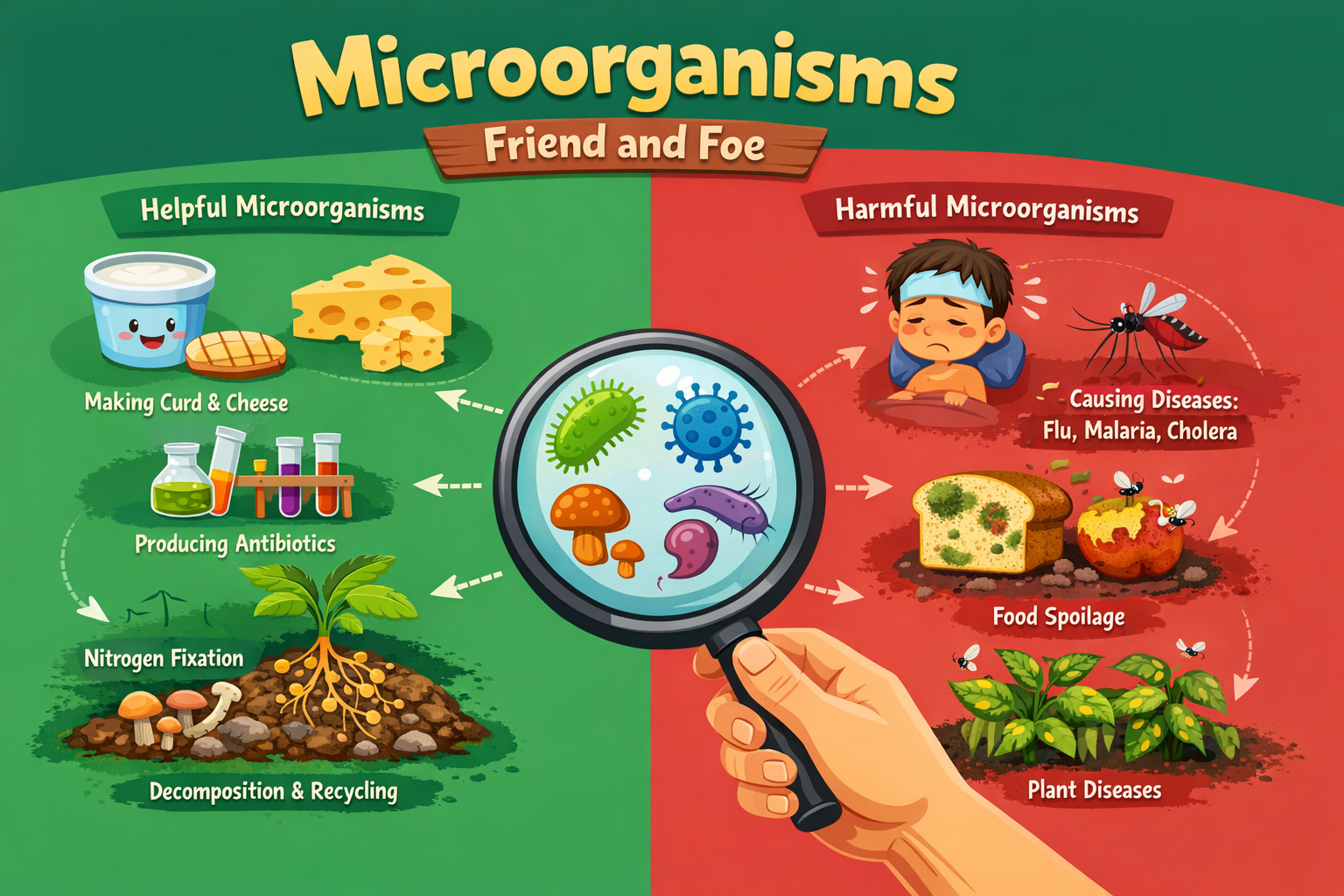

Leave a Reply