


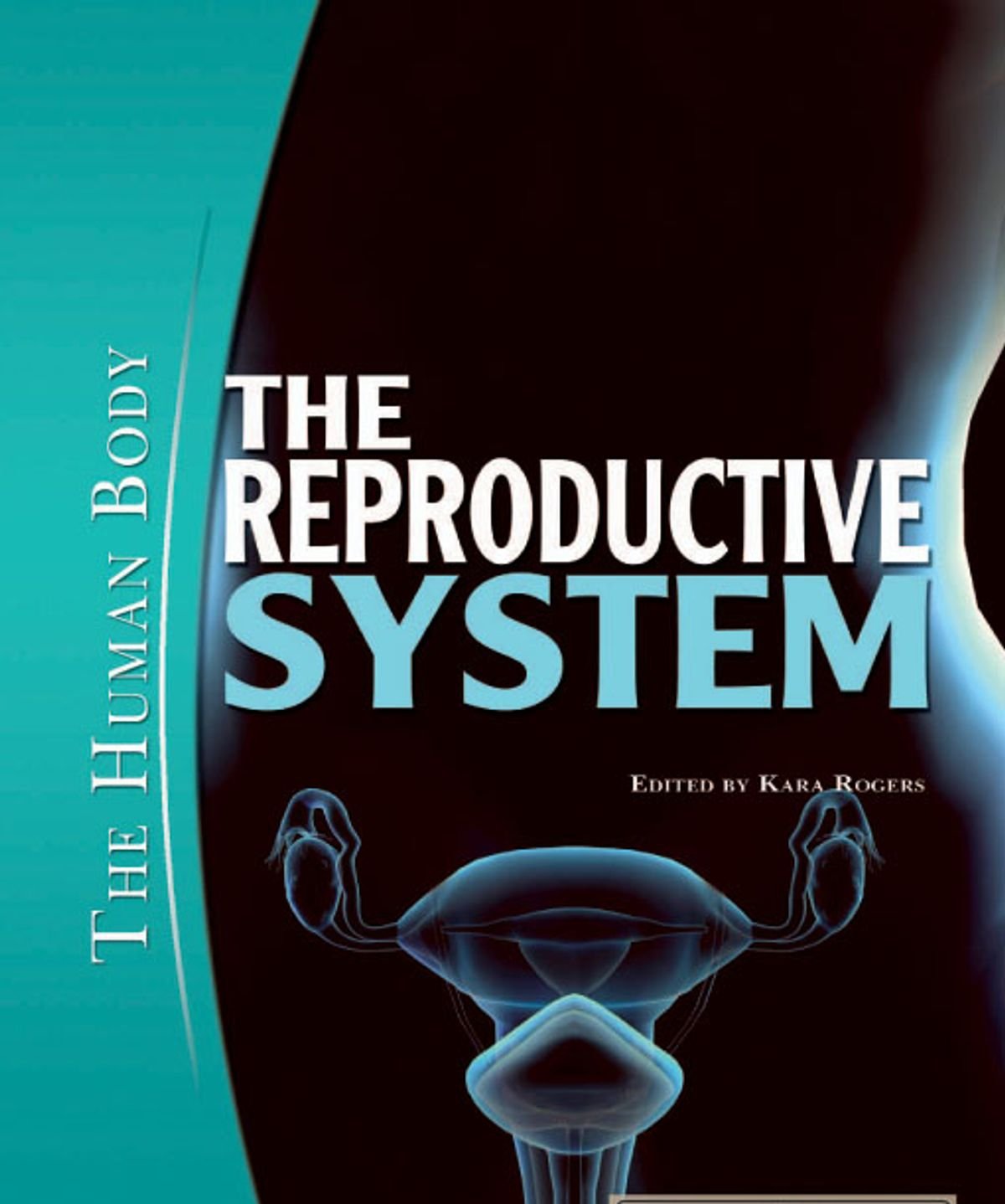
Reproductive Health Class 12 Biology Notes, Summary, MCQs & Important Questions
Meta Description (180–200 characters):
Comprehensive Reproductive Health Class 12 Biology notes with summary, important questions, long answers, MCQs, keywords, flowchart, and exam tips based on NCERT syllabus.
Initiation of the Chapter – Reproductive Health
The chapter Reproductive Health in Class 12 Biology (NCERT) focuses on the well-being of individuals in all aspects of reproduction. According to the World Health Organization (WHO), reproductive health means a complete physical, mental, and social well-being in matters related to the reproductive system.
In India and many developing countries, issues like population explosion, lack of sex education, sexually transmitted infections (STIs), and teenage pregnancies highlight the importance of reproductive health awareness. This chapter explains population control measures, contraception methods, medical termination of pregnancy (MTP), infertility treatments, and prevention of STDs.
Understanding Reproductive Health Class 12 Biology is essential for board exams, NEET, and other competitive exams.
Short Notes on Reproductive Health (Bullet Points)
- Reproductive health ensures safe and satisfying reproductive life.
- India started family planning programs in 1951.
- Sex education creates awareness about STDs and contraception.
- Population explosion is controlled by birth control measures.
- Contraceptive methods include natural, barrier, IUDs, oral pills, and surgical methods.
- MTP (Medical Termination of Pregnancy) is safe up to 12 weeks under medical supervision.
- STDs include gonorrhea, syphilis, AIDS, chlamydia, and genital herpes.
- Infertility treatments include IVF, ZIFT, GIFT, ICSI, and AI.
Detailed Summary of Reproductive Health (1000–1200 Words)
The chapter Reproductive Health deals with maintaining reproductive well-being and controlling population growth through education and medical support.
1. Reproductive Health – Meaning and Importance
Reproductive health refers to total well-being in all aspects of reproduction. It includes safe sexual practices, proper maternal care, prevention of STDs, and family planning.
India was one of the first countries to introduce family planning programs in 1951. Government initiatives promote small family norms, awareness campaigns, and free distribution of contraceptives.
2. Population Explosion and Birth Control
Population explosion occurs when birth rate exceeds death rate significantly. Improved medical facilities reduced death rates, leading to rapid population growth.
Birth control methods help prevent unwanted pregnancies and control population.
Contraceptive Methods
Contraceptives prevent fertilization or implantation. They are:
(a) Natural Methods
- Periodic abstinence
- Withdrawal method (Coitus interruptus)
- Lactational amenorrhea
(b) Barrier Methods
- Condoms (male and female)
- Diaphragm
- Cervical caps
(c) Intrauterine Devices (IUDs)
- Non-medicated (Lippes loop)
- Copper releasing (Cu-T)
- Hormone releasing (LNG-20)
(d) Oral Contraceptive Pills
- Combined pills
- Progesterone-only pills
They inhibit ovulation and alter cervical mucus.
(e) Injectable and Implant Contraceptives
Provide long-term hormonal protection.
(f) Surgical Methods (Sterilization)
- Vasectomy (male)
- Tubectomy (female)
3. Medical Termination of Pregnancy (MTP)
MTP is intentional termination of pregnancy before full term. It is safer during the first trimester (up to 12 weeks). It is recommended in cases of contraceptive failure, rape, or fetal abnormalities.
Unsafe abortions can lead to maternal death and health complications.
4. Sexually Transmitted Diseases (STDs)
STDs are infections transmitted through sexual contact. Common STDs include:
- Gonorrhea
- Syphilis
- Chlamydia
- Genital herpes
- HIV/AIDS
- Hepatitis B
Symptoms may include itching, discharge, pain, and infertility.
Prevention:
- Safe sex practices
- Use of condoms
- Avoid multiple partners
- Early diagnosis and treatment
5. Infertility and Assisted Reproductive Technologies (ART)
Infertility is inability to conceive even after one year of regular unprotected intercourse.
Causes:
- Physical problems
- Hormonal imbalance
- Psychological factors
- Low sperm count
ART techniques include:
- IVF (In vitro fertilization)
- ZIFT (Zygote intrafallopian transfer)
- GIFT (Gamete intrafallopian transfer)
- ICSI (Intracytoplasmic sperm injection)
- AI (Artificial insemination)
These techniques help infertile couples conceive.
6. Prevention and Awareness
Sex education in schools helps prevent STDs, unwanted pregnancies, and sexual abuse. Government programs promote reproductive health awareness through media campaigns.
Thus, the chapter Reproductive Health Class 12 Biology emphasizes awareness, prevention, and responsible parenthood.
Flowchart / Mind Map (Text-Based)
Reproductive Health
→ Population Explosion
→ Causes
→ Control Measures
→ Contraceptive Methods
→ Natural
→ Barrier
→ IUD
→ Oral Pills
→ Surgical
→ MTP
→ STDs
→ Types
→ Symptoms
→ Prevention
→ Infertility
→ Causes
→ ART Techniques
Important Keywords with Meanings
- Reproductive Health – Complete well-being in reproductive matters.
- Contraception – Prevention of pregnancy.
- MTP – Medical termination of pregnancy.
- STDs – Sexually transmitted diseases.
- ART – Assisted reproductive technology.
- IVF – Fertilization outside the body.
- Vasectomy – Male sterilization.
- Tubectomy – Female sterilization.
- Lactational Amenorrhea – Absence of menstruation during breastfeeding.
Important Questions & Answers
10 very Short Answer Questions
- Define reproductive health.
Answer: Reproductive health means complete physical, mental, and social well-being in reproductive matters. - What is population explosion?
Answer: Rapid increase in population due to high birth rate and low death rate. - Name two barrier methods.
Answer: Condoms and diaphragm. - What is MTP?
Answer: Medical termination of pregnancy before full term. - Expand ART.
Answer: Assisted Reproductive Technology. - Name two STDs.
Answer: Gonorrhea and Syphilis. - What is vasectomy?
Answer: Surgical removal of a part of vas deferens. - What is IVF?
Answer: Fertilization outside the body in laboratory. - Define infertility.
Answer: Inability to conceive after one year of regular intercourse. - What is lactational amenorrhea?
Answer: Natural contraception during breastfeeding.
10 Long and Short Questions with Answers
Part A: 10 Short Answer Questions
1. Define reproductive health.
Answer:
Reproductive health refers to complete physical, mental, and social well-being in all matters related to the reproductive system and its functions, not merely the absence of disease.
2. What is population explosion?
Answer:
Population explosion is the rapid increase in population size due to high birth rate and reduced death rate. It creates pressure on resources, economy, and environment.
3. What is lactational amenorrhea?
Answer:
Lactational amenorrhea is a natural contraceptive method in which ovulation does not occur during intense breastfeeding for about six months after childbirth.
4. Name any two barrier methods of contraception.
Answer:
- Male condom
- Diaphragm
Barrier methods prevent sperm from reaching the ovum.
5. What is MTP? When is it considered safe?
Answer:
MTP (Medical Termination of Pregnancy) is the intentional termination of pregnancy before full term. It is safest during the first trimester (up to 12 weeks).
6. Define infertility.
Answer:
Infertility is the inability of a couple to conceive even after one year of regular unprotected sexual intercourse.
7. What are STDs? Give two examples.
Answer:
STDs (Sexually Transmitted Diseases) are infections transmitted through sexual contact.
Examples: Gonorrhea, Syphilis.
8. What is vasectomy?
Answer:
Vasectomy is a surgical method of male sterilization in which a small portion of the vas deferens is cut and tied to prevent sperm transport.
9. What is IVF?
Answer:
IVF (In Vitro Fertilization) is an assisted reproductive technique in which fertilization occurs outside the body in a laboratory.
10. Mention one advantage of condom use.
Answer:
Condoms prevent both unwanted pregnancy and sexually transmitted diseases, including HIV/AIDS.
Part B: 10 Long Answer Questions (5 Marks Each)
1. Explain different methods of contraception.
Answer:
Contraceptive methods prevent pregnancy and help in population control.
1. Natural Methods:
- Periodic abstinence
- Withdrawal (coitus interruptus)
- Lactational amenorrhea
2. Barrier Methods:
- Condoms
- Diaphragm
They prevent sperm from reaching the ovum.
3. Intrauterine Devices (IUDs):
- Lippes loop
- Copper-T
- Hormone-releasing IUD
They prevent fertilization or implantation.
4. Oral Contraceptive Pills:
Hormonal pills that inhibit ovulation.
5. Surgical Methods:
- Vasectomy (male)
- Tubectomy (female)
Permanent methods of sterilization.
2. Describe sexually transmitted diseases (STDs) and their prevention.
Answer:
STDs are diseases transmitted through sexual contact.
Examples include gonorrhea, syphilis, chlamydia, genital herpes, hepatitis B, and AIDS.
Symptoms:
- Itching
- Pain during urination
- Abnormal discharge
Prevention:
- Use of condoms
- Avoid multiple partners
- Early diagnosis and treatment
- Sex education and awareness
Untreated STDs may lead to infertility and pelvic inflammatory diseases.
3. What is Medical Termination of Pregnancy (MTP)? Discuss its importance.
Answer:
MTP is the intentional termination of pregnancy before full term.
Importance:
- Prevents unwanted pregnancies
- Reduces maternal mortality from unsafe abortions
- Used in cases of rape or fetal abnormalities
It is safest during the first trimester.
4. Explain assisted reproductive technologies (ART).
Answer:
ART helps infertile couples conceive.
Major ART Techniques:
- IVF (In vitro fertilization)
- ZIFT (Zygote intrafallopian transfer)
- GIFT (Gamete intrafallopian transfer)
- ICSI (Intracytoplasmic sperm injection)
- Artificial insemination
These techniques increase chances of pregnancy in infertile couples.
5. Discuss causes and control of population explosion.
Answer:
Causes:
- Decline in death rate
- Increase in life expectancy
- Lack of awareness
Control Measures:
- Family planning programs
- Contraceptive use
- Education and awareness
- Small family norm
India launched family planning in 1951.
6. Explain intrauterine devices (IUDs) and their types.
Answer:
IUDs are contraceptive devices placed inside the uterus.
Types:
- Non-medicated (Lippes loop)
- Copper-releasing (Cu-T)
- Hormone-releasing (LNG-20)
Copper ions suppress sperm motility and fertilizing ability.
7. Write a note on sex education and its importance.
Answer:
Sex education provides correct knowledge about reproductive health, contraception, and STDs.
It reduces teenage pregnancy, sexual abuse, and unsafe abortions.
It promotes responsible behavior and gender equality.
8. Explain surgical methods of contraception.
Answer:
Surgical methods are permanent methods.
Vasectomy:
- Performed in males
- Vas deferens cut and tied
Tubectomy:
- Performed in females
- Fallopian tubes cut and tied
These methods prevent gamete transport.
9. Describe the consequences of untreated STDs.
Answer:
Untreated STDs can lead to:
- Pelvic inflammatory disease
- Infertility
- Ectopic pregnancy
- Stillbirth
- Increased risk of HIV
Early detection is important.
10. Define reproductive health and explain its significance.
Answer:
Reproductive health means total well-being in reproductive matters.
Significance:
- Prevents population explosion
- Reduces maternal mortality
- Controls STDs
- Promotes healthy family life
- Ensures responsible parenthood
The chapter Reproductive Health Class 12 Biology emphasizes awareness, prevention, and safe reproductive practices.
40 important Multiple Choice Questions (MCQs)
1. India launched its National Family Planning Programme in:
a) 1947
b) 1951
c) 1961
d) 1975
Answer: b) 1951
2. The term reproductive health was officially defined by:
a) UNICEF
b) WHO
c) UNESCO
d) ICMR
Answer: b) WHO
3. Which of the following is a natural method of contraception?
a) Cu-T
b) Condom
c) Lactational amenorrhea
d) Oral pills
Answer: c) Lactational amenorrhea
4. The withdrawal method is also called:
a) Periodic abstinence
b) Coitus interruptus
c) Vasectomy
d) Tubectomy
Answer: b) Coitus interruptus
5. Which contraceptive method prevents ovulation?
a) Condom
b) Diaphragm
c) Oral pills
d) Vasectomy
Answer: c) Oral pills
6. Copper-T is an example of:
a) Hormonal contraceptive
b) Barrier method
c) IUD
d) Surgical method
Answer: c) IUD
7. Hormone-releasing IUD releases:
a) Estrogen
b) Progesterone
c) Testosterone
d) Oxytocin
Answer: b) Progesterone
8. Vasectomy involves cutting of:
a) Ureter
b) Fallopian tube
c) Vas deferens
d) Urethra
Answer: c) Vas deferens
9. Tubectomy is performed in:
a) Males
b) Females
c) Both
d) None
Answer: b) Females
10. MTP is considered safest during:
a) First trimester
b) Second trimester
c) Third trimester
d) After 6 months
Answer: a) First trimester
11. Medical Termination of Pregnancy is generally safe up to:
a) 8 weeks
b) 12 weeks
c) 20 weeks
d) 28 weeks
Answer: b) 12 weeks
12. AIDS is caused by:
a) Bacteria
b) Fungi
c) Virus
d) Protozoa
Answer: c) Virus
13. HIV attacks:
a) RBCs
b) Platelets
c) Helper T-lymphocytes
d) Neutrophils
Answer: c) Helper T-lymphocytes
14. Which disease is not sexually transmitted?
a) Syphilis
b) Gonorrhea
c) Typhoid
d) Genital herpes
Answer: c) Typhoid
15. Which of the following is a bacterial STD?
a) AIDS
b) Syphilis
c) Genital herpes
d) Hepatitis B
Answer: b) Syphilis
16. Early symptoms of STDs may include:
a) Fever
b) Itching
c) Discharge
d) All of these
Answer: d) All of these
17. Infertility is inability to conceive after:
a) 6 months
b) 1 year
c) 2 years
d) 3 years
Answer: b) 1 year
18. IVF stands for:
a) Internal fertilization
b) In vitro fertilization
c) Induced fertilization
d) In vivo fertilization
Answer: b) In vitro fertilization
19. ZIFT stands for:
a) Zygote intrafallopian transfer
b) Zygote internal fertilization technique
c) Zonal implantation fertilization technique
d) None
Answer: a) Zygote intrafallopian transfer
20. GIFT stands for:
a) Gamete intrafallopian transfer
b) Genetic infertility fertilization technique
c) Gamete internal fertilization therapy
d) None
Answer: a) Gamete intrafallopian transfer
21. ICSI involves:
a) Injection of sperm into uterus
b) Injection of sperm into egg
c) Removal of ovary
d) Hormone therapy
Answer: b) Injection of sperm into egg
22. Artificial insemination is:
a) Surgical method
b) Natural method
c) Assisted reproductive technique
d) Barrier method
Answer: c) Assisted reproductive technique
23. Which method protects against STDs?
a) Oral pills
b) Condom
c) Cu-T
d) Tubectomy
Answer: b) Condom
24. Population explosion is mainly due to:
a) High death rate
b) Low birth rate
c) Reduced death rate
d) Migration
Answer: c) Reduced death rate
25. Lactational amenorrhea is effective for:
a) 2 years
b) 6 months
c) 5 years
d) 1 month
Answer: b) 6 months
26. Hepatitis B affects:
a) Brain
b) Liver
c) Heart
d) Lungs
Answer: b) Liver
27. Which is a hormone-releasing IUD?
a) Cu-T
b) LNG-20
c) Lippes loop
d) Diaphragm
Answer: b) LNG-20
28. Gonorrhea is caused by:
a) Virus
b) Bacteria
c) Fungi
d) Protozoa
Answer: b) Bacteria
29. Periodic abstinence avoids intercourse during:
a) Safe period
b) Menstrual phase
c) Fertile period
d) Pregnancy
Answer: c) Fertile period
30. Which of the following is irreversible?
a) Oral pills
b) Condom
c) Vasectomy
d) Withdrawal
Answer: c) Vasectomy
31. The legal age of marriage for females in India is:
a) 16 years
b) 18 years
c) 20 years
d) 21 years
Answer: b) 18 years
32. Legal age of marriage for males in India is:
a) 18 years
b) 20 years
c) 21 years
d) 25 years
Answer: c) 21 years
33. STDs can lead to:
a) Infertility
b) Pelvic inflammation
c) Stillbirth
d) All of these
Answer: d) All of these
34. Cu-T works mainly by:
a) Killing sperms
b) Preventing implantation
c) Inhibiting ovulation
d) Blocking fallopian tube
Answer: a) Killing sperms
35. The small family norm is promoted to:
a) Increase population
b) Improve quality of life
c) Increase labor force
d) None
Answer: b) Improve quality of life
36. Sex education helps in:
a) Awareness about STDs
b) Preventing unwanted pregnancies
c) Responsible behavior
d) All of these
Answer: d) All of these
37. Which of the following is a viral STD?
a) Syphilis
b) Gonorrhea
c) AIDS
d) Chlamydia
Answer: c) AIDS
38. The failure rate is lowest in:
a) Natural methods
b) Barrier methods
c) Surgical methods
d) Withdrawal
Answer: c) Surgical methods
39. Copper ions released from IUD:
a) Increase sperm motility
b) Suppress sperm motility
c) Promote fertilization
d) Stimulate ovulation
Answer: b) Suppress sperm motility
40. Reproductive health includes:
a) Physical well-being
b) Mental well-being
c) Social well-being
d) All of these
Answer: d) All of these
Exam Tips & 5 Value-Based Questions
Exam Tips
- Learn differences between contraceptive methods.
- Practice diagram of IUD placement.
- Revise ART techniques with full forms.
- Focus on government programs.
- Attempt NCERT back questions.
Value-Based Questions
- Why is sex education important?
Answer: Prevents STDs and promotes responsible behavior. - Why avoid unsafe abortions?
Answer: Risk of maternal death. - Importance of small family norm?
Answer: Better quality of life. - Why use condoms?
Answer: Prevent STDs and pregnancy. - Why early STD diagnosis matters?
Answer: Prevents infertility.
Conclusion (SEO Friendly)
The chapter Reproductive Health Class 12 Biology plays a vital role in creating awareness about safe reproductive practices and population control. It highlights the importance of contraception, prevention of STDs, medical termination of pregnancy, and infertility treatments.
Understanding Reproductive Health helps students perform well in board exams and competitive exams like NEET. The chapter promotes responsible parenthood, gender equality, and healthy family life.
By studying Reproductive Health Class 12 Biology notes, summary, MCQs, and important questions, students can build conceptual clarity and score high marks. Proper knowledge ensures a healthier society and sustainable development.
Reproductive health awareness is not only an academic topic but a social responsibility. Therefore, mastering the chapter Reproductive Health is essential for every biology student.
Reproductive Health Class 12 Biology
10 Assertion–Reason Questions with Answers (NCERT Based)
Practice these Assertion–Reason questions from the chapter Reproductive Health Class 12 Biology for board exams and NEET preparation.
Directions:
a) Both Assertion (A) and Reason (R) are true and R is the correct explanation of A.
b) Both A and R are true but R is not the correct explanation of A.
c) A is true but R is false.
d) A is false but R is true.
1.
Assertion (A): India initiated its National Family Planning Programme in 1951.
Reason (R): It was launched to control population explosion and promote reproductive health.
Answer: a) Both A and R are true and R is the correct explanation of A.
2.
Assertion (A): Lactational amenorrhea is an effective contraceptive method for up to six months after childbirth.
Reason (R): During intense breastfeeding, ovulation and menstruation are suppressed.
Answer: a) Both A and R are true and R is the correct explanation of A.
3.
Assertion (A): Condoms help prevent both pregnancy and sexually transmitted diseases.
Reason (R): Condoms act as a physical barrier preventing sperm and pathogens from entering the female reproductive tract.
Answer: a) Both A and R are true and R is the correct explanation of A.
4.
Assertion (A): Copper-T increases sperm motility in the uterus.
Reason (R): Copper ions released by IUDs suppress sperm motility and fertilizing capacity.
Answer: d) A is false but R is true.
5.
Assertion (A): Vasectomy is a permanent method of contraception in males.
Reason (R): It involves cutting and tying the vas deferens to prevent sperm transport.
Answer: a) Both A and R are true and R is the correct explanation of A.
6.
Assertion (A): MTP is safer during the first trimester of pregnancy.
Reason (R): Risk of complications increases in later stages of pregnancy.
Answer: a) Both A and R are true and R is the correct explanation of A.
7.
Assertion (A): All sexually transmitted diseases are curable.
Reason (R): Viral STDs like AIDS are not completely curable.
Answer: d) A is false but R is true.
8.
Assertion (A): Infertility refers to inability to conceive even after one year of regular unprotected intercourse.
Reason (R): Infertility may be caused by physical, hormonal, or psychological problems.
Answer: b) Both A and R are true but R is not the correct explanation of A.
9.
Assertion (A): Oral contraceptive pills inhibit ovulation.
Reason (R): They contain hormones that prevent the release of FSH and LH.
Answer: a) Both A and R are true and R is the correct explanation of A.
10.
Assertion (A): Assisted reproductive technologies help infertile couples to have children.
Reason (R): Techniques like IVF allow fertilization outside the body.
Answer: a) Both A and R are true and R is the correct explanation of A.
Reproductive Health Class 12 Biology – Sample Question Paper (NCERT Based)
Chapter: Reproductive Health
Time: 3 Hours
Maximum Marks: 70
Section A – MCQs (1 × 10 = 10 Marks)
Attempt all questions.
- India launched its National Family Planning Programme in:
a) 1947
b) 1951
c) 1961
d) 1975 - Lactational amenorrhea is effective for about:
a) 3 months
b) 6 months
c) 1 year
d) 2 years - Copper-T is a type of:
a) Barrier method
b) Hormonal pill
c) IUD
d) Surgical method - Vasectomy involves cutting of:
a) Ureter
b) Vas deferens
c) Fallopian tube
d) Urethra - MTP is safest during:
a) First trimester
b) Second trimester
c) Third trimester
d) After 7 months - Which of the following is a viral STD?
a) Syphilis
b) Gonorrhea
c) AIDS
d) Chlamydia - IVF stands for:
a) Internal fertilization
b) In vitro fertilization
c) In vivo fertilization
d) Induced fertilization - Condoms prevent:
a) Ovulation
b) Implantation
c) Fertilization and STDs
d) Hormone secretion - Legal age of marriage for males in India is:
a) 18 years
b) 20 years
c) 21 years
d) 25 years - ART is used to treat:
a) STDs
b) Infertility
c) Pregnancy
d) Menstruation
Section B – Very Short Answer (2 × 5 = 10 Marks)
Attempt all questions.
- Define reproductive health.
- What is population explosion?
- What is lactational amenorrhea?
- Name any two barrier methods of contraception.
- Define infertility.
Section C – Short Answer Questions (3 × 6 = 18 Marks)
Attempt any six.
- Explain natural methods of contraception.
- Write a short note on MTP.
- Mention symptoms of STDs.
- Differentiate between vasectomy and tubectomy.
- What are IUDs? Name their types.
- What is sex education? Why is it important?
- What are the causes of infertility?
Section D – Long Answer Questions (5 × 4 = 20 Marks)
Attempt any four.
- Describe different methods of contraception in detail.
- Explain STDs and their prevention.
- What are Assisted Reproductive Technologies? Explain any three.
- Discuss causes and control measures of population explosion.
- Explain surgical methods of contraception.
Section E – Case Study Based Questions (4 × 3 = 12 Marks)
Case Study 1
A newly married couple wants to delay pregnancy for 2–3 years but also wants protection from STDs.
- Which contraceptive method is most suitable?
- Why is this method effective against STDs?
- Mention one advantage and one disadvantage of this method.
Case Study 2
A couple has been trying to conceive for 2 years without success. Medical examination shows low sperm count.
- What condition is this called?
- Suggest one ART technique suitable in this case.
- Briefly explain the suggested technique.
Suggested Value-Based Question (Optional Practice)
Why should awareness about reproductive health be promoted among adolescents?
Answer:
Awareness prevents teenage pregnancy, STDs, unsafe abortions, and promotes responsible behavior and healthy society.
Exam Tips for Reproductive Health Class 12 Biology
- Learn full forms of ART techniques.
- Practice differences between contraceptive methods.
- Revise advantages and disadvantages of each method.
- Focus on prevention of STDs.
- Study NCERT diagrams carefully.
Reproductive Health Class 12 Biology – Sample Paper Solution
Section A – MCQ Solutions (1 × 10 = 10 Marks)
- b) 1951
India launched the National Family Planning Programme in 1951 to control population growth. - b) 6 months
Lactational amenorrhea is effective for about six months during intensive breastfeeding. - c) IUD
Copper-T is an intrauterine device placed inside the uterus. - b) Vas deferens
Vasectomy involves cutting and tying the vas deferens. - a) First trimester
MTP is safest during the first 12 weeks of pregnancy. - c) AIDS
AIDS is caused by HIV, which is a virus. - b) In vitro fertilization
IVF means fertilization outside the body in laboratory conditions. - c) Fertilization and STDs
Condoms prevent sperm entry and reduce risk of sexually transmitted infections. - c) 21 years
The legal age of marriage for males in India is 21 years. - b) Infertility
ART techniques are used to treat infertility.
Section B – Very Short Answer Solutions (2 × 5 = 10 Marks)
- Reproductive Health:
Complete physical, mental, and social well-being in reproductive matters. - Population Explosion:
Rapid increase in population due to decline in death rate and high birth rate. - Lactational Amenorrhea:
A natural contraceptive method where ovulation is suppressed during intense breastfeeding. - Two Barrier Methods:
- Male condom
- Diaphragm
- Infertility:
Inability of a couple to conceive after one year of regular unprotected intercourse.
Section C – Short Answer Solutions (3 × 6 = 18 Marks)
16. Natural Methods of Contraception
- Periodic abstinence (avoid intercourse during fertile period)
- Coitus interruptus (withdrawal method)
- Lactational amenorrhea
These methods avoid fertilization without using devices or drugs.
17. Short Note on MTP
Medical Termination of Pregnancy (MTP) is intentional termination of pregnancy before full term.
It is safe during first trimester (up to 12 weeks).
It helps prevent unwanted pregnancies and unsafe abortions.
18. Symptoms of STDs
- Itching in genital region
- Pain during urination
- Abnormal discharge
- Sores or swelling
Early diagnosis is important to prevent complications.
19. Difference Between Vasectomy and Tubectomy
| Vasectomy | Tubectomy |
|---|---|
| Performed in males | Performed in females |
| Vas deferens cut and tied | Fallopian tubes cut and tied |
| Simple surgical procedure | Slightly more complex |
20. IUDs and Their Types
IUDs are devices inserted into uterus to prevent pregnancy.
Types:
- Non-medicated (Lippes loop)
- Copper-releasing (Cu-T)
- Hormone-releasing (LNG-20)
Copper suppresses sperm motility.
21. Sex Education and Importance
Sex education provides correct knowledge about reproductive health.
It helps prevent STDs, teenage pregnancy, and sexual abuse.
It promotes responsible behavior.
22. Causes of Infertility
- Low sperm count
- Blocked fallopian tubes
- Hormonal imbalance
- Psychological stress
ART techniques help treat infertility.
Section D – Long Answer Solutions (5 × 4 = 20 Marks)
23. Methods of Contraception
- Natural methods
- Barrier methods
- IUDs
- Oral contraceptive pills
- Injectable contraceptives
- Surgical methods
Each method prevents fertilization or implantation.
24. STDs and Prevention
STDs are infections transmitted sexually.
Examples:
Gonorrhea, Syphilis, AIDS, Hepatitis B.
Prevention:
- Condom use
- Avoid multiple partners
- Early diagnosis
- Awareness programs
Untreated STDs may lead to infertility.
25. Assisted Reproductive Technologies (ART)
ART helps infertile couples.
Techniques:
- IVF (fertilization outside body)
- ZIFT (zygote transfer)
- GIFT (gamete transfer)
- ICSI (sperm injection into ovum)
- Artificial insemination
These increase chances of pregnancy.
26. Causes and Control of Population Explosion
Causes:
- Decreased death rate
- Increased life expectancy
- Lack of awareness
Control Measures:
- Family planning
- Contraceptive use
- Education
- Small family norm
27. Surgical Methods of Contraception
Vasectomy:
Male sterilization; vas deferens cut and tied.
Tubectomy:
Female sterilization; fallopian tubes cut and tied.
These are permanent and highly effective methods.
Section E – Case Study Solutions (12 Marks)
Case Study 1
- Most Suitable Method: Condom
- Reason: It prevents sperm entry and protects against STDs.
- Advantage: Protects from STDs
Disadvantage: Slight chance of failure if not used properly
Case Study 2
- Condition: Infertility
- Suitable ART: ICSI
- Explanation: A single sperm is injected directly into the ovum to ensure fertilization.
Final Revision Tip
For scoring high in Reproductive Health Class 12 Biology, focus on:
- Definitions and full forms
- Differences between contraceptive methods
- ART techniques
- Prevention of STDs
- Government initiatives







Leave a Reply