




Introduction
Financial institutions are the backbone of any modern economy. They act as intermediaries between savers and borrowers, ensure efficient allocation of resources, facilitate trade and investment, and maintain economic stability. In a developing country like India, financial institutions play a crucial role in promoting growth, reducing poverty, supporting industries, and ensuring financial inclusion.
Financial institutions can be broadly classified into banking institutions, non-banking financial institutions, development financial institutions, and international financial institutions. Each category performs specific functions that collectively strengthen the economic system. This essay discusses the types of financial institutions and their major roles in detail.
Meaning of Financial Institutions
A financial institution is an organization that deals with financial transactions such as deposits, loans, investments, and currency exchange. It mobilizes savings from individuals and provides funds to businesses and governments for productive activities. By doing so, financial institutions promote capital formation and economic development.
I. Banking Institutions
1. Central Bank
Reserve Bank of India (RBI)
The Reserve Bank of India is the apex financial institution in India. Established in 1935, it regulates the entire banking system and controls monetary policy.
Roles of RBI:
- Issue of Currency – RBI has the sole authority to issue currency notes in India.
- Banker to Government – It manages government accounts and public debt.
- Banker’s Bank – Commercial banks keep reserves with RBI.
- Controller of Credit – It uses tools like repo rate, CRR, and open market operations to control money supply.
- Custodian of Foreign Exchange – It manages foreign exchange reserves.
- Regulator of Banks – It supervises banking operations to ensure stability.
The RBI ensures price stability, controls inflation, and promotes economic growth.
2. Commercial Banks
Commercial banks accept deposits and provide loans to individuals, businesses, and governments. They play a major role in financial intermediation.
Types of Commercial Banks:
- Public Sector Banks (e.g., State Bank of India)
- Private Sector Banks
- Foreign Banks
- Regional Rural Banks
Functions:
- Accept deposits (savings, current, fixed)
- Provide loans and advances
- Facilitate digital payments
- Support trade and commerce
- Promote financial inclusion
Commercial banks are vital for economic activities and employment generation.
3. Cooperative Banks
Cooperative banks are member-owned institutions providing financial services mainly in rural and semi-urban areas. They support agriculture, small businesses, and local communities. Their objective is service rather than profit maximization.
II. Development Financial Institutions (DFIs)
Development Financial Institutions provide long-term finance for industrial and infrastructure development.
1. National Bank for Agriculture and Rural Development (NABARD)
NABARD was established to promote agriculture and rural development.
Roles:
- Provides credit to farmers and rural enterprises
- Supervises cooperative banks and RRBs
- Supports rural infrastructure projects
- Promotes self-help groups (SHGs)
NABARD plays a crucial role in strengthening rural economy.
2. Small Industries Development Bank of India (SIDBI)
SIDBI promotes micro, small, and medium enterprises (MSMEs).
Roles:
- Provides financial assistance to MSMEs
- Promotes entrepreneurship
- Encourages innovation and startups
- Supports employment generation
MSMEs are the backbone of the Indian economy, and SIDBI ensures their growth.
3. Industrial Finance Institutions
Earlier institutions like IDBI and IFCI provided long-term industrial finance. Though their roles have evolved, they contributed significantly to industrialization in India.
III. Non-Banking Financial Companies (NBFCs)
NBFCs provide financial services similar to banks but do not have a banking license.
Examples:
- Finance companies
- Leasing companies
- Microfinance institutions
Roles:
- Provide loans to individuals and small businesses
- Support consumer finance
- Offer vehicle and housing loans
- Promote financial inclusion
NBFCs complement banks by serving underserved sectors.
IV. Insurance Institutions
Insurance companies provide financial protection against risks.
1. Life Insurance
Life insurance protects families against financial loss due to death.
2. General Insurance
Covers property, health, vehicles, and businesses.
Insurance institutions mobilize long-term savings and promote economic security.
V. Investment Institutions
Investment institutions mobilize savings and invest them in financial markets.
1. Mutual Funds
They pool money from investors and invest in diversified portfolios.
2. Stock Exchanges
Bombay Stock Exchange (BSE)
National Stock Exchange of India (NSE)
Roles:
- Provide a platform for buying and selling securities
- Facilitate capital formation
- Promote transparency in trading
Capital markets are essential for corporate growth and economic expansion.
VI. International Financial Institutions
1. International Monetary Fund (IMF)
The IMF promotes global monetary cooperation and financial stability.
Roles:
- Provides financial assistance to countries
- Maintains exchange rate stability
- Offers policy advice
2. World Bank
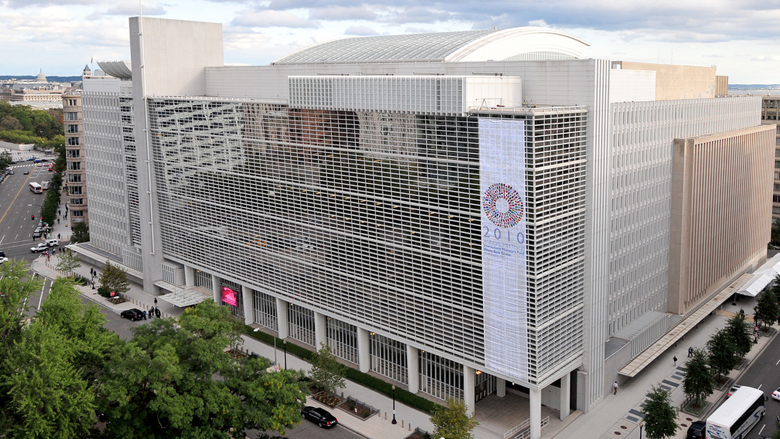
The World Bank provides long-term loans for development projects like infrastructure, health, and education.
3. World Trade Organization (WTO)
The WTO regulates global trade and ensures fair trade practices among member countries.
VII. Role of Financial Institutions in Economic Development
Financial institutions contribute to economic development in multiple ways:
1. Mobilization of Savings
They collect savings from individuals and channel them into productive investments.
2. Capital Formation
By providing loans for industries and infrastructure, they increase capital stock.
3. Promotion of Industrial Growth
They finance MSMEs and large industries, boosting production and employment.
4. Agricultural Development
Institutions like NABARD provide rural credit and support farmers.
5. Financial Inclusion
Banks and microfinance institutions provide services to rural and poor populations.
6. Stability of Financial System
Central banks regulate credit and control inflation.
7. Support to Government Policies
They help implement fiscal and monetary policies effectively.
VIII. Challenges Faced by Financial Institutions
- Non-performing assets (NPAs)
- Cybersecurity risks
- Financial frauds
- Global economic uncertainties
- Regulatory compliance pressures
Addressing these challenges is essential to maintain trust and stability.
IX. Recent Developments
- Digital banking and UPI expansion
- Fintech growth
- Financial inclusion drives
- Stronger regulatory frameworks
- Focus on sustainable finance
Technology has transformed financial institutions, making services faster and more accessible.
Conclusion
Financial institutions are the pillars of economic growth and stability. From the Reserve Bank of India controlling monetary policy to commercial banks financing businesses, and from NABARD supporting rural development to international institutions like the IMF and World Bank assisting nations, each plays a vital role.
They mobilize savings, allocate resources efficiently, promote industrial and agricultural development, ensure financial stability, and support government policies. In a developing country like India, financial institutions are crucial for inclusive growth and poverty reduction.
However, they must adapt to technological advancements, manage risks effectively, and strengthen regulatory systems to remain resilient. With proper governance and innovation, financial institutions will continue to drive economic development and ensure sustainable growth for the future.
🏦 Financial Institutions and Their Roles – 100 MCQs with Answers
1–20: Basic Concepts
- Financial institutions mainly deal with:
A) Agriculture
B) Financial transactions
C) Education
D) Transport
Answer: B - The apex financial institution in India is:
A) SBI
B) NABARD
C) RBI
D) SEBI
Answer: C - The central bank of India is:
A) SEBI
B) Reserve Bank of India
C) NABARD
D) SIDBI
Answer: B - RBI was established in:
A) 1947
B) 1935
C) 1950
D) 1969
Answer: B - Commercial banks primarily accept:
A) Taxes
B) Deposits
C) Shares
D) Insurance
Answer: B - Cooperative banks mainly serve:
A) Big industries
B) Rural communities
C) Foreign investors
D) IT companies
Answer: B - NBFC stands for:
A) National Banking Finance Company
B) Non-Banking Financial Company
C) New Bank Finance Corporation
D) None
Answer: B - Capital formation refers to:
A) Tax collection
B) Increase in capital stock
C) Foreign trade
D) Insurance
Answer: B - Financial inclusion means:
A) Tax increase
B) Banking access for all
C) Loan waiver
D) Export growth
Answer: B - Insurance protects against:
A) Profit
B) Risk
C) Trade
D) Investment
Answer: B - Mutual funds invest in:
A) Only gold
B) Financial securities
C) Agriculture
D) Government only
Answer: B - The main function of banks is:
A) Manufacturing
B) Financial intermediation
C) Mining
D) Farming
Answer: B - RBI controls:
A) Fiscal policy
B) Monetary policy
C) Trade policy
D) Education policy
Answer: B - Repo rate is decided by:
A) Government
B) RBI
C) SEBI
D) SBI
Answer: B - CRR stands for:
A) Cash Reserve Ratio
B) Capital Revenue Ratio
C) Credit Risk Rate
D) None
Answer: A - NBFCs cannot:
A) Give loans
B) Accept demand deposits
C) Provide finance
D) Invest
Answer: B - Financial institutions promote:
A) Capital formation
B) Pollution
C) Population growth
D) Inflation
Answer: A - Development banks provide:
A) Short-term finance
B) Long-term finance
C) No loans
D) Only deposits
Answer: B - Banking sector supports:
A) Industrial growth
B) Sports
C) Cinema
D) Tourism only
Answer: A - Currency issue in India is done by:
A) SBI
B) RBI
C) NABARD
D) SEBI
Answer: B
21–40: Indian Financial Institutions
- NABARD stands for:
A) National Bank for Agriculture and Rural Development
B) National Banking and Revenue Department
C) National Agricultural Board
D) None
Answer: A - National Bank for Agriculture and Rural Development mainly supports:
A) IT sector
B) Rural development
C) Airlines
D) Mining
Answer: B - SIDBI promotes:
A) Large industries
B) MSMEs
C) IT parks
D) Tourism
Answer: B - Small Industries Development Bank of India was established for:
A) Agriculture
B) Small industries
C) Defense
D) Education
Answer: B - SEBI regulates:
A) Insurance
B) Stock market
C) Agriculture
D) Banks
Answer: B - BSE stands for:
A) Bombay Stock Exchange
B) Bank Stock Exchange
C) Business Share Exchange
D) None
Answer: A - NSE stands for:
A) National Stock Exchange
B) New Stock Exchange
C) National Service Exchange
D) None
Answer: A - Public sector banks are owned by:
A) Individuals
B) Government
C) Foreigners
D) Private firms
Answer: B - Regional Rural Banks focus on:
A) Urban finance
B) Rural finance
C) International trade
D) Stock trading
Answer: B - Cooperative banks are owned by:
A) Government
B) Members
C) Foreigners
D) RBI
Answer: B - IDBI was originally a:
A) Commercial bank
B) Development bank
C) Insurance company
D) Stock exchange
Answer: B - IFCI provides:
A) Industrial finance
B) Insurance
C) Education loans only
D) Rural banking
Answer: A - Microfinance institutions mainly help:
A) Big industries
B) Poor and small borrowers
C) Corporates
D) Foreign investors
Answer: B - Digital banking increases:
A) Paper work
B) Transparency
C) Cash use
D) Manual work
Answer: B - Financial institutions help reduce:
A) Savings
B) Unemployment
C) Population
D) Education
Answer: B - Banking ombudsman handles:
A) Customer complaints
B) Loans
C) Taxes
D) Shares
Answer: A - Insurance Regulatory Authority in India is:
A) RBI
B) SEBI
C) IRDAI
D) NABARD
Answer: C - Life insurance provides:
A) Risk coverage for life
B) Trade benefits
C) Tax only
D) Education
Answer: A - General insurance covers:
A) Only life
B) Property and health
C) Currency
D) Trade
Answer: B - Financial markets include:
A) Money and capital markets
B) Agriculture
C) Education
D) Mining
Answer: A
41–60: International Institutions
- IMF stands for:
A) International Monetary Fund
B) Indian Money Fund
C) International Market Fund
D) None
Answer: A - International Monetary Fund provides:
A) Military aid
B) Financial assistance
C) Tourism
D) Education
Answer: B - World Bank provides:
A) Short-term loans only
B) Development loans
C) Currency issue
D) Insurance
Answer: B - World Bank focuses on:
A) Poverty reduction
B) Military
C) Entertainment
D) Sports
Answer: A - WTO regulates:
A) Finance only
B) Global trade
C) Insurance
D) Banking
Answer: B - World Trade Organization ensures:
A) Fair trade
B) Military trade
C) No exports
D) Agriculture only
Answer: A - Foreign exchange reserves are managed by:
A) SEBI
B) RBI
C) IMF
D) SBI
Answer: B - Balance of Payments records:
A) Domestic trade
B) International transactions
C) Taxes
D) Savings
Answer: B - Exchange rate stability is promoted by:
A) IMF
B) SEBI
C) SBI
D) NABARD
Answer: A - Development finance supports:
A) Long-term projects
B) Daily expenses
C) Tourism
D) Sports
Answer: A
61–100: Advanced & Miscellaneous
- Capital market deals in: Long-term funds ✔
- Money market deals in: Short-term funds ✔
- Repo rate increase leads to: Costly loans ✔
- Reverse repo rate is: Rate RBI borrows ✔
- Open market operations involve: Buying and selling securities ✔
- Financial stability ensures: Economic growth ✔
- NPA stands for: Non-Performing Asset ✔
- High NPAs reduce: Bank profits ✔
- Financial literacy improves: Banking awareness ✔
- Credit creation is function of: Commercial banks ✔
- Banker’s bank refers to: RBI ✔
- Banker to government is: RBI ✔
- Custodian of cash reserves is: RBI ✔
- Mutual funds pool: Investor money ✔
- Stock exchanges facilitate: Trading of securities ✔
- SEBI ensures: Investor protection ✔
- Development banks promote: Industrial growth ✔
- Microfinance reduces: Poverty ✔
- Insurance mobilizes: Long-term savings ✔
- Financial inclusion promotes: Inclusive growth ✔
- Digital payments reduce: Cash dependency ✔
- NBFCs are regulated by: RBI ✔
- SIDBI supports: Small businesses ✔
- NABARD supervises: Rural banks ✔
- Banking sector reforms improve: Efficiency ✔
- Inflation control is goal of: Monetary policy ✔
- Fiscal deficit affects: Public debt ✔
- Foreign investment increases: Capital inflow ✔
- Credit rating agencies assess: Creditworthiness ✔
- Infrastructure finance supports: Development ✔
- Leasing companies provide: Asset finance ✔
- Venture capital supports: Startups ✔
- Financial fraud reduces: Trust ✔
- Cybersecurity is important for: Digital banking ✔
- Sustainable finance supports: Green projects ✔
- Public debt is managed by: RBI ✔
- Banking regulation ensures: Stability ✔
- Financial markets allocate: Resources ✔
- Economic growth depends on: Financial system ✔
- Financial institutions are backbone of: Economy ✔
📘 Financial Institutions and Their Roles
100 Very Short Questions with Answers
1. What is a financial institution?
An organization that manages money, credit, and financial transactions.
2. Name India’s central bank.
Reserve Bank of India.
3. When was RBI established?
4. What is the main function of RBI?
Control of money supply and monetary policy.
5. What are commercial banks?
Banks that accept deposits and provide loans to the public.
6. Name a major public sector bank.
State Bank of India.
7. What is the function of commercial banks?
Accept deposits and provide credit.
8. What are cooperative banks?
Banks owned and operated by members for mutual benefit.
9. What is NABARD?
National Bank for Agriculture and Rural Development.
10. What is NABARD’s main role?
Promotes rural and agricultural development.
11. What is SEBI?
Securities and Exchange Board of India.
12. What does SEBI regulate?
Stock markets and securities.
13. What is LIC?
Life Insurance Corporation of India.
14. What is LIC’s main function?
Provides life insurance services.
15. What is IDBI?
Industrial Development Bank of India.
16. What are development banks?
Banks that provide long-term finance for development projects.
17. What is SIDBI?
Small Industries Development Bank of India.
18. What does SIDBI support?
MSMEs.
19. What is a Non-Banking Financial Company (NBFC)?
A financial institution providing banking services without a banking license.
20. What is a credit cooperative society?
A society providing loans to its members.
21. What is monetary policy?
Policy to control money supply and inflation.
22. What is fiscal policy?
Government policy on taxation and expenditure.
23. What is a repo rate?
Rate at which RBI lends to banks.
24. What is reverse repo rate?
Rate at which RBI borrows from banks.
25. What is CRR?
Cash Reserve Ratio maintained by banks with RBI.
26. What is SLR?
Statutory Liquidity Ratio banks must maintain.
27. What is microfinance?
Small loans to low-income individuals.
28. What is SHG?
Self-Help Group.
29. What is financial inclusion?
Providing banking services to all sections of society.
30. What is a mutual fund?
Investment scheme pooling money from investors.
31. What is a stock exchange?
Market for buying and selling securities.
32. Name a major stock exchange in India.
Bombay Stock Exchange.
33. What is another major stock exchange?
National Stock Exchange.
34. What is insurance?
Protection against financial loss.
35. What is general insurance?
Insurance covering non-life risks.
36. What is a term loan?
Loan for a fixed period.
37. What is overdraft?
Facility to withdraw more than balance.
38. What is digital banking?
Banking through online platforms.
39. What is UPI?
Unified Payments Interface.
40. What is a cheque?
Written order to pay money.
41. What is a demand draft?
Prepaid negotiable instrument issued by a bank.
42. What is RTGS?
Real Time Gross Settlement.
43. What is NEFT?
National Electronic Funds Transfer.
44. What is a savings account?
Deposit account earning interest.
45. What is a current account?
Account mainly for business transactions.
46. What is fixed deposit?
Deposit for fixed tenure with higher interest.
47. What is recurring deposit?
Deposit made monthly for fixed period.
48. What is capital market?
Market for long-term funds.
49. What is money market?
Market for short-term funds.
50. What is a debenture?
Long-term debt instrument.
51. What is a bond?
Debt security issued by government/company.
52. What is equity share?
Ownership share in a company.
53. What is dividend?
Profit share paid to shareholders.
54. What is credit rating?
Assessment of borrower’s creditworthiness.
55. What is an ATM?
Automated Teller Machine.
56. What is net banking?
Banking through internet.
57. What is mobile banking?
Banking via mobile app.
58. What is KYC?
Know Your Customer process.
59. What is inflation?
Rise in general price levels.
60. What is deflation?
Fall in general price levels.
61. What is liquidity?
Ease of converting asset into cash.
62. What is solvency?
Ability to meet long-term liabilities.
63. What is a central bank?
Bank regulating country’s banking system.
64. What is a scheduled bank?
Bank listed under RBI Act.
65. What is a rural bank?
Bank serving rural areas.
66. What is RRB?
Regional Rural Bank.
67. Who regulates insurance sector?
Insurance Regulatory and Development Authority of India.
68. What is pension fund?
Fund providing retirement income.
69. What is provident fund?
Retirement savings scheme.
70. What is venture capital?
Funding for startups.
71. What is foreign exchange?
Currency exchange between countries.
72. Who manages forex reserves?
RBI.
73. What is a clearing house?
Institution settling interbank payments.
74. What is priority sector lending?
Loans to sectors like agriculture and MSMEs.
75. What is public sector bank?
Bank owned by government.
76. What is private sector bank?
Bank owned by private shareholders.
77. What is merger of banks?
Combining two or more banks.
78. What is Basel Norms?
International banking regulations.
79. What is digital wallet?
Electronic payment system.
80. What is fintech?
Financial technology services.
81. What is asset?
Anything valuable owned.
82. What is liability?
Financial obligation.
83. What is interest?
Cost of borrowing money.
84. What is principal?
Original loan amount.
85. What is EMI?
Equated Monthly Installment.
86. What is collateral?
Asset pledged against loan.
87. What is mortgage?
Loan against property.
88. What is NPA?
Non-Performing Asset.
89. What is recapitalization?
Government funding to strengthen banks.
90. What is corporate governance?
Rules guiding company management.
91. What is CSR?
Corporate Social Responsibility.
92. What is e-banking?
Electronic banking services.
93. What is a credit card?
Card allowing credit purchases.
94. What is a debit card?
Card linked to bank account.
95. What is a loan?
Borrowed money to be repaid with interest.
96. What is savings?
Income not spent.
97. What is investment?
Using money to earn returns.
98. What is risk?
Possibility of financial loss.
99. What is return?
Profit earned from investment.
100. Why are financial institutions important?
They mobilize savings and promote economic growth.
📘 Financial Institutions and Their Roles
30 Short Answer Questions with Answers
1. What are financial institutions?
Financial institutions are organizations that manage money, provide loans, accept deposits, and offer financial services. They help individuals, businesses, and governments meet financial needs and promote economic development by mobilizing savings and channeling them into productive investments.
2. Explain the role of the Reserve Bank of India.
The Reserve Bank of India is the central bank of the country. It controls monetary policy, regulates banks, issues currency, manages foreign exchange reserves, and ensures financial stability. It plays a key role in controlling inflation and maintaining economic growth.
3. What are commercial banks?
Commercial banks accept deposits from the public and provide loans to individuals and businesses. They offer services like savings accounts, fixed deposits, credit facilities, and digital banking, helping in smooth financial transactions and economic activities.
4. Differentiate between public and private sector banks.
Public sector banks are owned and controlled by the government, while private sector banks are owned by private shareholders. Public banks focus on social welfare and financial inclusion, whereas private banks emphasize efficiency, innovation, and profitability.
5. What are cooperative banks?
Cooperative banks are financial institutions owned and managed by their members. They provide credit mainly to farmers, small traders, and rural communities. Their primary aim is to promote mutual help and financial inclusion at the grassroots level.
6. What is NABARD and its function?
National Bank for Agriculture and Rural Development supports agriculture and rural development. It provides refinance to rural banks and promotes sustainable rural growth through credit planning, infrastructure development, and financial inclusion initiatives.
7. What is the function of SEBI?
Securities and Exchange Board of India regulates and monitors the securities market. It protects investor interests, prevents unfair trade practices, and ensures transparency in stock exchanges and capital markets.
8. What are development banks?
Development banks provide long-term finance for industrial and infrastructural projects. They support economic development by funding projects that require large capital investment and long repayment periods.
9. What is the role of SIDBI?
Small Industries Development Bank of India promotes and finances Micro, Small, and Medium Enterprises (MSMEs). It provides financial assistance, credit facilities, and support services to encourage entrepreneurship and industrial growth.
10. What are Non-Banking Financial Companies (NBFCs)?
NBFCs provide financial services such as loans, asset financing, and investments but do not hold a banking license. They supplement banks by offering credit to sectors that may not be fully served by traditional banks.
11. What is monetary policy?
Monetary policy refers to measures taken by the RBI to control money supply and credit in the economy. Tools like repo rate, CRR, and open market operations are used to control inflation and stabilize growth.
12. What is financial inclusion?
Financial inclusion ensures access to banking and financial services for all sections of society, especially the poor and rural population. It promotes savings, credit access, insurance, and digital payment systems.
13. What is the role of insurance companies?
Insurance companies provide financial protection against risks such as death, accidents, and property loss. They help individuals and businesses manage uncertainty and secure financial stability.
14. What is capital market?
The capital market is a financial market where long-term funds are raised through shares and bonds. It helps companies expand operations and supports economic development.
15. What is money market?
The money market deals with short-term funds and financial instruments like treasury bills and commercial papers. It ensures liquidity in the financial system.
16. What is the function of stock exchanges?
Stock exchanges facilitate buying and selling of securities. They ensure fair pricing, liquidity, and transparency in the capital market.
17. What is microfinance?
Microfinance provides small loans and financial services to low-income individuals who lack access to traditional banking. It promotes self-employment and poverty reduction.
18. What is credit control?
Credit control refers to measures adopted by RBI to regulate lending by banks. It helps control inflation and maintain economic stability.
19. What is a Regional Rural Bank (RRB)?
Regional Rural Banks provide banking services in rural areas. They aim to promote financial inclusion and support agriculture and small businesses.
20. What is the importance of financial institutions in economic development?
Financial institutions mobilize savings, provide credit, promote investment, and facilitate trade. They are essential for industrial growth, employment generation, and overall economic progress.
21. What is foreign exchange management?
Foreign exchange management involves regulation of currency exchange and maintenance of foreign reserves to ensure stable international trade.
22. What is priority sector lending?
Priority sector lending requires banks to provide loans to sectors like agriculture, MSMEs, and weaker sections to promote inclusive growth.
23. What is the role of mutual funds?
Mutual funds pool money from investors and invest in diversified portfolios. They provide professional management and reduce investment risk.
24. What is the importance of digital banking?
Digital banking enables online transactions, reduces paperwork, increases convenience, and improves financial accessibility across regions.
25. What is a Non-Performing Asset (NPA)?
An NPA is a loan on which interest or principal payment is overdue for a specified period. High NPAs affect bank profitability and stability.
26. What is the function of credit rating agencies?
Credit rating agencies evaluate the creditworthiness of borrowers. Their ratings help investors assess investment risks.
27. What is the role of pension funds?
Pension funds collect savings during working years and provide income after retirement, ensuring financial security for individuals.
28. What is recapitalization of banks?
Recapitalization is the process by which the government injects funds into banks to strengthen their financial position and reduce NPAs.
29. What is financial regulation?
Financial regulation involves rules and supervision to ensure stability, transparency, and protection of depositors and investors.
30. Why are financial institutions essential for growth?
Financial institutions ensure efficient allocation of resources, support entrepreneurship, promote savings and investments, and maintain economic stability, making them vital for national development.
📘 Financial Institutions and Their Roles
15 Long Answer Questions with Answers
1. Explain the structure of financial institutions in India.
The financial system of India consists of the central bank, commercial banks, cooperative banks, development banks, insurance companies, NBFCs, and capital market institutions. At the top is the Reserve Bank of India, which regulates the banking system and controls monetary policy. Commercial banks provide deposit and loan facilities to the public. Development banks like Small Industries Development Bank of India and National Bank for Agriculture and Rural Development offer long-term finance for specific sectors. Regulatory bodies such as Securities and Exchange Board of India supervise the capital market. Insurance companies and NBFCs complement banking services. Together, these institutions ensure smooth financial operations, mobilize savings, promote investment, and support economic development.
2. Discuss the role of the Reserve Bank of India in economic stability.
The Reserve Bank of India plays a vital role in maintaining economic stability. It formulates and implements monetary policy to control inflation and ensure balanced growth. Through tools such as repo rate, CRR, SLR, and open market operations, it regulates money supply and credit flow. RBI acts as the banker to the government and banks, manages foreign exchange reserves, and issues currency notes. It supervises and regulates commercial banks to maintain financial discipline. During economic crises, RBI provides liquidity support to stabilize markets. By controlling inflation, managing exchange rates, and ensuring financial stability, RBI contributes significantly to sustainable economic development.
3. Describe the functions of commercial banks.
Commercial banks are key financial intermediaries in the economy. Their primary functions include accepting deposits such as savings, current, and fixed deposits, and providing loans and advances to individuals and businesses. They facilitate trade through services like letters of credit and bank guarantees. Banks promote digital transactions through internet banking, UPI, and mobile banking. They also create credit, which expands economic activity. By mobilizing public savings and channeling them into productive investments, commercial banks support industrial growth, employment generation, and overall economic progress.
4. Explain the importance of development banks in India.
Development banks provide long-term finance for infrastructure, industrial, and agricultural projects that require large capital investment. Institutions such as Industrial Development Bank of India were established to promote industrialization. These banks offer technical guidance, underwriting services, and financial assistance. They help reduce regional imbalances and encourage balanced economic development. Development banks are crucial for funding sectors that may not receive sufficient support from commercial banks due to long gestation periods.
5. Discuss the role of NABARD in rural development.
National Bank for Agriculture and Rural Development plays a central role in promoting agriculture and rural prosperity. It provides refinance to cooperative banks and regional rural banks for agricultural lending. NABARD supports rural infrastructure projects, irrigation facilities, and self-help groups. It also promotes sustainable farming practices and rural entrepreneurship. By strengthening rural credit systems and encouraging inclusive growth, NABARD contributes to poverty reduction and rural economic stability.
6. Explain the functions of SEBI in regulating capital markets.
Securities and Exchange Board of India regulates India’s securities market to protect investors and ensure transparency. It monitors stock exchanges, brokers, and listed companies. SEBI prevents unfair trade practices such as insider trading and market manipulation. It frames rules for issuing shares and bonds. By ensuring fair practices and investor confidence, SEBI strengthens capital markets and promotes economic growth.
7. What is the role of insurance companies in financial security?
Insurance companies provide financial protection against risks like death, accidents, health issues, and property loss. Institutions such as Life Insurance Corporation of India offer life insurance policies that ensure family security. General insurance companies cover assets and businesses. Insurance encourages savings, reduces financial uncertainty, and mobilizes long-term funds for investment in infrastructure and development projects.
8. Explain the importance of financial inclusion.
Financial inclusion ensures that all sections of society, especially the poor and rural population, have access to banking services. It includes savings accounts, credit facilities, insurance, and digital payments. Government schemes and initiatives promote opening bank accounts and direct benefit transfers. Financial inclusion reduces poverty, encourages savings, and integrates marginalized groups into the formal economy.
9. Discuss the role of NBFCs in the financial system.
Non-Banking Financial Companies (NBFCs) provide financial services such as loans, leasing, and asset financing without holding a banking license. They cater to sectors like small businesses and vehicle financing. NBFCs increase competition in the financial market and enhance credit availability. They complement banks by serving customers who may not meet strict banking requirements.
10. Explain the role of cooperative banks in rural areas.
Cooperative banks operate on the principle of mutual assistance. They provide credit to farmers, small traders, and rural artisans at reasonable rates. Owned and managed by members, cooperative banks promote financial inclusion and rural development. They strengthen grassroots-level financial systems and support agricultural activities.
11. Describe the structure and importance of the capital market.
The capital market facilitates raising long-term funds through shares and bonds. It consists of primary and secondary markets. Stock exchanges like Bombay Stock Exchange and National Stock Exchange provide platforms for trading securities. Capital markets promote investment, liquidity, and economic growth.
12. Explain monetary policy and its objectives.
Monetary policy refers to measures taken by RBI to control money supply and credit. Its objectives include controlling inflation, stabilizing currency, promoting growth, and ensuring employment. Tools like repo rate and open market operations regulate liquidity in the economy.
13. Discuss the challenges faced by financial institutions in India.
Financial institutions face challenges such as rising NPAs, cyber security threats, economic slowdowns, and regulatory compliance issues. Increasing competition from fintech companies also affects traditional banking. Managing risks while maintaining profitability remains a major concern.
14. Explain the role of digital banking in modern finance.
Digital banking enables customers to conduct transactions online through internet banking and mobile apps. It increases efficiency, reduces costs, and enhances accessibility. Digital platforms promote cashless transactions and improve transparency in financial operations.
15. Why are financial institutions essential for economic development?
Financial institutions mobilize savings, provide credit, manage risks, and facilitate trade and investment. They ensure efficient allocation of resources and maintain economic stability. By supporting industries, agriculture, and services, they contribute significantly to national income, employment, and overall development.
📘 Financial Institutions and Their Roles
50 Assertion–Reason Questions with Answers
Directions:
(A) Both A and R are true and R is the correct explanation of A.
(B) Both A and R are true but R is not the correct explanation of A.
(C) A is true but R is false.
(D) A is false but R is true.
1.
Assertion (A): The Reserve Bank of India controls inflation in India.
Reason (R): RBI regulates money supply through monetary policy tools.
Answer: (A)
2.
A: Commercial banks create credit.
R: They lend more money than their cash reserves.
Answer: (A)
3.
A: Development banks provide short-term loans for daily expenses.
R: They mainly finance long-term industrial projects.
Answer: (D)
4.
A: Securities and Exchange Board of India protects investors.
R: SEBI regulates stock exchanges and securities markets.
Answer: (A)
5.
A: Cooperative banks work on the principle of mutual help.
R: They are owned and managed by members.
Answer: (A)
6.
A: National Bank for Agriculture and Rural Development promotes rural credit.
R: NABARD provides refinance support to rural banks.
Answer: (A)
7.
A: NBFCs cannot accept demand deposits.
R: NBFCs do not have a full banking license.
Answer: (A)
8.
A: Capital markets deal with long-term funds.
R: They include shares and debentures.
Answer: (A)
9.
A: Money markets provide long-term finance.
R: Money markets deal with short-term instruments.
Answer: (D)
10.
A: Financial inclusion reduces poverty.
R: It provides banking access to weaker sections.
Answer: (A)
11.
A: Repo rate is decided by commercial banks.
R: Repo rate is fixed by RBI.
Answer: (D)
12.
A: Insurance reduces financial risks.
R: It provides compensation against losses.
Answer: (A)
13.
A: High NPAs weaken banks.
R: NPAs reduce bank profits and liquidity.
Answer: (A)
14.
A: Development banks encourage industrialization.
R: They provide long-term project finance.
Answer: (A)
15.
A: Digital banking increases efficiency.
R: It reduces paperwork and transaction time.
Answer: (A)
16.
A: Life Insurance Corporation of India provides general insurance only.
R: LIC mainly offers life insurance policies.
Answer: (D)
17.
A: CRR is maintained with RBI.
R: It is a percentage of bank deposits.
Answer: (A)
18.
A: SEBI prevents insider trading.
R: Insider trading harms investor confidence.
Answer: (B)
19.
A: Microfinance supports low-income groups.
R: It provides small loans without heavy collateral.
Answer: (A)
20.
A: Regional Rural Banks promote rural development.
R: They provide credit to farmers and artisans.
Answer: (A)
21.
A: Inflation increases purchasing power.
R: Inflation raises general price levels.
Answer: (D)
22.
A: Monetary policy is controlled by RBI.
R: RBI manages money supply in the economy.
Answer: (A)
23.
A: Commercial banks accept deposits.
R: Deposits are a primary source of funds.
Answer: (A)
24.
A: Development banks do not provide technical guidance.
R: They only offer financial assistance.
Answer: (D)
25.
A: Financial institutions mobilize savings.
R: They channel savings into investments.
Answer: (A)
26.
A: NBFCs are regulated by RBI.
R: They perform financial activities similar to banks.
Answer: (B)
27.
A: Priority sector lending supports agriculture.
R: Banks are required to lend to weaker sectors.
Answer: (A)
28.
A: Capital market improves liquidity.
R: Securities can be easily traded in stock exchanges.
Answer: (A)
29.
A: Repo rate increase reduces inflation.
R: Higher repo rate discourages borrowing.
Answer: (A)
30.
A: Cooperative banks focus mainly on urban areas.
R: They primarily serve rural communities.
Answer: (D)
31.
A: Insurance companies mobilize long-term funds.
R: Premiums collected are invested in projects.
Answer: (A)
32.
A: Money market instruments are highly liquid.
R: They have short maturity periods.
Answer: (A)
33.
A: CRR affects bank lending capacity.
R: Higher CRR reduces available funds for loans.
Answer: (A)
34.
A: Development banks reduce regional imbalance.
R: They finance projects in backward regions.
Answer: (A)
35.
A: Financial regulation ensures stability.
R: It protects depositors and investors.
Answer: (B)
36.
A: Digital payments promote transparency.
R: They reduce cash transactions.
Answer: (A)
37.
A: SEBI regulates banking operations.
R: SEBI supervises securities markets.
Answer: (D)
38.
A: NBFCs strengthen credit delivery.
R: They serve customers neglected by banks.
Answer: (A)
39.
A: RBI issues currency notes.
R: RBI is the central monetary authority.
Answer: (A)
40.
A: Public sector banks are government-owned.
R: Government holds majority shares in them.
Answer: (A)
41.
A: Inflation control is an objective of monetary policy.
R: Stable prices ensure economic growth.
Answer: (B)
42.
A: Insurance eliminates all financial risks.
R: Insurance only compensates monetary losses.
Answer: (D)
43.
A: Capital formation increases productivity.
R: It involves creation of physical assets.
Answer: (A)
44.
A: Foreign exchange reserves are managed by RBI.
R: RBI regulates international payments.
Answer: (A)
45.
A: Banks promote savings habits.
R: They provide interest on deposits.
Answer: (A)
46.
A: Financial institutions support entrepreneurship.
R: They provide credit and advisory services.
Answer: (A)
47.
A: NPAs increase bank profitability.
R: NPAs reduce income from loans.
Answer: (D)
48.
A: Capital market instruments carry risk.
R: Their returns depend on market conditions.
Answer: (A)
49.
A: Monetary policy impacts liquidity.
R: It regulates money circulation in the economy.
Answer: (A)
50.
A: Financial institutions are essential for economic development.
R: They allocate resources efficiently and support growth.
Answer: (A)
📘 Sample Question Paper
Financial Institutions and Their Roles
Class: XI / XII (Economics/Commerce)
Time: 3 Hours
Maximum Marks: 80
Section A – MCQs (1 × 10 = 10 Marks)
- The central bank of India is:
a) SBI
b) SEBI
c) Reserve Bank of India
d) NABARD - Which institution regulates the securities market?
a) RBI
b) Securities and Exchange Board of India
c) LIC
d) SIDBI - NABARD mainly supports:
a) IT Sector
b) Rural Development
c) Tourism
d) Defense - CRR is maintained with:
a) Commercial Banks
b) Government
c) RBI
d) SEBI - Capital market deals with:
a) Short-term funds
b) Long-term funds
c) Consumer goods
d) Agriculture - NBFC stands for:
a) National Bank Finance Company
b) Non-Banking Financial Company
c) New Banking Finance Corporation
d) None - Repo rate is:
a) Lending rate by banks
b) Rate at which RBI lends to banks
c) Tax rate
d) Interest on deposits - Which institution provides life insurance?
a) SEBI
b) Life Insurance Corporation of India
c) RBI
d) NABARD - Money market deals in:
a) Shares
b) Debentures
c) Treasury Bills
d) Real Estate - Development banks provide:
a) Short-term loans
b) Long-term finance
c) Consumer goods
d) Insurance
Section B – Very Short Answer (2 × 10 = 20 Marks)
- Define financial institution.
- What is monetary policy?
- Define capital market.
- What is an NPA?
- What is financial inclusion?
- Define repo rate.
- What is a cooperative bank?
- What is digital banking?
- Define insurance.
- What is CRR?
Section C – Short Answer (4 × 5 = 20 Marks)
- Explain the functions of commercial banks.
- Discuss the role of NABARD in rural development.
- What are the functions of SEBI?
- Explain the importance of capital market.
- Describe the objectives of monetary policy.
Section D – Long Answer (6 × 5 = 30 Marks)
- Explain the structure of financial institutions in India.
- Discuss the role of RBI in maintaining economic stability.
- Explain the importance of development banks in India.
- Describe the role of insurance companies in economic development.
- Discuss the challenges faced by financial institutions in India.
✅ ANSWER KEY / SOLUTION
Section A Answers:
- (c)
- (b)
- (b)
- (c)
- (b)
- (b)
- (b)
- (b)
- (c)
- (b)
📘 Sample Question Paper
Financial Institutions and Their Roles
Class: XI / XII (Economics/Commerce)
Time: 3 Hours
Maximum Marks: 80
Section A – MCQs (1 × 10 = 10 Marks)
- The central bank of India is:
a) SBI
b) SEBI
c) Reserve Bank of India
d) NABARD - Which institution regulates the securities market?
a) RBI
b) Securities and Exchange Board of India
c) LIC
d) SIDBI - NABARD mainly supports:
a) IT Sector
b) Rural Development
c) Tourism
d) Defense - CRR is maintained with:
a) Commercial Banks
b) Government
c) RBI
d) SEBI - Capital market deals with:
a) Short-term funds
b) Long-term funds
c) Consumer goods
d) Agriculture - NBFC stands for:
a) National Bank Finance Company
b) Non-Banking Financial Company
c) New Banking Finance Corporation
d) None - Repo rate is:
a) Lending rate by banks
b) Rate at which RBI lends to banks
c) Tax rate
d) Interest on deposits - Which institution provides life insurance?
a) SEBI
b) Life Insurance Corporation of India
c) RBI
d) NABARD - Money market deals in:
a) Shares
b) Debentures
c) Treasury Bills
d) Real Estate - Development banks provide:
a) Short-term loans
b) Long-term finance
c) Consumer goods
d) Insurance
Section B – Very Short Answer (2 × 10 = 20 Marks)
- Define financial institution.
- What is monetary policy?
- Define capital market.
- What is an NPA?
- What is financial inclusion?
- Define repo rate.
- What is a cooperative bank?
- What is digital banking?
- Define insurance.
- What is CRR?
Section C – Short Answer (4 × 5 = 20 Marks)
- Explain the functions of commercial banks.
- Discuss the role of NABARD in rural development.
- What are the functions of SEBI?
- Explain the importance of capital market.
- Describe the objectives of monetary policy.
Section D – Long Answer (6 × 5 = 30 Marks)
- Explain the structure of financial institutions in India.
- Discuss the role of RBI in maintaining economic stability.
- Explain the importance of development banks in India.
- Describe the role of insurance companies in economic development.
- Discuss the challenges faced by financial institutions in India.
✅ ANSWER KEY / SOLUTION
Section A Answers:
- (c)
- (b)
- (b)
- (c)
- (b)
- (b)
- (b)
- (b)
- (c)
- (b)
Section B (Sample Answers)
- A financial institution is an organization that manages money, deposits, and loans.
- Monetary policy controls money supply in the economy.
- Capital market deals with long-term funds like shares and bonds.
- NPA is a loan on which payment is overdue.
- Financial inclusion ensures banking access to all.
- Repo rate is the rate at which RBI lends to banks.
- Cooperative bank is owned by members.
- Digital banking provides online financial services.
- Insurance provides financial protection against risk.
- CRR is the percentage of deposits banks keep with RBI.
✅ Section C – Short Answer (4 Marks Each)
1. Explain the functions of commercial banks.
Commercial banks perform primary and secondary functions. Their primary functions include accepting deposits such as savings, current, and fixed deposits, and providing loans and advances to individuals and businesses. Secondary functions include agency services like cheque collection, fund transfers, and payment of bills. They also create credit, promote savings, facilitate trade through letters of credit, and support digital transactions. By mobilizing public savings and channeling them into productive investments, commercial banks play a vital role in economic development and financial stability.
2. Discuss the role of NABARD in rural development.
National Bank for Agriculture and Rural Development plays a significant role in promoting agriculture and rural prosperity. It provides refinance assistance to cooperative banks and Regional Rural Banks for agricultural lending. NABARD supports rural infrastructure development, irrigation projects, and self-help groups (SHGs). It promotes sustainable farming practices and financial inclusion. By strengthening rural credit delivery systems and encouraging entrepreneurship in villages, NABARD contributes to poverty reduction and balanced regional development.
3. What are the functions of SEBI?
Securities and Exchange Board of India regulates and supervises the securities market in India. It protects investors from fraudulent practices and insider trading. SEBI regulates stock exchanges, brokers, and listed companies to ensure transparency and fair trading. It frames guidelines for issuing shares and debentures and monitors mutual funds. By maintaining investor confidence and market discipline, SEBI promotes growth and stability in the capital market.
4. Explain the importance of capital market.
The capital market facilitates raising long-term funds for business expansion and infrastructure development. It enables companies to issue shares and bonds to the public. Stock exchanges like Bombay Stock Exchange provide liquidity and price discovery. Capital markets encourage savings and investment, promote economic growth, and help efficient allocation of resources. They also offer investment opportunities to individuals and institutions.
5. Describe the objectives of monetary policy.
Monetary policy is formulated by the Reserve Bank of India to control money supply and credit in the economy. Its objectives include controlling inflation, maintaining price stability, ensuring economic growth, stabilizing the currency, and promoting employment. Tools such as repo rate, CRR, SLR, and open market operations are used to regulate liquidity and achieve macroeconomic stability.
✅ Section D – Long Answer (6 Marks Each)
1. Explain the structure of financial institutions in India.
The financial system in India consists of various institutions categorized into banking and non-banking institutions. At the apex is the Reserve Bank of India, which regulates the monetary system. Commercial banks, including public, private, and foreign banks, provide deposit and lending services. Cooperative banks and Regional Rural Banks focus on rural credit. Development banks such as Small Industries Development Bank of India and National Bank for Agriculture and Rural Development provide long-term sectoral finance. Regulatory bodies like Securities and Exchange Board of India oversee capital markets. Insurance companies and NBFCs complement banking services. Together, these institutions ensure financial stability, promote savings and investments, and support economic growth.
2. Discuss the role of RBI in maintaining economic stability.
The Reserve Bank of India plays a central role in maintaining economic stability. It formulates and implements monetary policy to control inflation and regulate money supply. RBI uses tools like repo rate, CRR, and open market operations to manage liquidity. It acts as banker to the government and commercial banks and manages foreign exchange reserves. RBI supervises banks to prevent financial crises and ensures safe banking practices. By stabilizing currency, controlling inflation, and maintaining financial discipline, RBI ensures sustainable economic growth.
3. Explain the importance of development banks in India.
Development banks provide long-term finance for industries, infrastructure, and agriculture. Institutions like Industrial Development Bank of India were established to promote industrialization. These banks finance projects with long gestation periods that commercial banks may hesitate to fund. They also provide technical guidance and underwriting services. Development banks reduce regional imbalances and encourage entrepreneurship. Their support strengthens industrial growth and contributes to national income and employment generation.
4. Describe the role of insurance companies in economic development.
Insurance companies provide protection against financial risks such as death, accidents, and property loss. Organizations like Life Insurance Corporation of India mobilize long-term savings through premium collection. These funds are invested in infrastructure and development projects. Insurance encourages financial security and risk management, which promotes business confidence. By reducing uncertainty and mobilizing capital for productive purposes, insurance companies contribute significantly to economic development.
5. Discuss the challenges faced by financial institutions in India.
Financial institutions face several challenges such as rising Non-Performing Assets (NPAs), cyber security risks, regulatory compliance burdens, and increasing competition from fintech companies. Economic slowdowns affect loan recovery and profitability. Maintaining transparency and customer trust is essential. Digital transformation requires heavy investment in technology and security systems. Managing credit risk while promoting inclusive growth remains a major challenge for banks and other financial institutions.











Leave a Reply